Siemens Advances Industrial Automation Transformation Through Artificial Intelligence, Digital Twins and Smart Manufacturing Technologies
The global manufacturing industry is undergoing a major transformation as companies accelerate the adoption of digital technologies, artificial intelligence, automation systems, and intelligent production solutions. In this rapidly changing environment, industrial automation has become one of the most important technologies supporting productivity improvement, energy efficiency, and manufacturing competitiveness.
Siemens continues to expand its industrial automation strategy by integrating artificial intelligence, digital twin technology, industrial software, and advanced automation hardware into its Digital Industries portfolio. The company’s approach focuses on helping manufacturers create more flexible, efficient, and sustainable production environments.
As factories worldwide face challenges including labor shortages, increasing energy costs, supply chain uncertainty, and growing demand for customized products, traditional manufacturing methods are being replaced by more intelligent and connected production models.
Modern automation systems are no longer limited to controlling machines and processes. They are becoming comprehensive industrial platforms capable of collecting operational data, analyzing production performance, optimizing processes, and supporting autonomous decision-making.
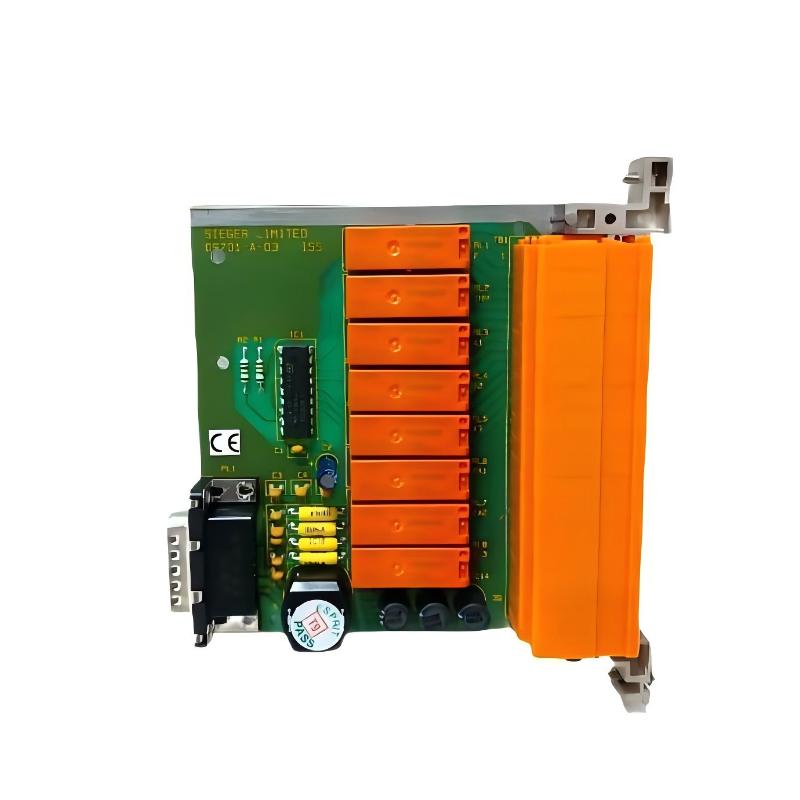
Siemens is one of the leading global suppliers of industrial automation technologies, providing solutions including SIMATIC PLC systems, industrial PCs, industrial communication networks, motion control solutions, process automation systems, and industrial software platforms.
Through continuous innovation in digital industries, Siemens is helping companies move from traditional automation toward intelligent manufacturing.
The Role of Artificial Intelligence in Industrial Automation
Artificial intelligence has become one of the most influential technologies shaping the future of manufacturing.
For decades, industrial automation systems have focused primarily on repeatability, accuracy, and reliability. PLC controllers, DCS platforms, and SCADA systems have enabled factories to operate efficiently, but modern industries now require additional capabilities.
Manufacturers increasingly need systems that can:
- Predict equipment failures
- Optimize production processes
- Reduce energy consumption
- Improve product quality
- Automatically adjust operating parameters
Artificial intelligence provides new possibilities by allowing industrial systems to analyze large amounts of operational data and identify patterns that traditional automation methods cannot easily detect.
Siemens has been integrating AI technologies into industrial applications through automation engineering tools, industrial software platforms, and digital manufacturing solutions.
AI-supported automation can help manufacturers improve decision-making by transforming raw production data into valuable operational insights.
For example, predictive maintenance systems can analyze vibration data, temperature changes, motor performance, and machine operating conditions to identify potential equipment problems before unexpected failures occur.
This approach helps industrial companies reduce downtime and improve overall equipment effectiveness.
Siemens SIMATIC Automation Systems Continue Supporting Global Manufacturing
One of the foundations of Siemens’ industrial automation business is the SIMATIC automation platform.
SIMATIC PLC systems are widely used in manufacturing industries worldwide due to their reliability, scalability, and extensive engineering ecosystem.
Modern SIMATIC automation solutions support applications ranging from small machine control systems to large production facilities.
Key technologies include:
- SIMATIC S7 PLC controllers
- Distributed I/O systems
- Industrial communication networks
- Human-machine interfaces
- Industrial software engineering tools
PLC technology remains essential for modern factories because it provides precise control over machines, production lines, and industrial processes.
However, the role of PLC systems is evolving.
Today’s controllers are increasingly connected with higher-level industrial software platforms, cloud systems, and artificial intelligence applications.
This creates a more integrated automation environment where control systems and digital technologies work together.
For industrial customers, this means improved visibility, faster troubleshooting, and more efficient production management.
Digital Twin Technology Becomes a Key Element of Smart Manufacturing
Digital twin technology is another important area in Siemens’ industrial digitalization strategy.
A digital twin creates a virtual representation of a physical product, machine, or production process.
By connecting real-world equipment with digital models, manufacturers can simulate, analyze, and optimize operations before making physical changes.
Digital twins provide significant benefits, including:
Faster Product Development
Engineers can test product designs in a virtual environment before physical production begins.
This reduces development time and helps identify potential problems earlier.
Improved Production Planning
Manufacturers can simulate production processes and optimize factory layouts before implementation.
This reduces project risks and improves investment efficiency.
Better Equipment Performance
By continuously comparing real equipment data with digital models, companies can identify opportunities for improvement.
Digital twins are becoming increasingly important in industries such as automotive manufacturing, aerospace, electronics production, and process industries.
Siemens Expands Industrial Software and Automation Integration
Modern manufacturing requires more than hardware-based automation.
Industrial companies increasingly depend on software platforms that connect engineering, production management, maintenance, and business operations.
Siemens Digital Industries combines automation hardware with industrial software solutions to create integrated digital environments.
These technologies support:
- Engineering design
- Production simulation
- Manufacturing execution
- Data analysis
- Industrial asset management
The integration of automation and software allows companies to improve the entire product lifecycle.
From initial design to production optimization, digital technologies provide better control and visibility.
This approach supports the development of smart factories where production systems can adapt more quickly to changing market requirements.
Industrial Automation and Sustainability Goals
Sustainability has become a major priority for global manufacturers.
Companies are under increasing pressure to reduce carbon emissions, improve energy efficiency, and optimize resource usage.
Industrial automation plays an important role in achieving these objectives.
Advanced automation systems can help companies:
- Monitor energy consumption
- Optimize machine operation
- Reduce material waste
- Improve production efficiency
- Support renewable energy integration
Siemens has been focusing on sustainable industrial technologies by combining automation, electrification, and digitalization.
Intelligent control systems allow factories to operate more efficiently while maintaining production performance.
For energy-intensive industries, automation optimization can create significant economic and environmental benefits.
Impact on Global PLC and Industrial Automation Markets
The development of intelligent automation technologies is changing the global PLC and industrial equipment market.
Customers are no longer only purchasing individual automation components. They are looking for complete solutions that combine hardware, software, communication, and technical services.
This trend creates new opportunities for companies involved in:
- PLC equipment supply
- DCS system integration
- Industrial communication modules
- Automation spare parts
- Control system maintenance
- Industrial engineering services
Automation suppliers need to understand both traditional control technologies and emerging digital solutions.
Products such as Siemens SIMATIC PLC modules, industrial communication components, HMI systems, and automation controllers continue to play an important role in industrial modernization projects.
Siemens and the Future of Industry 4.0
Industry 4.0 represents the next stage of industrial development, where connected systems, automation, and intelligent software create highly flexible manufacturing environments.
Siemens continues to invest in technologies supporting this transformation, including:
- Industrial artificial intelligence
- Digital twins
- Industrial edge computing
- Cloud-connected manufacturing
- Advanced automation engineering
The future factory will not simply be automated; it will become intelligent.
Machines will communicate with each other, production systems will optimize themselves, and engineers will use real-time information to make better decisions.
Automation will become a strategic business advantage rather than only a production tool.