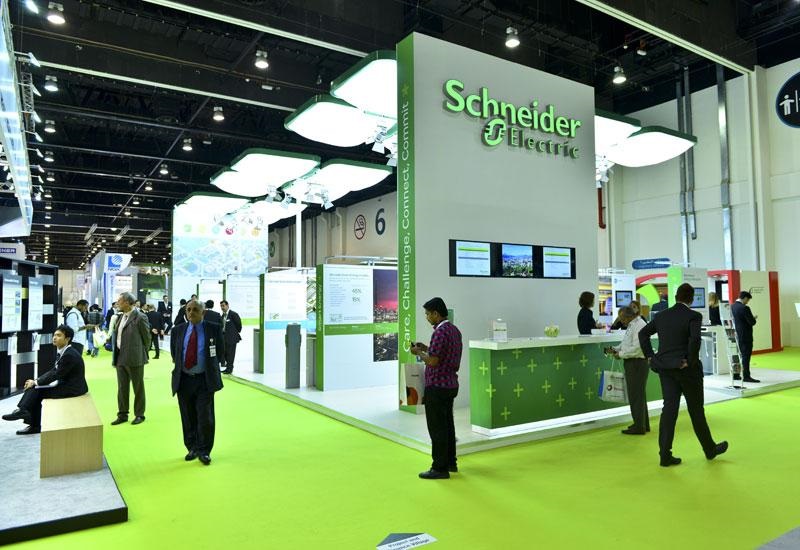
Schneider Electric Pushes Open Software-Defined Automation Forward with Industrial AI and Digital Transformation Technologies
The global industrial automation market is experiencing a fundamental shift as manufacturers move beyond traditional hardware-based control systems toward software-driven, intelligent, and flexible automation architectures.
For decades, industrial automation has relied on dedicated PLC controllers, DCS platforms, SCADA systems, and specialized hardware environments. These technologies have provided reliable production control across industries such as automotive, energy, food and beverage, pharmaceuticals, chemicals, and infrastructure.
However, modern manufacturers are facing new challenges. They need faster production changes, stronger cybersecurity protection, improved energy efficiency, better data utilization, and more flexible automation systems capable of supporting artificial intelligence applications.
Schneider Electric is accelerating this transformation through its focus on open software-defined automation, industrial artificial intelligence, digital intelligence, and advanced automation platforms. The company has continued to promote technologies that separate automation software capabilities from traditional hardware limitations, enabling industries to modernize existing systems while preparing for future intelligent operations.
The development represents a major change in how industrial automation systems are designed, deployed, and maintained. Instead of relying only on fixed hardware architectures, future automation environments will increasingly depend on software flexibility, open standards, cloud connectivity, and intelligent data processing.
The Rise of Software-Defined Automation in Industrial Applications
Traditional industrial automation systems were designed around specific hardware platforms.
A typical automation architecture included:
- PLC controllers
- Industrial communication networks
- Remote I/O modules
- HMI operator panels
- Dedicated engineering software
- Physical control cabinets
Although these systems remain highly reliable, many industrial companies now face limitations when attempting to integrate new technologies.
Common challenges include:
- Aging automation infrastructure
- Difficult system upgrades
- Limited interoperability between vendors
- High modernization costs
- Increasing cybersecurity requirements
- Lack of skilled automation engineers
Software-defined automation introduces a new approach by allowing automation functions to become more independent from specific hardware platforms.
This concept creates a more flexible industrial environment where companies can update, expand, and optimize automation systems without replacing entire infrastructures.
Schneider Electric’s open automation strategy focuses on creating systems that allow industrial users to combine automation software, edge computing, industrial networks, and digital technologies more efficiently.
EcoStruxure Automation Expert Supports Open Automation Architecture
A key element of Schneider Electric’s software-defined automation strategy is EcoStruxure Automation Expert.
The platform is designed around open automation principles and supports modern industrial applications that require greater flexibility and scalability.
Unlike traditional automation approaches where control logic is strongly connected to specific hardware, software-defined automation enables greater separation between application logic and physical infrastructure.
This provides several benefits:
Flexible System Design
Industrial companies can design automation architectures according to operational requirements instead of being limited by traditional hardware structures.
This flexibility allows manufacturers to:
- Expand production lines more easily
- Introduce new automation functions faster
- Reduce engineering complexity
- Improve system lifecycle management
Easier Automation Modernization
Many factories are operating automation systems that have been installed for many years.
Replacing these systems completely can create:
- Production downtime
- High engineering costs
- Operational risks
Software-defined automation allows companies to modernize gradually while protecting existing investments.
This approach is particularly valuable for process industries and large manufacturing facilities where continuous operation is critical.
Industrial AI Becomes a New Driver of Automation Innovation
Artificial intelligence is becoming one of the most important technologies influencing industrial automation.
Traditional automation systems mainly execute predefined instructions.
For example:
A PLC receives input signals, processes programmed logic, and controls industrial equipment.
However, AI-enabled automation introduces new capabilities.
Modern industrial AI systems can:
- Analyze production data
- Detect abnormal operating conditions
- Predict equipment failures
- Optimize processes automatically
- Assist engineering decisions
Schneider Electric has been expanding its industrial AI strategy by combining automation expertise with digital intelligence technologies.
The integration of AI with automation creates opportunities for factories to move from reactive operation toward predictive and adaptive manufacturing.
AI-Powered Predictive Maintenance Improves Equipment Reliability
Unexpected equipment failures remain one of the biggest challenges in industrial production.
A single machine failure can interrupt an entire production line and create significant financial losses.
Traditional maintenance strategies usually rely on:
- Scheduled inspections
- Fixed replacement cycles
- Manual troubleshooting
However, these methods may not accurately reflect actual equipment conditions.
AI-based predictive maintenance provides a smarter approach.
By analyzing operational data from:
- Motors
- Drives
- Sensors
- Controllers
- Industrial networks
AI systems can identify early warning signals before equipment failure occurs.
Benefits include:
- Reduced downtime
- Lower maintenance costs
- Longer equipment lifetime
- Improved production stability
This represents a major opportunity for companies managing large automation infrastructures.
Digital Transformation Connects PLC, DCS, and Industrial Software
The future of industrial automation will not depend on isolated control systems.
Instead, factories will operate through connected ecosystems combining:
- PLC systems
- DCS platforms
- Industrial robots
- Sensors
- Edge devices
- Cloud platforms
- Artificial intelligence applications
This transformation is changing the role of automation equipment.
A PLC controller is no longer only a device that controls machines.
It has become part of a larger industrial information system.
The same applies to DCS platforms used in process industries.
Modern DCS solutions must provide:
- Real-time data access
- Advanced analytics
- Secure communication
- Integration with enterprise systems
This convergence between automation and digital technologies is one of the most important trends shaping Industry 4.0.
Schneider Electric Focuses on Cybersecurity for Future Automation Systems
As industrial systems become increasingly connected, cybersecurity has become a critical concern.
Modern factories are connected through:
- Industrial Ethernet networks
- Remote maintenance systems
- Cloud applications
- Industrial IoT platforms
While connectivity improves efficiency, it also introduces new security challenges.
Industrial organizations must protect:
- Production systems
- Control networks
- Operational data
- Automation equipment
Future automation platforms must include cybersecurity from the beginning of system design.
Software-defined automation supports this direction by enabling more flexible security management and improved integration between information technology and operational technology environments.
Impact on Global PLC and Automation Equipment Markets
The development of open automation platforms is changing the global industrial equipment market.
Customers are increasingly looking beyond individual hardware products.
They are searching for complete automation solutions that include:
- Controllers
- Communication modules
- Engineering software
- Industrial networks
- Digital services
For PLC and DCS suppliers, this creates new opportunities but also requires deeper technical knowledge.
Industrial customers now need partners who understand:
- Legacy automation systems
- Modern digital platforms
- System migration strategies
- Industrial cybersecurity
- Data integration
Companies supplying automation components and spare parts will continue to play an important role as factories upgrade their infrastructures.
The Future of Smart Manufacturing with Open Automation
The next generation of manufacturing will be defined by intelligent, adaptive, and connected systems.
Future smart factories will use automation technologies that can:
- Adjust production automatically
- Optimize energy consumption
- Predict maintenance requirements
- Improve product quality
- Support faster engineering changes
Software-defined automation provides the foundation for this future.
By combining open architectures, industrial AI, and digital intelligence, manufacturers can create production environments that are more flexible and competitive.
Schneider Electric’s continued investment in these technologies reflects the broader transformation occurring across the industrial automation industry.