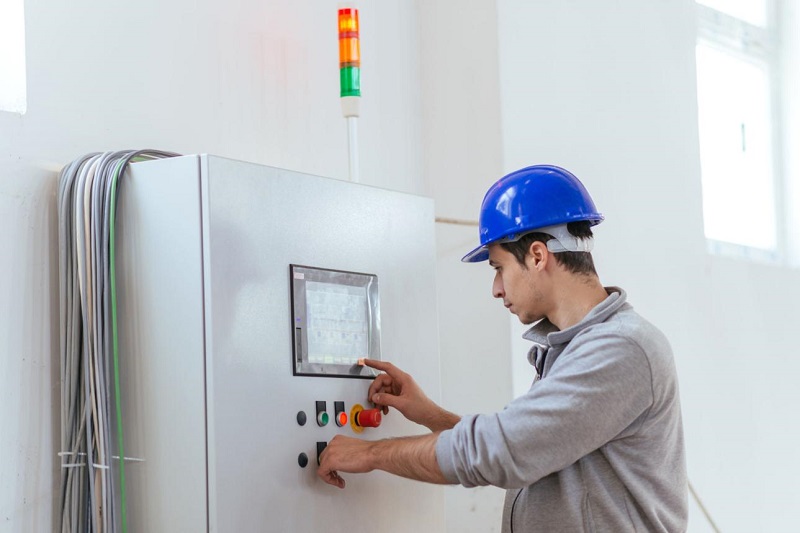
Emerson DeltaV DCS Latest Developments: Advancing Intelligent Process Automation and Digital Plant Operations
Emerson DeltaV DCS Evolves Toward Smarter, More Connected Process Automation
The process industries are experiencing a new wave of digital transformation as manufacturers, energy companies, and industrial operators look for more intelligent and flexible automation solutions.
Industries such as oil and gas, chemical processing, pharmaceuticals, food and beverage, and power generation depend on Distributed Control Systems (DCS) to manage complex production processes. These systems provide reliable control, operational safety, and continuous monitoring for critical industrial facilities.
However, modern industrial environments require more than traditional process control. Companies now need automation systems that can integrate real-time data, improve operational efficiency, support predictive maintenance, and enable smarter decision-making.
Emerson DeltaV DCS continues to develop as a key process automation platform, combining advanced control technologies, digital engineering tools, intelligent asset management, and modern connectivity solutions.
The latest development trends around DeltaV focus on improving system flexibility, enhancing lifecycle management, supporting digital transformation, and helping industries operate more efficiently.
For professionals working in PLC, automation, and DCS industries, the evolution of Emerson DeltaV represents an important direction in the future of process control technology.
The Changing Requirements of Modern Process Automation
Traditional DCS systems were mainly designed to provide reliable process control.
Their primary responsibilities included:
- Maintaining stable production conditions
- Controlling process parameters
- Managing field devices
- Protecting critical equipment
- Supporting operator decisions
These functions remain essential today.
However, industrial companies now face additional challenges:
- Increasing production complexity
- Higher energy efficiency requirements
- Need for faster engineering processes
- Aging automation infrastructure
- Demand for improved operational intelligence
As a result, modern DCS platforms must evolve from simple control systems into complete digital operation platforms.
Emerson DeltaV DCS: A Foundation for Process Industry Automation
Emerson DeltaV is widely recognized as a process automation platform designed for industries requiring reliable and flexible control.
The system supports applications including:
- Continuous process manufacturing
- Batch production
- Safety instrumented systems
- Equipment monitoring
- Advanced process control
A modern DeltaV automation environment typically includes:
- Controllers
- I/O systems
- Operator stations
- Engineering workstations
- Industrial communication networks
- Process monitoring software
These components work together to provide coordinated control across complex industrial facilities.
Digital Transformation of DeltaV Process Control Systems
Digital transformation has become one of the most important trends in industrial automation.
Factories and process plants generate large amounts of operational data from:
- Sensors
- Field instruments
- Control modules
- Motors
- Pumps
- Compressors
- Production equipment
The challenge is using this information effectively.
Modern DCS platforms help organizations transform operational data into valuable insights.
For example, production data can help engineers understand:
- Equipment performance
- Process efficiency
- Energy consumption
- Maintenance requirements
This allows companies to improve operations based on actual plant conditions.
Emerson DeltaV and Intelligent Process Operations
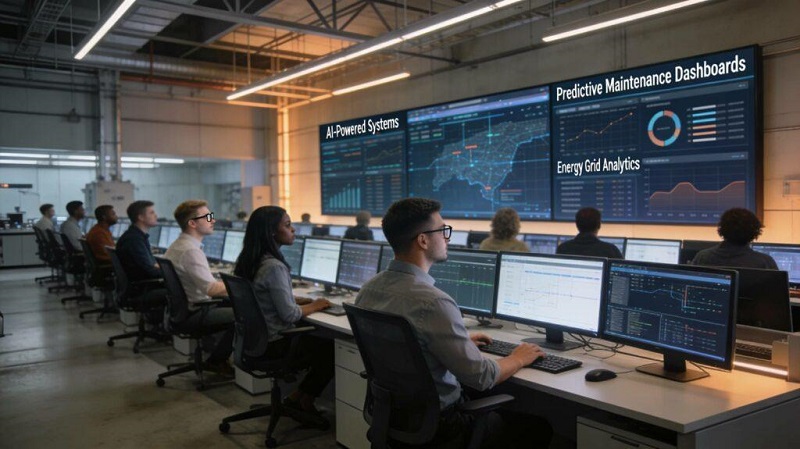
Artificial intelligence and advanced analytics are becoming increasingly important in process industries.
Although AI does not replace DCS control functions, it provides additional intelligence above the automation layer.
The relationship can be described as:
DCS = Real-Time Process Control
AI and Analytics = Optimization and Decision Support
DeltaV systems continue supporting this transition by connecting process control with digital technologies.
Intelligent operations can help companies:
- Detect abnormal process conditions
- Improve production stability
- Optimize resource usage
- Reduce operational risks
Advanced Process Control Improves Production Efficiency
Many industrial processes involve complex relationships between multiple variables.
For example, chemical production may require precise management of:
- Temperature
- Pressure
- Flow rate
- Chemical composition
- Reaction conditions
Small variations can affect product quality and energy consumption.
Advanced process control technologies help optimize these variables automatically.
Benefits include:
- Improved product consistency
- Reduced waste
- Better energy efficiency
- Increased production capacity
This is especially valuable in industries where process optimization directly impacts profitability.
DeltaV Integration With Industrial Asset Management
Equipment reliability is a major concern for process industries.
Unexpected equipment failure can cause:
- Production interruptions
- Maintenance costs
- Safety concerns
- Reduced efficiency
Modern automation strategies increasingly combine process control with asset monitoring.
Important monitored equipment includes:
- Pumps
- Valves
- Motors
- Compressors
- Rotating machinery
By analyzing equipment data, operators can better understand asset conditions.
This supports predictive maintenance strategies and helps extend equipment lifetime.
Improving Automation Lifecycle Management
Industrial facilities often operate for decades.
A major challenge for plant owners is maintaining automation systems throughout their lifecycle.
Modern DCS solutions focus on:
- Easier system upgrades
- Improved engineering efficiency
- Better spare parts management
- Reduced maintenance complexity
Lifecycle management helps companies protect their automation investment.
Instead of replacing complete systems frequently, organizations can modernize gradually according to operational needs.
DeltaV and Industrial Cybersecurity
As industrial automation systems become more connected, cybersecurity has become a critical consideration.
Modern process plants require protection for:
- Control networks
- Engineering systems
- Operational data
- Remote access connections
A secure automation environment helps reduce risks associated with increased connectivity.
Cybersecurity considerations now influence:
- System architecture
- Network design
- Access control
- Maintenance procedures
For DCS engineers, cybersecurity knowledge is becoming an increasingly important skill.
Applications of Emerson DeltaV Across Industries
Pharmaceutical Manufacturing
Pharmaceutical production requires strict process control and documentation.
DeltaV automation technologies support:
- Batch control
- Process monitoring
- Production consistency
Chemical Industry
Chemical plants depend on accurate process management.
DCS solutions help control:
- Reaction processes
- Material flow
- Safety systems
Oil and Gas Industry
Oil and gas facilities require highly reliable automation.
Process control systems support:
- Production monitoring
- Equipment protection
- Operational optimization
Food and Beverage Industry
Food production requires consistent quality and efficient operation.
Automation systems help manage:
- Production processes
- Recipe control
- Quality requirements
Future Trends of Emerson DeltaV DCS Development
The future development of DCS technology will focus on several important areas.
1. Artificial Intelligence Integration
AI will increasingly support:
- Process optimization
- Fault detection
- Operational analysis
2. Cloud and Edge Computing
Industrial data processing will become more flexible through:
- Edge analytics
- Cloud platforms
- Remote monitoring
3. Digital Twin Technology
Digital twins allow engineers to simulate and optimize process operations before making changes in real plants.
Applications include:
- Engineering design
- Operator training
- Process improvement
4. Greater Automation System Integration
Future industrial environments will combine:
- DCS systems
- PLC controllers
- Industrial networks
- Enterprise software
- Data analytics platforms
This creates a more connected industrial ecosystem.
Opportunities for Industrial Automation Suppliers
The continued development of Emerson DeltaV and process automation technologies creates opportunities for global automation suppliers.
Industrial customers require:
- DCS spare parts
- Controller modules
- I/O cards
- Communication equipment
- Industrial computers
- Automation maintenance services
For companies involved in PLC, DCS, and industrial equipment supply, understanding process automation trends is important for serving international customers.
The market is moving toward suppliers who can provide both reliable hardware and technical expertise.
Conclusion
Emerson DeltaV DCS continues evolving from a traditional process control platform into a more intelligent and connected automation solution.
With the integration of digital technologies, advanced analytics, cybersecurity improvements, and lifecycle management capabilities, modern DCS systems are helping industries achieve safer and more efficient operations.
For professionals in PLC, automation, and DCS markets, DeltaV development represents the broader transformation of industrial control systems toward intelligent process automation.
As global industries continue upgrading their facilities, advanced DCS platforms will remain a critical technology supporting the future of manufacturing and process operations.