ABB Brings Modern DCS Technology to Major Australian Power Generation Facility
Industrial automation modernization is becoming increasingly important for power generation companies as aging control systems face new requirements for cybersecurity, operational visibility, reliability, and long-term asset management.
A recent ABB project in Australia demonstrates how modern Distributed Control System technology can be used to extend the operational life of an existing power generation facility without completely replacing its automation infrastructure.
ABB has been selected by ENGIE Australia to modernize the Distributed Control System infrastructure at the Pelican Point Power Station in South Australia. The project involves replacing existing Advant controllers with the latest ABB Ability System 800xA controller technology based on AC 800M for one gas turbine and the steam turbine. The modernization is intended to improve operational performance and reliability while strengthening cybersecurity and real-time monitoring capabilities.
The project is particularly relevant to the industrial automation market because it demonstrates a common challenge faced by power plants and process industries around the world: how to modernize aging automation systems while preserving existing plant functionality.
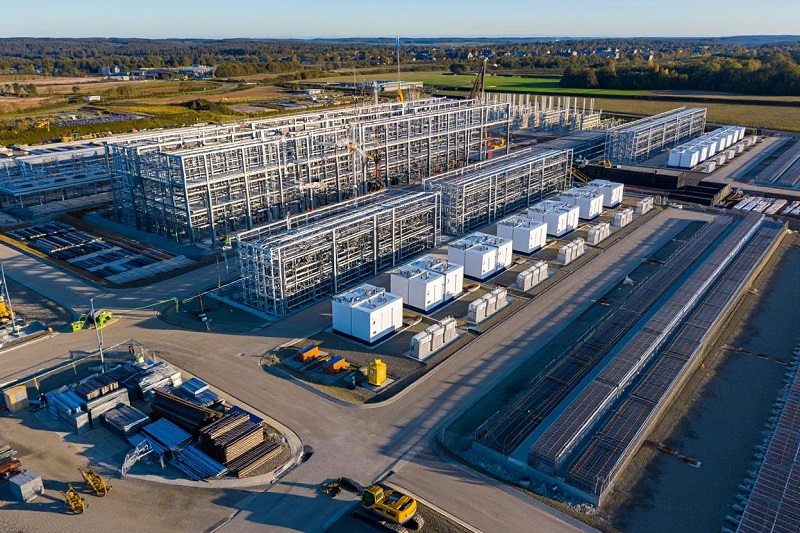
Pelican Point is a combined-cycle gas turbine power station located near Adelaide. The facility includes two gas turbines and one steam turbine and has a maximum generation capacity of approximately 532 MW. ABB states that the facility provides approximately half of South Australia's annual thermal power generation needs, making automation reliability an important part of the plant's operational role.
Why DCS Modernization Is Important for Power Plants
Power generation facilities operate under very different conditions from ordinary manufacturing plants.
A factory production line can sometimes be stopped for maintenance or equipment replacement. A major power station, however, must carefully manage outages because interruptions can affect electricity supply, grid stability, and commercial operations.
For this reason, many power plants choose a modernization strategy based on upgrading selected automation components rather than replacing the complete control architecture.
This approach can provide several advantages.
First, it allows operators to preserve existing engineering knowledge and plant configuration.
Second, it reduces the amount of hardware that needs to be replaced.
Third, it can allow the plant to introduce modern cybersecurity and monitoring capabilities while maintaining familiar control strategies.
For automation engineers, this type of project is an excellent example of lifecycle-based DCS modernization.
From Advant Controllers to AC 800M
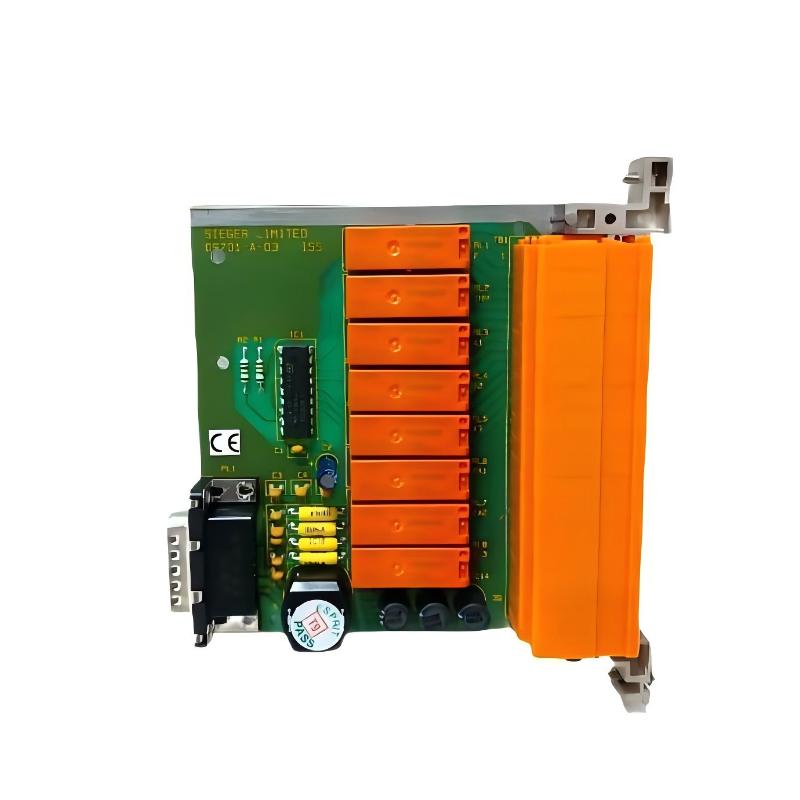
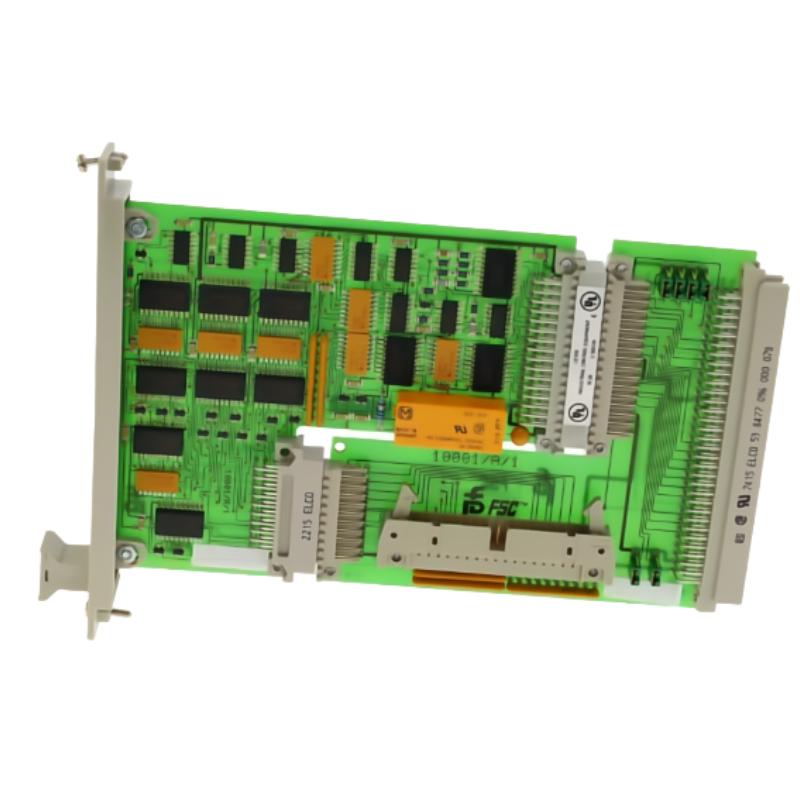
One of the important technical elements of the Pelican Point project is the modernization of existing Advant controllers to ABB's AC 800M controller technology.
The AC 800M is part of ABB's automation portfolio and is used in process control and industrial automation applications.
Replacing controller hardware is not simply an electrical installation task.
A DCS controller modernization project may involve:
- Control logic migration
- I/O configuration verification
- Communication testing
- Alarm validation
- Operator interface verification
- Network configuration
- Cybersecurity assessment
- Functional testing
- Commissioning
The objective is to introduce new automation technology without compromising the control functions that operators depend on.
This is particularly important for turbine control and other critical power generation applications.
Improving Real-Time Monitoring
Another important benefit of the modernization project is improved real-time monitoring.
Power plants generate large amounts of operational data from:
- Gas turbines
- Steam turbines
- Generators
- Pumps
- Valves
- Temperature sensors
- Pressure transmitters
- Flow instruments
- Electrical equipment
The DCS is responsible for collecting and processing much of this information.
Improved monitoring allows operators and maintenance teams to understand plant conditions more quickly.
For example, abnormal temperature trends, pressure variations, vibration conditions, or equipment performance changes can provide early indications of developing problems.
Better monitoring can therefore contribute to improved maintenance planning and operational reliability.
Cybersecurity Is Becoming a DCS Modernization Priority
Cybersecurity is another major factor driving automation modernization.
Power plants are increasingly connected to external systems, remote monitoring platforms, enterprise networks, and digital services.
This connectivity creates operational benefits, but it also increases the potential attack surface.
Older control systems may have been designed at a time when industrial networks were much more isolated.
Modern DCS modernization projects therefore need to consider cybersecurity alongside traditional control performance.
The Pelican Point project specifically includes strengthening cybersecurity as one of the objectives of the controller modernization.
This reflects a broader industry trend.
For power generation companies, cybersecurity is no longer only an IT issue. It is directly connected with operational technology, plant availability, safety, and business continuity.
The Importance of Preserving Existing Functionality
One of the most important aspects of industrial modernization is the balance between innovation and continuity.
Operators do not necessarily want a completely new system if the existing plant processes are already well understood.
A successful modernization project should preserve proven control strategies wherever practical while introducing newer hardware and software capabilities.
This is especially important for experienced plant operators.
If a new DCS changes the operator environment too dramatically, additional training may be required and the transition may introduce operational risks.
A carefully designed modernization project can therefore combine new technology with existing operational knowledge.
What This Means for the Global DCS Market
The Pelican Point project is representative of a larger DCS modernization market.
Thousands of industrial facilities worldwide continue to operate automation systems installed many years ago.
These systems may still be functional, but companies increasingly need:
- Modern cybersecurity
- Better data access
- Higher controller performance
- Improved diagnostics
- Long-term spare-part availability
- Integration with digital systems
This creates a substantial opportunity for automation suppliers and system integrators.
DCS modernization is not limited to power plants.
Similar requirements exist in:
- Oil and gas
- Chemical processing
- Mining
- Water treatment
- Pharmaceutical manufacturing
- Food processing
- Pulp and paper
- Metals production
Implications for PLC and Automation Equipment Suppliers
For companies operating in the PLC and automation equipment market, DCS modernization projects create demand for a wide range of components.
A modernization project can involve:
- Controllers
- I/O modules
- Communication modules
- Power supplies
- Industrial network components
- HMI systems
- Engineering workstations
- Control cabinet components
Legacy equipment can also remain important during migration projects.
Engineers may need to maintain communication between old and new systems during transition periods.
This means that industrial automation suppliers need knowledge of both legacy and current control technologies.
A Model for Long-Term Industrial Asset Management
The Pelican Point modernization project also demonstrates the importance of long-term asset management.
Industrial automation equipment is not normally replaced according to short consumer-electronics cycles.
Instead, companies may operate control systems for many years and gradually upgrade individual components.
A lifecycle-based strategy can help companies:
- Identify aging components.
- Evaluate operational risks.
- Prioritize critical equipment.
- Modernize controllers and networks.
- Improve cybersecurity.
- Validate control functionality.
- Continue monitoring system performance.
This approach can reduce the technical and financial risks associated with large-scale automation replacement.