Industrial Wireless Automation and IIoT Technologies Transform PLC and DCS Architecture in Smart Factories Advanced Industrial Connectivity Accelerates Digital Transformation, Remote Monitoring and Intelligent Manufacturing Development
Industrial Automation Industry Moves Toward Wireless Connectivity and IIoT Integration
The industrial automation industry is entering a new phase of development as manufacturers increasingly adopt Industrial Internet of Things (IIoT), wireless communication technologies and intelligent data platforms to improve production efficiency and operational visibility.
Factories around the world are upgrading traditional automation architectures by connecting PLC systems, DCS platforms, industrial sensors, remote I/O devices and intelligent equipment through advanced industrial communication networks.
For decades, wired communication networks have been the foundation of industrial automation systems. Technologies such as industrial Ethernet, fieldbus networks and dedicated communication interfaces have provided reliable connections between controllers, machines and field devices.
However, the increasing demand for flexible manufacturing, real-time data access and rapid factory expansion has created new requirements for industrial connectivity.
Wireless industrial automation technologies are becoming an important complement to traditional wired systems. Combined with IIoT platforms, edge computing and cloud-based analytics, wireless solutions are helping manufacturers build more flexible and intelligent production environments.
The development of industrial wireless communication does not mean replacing traditional PLC or DCS systems. Instead, it provides additional connectivity options that allow companies to collect more operational data, monitor remote equipment and improve automation performance.
IIoT Becomes a Key Technology for Smart Manufacturing Transformation
The Industrial Internet of Things has become one of the most important technologies supporting Industry 4.0 development.
Unlike traditional automation systems that mainly focus on machine control, IIoT focuses on collecting, analyzing and utilizing industrial data.
A modern IIoT-enabled factory can connect thousands of devices, including:
- PLC controllers
- DCS control systems
- Industrial sensors
- Smart motors
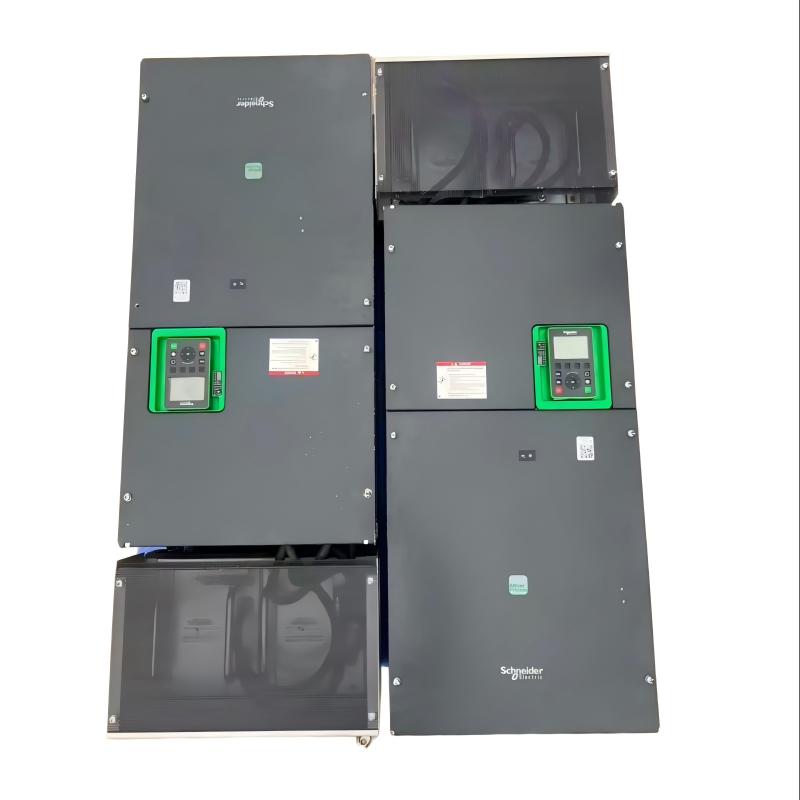
- Variable frequency drives
- Remote I/O modules
- Robotics systems
- Energy monitoring equipment
These devices continuously generate valuable operational information.
By analyzing this data, manufacturers can gain deeper insights into production performance, equipment conditions and energy consumption.
For example, vibration sensors installed on industrial motors can provide information about equipment health. Advanced analytics systems can identify abnormal patterns and predict possible failures before unexpected downtime occurs.
This approach allows companies to move from traditional reactive maintenance toward predictive maintenance strategies.
Wireless Automation Improves Industrial Flexibility and Efficiency
Traditional industrial automation networks often require extensive cabling infrastructure.
In large factories, process plants and outdoor industrial facilities, installing communication cables can be expensive and time-consuming.
Wireless automation technologies provide new possibilities for applications where traditional wiring may be difficult or impractical.
Common industrial wireless applications include:
- Remote equipment monitoring
- Mobile production equipment
- Temporary production lines
- Large industrial sites
- Rotating machinery monitoring
- Environmental monitoring systems
- Warehouse automation
Wireless communication can reduce installation complexity and allow companies to deploy automation solutions more quickly.
For industries such as oil and gas, mining, water treatment and logistics, wireless technologies provide significant advantages because many assets are located in large or difficult-to-access areas.
PLC and DCS Systems Evolve with New Communication Technologies
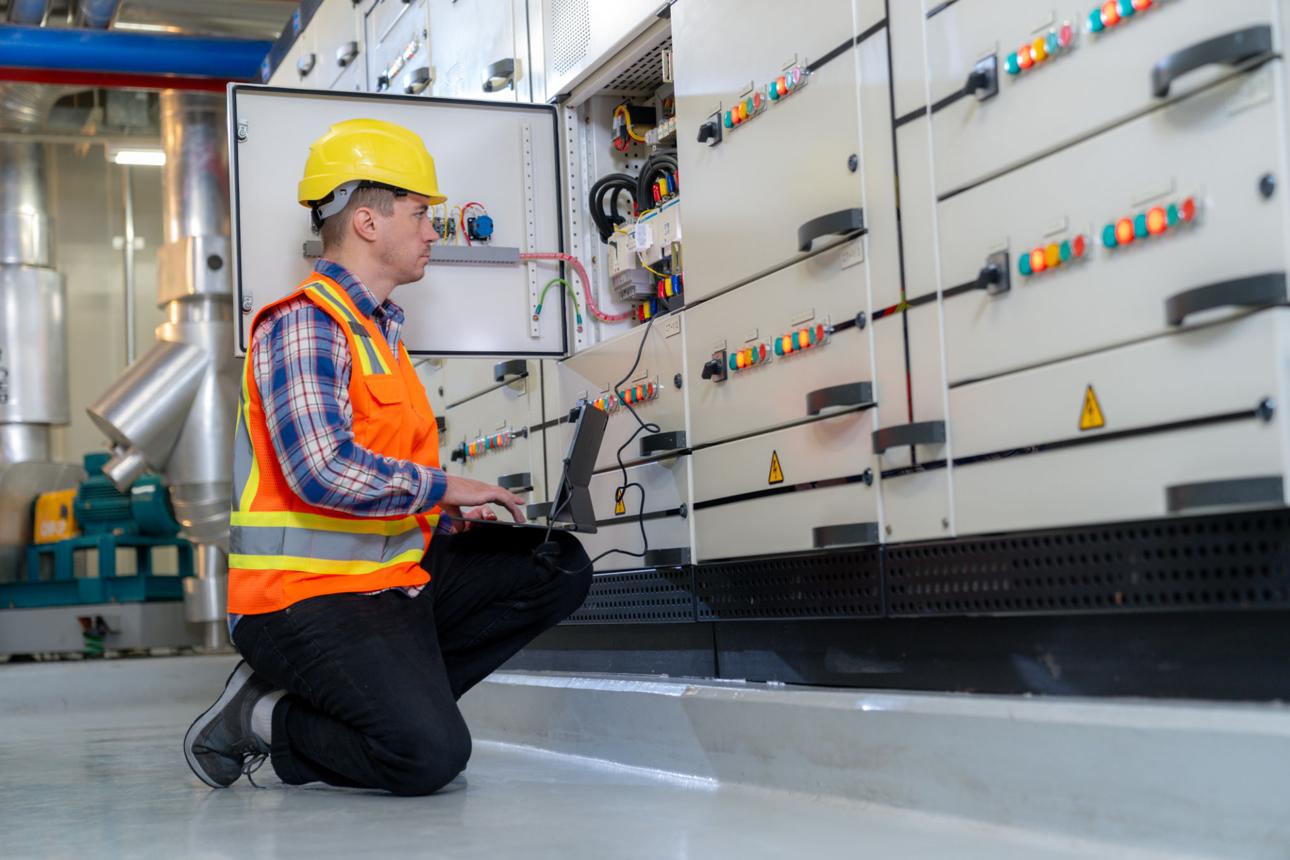
PLC and DCS platforms remain the core control technologies in industrial automation.
However, the role of these systems is changing as factories become more connected.
Traditional PLC systems were mainly responsible for executing control logic and managing machine operations.
Modern PLC platforms increasingly include:
- Advanced communication capabilities
- Remote access functions
- Data processing features
- Cybersecurity technologies
- Cloud and edge integration options
Similarly, DCS platforms used in process industries are evolving beyond traditional process control.
Modern DCS solutions are becoming integrated automation platforms capable of connecting field devices, production systems and enterprise-level digital applications.
The combination of PLC, DCS and IIoT technologies creates a more complete automation ecosystem.
This allows manufacturers to achieve better control performance while gaining additional operational intelligence.
Edge Computing Supports Real-Time Industrial Data Processing
One major trend connected with IIoT development is the growth of industrial edge computing.
Traditional cloud-based systems require industrial data to be transferred to remote servers for processing. While cloud platforms provide powerful analytics capabilities, some industrial applications require faster response times.
Edge computing solves this challenge by processing data closer to production equipment.
Industrial edge devices can:
- Analyze equipment data locally
- Reduce communication delays
- Improve system response speed
- Support real-time decision-making
- Reduce unnecessary data transmission
For example, an automated production line can use edge computing to analyze sensor information immediately and adjust machine parameters without waiting for cloud-based processing.
This capability is especially valuable in applications requiring high-speed control and continuous operation.
Cybersecurity Becomes Essential for Connected Industrial Systems
As industrial automation systems become increasingly connected, cybersecurity has become a major concern for manufacturers.
Historically, many industrial control systems operated in isolated environments. Today, the connection between factories, enterprise networks and digital platforms creates new security requirements.
Modern industrial cybersecurity strategies focus on:
- Network protection
- Access management
- Secure communication protocols
- System monitoring
- Data protection
- Regular security updates
Manufacturers must balance connectivity benefits with operational security.
A successful digital transformation strategy requires not only advanced automation technologies but also strong cybersecurity management.
Impact on Industrial Automation Equipment Demand
The growth of IIoT and wireless automation is influencing demand across the industrial equipment market.
Manufacturers upgrading their automation infrastructure require a wide range of components and technologies, including:
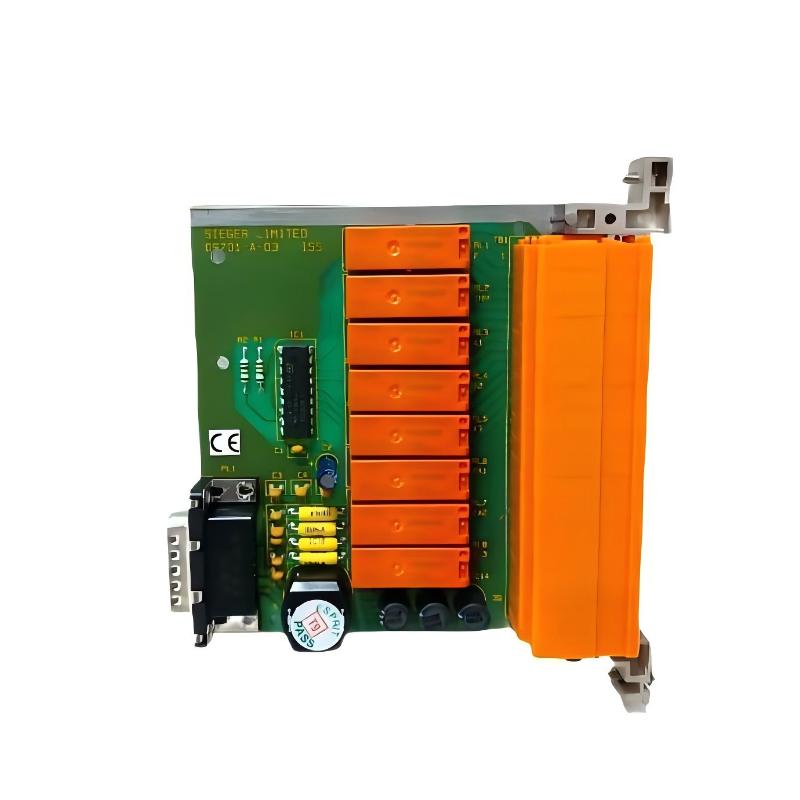
- PLC communication modules
- Industrial Ethernet devices
- Wireless gateways
- Remote I/O systems
- Industrial sensors
- Smart controllers
- HMI systems
- Data acquisition modules
- Industrial network components
Automation suppliers and distributors are increasingly supporting customers with modernization projects, system upgrades and replacement components.
Many industrial companies prefer upgrading existing automation systems instead of completely replacing their current infrastructure.
This creates continued demand for compatible automation modules, communication products and industrial control components.
Smart Factory Development Accelerates Global Automation Investment
The development of smart factories is becoming a strategic priority for manufacturers worldwide.
Companies are investing in digital technologies to improve:
Production Efficiency
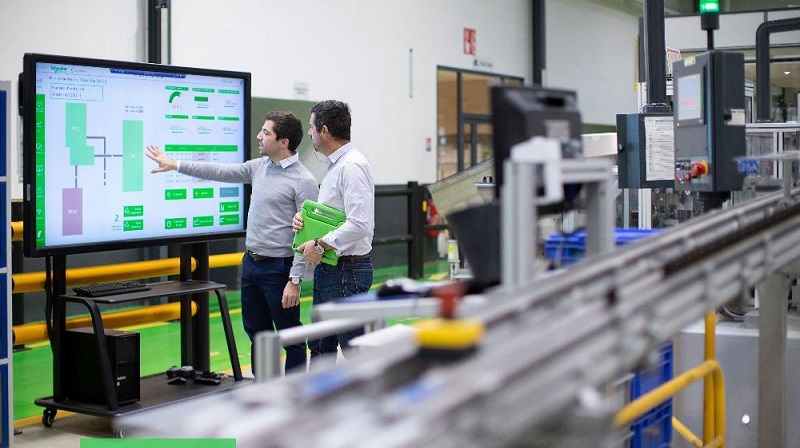
Connected automation systems provide better visibility into manufacturing processes and help optimize operations.
Energy Management
Industrial data analysis helps companies identify opportunities to reduce energy consumption.
Equipment Reliability
Predictive maintenance technologies reduce unexpected failures and improve asset performance.
Manufacturing Flexibility
Digital automation allows factories to respond faster to changing market requirements.
Operational Decision-Making
Real-time data provides managers and engineers with more accurate information.
These advantages are encouraging more companies to modernize their industrial automation infrastructure.
Future Trends of Industrial Connectivity and Automation
The future development of industrial automation will continue to focus on intelligence, connectivity and flexibility.
Several technologies are expected to shape the next generation of factories:
Artificial Intelligence Integration
AI technologies will help analyze industrial data, optimize production processes and improve automation decision-making.
5G Industrial Communication
Industrial 5G networks may provide faster and more reliable wireless communication for advanced manufacturing applications.
Digital Twin Technology
Digital twins will allow companies to simulate production processes and optimize system performance before making physical changes.
Autonomous Manufacturing
Factories will increasingly use intelligent machines capable of adapting to changing production conditions.
Sustainable Automation
Automation technologies will help companies improve energy efficiency and reduce environmental impact.
Conclusion
Industrial wireless automation and IIoT technologies are transforming the way manufacturers design and operate modern factories.
The combination of PLC systems, DCS platforms, wireless communication, edge computing and intelligent analytics is creating a new generation of connected industrial environments.
As companies continue their digital transformation journey, automation systems will become more intelligent, flexible and data-driven.
For industrial automation suppliers, engineers and manufacturers, understanding these technology trends will be essential for participating in the future development of smart manufacturing.
The evolution of industrial connectivity will continue creating new opportunities across the global PLC, DCS and automation equipment market.