Emerson Upgrades AMS 6500 ATG and AMS Machine Works for Advanced Turbomachinery Monitoring
Turbomachinery such as gas turbines, steam turbines, compressors, and other rotating equipment represents some of the most critical machinery in modern industrial facilities.
When these machines operate continuously, unexpected failures can result in production losses, equipment damage, safety risks, and expensive emergency maintenance.
Emerson has announced updates to its AMS 6500 ATG online machinery protection system and AMS Machine Works asset health monitoring software to improve visibility into the condition of critical turbomachinery.
The new versions introduce continuous data streaming, expanded analytics capabilities, programmable dashboards, and simplified connectivity. The goal is to provide engineers and operators with more complete information during complex machine operating periods, particularly startup and shutdown.
The announcement is highly relevant to process industries because turbomachinery is widely used in power generation, oil and gas, LNG, refining, petrochemicals, mining, and other energy-intensive applications.
Why Turbomachinery Monitoring Is Critical
Turbomachinery operates under demanding conditions.
Rotating components may operate at high speeds, temperatures, pressures, and loads.
Small changes in vibration, temperature, displacement, speed, or other parameters can provide important information about machine condition.
For this reason, condition monitoring has long been an essential part of turbomachinery maintenance.
Traditional protection systems focus heavily on detecting dangerous conditions.
For example, a protection system may monitor vibration and initiate protective action when predefined limits are exceeded.
This approach is essential for safety.
However, protection and asset health management have different objectives.
Protection asks:
Is the machine entering a dangerous condition?
Asset health monitoring asks:
What is happening to the machine over time, and why?
The latest Emerson updates are designed to strengthen the connection between these two areas.
AMS 6500 ATG Provides Online Protection
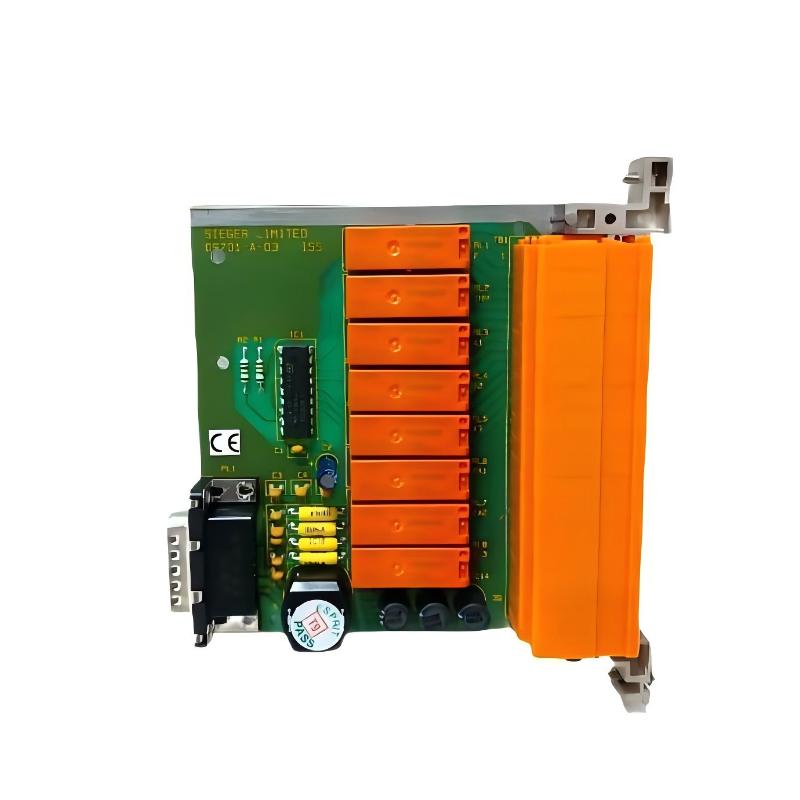
The AMS 6500 ATG is an online machinery protection system designed for high-criticality rotating equipment.
The system continuously monitors machinery parameters and can provide protection when operating conditions exceed defined limits.
For critical turbomachinery, this is an important layer of the automation architecture.
A machine failure can affect an entire production process.
For example, a compressor failure in a gas-processing facility can interrupt production.
A turbine problem can affect power generation.
A critical rotating machine in a refinery can become a major production bottleneck.
Reliable online monitoring can therefore reduce operational risk.
The Problem With Short Data Windows
One of the issues addressed by the new update is the limited duration of historical data available from some protection systems.
Traditional machinery protection systems are optimized for rapid detection and protection.
They may not always retain high-resolution information covering an entire startup or shutdown.
This can make detailed analysis difficult.
A turbomachine startup may take much longer than normal steady-state operation.
During this period, speed, vibration, temperature, pressure, and other variables can change rapidly.
The same is true during shutdown.
A problem that only appears during startup may not be visible in steady-state operating data.
Continuous Data Streaming Changes the Analysis Model
Emerson's latest update enables continuous, unlimited machine data transmission from the protection system into the analytics platform.
This means engineers can analyze complete startup and shutdown cycles rather than relying on short snapshots.
That creates a more complete picture of machine behavior.
For example, an engineer may be able to examine how vibration changes as speed increases.
Temperature trends can be correlated with operating conditions.
Different machine parameters can be compared across multiple startup cycles.
This type of historical analysis can help identify abnormal behavior before it becomes a serious problem.
Why Startup and Shutdown Are Important
Startup and shutdown are among the most complex operating periods for turbomachinery.
During startup, machines transition from stationary conditions to operating speed.
Temperature and pressure conditions change.
Lubrication systems become active.
Control systems change operating modes.
The machine passes through different speed ranges.
Vibration characteristics can change as a function of speed.
Shutdown involves a similar transition in reverse.
Because these periods are dynamic, a problem may only appear temporarily.
Continuous monitoring therefore provides valuable engineering information.
Connecting Protection With Asset Health
The combination of AMS 6500 ATG and AMS Machine Works creates a broader asset-management architecture.
The protection system collects high-value machinery information.
The asset-health software provides tools for analyzing that information.
This is an example of a growing trend in industrial automation.
Protection systems are increasingly being connected with higher-level analytics.
Historically, protection systems and maintenance systems could operate separately.
Today, customers increasingly want the same operational data to support both immediate protection and long-term asset management.
Advanced Trending
Trending is one of the most useful functions for maintenance engineers.
A single measurement may not reveal much.
A trend over time can be much more informative.
For example, vibration that remains constant may indicate stable machine operation.
A gradual increase may indicate developing deterioration.
A sudden change could indicate an abnormal event.
The ability to examine trends over longer periods therefore supports condition-based maintenance.
Emerson's updated software is designed to provide deeper trending and analytics across machine operating cycles.
Programmable Dashboards
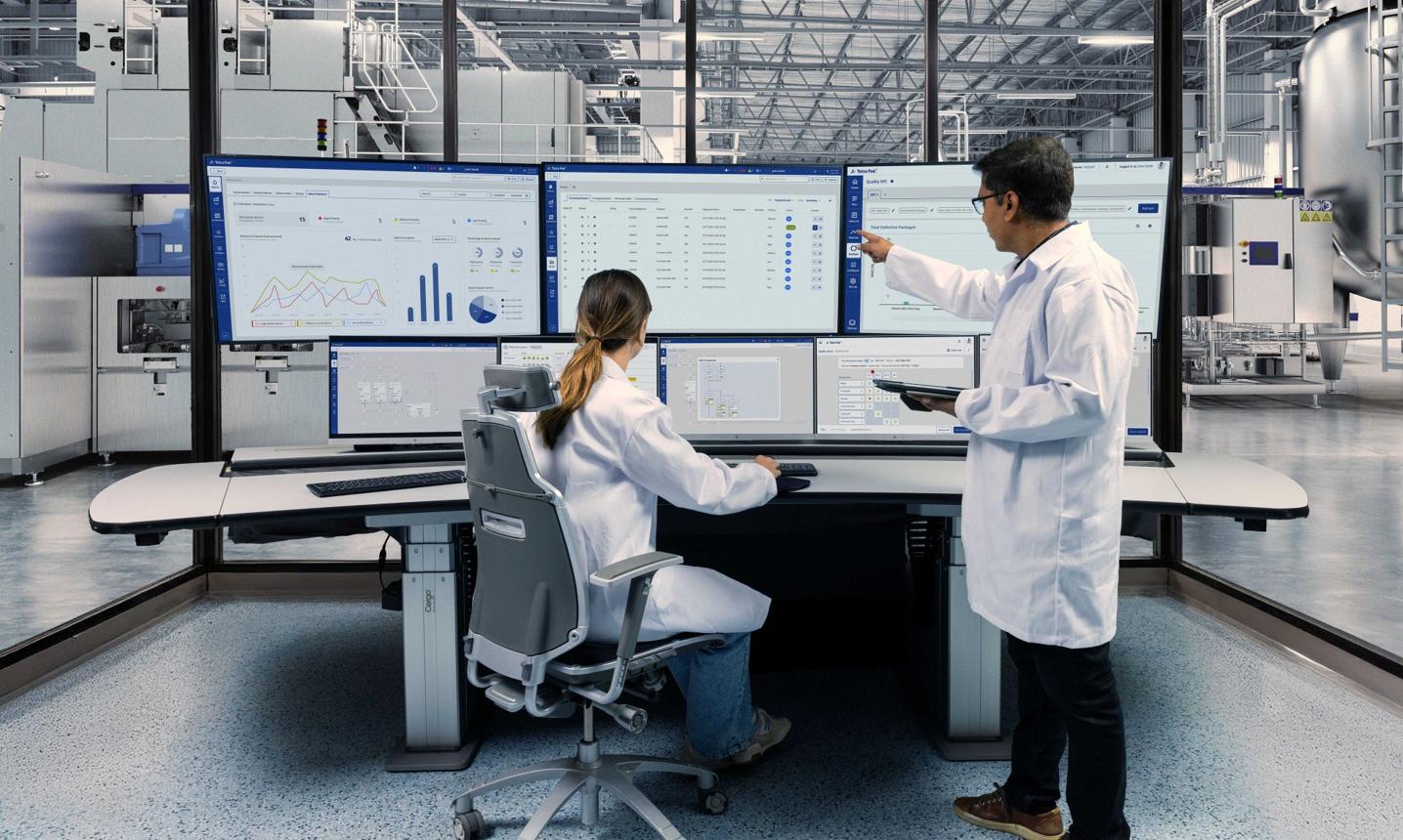
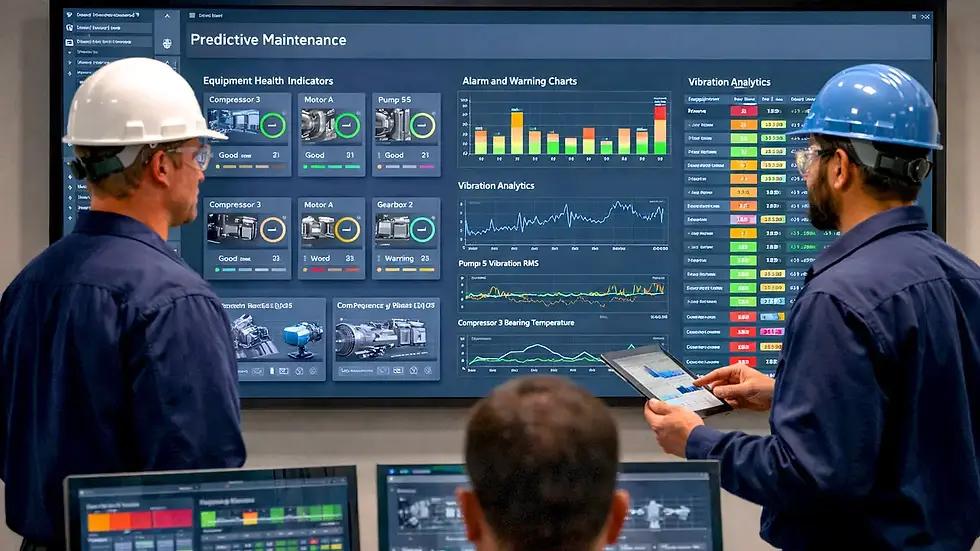
The updated AMS Machine Works software also introduces programmable dashboards.
Operators and engineers can configure dashboard views according to their requirements.
This is important because different users need different information.
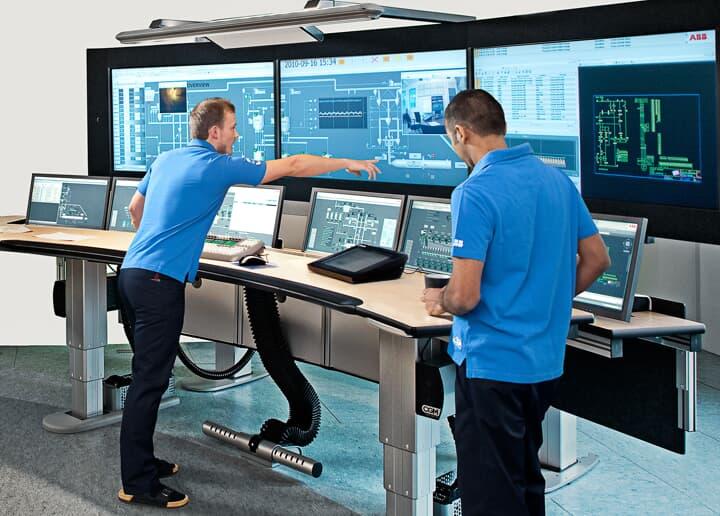
A control-room operator may need a simple overview of machine status.
A reliability engineer may need detailed vibration trends.
A maintenance engineer may need historical information and alarm events.
A plant manager may need a higher-level asset health summary.
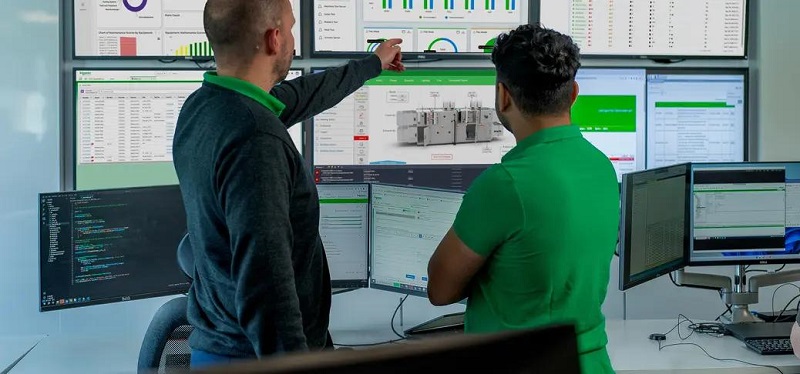
A configurable dashboard allows the same underlying data to be presented differently to different users.
Moving Toward Web-Based Industrial Monitoring
The latest platform also provides dashboard access through a web browser.
This reflects a broader trend in industrial software.
Web-based interfaces can simplify access to operational information across different workstations.
However, industrial users still need strong cybersecurity controls.
Web-based access should not be interpreted as unrestricted network access.
Authentication, authorization, network segmentation, secure communication, and access policies remain essential.
The value of web technology is flexibility, not reduced security.
Simplified Connectivity
The updated system also introduces simplified connectivity that is less dependent on traditional Modbus communication.
This can reduce integration complexity in certain installations.
For system integrators, communication architecture is an important consideration.
A modern industrial plant can contain multiple networks and protocols.
Controllers, protection systems, PLCs, DCS platforms, historians, asset-management systems, and enterprise applications may all need to exchange information.
Reducing unnecessary protocol dependencies can make the architecture easier to maintain.
Applications Across Process Industries
The technology is relevant to many industrial sectors.
Power Generation
Gas and steam turbines are essential assets in many power plants.
Continuous monitoring can help operators understand turbine condition and identify abnormal behavior.
Oil and Gas
Compressors, pumps, turbines, and other rotating equipment are widely used in upstream, midstream, and downstream facilities.
A machinery failure can have major operational consequences.
LNG
LNG facilities rely heavily on large compressors and turbomachinery.
Monitoring these machines is therefore a major part of plant reliability.
Refining and Petrochemicals
Refineries contain many critical rotating assets.
Condition monitoring can help support predictive maintenance strategies.
Mining
Large compressors, turbines, and other rotating equipment are used throughout mining and mineral-processing operations.
The same principles apply.
Predictive Maintenance Benefits
Long-term machine data can support predictive maintenance.
Instead of waiting for a machine to exceed a protection threshold, engineers can look for changes in behavior.
For example:
- Increasing vibration
- Changing vibration patterns
- Rising bearing temperature
- Unusual startup behavior
- Longer acceleration time
- Changes in operating efficiency
- Repeated alarm events
These indicators may help maintenance teams investigate a problem before a major failure occurs.
Predictive maintenance does not eliminate the need for traditional maintenance.
Instead, it helps maintenance teams make better decisions about when and where to focus resources.
Integration With DCS and PLC Systems
Turbomachinery protection is normally part of a larger industrial automation environment.
The machine may be controlled by a DCS or PLC.
The protection system operates as an additional layer.
The DCS handles process control.
The protection system monitors critical machinery conditions.
The asset-health platform analyzes historical data.
This layered architecture is important because the protection function should not depend entirely on an analytics platform.
Critical protection must remain deterministic.
Analytics can provide additional insight without replacing the fundamental protection layer.
Cybersecurity Is Part of the Modern Architecture
As machinery data becomes increasingly connected, cybersecurity becomes more important.
Protection systems contain sensitive operational information.
Connections to analytics platforms create additional communication paths.
Industrial organizations therefore need to carefully control access.
Secure network architecture, authentication, software updates, monitoring, and proper segmentation are important considerations.
The goal is to increase visibility without creating unnecessary exposure.
The Future of Asset Health Monitoring
The industrial market is moving toward continuous asset health management.
The traditional approach was periodic inspection.
A technician might inspect a machine during scheduled maintenance.
Modern digital systems can continuously collect information.
This changes the maintenance philosophy.
Instead of asking whether the machine passed its last inspection, engineers can increasingly ask how the machine's condition has changed over time.
This provides a much richer basis for decision-making.