Schneider Electric Introduces Software-Defined DCS to Transform Future Industrial Automation
Schneider Electric Advances Process Automation With Open Software-Defined Distributed Control System
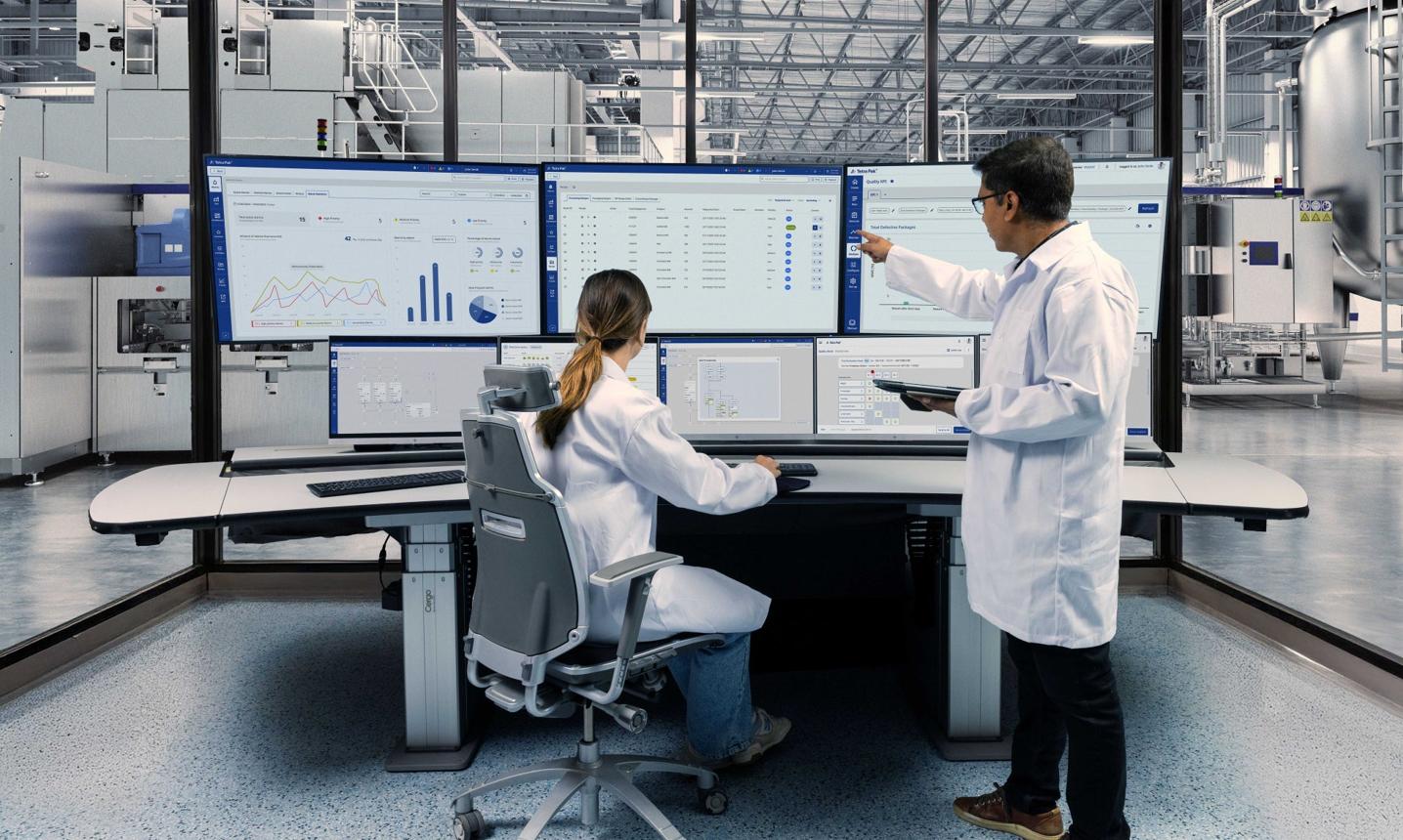
Schneider Electric has introduced a new generation of distributed control system technology designed to help process industries modernize their automation infrastructure through open architecture, software flexibility and advanced digital capabilities.
The new EcoStruxure Foxboro Software Defined Automation platform represents a significant development direction for industrial control systems by combining traditional DCS reliability with modern software-defined concepts.
For decades, distributed control systems have been the foundation of industries such as oil and gas, chemicals, pharmaceuticals, power generation and water treatment. These systems provide real-time monitoring, process regulation and operational coordination for some of the world's most critical industrial facilities.
However, industrial requirements are changing rapidly.
Manufacturers are now looking for automation systems that can integrate artificial intelligence, cloud platforms, industrial analytics, cybersecurity technologies and flexible computing environments while maintaining the stability required for continuous production.
The emergence of software-defined automation represents a response to these changing requirements.
The Evolution of Traditional DCS Architecture
Traditional DCS platforms were designed around dedicated hardware architectures.
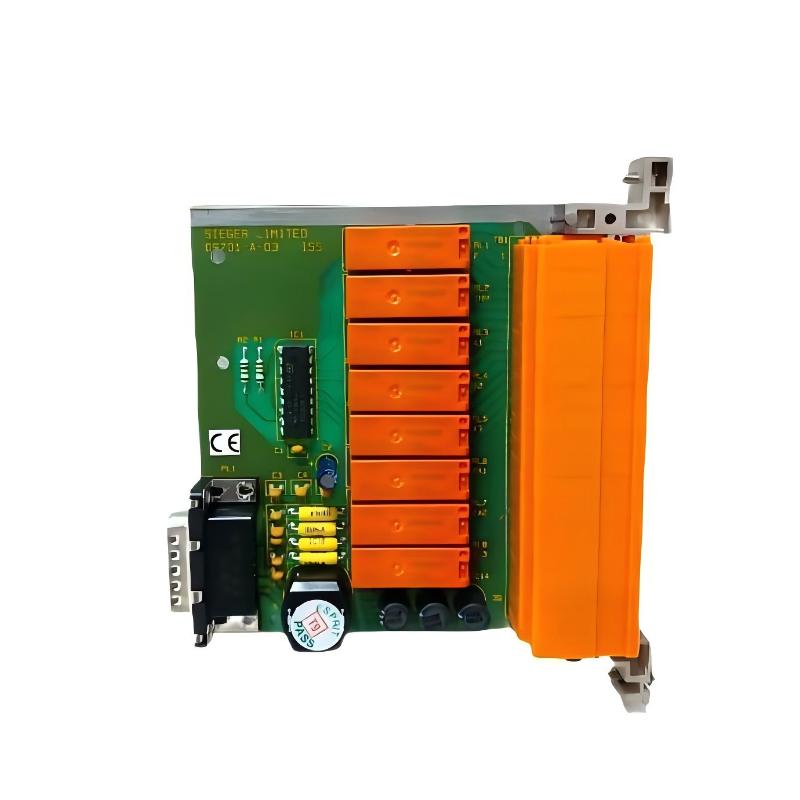
A typical process automation system includes controllers, I/O modules, operator stations, engineering workstations and communication networks.
These components are usually tightly integrated and optimized for specific applications.
This architecture has provided decades of reliable industrial operation.
However, modern factories face new challenges.
Production environments are becoming more connected. Companies need faster engineering processes, easier system expansion and stronger integration between operational technology and information technology.
A conventional automation architecture may require significant engineering effort when adding new applications or integrating new digital technologies.
Software-defined automation introduces a different approach.
Instead of depending entirely on fixed hardware structures, software functions can become more independent from the underlying computing infrastructure.
This provides greater flexibility for industrial organizations.
Open Architecture Becomes a Key Requirement
One of the major trends in industrial automation is the move toward open systems.
Historically, many industrial control platforms were based on proprietary architectures.
While proprietary systems provided strong reliability and optimized performance, customers sometimes faced challenges when integrating third-party technologies.
Modern industrial facilities require communication between many different systems:
- PLC controllers
- DCS platforms
- SCADA systems
- MES software
- ERP systems
- Industrial databases
- Cloud platforms
- Artificial intelligence applications
An open automation architecture can make these connections easier.
Schneider Electric's software-defined automation approach focuses on openness, allowing industrial customers to create more flexible automation environments.
For system integrators, this can provide more options when designing future production systems.
Software-Defined Automation and Industrial Digital Transformation
Digital transformation has become a major priority across manufacturing industries.
However, successful digital transformation requires more than installing new software.
The foundation must be reliable industrial data.
A modern factory generates enormous amounts of information from sensors, controllers, machines and production processes.
The challenge is transforming this information into useful operational knowledge.
Software-defined automation can help by creating a more flexible environment where control functions, analytics applications and digital services can work together.
For example, a process plant may use traditional control loops for stable operation while simultaneously applying advanced analytics to optimize energy consumption or predict equipment problems.
The control system remains responsible for deterministic operation, while digital applications provide additional intelligence.
Cybersecurity Becomes Central to Industrial Control Systems
As automation systems become more connected, cybersecurity becomes increasingly important.
Modern DCS platforms are no longer isolated systems.
They communicate with enterprise networks, remote monitoring platforms and digital applications.
This connectivity provides significant benefits but also creates additional security requirements.
Industrial organizations must consider:
- Network segmentation
- User authentication
- Access control
- Secure communication
- Software updates
- System monitoring
Schneider Electric has emphasized cybersecurity as a core element of its software-defined automation strategy.
For process industries, cybersecurity is no longer only an IT concern.
It has become an essential part of automation engineering.
A compromised control system could affect production availability, product quality and operational safety.
Impact on PLC and DCS Engineers
The development of software-defined DCS technology does not mean traditional PLC and DCS systems will disappear.
Instead, automation architectures are becoming more integrated.
PLCs remain essential for machine control, packaging systems, motion applications and discrete manufacturing.
DCS platforms remain critical for continuous processes requiring advanced control strategies.
The future industrial environment will likely combine multiple automation technologies.
For example:
- PLCs control equipment-level operations
- DCS manages process control
- Edge computers perform local analytics
- AI systems optimize production decisions
- Cloud platforms support enterprise analysis
The key challenge is creating communication and information structures that allow these technologies to operate together.
Flexible Engineering and Faster Deployment
One advantage of software-defined automation is the potential reduction of engineering effort.
Traditional automation projects often require extensive hardware planning.
Engineers need to define controllers, cabinets, networks and system configurations before deployment.
Software-based approaches can provide more flexibility.
Applications and functions can potentially be developed, tested and deployed in more agile ways.
This is particularly valuable for industries where production requirements change frequently.
Examples include:
- Pharmaceutical manufacturing
- Battery production
- Semiconductor manufacturing
- Specialty chemicals
- Renewable energy systems
These industries often require frequent process adjustments.
A flexible automation platform can help manufacturers respond faster.
Supporting Brownfield Modernization Projects
Many industrial facilities are not building completely new factories.
Instead, they are upgrading existing plants.
These brownfield modernization projects present unique challenges.
Companies need to improve automation capabilities while minimizing production interruptions.
Replacing an entire DCS system can be expensive and time-consuming.
Software-defined automation provides another possible pathway.
Organizations can gradually introduce new digital capabilities while maintaining existing production infrastructure.
This approach allows companies to modernize step by step.
For example, a plant may first improve data connectivity, then introduce analytics, and later upgrade specific control functions.
Industrial Data Becomes a Strategic Asset
Modern manufacturing increasingly depends on data.
However, collecting data alone does not create value.
The information must be structured, analyzed and connected to business decisions.
A software-defined automation system can help create a stronger connection between process operations and digital applications.
Examples include:
Predictive Maintenance
Machine data can be analyzed to identify early signs of equipment problems.
Energy Optimization
Production data can be used to reduce energy consumption.
Process Optimization
Advanced analytics can identify opportunities to improve efficiency.
Quality Improvement
Production information can help detect process variations.
These applications require reliable automation data as their foundation.
The Future of Process Automation
The introduction of software-defined DCS technology reflects a broader transformation happening throughout industrial automation.
The future factory will not be defined only by individual controllers or machines.
Instead, it will be defined by how effectively automation systems, software platforms, industrial networks and intelligent applications work together.
Process industries require systems that provide both reliability and flexibility.
They need the proven stability of traditional DCS platforms while also gaining the adaptability of modern software architectures.
This balance will become increasingly important as industries adopt artificial intelligence, digital twins and advanced analytics.