Rockwell Automation Accelerates Smart Manufacturing With Industrial AI and Connected Automation Technologies
Rockwell Automation Expands Intelligent Manufacturing Strategy Through AI, IIoT and Advanced Industrial Software
Rockwell Automation is continuing to advance smart manufacturing by combining industrial automation, artificial intelligence, industrial Internet of Things (IIoT) technologies and digital manufacturing software to help companies improve productivity, efficiency and operational visibility.
Manufacturers worldwide are facing increasing pressure to produce higher-quality products while reducing costs, improving energy efficiency and responding faster to changing market demands.
Traditional automation systems have already transformed industrial production by providing reliable control through PLCs, HMIs and industrial networks.
However, the next stage of manufacturing development requires more than automatic operation.
Factories are increasingly becoming intelligent environments where machines, production systems and software platforms work together to support faster decision-making.
Rockwell Automation’s smart manufacturing strategy reflects this industry shift.
The company continues developing solutions that connect machine-level automation with enterprise-level digital intelligence.
The Evolution From Automated Factories to Intelligent Factories
Automation has traditionally focused on replacing manual operations with programmed control.
A PLC executes logic.
A motor starts or stops.
A sensor provides feedback.
A machine performs a defined sequence.
This approach remains fundamental to modern manufacturing.
However, today's manufacturers require additional capabilities.
Companies want to understand:
- Why production efficiency changes
- When equipment may fail
- How energy consumption can be reduced
- How product quality can improve
- How production can adapt quickly
These questions require data.
Modern smart factories therefore combine automation systems with digital technologies that analyze operational information.
The result is a transition from automated manufacturing toward intelligent manufacturing.
PLC Systems Remain the Foundation of Smart Manufacturing
Although industrial AI and digital technologies receive significant attention, PLC systems remain one of the most important foundations of modern factories.
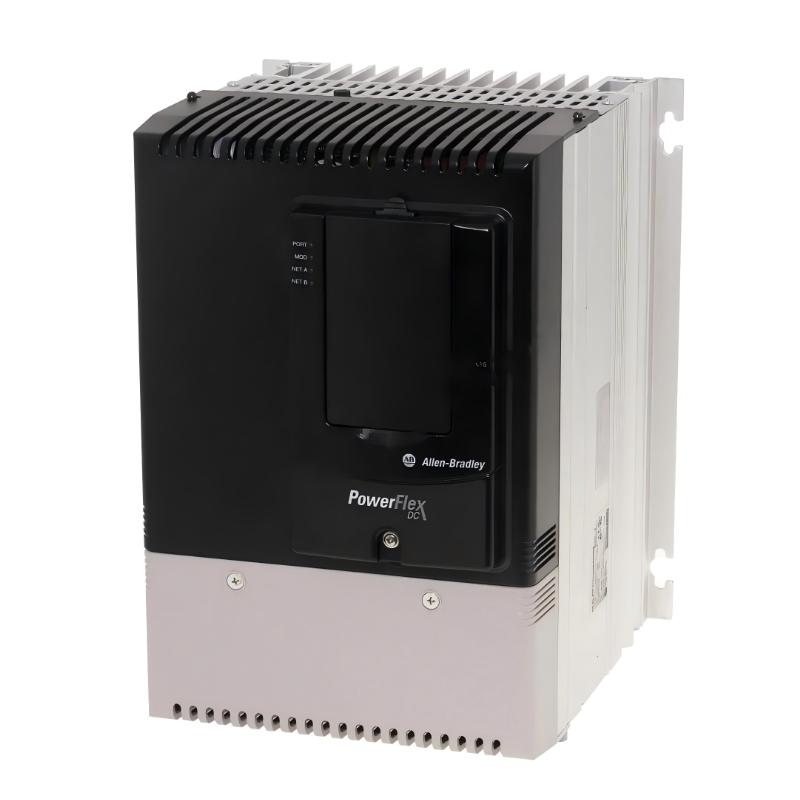
Allen-Bradley PLC platforms from Rockwell Automation continue to provide machine control for industries worldwide.
A PLC provides:
- Deterministic control
- Real-time processing
- Equipment coordination
- Industrial communication
- Reliable operation
Without reliable control systems, advanced digital applications cannot function effectively.
Artificial intelligence requires accurate operational data.
That data originates from physical equipment controlled by automation systems.
Therefore, the future smart factory is not replacing PLC technology.
Instead, it is building additional intelligence around existing automation infrastructure.
Industrial AI Creates New Opportunities for Manufacturing Optimization
Artificial intelligence is becoming increasingly important in industrial environments.
Unlike traditional automation logic, AI systems can analyze large amounts of information and identify patterns.
Manufacturers are exploring AI applications in areas such as:
Predictive Maintenance
AI algorithms can analyze equipment behavior to identify early warning signs of potential failures.
For example:
- Increasing motor vibration
- Abnormal temperature changes
- Changing energy consumption patterns
These indicators may help maintenance teams investigate problems before unexpected downtime occurs.
Quality Inspection
AI-powered vision systems can analyze products during production.
They can identify defects, inconsistencies and quality issues faster than manual inspection methods.
This is especially valuable in industries requiring extremely high quality standards.
Production Optimization
AI can analyze production information to identify opportunities for improving:
- Machine utilization
- Production speed
- Energy efficiency
- Material usage
The goal is not to replace operators and engineers.
Instead, AI provides additional information to support better decisions.
FactoryTalk Platform Supports Connected Manufacturing
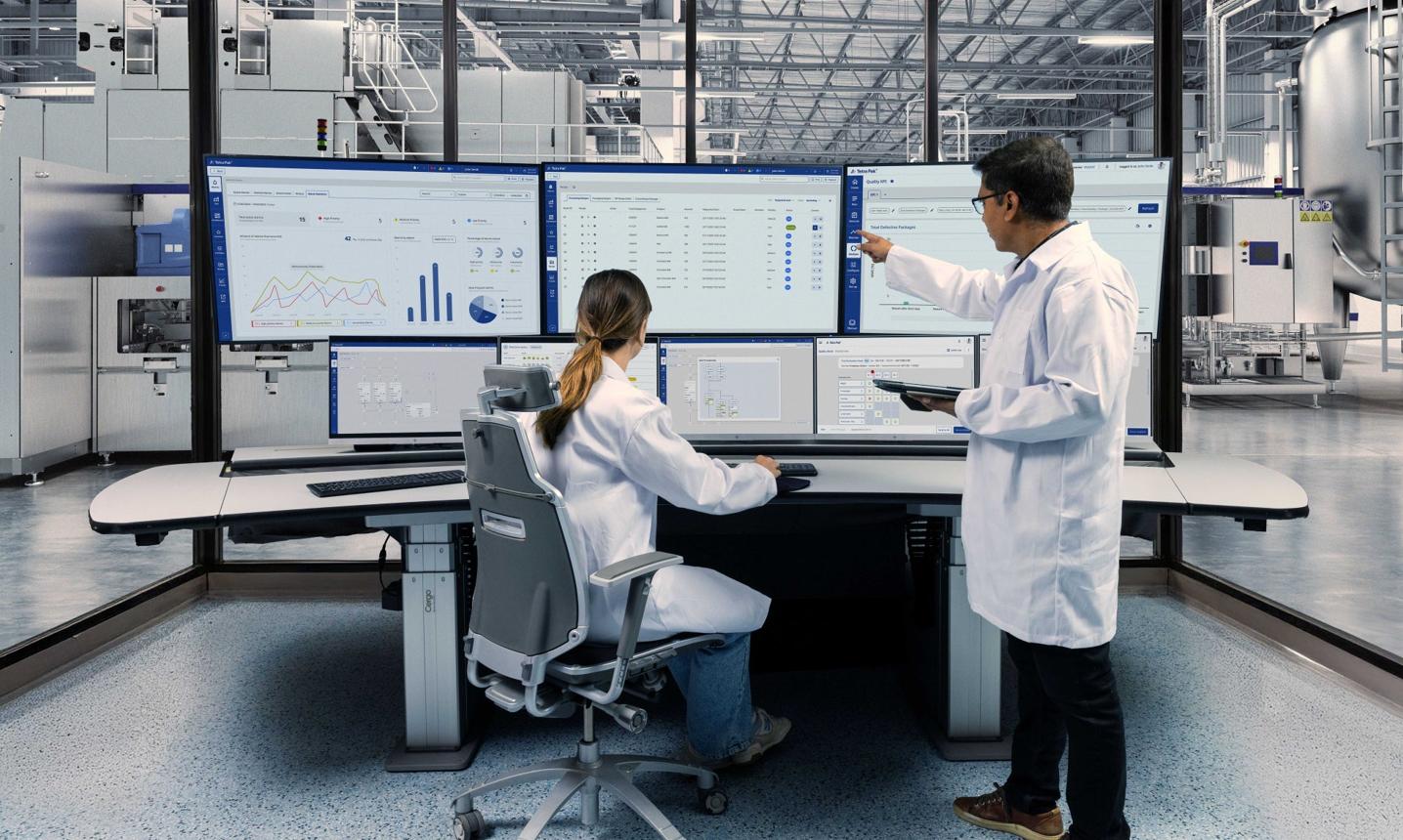
Digital manufacturing requires software platforms capable of collecting and organizing industrial information.
Rockwell Automation’s FactoryTalk ecosystem provides tools for visualization, production management, analytics and industrial information management.
A modern manufacturing environment may include:
- PLC controllers
- HMI systems
- SCADA platforms
- MES software
- Industrial databases
- Analytics applications
Connecting these systems creates greater visibility across production operations.
For example, production managers can understand not only whether a machine is running but also:
- Production output
- Quality performance
- Downtime reasons
- Maintenance conditions
- Energy consumption
This broader understanding helps companies improve operational decisions.
Industrial IoT Connects Machines and Data
Industrial Internet of Things technology has become a major component of smart manufacturing.
Traditional automation systems were primarily designed for control.
IIoT expands their role by creating additional data connections.
Sensors and connected devices can provide information about equipment conditions and production processes.
This data can then be analyzed through industrial software platforms.
Examples of IIoT applications include:
- Remote equipment monitoring
- Energy management
- Asset performance tracking
- Production analytics
- Maintenance optimization
For manufacturers with multiple facilities, IIoT can provide visibility across different locations.
The Importance of Edge Computing in Industrial Automation
While cloud technology provides powerful data processing capabilities, many industrial applications require immediate responses.
This is where edge computing becomes important.
Edge computing processes information closer to the machine.
Benefits include:
- Faster response times
- Reduced network traffic
- Improved operational reliability
- Local decision-making
For example, a machine vision system may need to identify a product defect instantly.
Sending all information to a distant cloud platform may introduce unnecessary delay.
An edge computing system can analyze information locally and provide immediate feedback.
Smart Manufacturing Requires Strong Industrial Networks
As factories become more connected, industrial communication becomes increasingly important.
Modern manufacturing systems rely on networks connecting:
- PLCs
- Drives
- Robots
- Sensors
- Industrial computers
- Safety systems
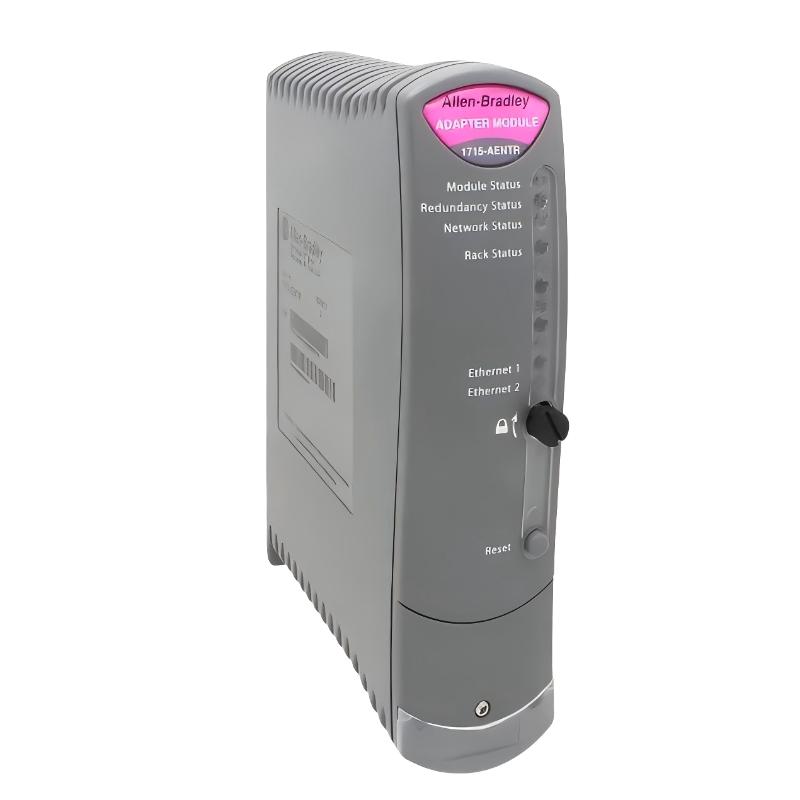
A reliable network ensures that information moves correctly between different automation layers.
Industrial networking also affects cybersecurity.
More connections create more opportunities for unauthorized access if systems are not properly protected.
Therefore, network design and cybersecurity must become part of every smart manufacturing project.
Cybersecurity Becomes a Manufacturing Priority
Smart factories depend on connectivity.
However, increased connectivity also introduces cybersecurity challenges.
Manufacturers must protect:
- Control systems
- Production data
- Industrial networks
- Remote access connections
Industrial cybersecurity strategies typically include:
- Network segmentation
- User authentication
- Access management
- Security monitoring
- Regular system updates
For PLC and automation engineers, cybersecurity knowledge is becoming an increasingly important skill.
The modern automation engineer must understand not only control logic but also how industrial systems communicate securely.
Digital Twins Improve Engineering and Production Planning
Digital twin technology is another important development in smart manufacturing.
A digital twin creates a virtual representation of physical equipment or production systems.
Manufacturers can use digital twins for:
- Equipment simulation
- Process optimization
- Virtual commissioning
- Production planning
Before making physical changes, engineers can evaluate potential results in a digital environment.
This can reduce commissioning time and improve engineering efficiency.
For complex manufacturing systems involving robots, conveyors and multiple automation platforms, digital twins provide valuable testing capabilities.
Supporting Workforce Transformation
Smart manufacturing does not eliminate the need for skilled engineers.
Instead, it changes the skills required.
Modern automation professionals increasingly need knowledge in:
- PLC programming
- Industrial networking
- Data analysis
- Cybersecurity
- Robotics
- Digital manufacturing software
Manufacturing organizations are investing in workforce development because advanced technology requires people who understand both physical processes and digital systems.
The successful factory of the future will combine human expertise with intelligent automation tools.
Benefits of Intelligent Automation for Manufacturers
The integration of PLC systems, industrial software and AI technologies provides several advantages.
Higher Production Efficiency
Data analysis can identify production bottlenecks and optimization opportunities.
Reduced Downtime
Predictive maintenance helps identify equipment problems earlier.
Improved Quality
Digital monitoring supports more consistent production.
Better Energy Management
Manufacturers can analyze energy consumption and reduce waste.
Faster Decision-Making
Real-time information improves operational response.
These benefits explain why smart manufacturing continues expanding globally.
Smart Manufacturing in Different Industries
Industrial AI and connected automation technologies are being adopted across many sectors.
Examples include:
Automotive Manufacturing
Used for robotics, assembly lines and quality control.
Semiconductor Production
Used for precision processes and environmental monitoring.
Food and Beverage
Used for production tracking and quality management.
Pharmaceutical Manufacturing
Used for process control and compliance.
Energy Industries
Used for equipment monitoring and optimization.
Each industry has different requirements, but the underlying need is similar: better control, better data and better decisions.
The Future of Industrial Automation
The future of manufacturing will not be defined by automation alone.
Instead, it will be defined by intelligent automation.
Factories will increasingly combine:
- PLC control systems
- Industrial networks
- Robotics
- AI analytics
- Cloud platforms
- Edge computing
- Digital twins
The challenge will be creating systems that remain reliable while becoming more intelligent.
Industrial customers will continue demanding solutions that improve productivity without sacrificing safety and operational stability.