Rockwell Automation Expands Smart Manufacturing Solutions With FactoryTalk Platform and Connected PLC Automation
Rockwell Automation Advances Digital Factory Transformation Through Industrial Software, PLC Systems and Data-Driven Manufacturing
Rockwell Automation is continuing to expand its smart manufacturing technologies as global industries accelerate digital transformation and seek more intelligent, connected and efficient production environments.
Manufacturing companies today are facing increasing operational challenges.
They need to improve productivity while maintaining product quality, reducing downtime and controlling operational costs.
At the same time, factories are becoming more complex.
Modern production environments include thousands of connected devices, automated machines, industrial robots, sensors and control systems.
The amount of industrial data generated by these systems continues to increase.
However, collecting data is only the first step.
Manufacturers need advanced solutions that can transform production information into meaningful insights.
Rockwell Automation is focusing on combining PLC-based control systems, industrial software, manufacturing execution systems and data analytics technologies to support the development of smart factories.
Smart Manufacturing Requires Integration Between Automation and Software
Traditional manufacturing systems mainly focused on machine operation.
A PLC controlled equipment.
A sensor provided feedback.
A motor or actuator performed physical actions.
This approach created reliable automated production.
However, modern factories require more than automatic operation.
Manufacturers now need to understand:
- Why production efficiency changes
- Which equipment affects output
- Where quality problems occur
- How energy consumption can be reduced
- When maintenance should be performed
These requirements have increased the importance of industrial software.
Smart manufacturing connects physical automation equipment with digital information systems.
The combination of control technology and software creates a more transparent and intelligent production environment.
PLC Systems Remain the Foundation of Connected Factories
Although digital technologies continue developing, PLC systems remain one of the most important components of industrial automation.
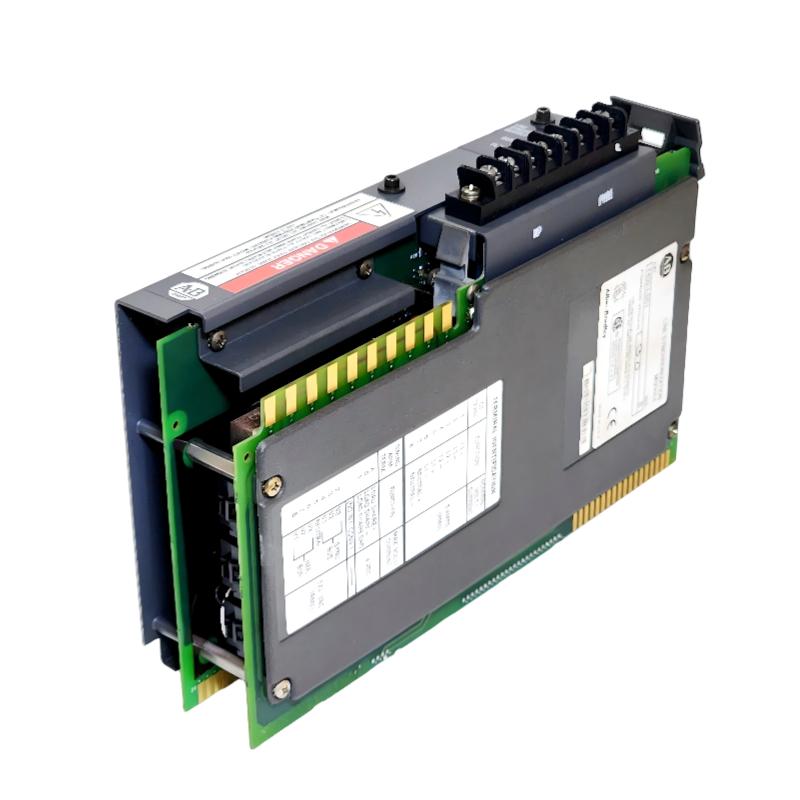
Allen-Bradley PLC platforms are widely used in manufacturing applications because they provide reliable machine control.
PLC systems manage:
- Machine sequences
- Digital signals
- Analog processes
- Motion coordination
- Safety functions
- Industrial communication
In a smart factory environment, PLC systems provide real-time operational data.
This data becomes the foundation for advanced applications such as:
- Production analysis
- Predictive maintenance
- Equipment optimization
- Energy monitoring
The future of manufacturing is not replacing PLC technology.
Instead, PLC systems are becoming more connected and intelligent.
FactoryTalk Supports Manufacturing Data Integration
Modern factories often contain multiple automation systems.
A typical production facility may include:
- PLC controllers
- HMIs
- SCADA systems
- Robots
- Sensors
- Drives
- MES software
- Enterprise platforms
Without proper integration, valuable production information remains separated.
Industrial software platforms help connect these different systems.
Manufacturers can gain better visibility into:
- Production performance
- Equipment status
- Quality information
- Maintenance conditions
This allows companies to make faster and more accurate operational decisions.
Manufacturing Execution Systems Improve Production Management
MES technology plays an important role in smart manufacturing.
While PLC systems control machines, MES platforms focus on production management.
MES solutions can help manufacturers monitor:
- Production schedules
- Material usage
- Product tracking
- Quality information
- Manufacturing performance
The connection between automation systems and MES creates a bridge between factory operations and business management.
This allows companies to understand production conditions in real time.
Industrial Data Analytics Creates New Optimization Opportunities
Modern factories produce large amounts of operational data.
Examples include:
- Machine operating times
- Production rates
- Alarm information
- Energy consumption
- Quality measurements
Advanced analytics can analyze this information and identify improvement opportunities.
Applications include:
Production Optimization
Analyzing bottlenecks and improving manufacturing efficiency.
Equipment Performance Monitoring
Understanding machine conditions and operational trends.
Quality Improvement
Identifying factors that influence product consistency.
Energy Management
Finding opportunities to reduce unnecessary energy consumption.
Data-driven manufacturing allows companies to continuously improve operations.
Predictive Maintenance Helps Reduce Equipment Downtime
Unexpected equipment failures can create significant production losses.
Traditional maintenance methods often depend on fixed schedules.
However, equipment conditions can change depending on workload and environment.
Predictive maintenance uses operational data to identify potential problems.
Important indicators include:
- Motor vibration
- Temperature changes
- Electrical conditions
- Operating cycles
- Machine performance changes
By detecting abnormal conditions earlier, maintenance teams can plan repairs more effectively.
This improves equipment reliability and reduces production interruptions.
Industrial IoT Connects Machines and Production Data
Industrial Internet of Things technology is becoming a key part of smart manufacturing.
Connected devices allow manufacturers to collect information from production equipment.
Applications include:
- Remote monitoring
- Asset tracking
- Production analysis
- Energy management
- Equipment diagnostics
IIoT technology creates greater transparency throughout manufacturing operations.
Engineers can understand factory conditions without manually checking every machine.
Edge Computing Supports Real-Time Automation Applications
Although cloud platforms provide powerful computing capabilities, industrial applications often require fast responses.
Edge computing allows data processing closer to production equipment.
Benefits include:
- Faster response time
- Reduced network traffic
- Improved reliability
- Local decision-making
For example, a quality inspection system may need to identify production problems immediately.
Edge computing allows analysis to happen near the machine.
Artificial Intelligence Improves Smart Manufacturing
Artificial intelligence is becoming increasingly important in industrial environments.
AI applications can support:
- Quality inspection
- Production optimization
- Equipment monitoring
- Process analysis
For example, AI-based systems can analyze patterns within production data and identify relationships that may not be obvious.
This provides engineers with additional information for improving operations.
Cybersecurity Becomes Critical for Connected Factories
As factories become more connected, cybersecurity becomes increasingly important.
Modern automation environments include communication between:
- PLC systems
- Industrial networks
- Software platforms
- Remote monitoring tools
Manufacturers must protect:
- Control programs
- Production data
- Network access
- Industrial systems
Cybersecurity is becoming a standard requirement for modern automation projects.
Supporting Flexible Manufacturing
Manufacturers are facing increasing demand for customized products.
Flexible automation allows factories to adapt more quickly.
Modern automation systems support flexibility through:
- Programmable control systems
- Modular equipment
- Connected software
- Advanced robotics
This allows companies to adjust production processes without major equipment changes.
The Changing Role of Automation Engineers
Smart manufacturing is changing the skills required by industrial professionals.
Traditional expertise remains essential:
- PLC programming
- Electrical engineering
- Machine control
- Industrial networking
However, engineers increasingly need knowledge of:
- Industrial software
- Data analysis
- Cybersecurity
- Digital manufacturing
The future automation engineer will combine control expertise with digital technology skills.
Future Development of Smart Manufacturing
The next generation of factories will continue integrating:
- PLC automation
- Industrial software
- Artificial intelligence
- Robotics
- Digital twins
- Industrial IoT
The goal is to create production systems that are more efficient, flexible and intelligent.
Manufacturers will increasingly rely on connected automation systems to improve competitiveness.