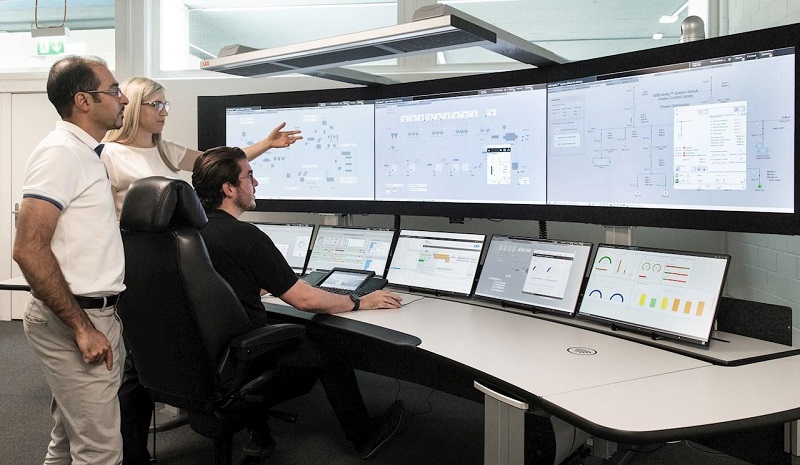
Yokogawa Advances Process Automation With Intelligent DCS Technology and Digital Transformation Solutions
Yokogawa Strengthens Industrial Control Systems Through Advanced DCS, Process Analytics and Smart Operations
Yokogawa is continuing to develop advanced process automation technologies as global industries accelerate digital transformation and search for more reliable, efficient and intelligent production methods.
Process industries operate some of the most complex manufacturing environments in the world.
Facilities such as:
- Chemical plants
- Oil and gas facilities
- Power generation plants
- Pharmaceutical factories
- Water treatment systems
- Semiconductor manufacturing facilities
require continuous operation, precise control and high levels of reliability.
For decades, distributed control systems (DCS) have provided the foundation for these industries by managing complex processes and maintaining stable production conditions.
However, modern industrial requirements are changing.
Companies are now seeking automation systems that provide not only process control but also advanced analytics, operational optimization and digital intelligence.
Yokogawa is focusing on combining traditional process control expertise with digital technologies to support the next generation of smart industrial operations.
The Important Role of DCS Technology in Process Industries
Distributed control systems remain one of the most important technologies in process automation.
Unlike discrete manufacturing environments that often rely heavily on PLC systems, process industries require continuous monitoring and control of complex operations.
A DCS system manages:
- Temperature control
- Pressure regulation
- Flow management
- Chemical reactions
- Energy distribution
- Production stability
The main objective is maintaining safe and efficient operation.
A modern process plant may contain thousands of measurement points and control loops.
Without a reliable DCS platform, maintaining stable production would be extremely challenging.
The Evolution From Traditional Control to Intelligent Operations
Traditional DCS systems were mainly designed for monitoring and controlling industrial processes.
Modern factories require additional capabilities.
Manufacturers increasingly need:
- Real-time operational analysis
- Faster troubleshooting
- Better equipment visibility
- Improved energy management
- Production optimization
This has changed the role of automation systems.
A modern DCS platform is becoming part of a larger digital ecosystem.
It connects:
- Field instruments
- Control systems
- Industrial networks
- Data platforms
- Engineering tools
- Enterprise applications
This creates a stronger connection between production operations and business decisions.
Advanced Process Control Improves Manufacturing Efficiency
Advanced Process Control (APC) is becoming increasingly important in modern industries.
Traditional control strategies often rely on predefined parameters.
Advanced control technologies use more sophisticated methods to optimize production conditions.
Applications include:
- Reducing process variation
- Improving product consistency
- Increasing production efficiency
- Reducing energy consumption
For example, in chemical manufacturing, small improvements in process control can significantly improve product quality and reduce material waste.
Advanced process control allows manufacturers to operate closer to optimal conditions.
Industrial Data Creates New Opportunities for Optimization
Modern process plants generate enormous amounts of operational data.
Sources include:
- Sensors
- Controllers
- Field devices
- Historical production records
- Maintenance information
However, data only creates value when it can support decision-making.
Industrial analytics can help engineers understand:
- Equipment performance
- Process trends
- Production efficiency
- Energy usage
- Potential operational problems
By using data more effectively, companies can continuously improve production processes.
Predictive Maintenance Supports Equipment Reliability
Equipment reliability is critical for process industries.
Unexpected failures can lead to:
- Production shutdowns
- Increased maintenance costs
- Safety concerns
- Reduced efficiency
Predictive maintenance uses operational information to identify possible equipment issues before failure occurs.
Important monitoring data may include:
- Vibration signals
- Temperature changes
- Pressure conditions
- Operating cycles
- Equipment performance trends
By analyzing this information, maintenance teams can develop more effective strategies.
Digital Transformation of Process Plants
Many industrial facilities are undergoing digital transformation.
The goal is not simply replacing existing equipment.
Instead, companies are improving existing operations through better data usage and automation integration.
Digital transformation may include:
- Modernizing control systems
- Connecting production data
- Improving operator information
- Adding analytics capabilities
- Optimizing maintenance processes
This approach allows companies to improve performance while protecting previous automation investments.
Integration Between DCS, PLC and Industrial Systems
Modern industrial facilities often use multiple automation technologies.
A complete automation environment may include:
DCS Systems
Used for continuous process control.
PLC Systems
Used for machine control and equipment automation.
SCADA Systems
Used for monitoring and visualization.
MES Platforms
Used for production management.
Integration between these systems creates a more complete understanding of industrial operations.
Improving Operator Decision-Making
Operators play a critical role in industrial production.
Even highly automated plants require skilled professionals to monitor conditions and respond to unexpected situations.
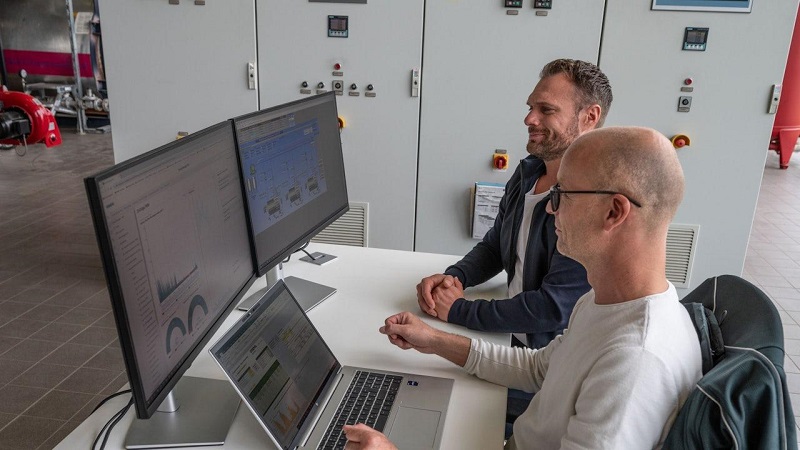
Modern automation systems provide operators with:
- Better process visibility
- Improved alarm information
- Historical analysis
- Real-time performance data
Better information helps operators make faster and more accurate decisions.
Industrial Cybersecurity Becomes a Core Requirement
As industrial systems become more connected, cybersecurity becomes increasingly important.
Process automation networks must protect:
- Control systems
- Engineering stations
- Industrial communication networks
- Production information
Modern cybersecurity strategies include:
- User access management
- Network protection
- Secure communication
- System monitoring
Cybersecurity is now a fundamental element of industrial automation design.
Supporting Energy Efficiency and Sustainability
Energy-intensive industries are under increasing pressure to improve efficiency.
Automation technology can support sustainability goals by optimizing:
- Energy consumption
- Production processes
- Equipment operation
- Resource usage
For example, improved process control can reduce unnecessary energy consumption while maintaining production output.
Digital monitoring also helps companies understand where improvements can be achieved.
Artificial Intelligence in Process Automation
Artificial intelligence is becoming an important technology in industrial environments.
AI applications can support:
Process Optimization
Analyzing production information to identify better operating strategies.
Fault Detection
Recognizing abnormal process conditions.
Equipment Analysis
Identifying possible maintenance requirements.
AI provides additional intelligence while maintaining the reliability of traditional automation systems.
The Role of Digital Twins in Process Industries
Digital twin technology is gaining attention in industrial applications.
A digital twin creates a virtual representation of physical assets or processes.
Engineers can use digital twins for:
- Process simulation
- Equipment testing
- Operator training
- Optimization studies
This allows companies to evaluate possible improvements before implementing changes in real production environments.
Future Trends in DCS and Process Automation
The future of process automation will continue developing toward intelligent systems.
Important trends include:
- AI-assisted operations
- Advanced analytics
- Digital twins
- Cloud-connected automation
- Improved cybersecurity
- More flexible engineering platforms
The goal is to create process industries that are safer, more efficient and more adaptable.
Benefits of Intelligent Process Automation
Modern DCS and digital automation technologies provide several advantages:
Higher Production Stability
Better control improves process consistency.
Improved Equipment Reliability
Predictive maintenance reduces unexpected failures.
Better Operational Visibility
Data integration provides clearer plant information.
Reduced Energy Consumption
Optimization improves resource efficiency.
Faster Decision-Making
Operators receive better information.