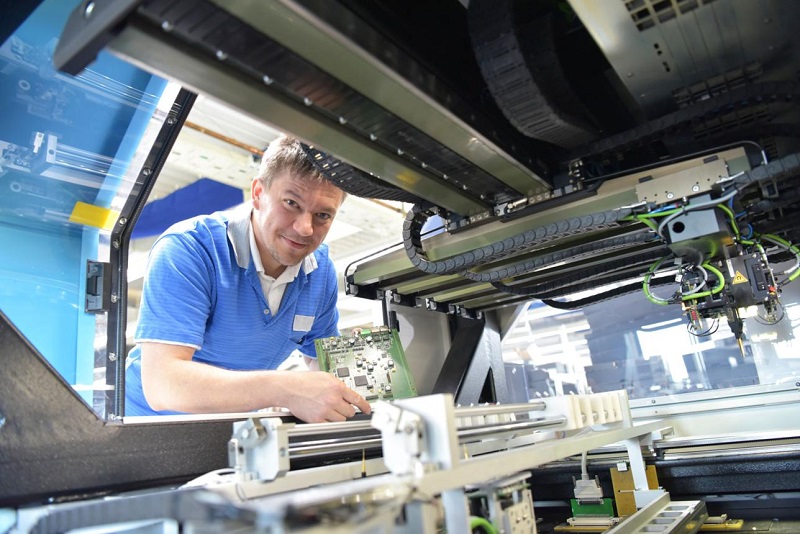
GE Vernova Industrial Automation and Power Control Technologies Drive the Future of Intelligent Energy Systems
GE Vernova Strengthens Industrial Automation and Power Control Solutions for Modern Energy Infrastructure
The global energy industry is experiencing a major transformation as power systems become more complex, decentralized, and digitally connected. Increasing electricity demand, renewable energy integration, and the growth of intelligent infrastructure are creating new requirements for advanced industrial automation and power control technologies.
Modern power facilities require more than reliable electricity generation. They need intelligent control systems capable of improving efficiency, maintaining grid stability, monitoring equipment performance, and supporting flexible operation.
GE Vernova continues developing technologies across power generation, electrification, grid solutions, automation software, and digital energy management. The company focuses on helping utilities and industrial customers improve reliability and efficiency through advanced control technologies and digital solutions.
For professionals working in PLC, DCS, industrial automation, and power control industries, these developments represent an important trend: the integration of traditional energy systems with intelligent automation platforms.
The Changing Role of Industrial Automation in Power Systems
Power generation and electrical infrastructure have always depended on highly reliable control systems.
Traditional power automation systems were mainly designed to ensure:
- Stable operation
- Equipment protection
- Accurate process control
- Safe power generation
Modern energy systems, however, face additional challenges.
These include:
- Increasing renewable energy sources
- More complex grid management
- Higher demand for operational flexibility
- Greater cybersecurity requirements
- Need for real-time equipment analysis
As a result, industrial automation has become a critical technology supporting the future of power infrastructure.
Automation systems now need to connect equipment data, control functions, and digital intelligence into one integrated environment.
GE Vernova Combines Power Control With Digital Technologies
GE Vernova operates across several energy technology areas, including power generation, electrification, grid technologies, and digital solutions.
The company’s automation approach focuses on connecting physical energy assets with advanced monitoring and control technologies.
A modern power automation environment may include:
- Turbine control systems
- Generator monitoring
- Distributed control systems
- Protection systems
- Industrial communication networks
- Digital monitoring platforms
These systems work together to improve visibility and operational performance.
For power plant operators, better information means faster decision-making and improved asset management.
Power Control Systems Become More Intelligent
Power control technology is evolving from simple monitoring toward intelligent operational management.
Traditional control systems mainly respond according to programmed logic.
Modern systems increasingly incorporate:
- Advanced analytics
- Condition monitoring
- Automated optimization
- Digital diagnostics
This allows operators to better understand equipment behavior and improve overall plant performance.
For example, a gas turbine control system must continuously manage:
- Temperature
- Pressure
- Fuel supply
- Rotational speed
- Operating conditions
Advanced control technologies help maintain stable operation under changing conditions.
The Importance of Digital Control in Power Generation
Power plants contain some of the most complex industrial equipment in the world.
Critical assets include:
- Gas turbines
- Steam turbines
- Generators
- Compressors
- Transformers
- Electrical distribution equipment
Unexpected failures can result in significant economic losses.
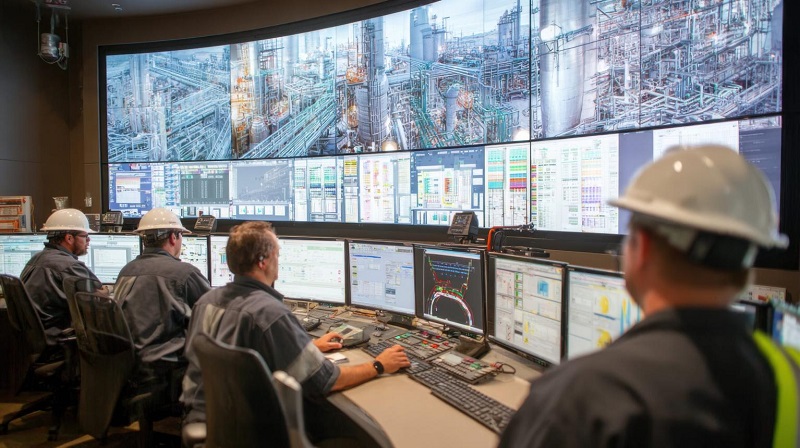
Digital automation technologies help operators monitor equipment conditions and identify potential issues.
Important functions include:
Real-Time Equipment Monitoring
Continuous monitoring allows engineers to understand equipment status during operation.
Data from sensors and control systems can reveal:
- Abnormal operating conditions
- Performance changes
- Efficiency problems
Predictive Maintenance
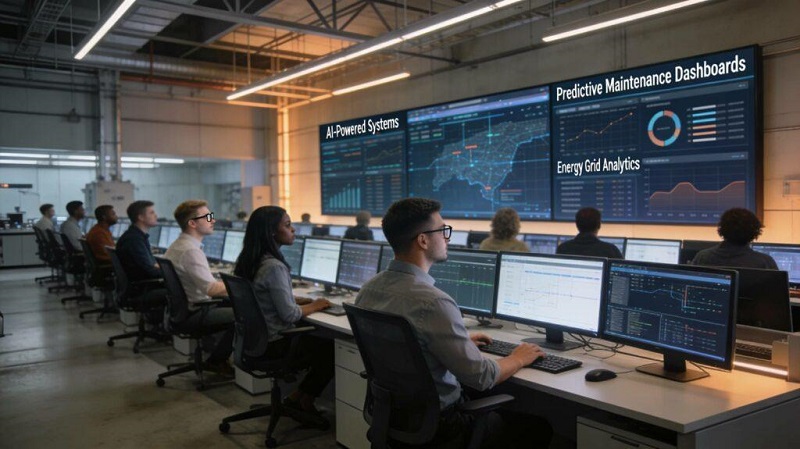
Instead of waiting for equipment failures, predictive maintenance uses operational data to identify early warning signals.
This helps companies:
- Reduce unplanned downtime
- Improve maintenance scheduling
- Extend equipment lifetime
Operational Optimization
Digital control systems can analyze operating conditions and help improve:
- Fuel efficiency
- Power output
- Equipment performance
Industrial Automation Integration With PLC and DCS Systems
Power industries rely heavily on industrial automation architectures.
A typical power automation system may include:
- PLC controllers
- DCS platforms
- SCADA systems
- Remote I/O modules
- Industrial communication networks
- Human-machine interfaces
PLC technology remains important for many control applications because of its reliability and fast response.
DCS platforms are widely used for large-scale process control environments where multiple systems must work together.
The integration between PLC, DCS, and digital monitoring technologies creates a more complete automation ecosystem.
GE Vernova and Grid Automation Development
The modern electrical grid is becoming more complex due to renewable energy integration and increasing electricity demand.
Grid automation technologies help improve:
- Power system reliability
- Grid monitoring
- Protection functions
- Operational flexibility
GE Vernova has continued expanding its grid automation portfolio to support evolving electricity networks and more complex grid operations.
Modern grid systems require intelligent control solutions capable of managing:
- Distributed energy resources
- Renewable power generation
- Energy storage systems
- Advanced transmission networks
Renewable Energy Creates New Automation Requirements
The growth of renewable energy is changing the way power systems operate.
Unlike traditional centralized generation, renewable energy sources often have variable output.
This creates new challenges in:
- Power balancing
- Grid stability
- Energy management
Advanced automation technologies help operators manage these challenges.
Important technologies include:
- Digital control systems
- Power conversion equipment
- Energy management software
- Real-time monitoring
The combination of automation and electrification technologies will play a key role in future energy infrastructure.
Industrial Software and Data Analytics in Energy Management
Industrial software is becoming increasingly important in modern power operations.
Energy companies are using digital platforms to analyze:
- Equipment performance
- Production efficiency
- Maintenance requirements
- Operational trends
Data analytics can help operators identify opportunities for improvement.
For example:
A power plant can analyze historical operating data to determine whether equipment performance is declining.
Engineers can then optimize operating strategies before efficiency losses become significant.
Cybersecurity Challenges in Power Automation
As energy systems become more connected, cybersecurity becomes a major consideration.
Modern power automation networks must protect:
- Control systems
- Communication networks
- Operational data
Industrial facilities increasingly require:
- Secure communication methods
- Access management
- Network monitoring
- System protection strategies
Cybersecurity is now an essential part of automation system design.
Market Opportunities for Industrial Automation Suppliers
The development of intelligent power control systems creates new opportunities for companies involved in industrial automation.
Global customers require reliable automation products and technical solutions, including:
- PLC modules
- DCS components
- Industrial computers
- Control boards
- Communication modules
- Power automation equipment
- Replacement parts
For international automation equipment suppliers, understanding power control technology trends is important for serving energy industry customers.
The market is shifting from individual component purchasing toward complete lifecycle support.
Future Trends of GE Vernova Industrial Automation Technologies
The future of power automation will continue moving toward intelligent, connected, and flexible systems.
Major trends include:
Artificial Intelligence Integration
AI technologies will support:
- Equipment analysis
- Energy optimization
- Fault prediction
Digital Twin Applications
Digital models will help engineers simulate and optimize power equipment operation.
Advanced Grid Automation
Smart grid technologies will become increasingly important as electricity systems evolve.
Greater System Integration
Future power facilities will combine:
- Automation control
- Digital software
- Data analytics
- Energy management
Conclusion
GE Vernova industrial automation and power control technologies reflect the ongoing transformation of the global energy industry.
As power systems become more digital and interconnected, advanced automation solutions will become essential for improving reliability, efficiency, and operational flexibility.
The future of energy infrastructure will depend on the successful combination of industrial control systems, digital technologies, and intelligent power management.
For professionals in PLC, automation, and DCS industries, power automation remains a growing field with significant opportunities as global industries continue upgrading their energy systems.