Siemens Advances Industrial AI with SIMATIC PLC and Software-Defined Automation for Smart Manufacturing
Industrial automation is entering a new stage where traditional control systems are being combined with artificial intelligence, digital twins, edge computing, and advanced software platforms. Siemens is accelerating this transformation by integrating Industrial AI technologies into automation engineering, SIMATIC PLC systems, and manufacturing operations.
For decades, Siemens SIMATIC automation systems have been widely used in industries including automotive, food and beverage, energy, pharmaceuticals, logistics, and machine manufacturing. Today, the company is extending this automation foundation with intelligent software capabilities designed to improve engineering efficiency, production flexibility, and operational performance.
The latest developments from Siemens show that the future of industrial automation will not only depend on faster controllers and more advanced hardware, but also on intelligent software capable of assisting engineers, analyzing production data, and optimizing industrial processes.
Siemens Brings Artificial Intelligence into Automation Engineering
One of the most important trends in Siemens automation development is the integration of artificial intelligence into engineering workflows.
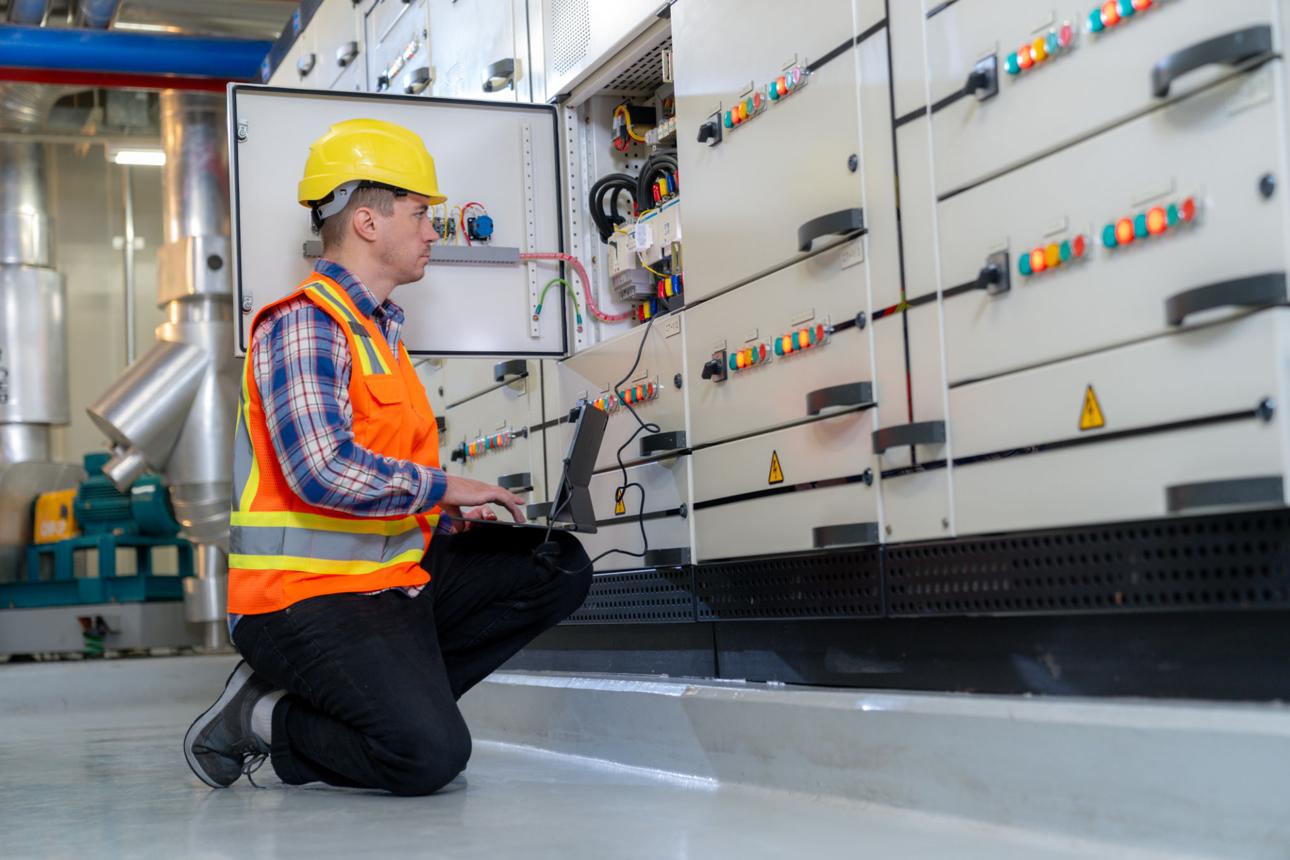
Traditional automation projects require engineers to manually configure PLC programs, hardware components, communication networks, safety functions, and visualization systems.
A typical industrial automation project may involve:
- PLC programming
- HMI configuration
- Drive commissioning
- Industrial network setup
- Safety engineering
- Electrical documentation
- Machine testing
- Troubleshooting
As production systems become more complex, engineering teams face increasing development pressure.
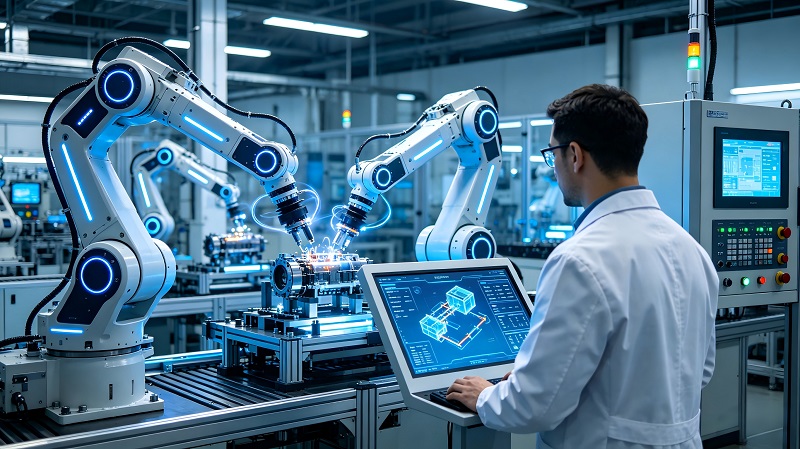
Siemens is addressing this challenge through AI-assisted engineering technologies designed to support automation professionals throughout the development process.
The company's Eigen Engineering Agent represents a new approach where AI can assist engineers with automation-related tasks, helping reduce repetitive work and improve project efficiency.
Unlike general AI applications, industrial AI must understand engineering standards, machine behavior, and automation requirements.
A PLC controls physical equipment, meaning reliability and validation remain critical.
AI is therefore positioned as an engineering assistant rather than a replacement for professional automation expertise.
AI and SIMATIC PLC Engineering
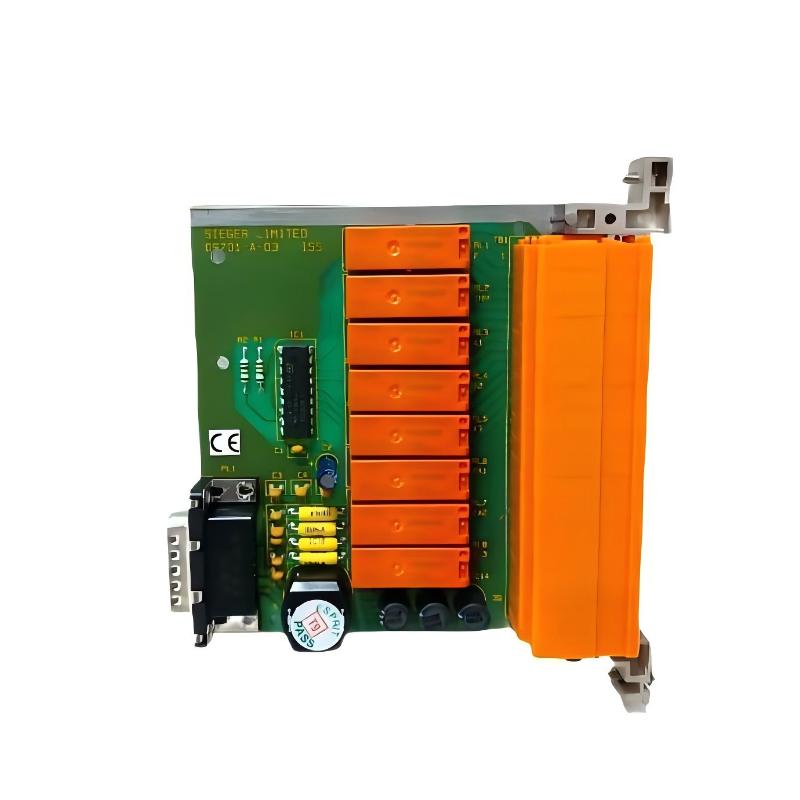
SIMATIC PLC systems remain one of Siemens' most important automation platforms.
The SIMATIC family includes solutions for:
- Compact machine control
- Modular automation systems
- High-performance PLC applications
- Distributed automation
- Safety systems
- Industrial communication
With the development of Industrial AI, Siemens is working to make PLC engineering more intelligent.
Future PLC engineering environments will increasingly combine:
Engineering Software + AI Assistance + Automation Knowledge + Machine Data
This combination can help engineers:
- Generate programming suggestions
- Analyze existing PLC projects
- Improve documentation
- Identify possible configuration issues
- Accelerate commissioning
- Support troubleshooting activities
For system integrators, this could significantly reduce engineering time, especially in projects involving repeated machine designs.
Siemens TIA Portal and the Future of Automation Engineering
TIA Portal remains the central engineering environment for many Siemens automation applications.
The platform integrates multiple automation functions into one engineering framework, including:
- SIMATIC PLC programming
- HMI development
- Drive configuration
- Network configuration
- Safety engineering
- Diagnostics
The integration of intelligent software features into engineering platforms represents an important evolution.
Instead of engineers working separately with different automation tools, future engineering environments will provide more connected workflows.
For example, a machine builder may design a production system digitally, simulate the automation behavior, generate engineering information, and prepare commissioning activities before physical equipment is installed.
This approach reduces engineering risk and improves project efficiency.
Siemens Industrial Edge Connects Automation and AI
Industrial Edge is another important part of Siemens' digital automation strategy.
Modern factories generate enormous amounts of information from:
- PLC systems
- Sensors
- Robots
- Drives
- Vision systems
- Production equipment
However, sending all industrial data directly to cloud platforms is not always practical.
Industrial Edge provides local computing capabilities close to production equipment.
This allows manufacturers to process information near the machine while maintaining fast response times.
Industrial Edge applications can support:
- Machine monitoring
- Production analytics
- Quality inspection
- Energy optimization
- Predictive maintenance
- AI-based analysis
The combination of SIMATIC PLC control and Industrial Edge creates a powerful automation architecture.
The PLC continues to handle deterministic control tasks, while Edge systems provide additional computing and analytical capabilities.
Digital Twin Technology Improves Manufacturing Development
Digital twin technology has become another major direction in Siemens' automation ecosystem.
A digital twin creates a virtual representation of a physical product, machine, or production system.
Engineers can use digital twins to:
- Simulate machine operation
- Test automation logic
- Optimize production layouts
- Reduce commissioning time
- Identify problems before installation
For machine builders, this creates significant advantages.
A traditional machine development process often requires:
- Mechanical design
- Electrical engineering
- Automation programming
- Physical assembly
- Commissioning
- Testing
With digital engineering technologies, many activities can happen earlier in the virtual environment.
Engineers can validate machine behavior before the physical machine is completed.
Software-Defined Automation Becomes More Important
Industrial automation is gradually moving from hardware-focused systems toward software-defined architectures.
Traditional automation systems are often centered around dedicated hardware.
Modern automation systems increasingly combine:
- Industrial computers
- Software controllers
- Edge applications
- Virtualized systems
- Cloud connectivity
- AI services
Siemens is developing technologies that support this transition.
Software-defined automation allows manufacturers to separate automation functions from specific hardware platforms.
This provides benefits such as:
- Greater flexibility
- Faster deployment
- Easier system updates
- Improved scalability
- Better integration with IT systems
For global manufacturers operating multiple factories, software-based automation can simplify standardization.
Siemens Expands AI-Based Quality Inspection
Quality control is another area where Siemens is applying Industrial AI.
Traditional inspection methods often depend on manual inspection or fixed machine vision rules.
AI-based inspection systems can analyze production information more intelligently.
Applications include:
- Surface defect detection
- Component inspection
- Assembly verification
- Product classification
- Process monitoring
AI vision systems can learn from production data and identify patterns that may be difficult for traditional systems to detect.
This is especially valuable in high-speed manufacturing environments.
Industries such as automotive, electronics, and battery production require extremely high quality standards.
AI-based inspection can help manufacturers improve consistency while reducing waste.
Siemens Automation in Battery and Electric Vehicle Manufacturing
The growth of electric vehicles and battery production is creating new automation requirements.
Battery manufacturing involves complex processes including:
- Cell production
- Material handling
- Assembly
- Testing
- Quality inspection
- Traceability
Automation systems must provide:
- High precision
- Reliable data collection
- Process control
- Safety monitoring
- Production flexibility
Siemens technologies are increasingly applied in these advanced manufacturing environments.
The combination of PLC control, motion systems, robotics, and digital manufacturing software provides manufacturers with a complete automation ecosystem.
Cybersecurity Becomes Critical for Intelligent Automation
As automation systems become more connected, cybersecurity becomes increasingly important.
Modern industrial environments include:
- PLC networks
- Industrial Ethernet
- Remote monitoring systems
- Edge devices
- Cloud connections
- Engineering workstations
Each connected component must be protected.
Industrial cybersecurity strategies include:
- Network segmentation
- Secure authentication
- Access control
- Software updates
- Backup systems
- Secure remote access
For AI-enabled automation systems, cybersecurity is even more important because AI applications may require access to industrial data and engineering information.
The Changing Role of Automation Engineers
The development of Industrial AI is changing the role of automation professionals.
Traditional automation engineers mainly focused on:
- PLC programming
- Electrical systems
- Machine commissioning
- Troubleshooting
Future automation engineers will increasingly work with:
- AI-assisted engineering
- Digital twins
- Industrial networks
- Data analytics
- Edge computing
- Software platforms
However, core automation knowledge remains essential.
Understanding machine behavior, control logic, safety requirements, and industrial processes will continue to be fundamental.
AI will enhance engineering capabilities rather than replace industrial expertise.
Siemens and the Future Smart Factory
The future smart factory will be built around the integration of physical equipment and intelligent software.
A modern Siemens automation architecture may include:
SIMATIC PLC → Industrial Network → Industrial Edge → AI Applications → Digital Twin → Manufacturing Systems
Each technology plays a different role:
- PLC provides real-time control
- Networks connect industrial devices
- Edge computing processes local data
- AI provides intelligent analysis
- Digital twins support simulation
- Software platforms optimize production
This integrated approach represents the direction of Industry 4.0.