Open Software-Defined DCS is Transforming Industrial Automation in 2026
Introduction
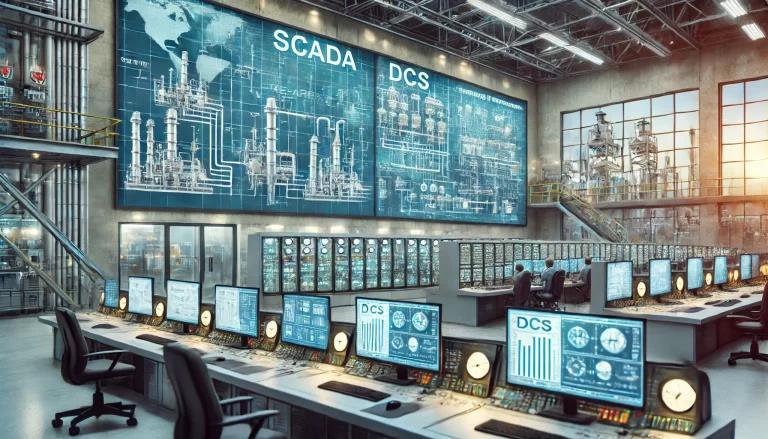
Industrial automation is undergoing one of its most significant transformations in decades. In 2026, the traditional boundary between PLC, SCADA, and DCS systems is rapidly dissolving. The rise of software-defined Distributed Control Systems (DCS) is reshaping how process industries design, operate, and scale automation infrastructure.
Unlike traditional hardware-centric architectures, modern automation systems are now driven by software abstraction, virtualization, and cloud-edge integration. This shift is not only improving flexibility but also significantly reducing lifecycle costs for industrial operators across oil & gas, power generation, chemicals, and manufacturing.
What is Driving the Shift Toward Software-Defined DCS
For decades, DCS platforms relied heavily on proprietary hardware. While reliable, this structure created long upgrade cycles and vendor lock-in challenges. In 2026, industry leaders are moving toward:
- Virtualized control environments
- Open automation standards
- Edge-based execution layers
- Unified PLC + DCS integration models
This transition is largely driven by the need for faster modernization without plant shutdowns and improved interoperability between industrial systems.
Key Industry Developments in 2026
One of the most important changes in industrial automation is the introduction of software-defined automation platforms that separate control logic from physical hardware.
Modern systems now allow:
- Control applications to run on industrial servers
- Flexible deployment across hybrid cloud environments
- Real-time process optimization using AI analytics
- Seamless integration with existing PLC infrastructure
This evolution is especially impactful in large-scale process industries where downtime costs are extremely high.
Impact on PLC and DCS Integration
Traditionally, PLCs handled discrete control while DCS managed continuous processes. In 2026, this separation is becoming less relevant.
Modern architectures enable:
- PLC logic executed within distributed DCS environments
- Unified engineering tools for both systems
- Shared data models across automation layers
- Improved diagnostics and predictive maintenance
This convergence reduces engineering complexity and improves operational transparency.
Industrial Cybersecurity Becomes Critical
As automation systems become more connected, cybersecurity is now embedded directly into DCS architecture.
Key improvements include:
- Built-in encryption for control traffic
- Role-based access control at device level
- Network segmentation by process zones
- Continuous anomaly detection using AI
This ensures that open automation systems remain secure even in highly regulated industries.
The Role of Edge Computing in Modern Automation
Edge computing is becoming a foundational layer in industrial automation.
Instead of sending all data to central systems, modern factories now:
- Process sensor data locally
- Execute time-critical decisions at machine level
- Reduce latency in control loops
- Improve resilience during network failures
This architecture enhances both PLC responsiveness and DCS scalability.
Future Outlook
The future of industrial automation is moving toward fully software-defined, interoperable ecosystems. Over the next few years, we can expect:
- Wider adoption of virtual PLCs
- Expansion of AI-assisted control engineering
- Unified OT/IT convergence platforms
- More open automation standards replacing proprietary stacks