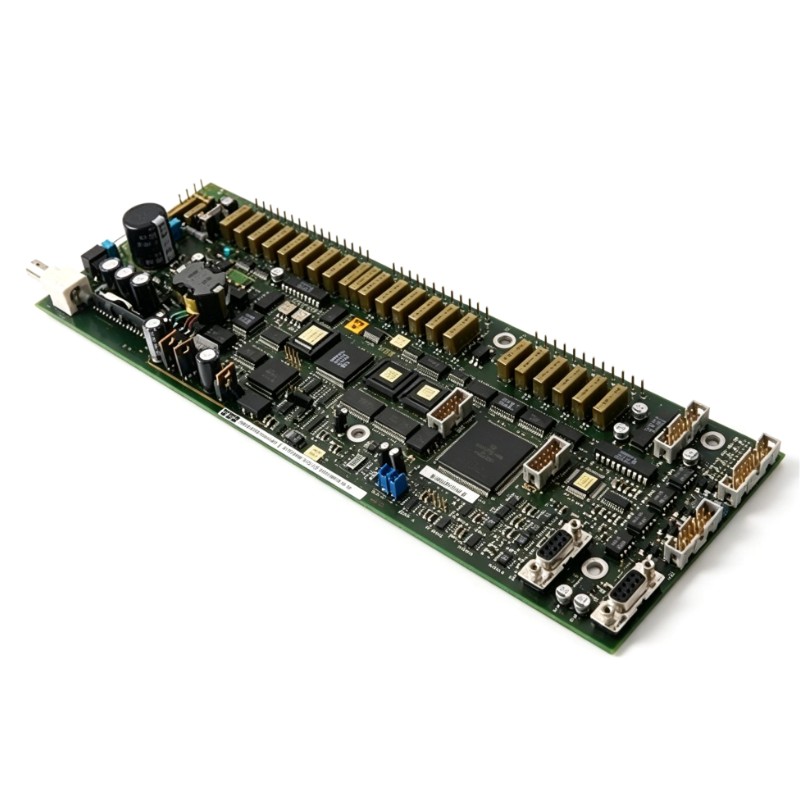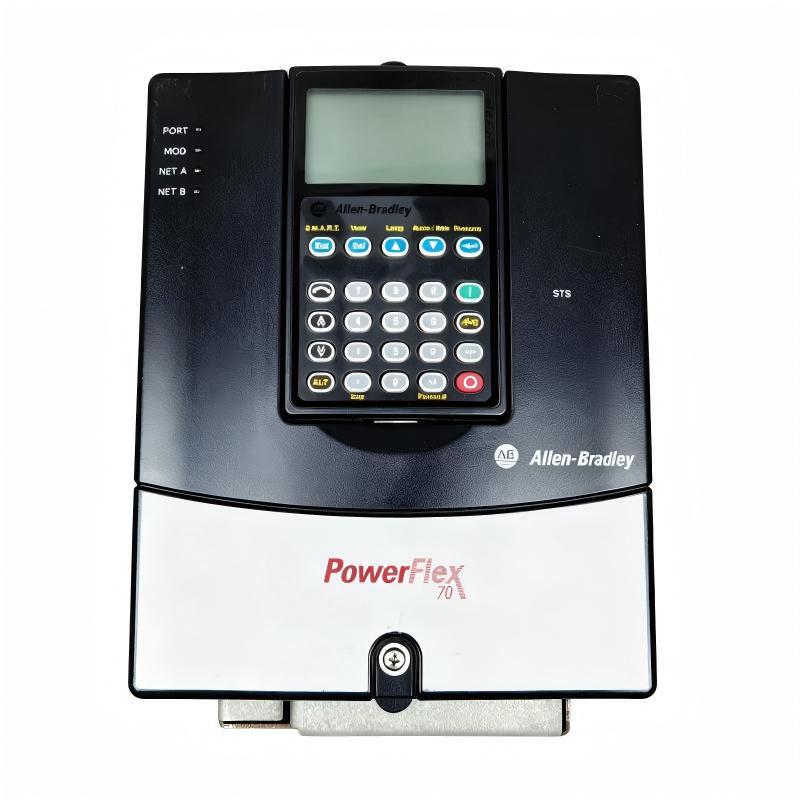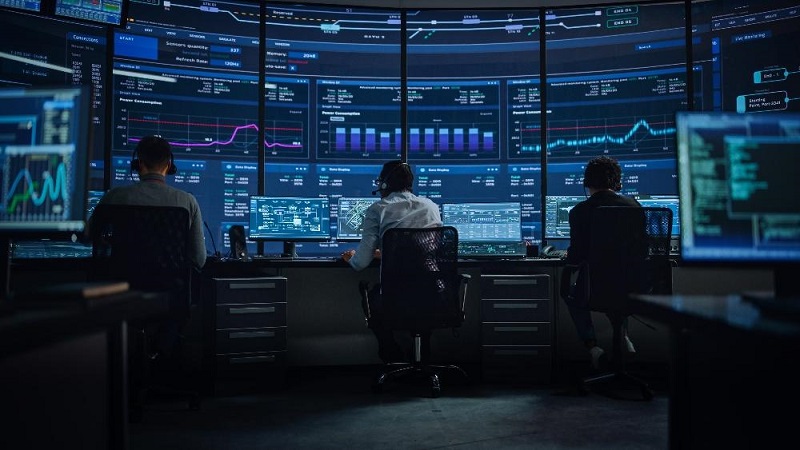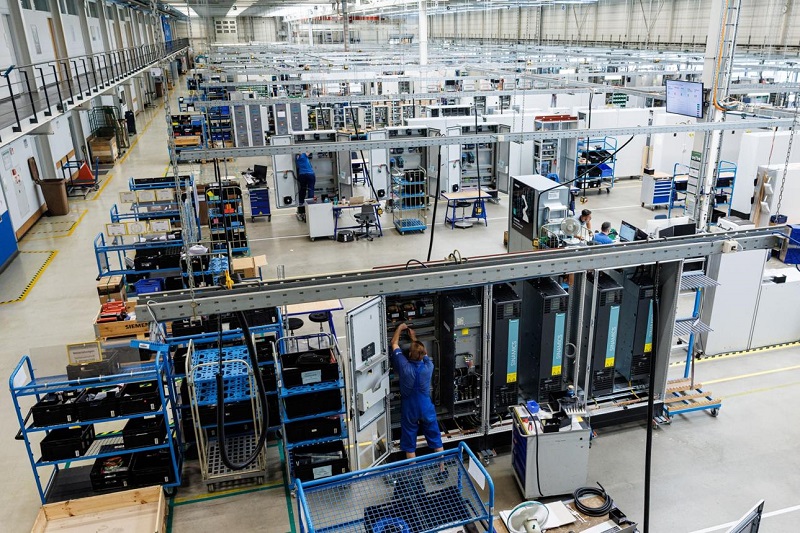
# Emerson Advances Software-Defined Automation with DeltaV IQ Controller and Next-Generation Process Control **Suggested Image:** Emerson DeltaV distributed control system in a modern process plant, showing industrial controllers, operator workstations, process instrumentation, industrial Ethernet infrastructure, and engineers monitoring a digital control room. ## Introduction Process industries are under increasing pressure to improve operational reliability, strengthen cybersecurity, simplify system expansion, and make better use of industrial data. These demands are encouraging automatio
Schneider Electric is making a bold move to strengthen its position in industrial software, artificial intelligence, and next-generation manufacturing. The company's announced acquisition of PTC, a US-based industrial software provider, marks a major strategic step that could reshape how manufacturers connect product design, factory automation, and operational intelligence.
For years, Schneider Electric has been widely recognized for its expertise in energy management, electrical distribution, PLC systems, industrial control, and process automation. However, its latest software investment signals a broader ambition: to become a more comprehensive technology partner across the entire industrial lifecycle.
This development positions Schneider Electric as a potential dark horse in the competition for industrial AI leadership. Rather than competing solely through automation hardware or individual software products, the company is working toward a more integrated model that connects engineering data, production systems, equipment performance, and energy management.
Schneider Electric's Strategic Shift Beyond Traditional Automation
Industrial automation is undergoing a structural transformation. Manufacturers are no longer evaluating automation suppliers only by the performance of their PLCs, variable frequency drives, sensors, or distributed control systems. They increasingly want solutions that connect engineering, production, maintenance, quality management, and energy optimization.
This shift is creating new opportunities for companies capable of combining operational technology (OT) with information technology (IT).
Schneider Electric already has a broad industrial portfolio. Its products and platforms include Modicon programmable logic controllers, Altivar variable speed drives, TeSys motor control products, Harmony operator interfaces, EcoStruxure digital solutions, and Foxboro process automation technologies.
These products support applications across manufacturing, infrastructure, energy, water treatment, and process industries.
The challenge is that industrial information is often distributed across disconnected systems. Product engineering software may operate separately from factory automation platforms, while maintenance teams rely on different applications to monitor equipment and investigate failures.
By expanding its industrial software capabilities, Schneider Electric aims to address this fragmentation. The strategic opportunity is to connect information created during product design with the systems responsible for manufacturing, operating, and maintaining industrial assets.
Such integration could help manufacturers improve traceability, reduce engineering duplication, and make better decisions using information from multiple stages of the production lifecycle.
Why the PTC Acquisition Matters
PTC has established a significant presence in industrial software, particularly in product lifecycle management, computer-aided design, product development, and augmented reality technologies.
Its portfolio includes Creo for computer-aided design, Windchill for product lifecycle management, and ThingWorx for industrial Internet of Things applications. PTC also provides industrial augmented reality capabilities through Vuforia.
These technologies address a different but complementary part of the industrial value chain from Schneider Electric's traditional automation portfolio.
Schneider Electric's control systems help machines and processes operate. PTC's software helps engineering teams design products, manage product information, and coordinate complex development processes.
Bringing these capabilities closer together could create opportunities for a more connected industrial architecture.
For example, engineering changes made during product development could potentially be linked more effectively with manufacturing requirements, equipment configurations, and production workflows. Plant operators and engineering teams could benefit from better access to consistent product and process information.
The strategic value, however, will depend on how effectively the companies integrate their technologies, preserve interoperability, and deliver practical benefits to customers.
An acquisition alone does not guarantee a unified platform. Customers will still need clear migration paths, reliable integration, transparent licensing, and long-term product support.
Industrial AI Is Driving the Next Phase of Competition
Artificial intelligence is becoming an increasingly important part of industrial digital transformation.
Manufacturers are exploring AI for predictive maintenance, quality inspection, production scheduling, engineering assistance, energy optimization, and operational troubleshooting.
Yet industrial AI requires more than a powerful algorithm. Useful applications depend on reliable data, accurate equipment models, appropriate process context, and secure access to operational systems.
This is where the combination of automation and industrial software becomes strategically important.
Schneider Electric's EcoStruxure portfolio and EcoStruxure Automation Expert provide foundations for connecting automation with broader digital workflows. Its open, software-defined automation approach is designed to reduce dependence on tightly coupled hardware and software architectures.
PTC's engineering and lifecycle management technologies could complement this strategy by providing structured information about products, components, design revisions, and manufacturing requirements.
When these information sources are connected appropriately, AI systems may be able to support more informed engineering and operational decisions.
Potential applications include identifying design changes that affect production, improving the investigation of recurring equipment failures, supporting maintenance planning, and helping engineering teams manage increasingly complex product configurations.
Nevertheless, industrial AI must be implemented with suitable safeguards. Critical control functions require predictable behavior, validated logic, cybersecurity controls, and clearly defined human responsibilities. AI-generated recommendations should not automatically replace engineering validation or established safety procedures.
Software-Defined Automation Could Change Factory Architecture
One of the most important developments in industrial automation is the move toward software-defined systems.
Traditional automation architectures often bind control software closely to specific hardware platforms. This approach has provided stability and reliability, but it can make upgrades, system expansion, and technology integration more difficult.
Software-defined automation seeks to separate automation logic from the underlying hardware where technically appropriate. This can give manufacturers greater flexibility when designing, updating, and maintaining control architectures.
Schneider Electric has been developing this approach through EcoStruxure Automation Expert, which supports a more modular and software-oriented approach to automation engineering.
The company has also introduced EcoStruxure Foxboro Software Defined Automation, extending software-defined principles into distributed control system environments. The approach is intended to help process industries modernize while addressing concerns about legacy infrastructure, cybersecurity, and operational continuity.
For factories and process plants, the potential benefits include more flexible engineering workflows, improved software reuse, and a more manageable path toward digital modernization.
However, software-defined automation does not mean that every industrial controller can be replaced immediately by a general-purpose computer. Real-time performance, system availability, deterministic communication, functional safety, and regulatory requirements remain critical design considerations.
The most practical implementations will combine architectural flexibility with the reliability expected from industrial control systems.
What This Means for PLC and DCS Users
For industrial customers, Schneider Electric's software strategy could influence future purchasing decisions across several product categories.
PLC users may increasingly evaluate how easily control systems exchange data with engineering software, manufacturing execution systems, asset management applications, and industrial analytics platforms.
DCS users may focus on lifecycle support, migration flexibility, process availability, cybersecurity, and integration with advanced monitoring tools.
Machine builders may be interested in reusable automation software, simulation, digital engineering, and shorter commissioning cycles. System integrators may prioritize open interfaces, standardized engineering practices, and the ability to support multiple hardware environments.
Schneider Electric's established hardware portfolio remains relevant in this transition. Modicon PLCs, Altivar drives, motor control equipment, operator interfaces, and industrial communication products continue to provide the physical foundation for machine and process automation.
The potential strategic change is that these products may increasingly be positioned as components of a broader digital ecosystem rather than as isolated devices.
For customers operating installed automation systems, this does not necessarily require an immediate replacement of existing equipment. In many industrial environments, a phased modernization strategy is more realistic. Existing PLCs, drives, remote I/O, and field devices may remain in service while new software and data integration capabilities are introduced around them.
This approach can help reduce production disruption and spread modernization costs over time.
Opportunities for System Integrators and Industrial Equipment Suppliers
The growing convergence of automation and industrial software creates opportunities for system integrators, distributors, and industrial equipment suppliers.
System integrators may be asked to connect legacy PLC and DCS installations with modern data platforms, engineering applications, and cybersecurity systems.
Equipment suppliers may need to provide better product documentation, lifecycle information, firmware support, and compatibility guidance to help customers maintain reliable installations.
Industrial distributors can also play an important role by helping customers identify suitable replacement parts, verify model compatibility, and source equipment for maintenance and modernization projects.
For Schneider Electric product users, maintaining accurate model information remains essential. Modicon PLCs, communication modules, power supplies, operator panels, Altivar drives, and motor control components can have different technical specifications and compatibility requirements even when they belong to the same product family.
Before replacing or upgrading equipment, buyers should verify the exact part number, hardware revision, firmware requirements, communication interfaces, and system compatibility.
As automation architectures evolve, technical support and lifecycle management will remain important alongside software innovation.
Challenges Schneider Electric Must Overcome
Despite the strategic potential, Schneider Electric faces several challenges in translating its acquisition strategy into long-term competitive advantages.
First, integrating large software portfolios is technically and organizationally complex. Different products may use different data models, development environments, licensing structures, and customer support processes.
Second, industrial customers are cautious about changing mission-critical systems. A software strategy must demonstrate measurable improvements without compromising availability, cybersecurity, or operational stability.
Third, the industrial software market is highly competitive. Established automation suppliers, specialist engineering software vendors, cloud providers, and industrial technology companies are all investing in digital platforms and AI-enabled applications.
Fourth, the financial scale of the transaction creates expectations for long-term value creation. Revenue growth, software adoption, integration costs, and customer retention will all influence whether the acquisition delivers the anticipated benefits.
Finally, customers need confidence that the combined portfolio will remain open enough to work within diverse industrial environments. Many manufacturers operate equipment from multiple vendors and cannot economically replace entire automation infrastructures simply to adopt a new software platform.
Schneider Electric will therefore need to balance ecosystem integration with practical interoperability.
Why Schneider Electric Could Become an Industrial Automation Dark Horse
Schneider Electric's potential advantage lies in the combination of electrical infrastructure, industrial control, energy management, and software capabilities.
The company already operates in areas that are becoming increasingly interconnected. AI-intensive data centers require reliable electrical distribution and efficient energy management. Advanced manufacturing requires automation, digital engineering, and real-time operational data. Process industries need dependable control systems while modernizing legacy infrastructure.
By expanding its software capabilities, Schneider Electric is seeking to connect these requirements within a broader industrial technology strategy.
This makes the company an interesting competitor in the next phase of industrial transformation. Its opportunity is not simply to sell more software or more automation equipment, but to help customers connect engineering decisions with production performance and energy consumption.
Whether Schneider Electric ultimately becomes a leading industrial AI platform provider will depend on execution, product integration, customer adoption, and the measurable value delivered in real operating environments.
The PTC acquisition is an important strategic signal, but its long-term impact will take time to assess. The transaction is subject to shareholder and regulatory approvals, and the expected benefits will depend on successful integration.
Conclusion
Schneider Electric is positioning itself for a future in which industrial competitiveness depends on more than reliable hardware. Software-defined automation, industrial AI, digital engineering, and energy optimization are becoming increasingly important to manufacturers seeking greater flexibility and efficiency.
The company's announced acquisition of PTC could strengthen its ability to connect product engineering with factory operations, creating new opportunities across automation, industrial software, and digital manufacturing.
For PLC and DCS users, the key development to watch is how these technologies are integrated into practical solutions that support existing installations while enabling gradual modernization.
Schneider Electric may not be a newcomer to industrial automation, but its expanding software ambitions could make it a more formidable competitor in the emerging industrial AI market. Its success will ultimately be measured not by the size of the acquisition alone, but by how effectively it turns a broad technology portfolio into secure, interoperable, and commercially valuable solutions for industrial customers.