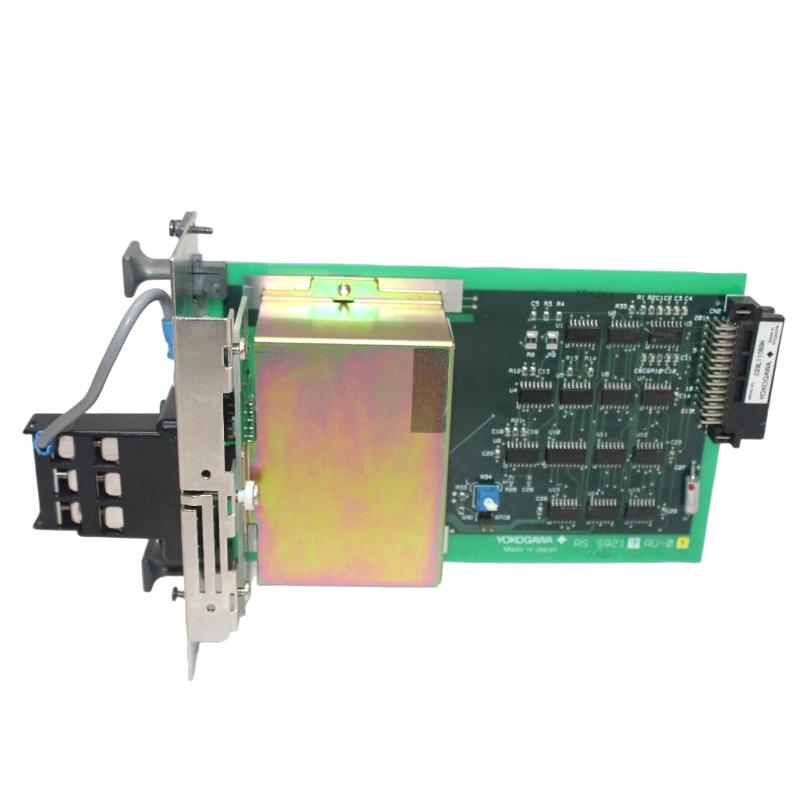
Yokogawa AIP581 Electrical Transceiver RIO I/O Module
Yokogawa AIP581 Electrical Transceiver RIO I/O Module
0.0
Points
Brand:Yokogawa Electric Item No.:AIP581 Product Origin:Japan Product Dimensions:27 × 130 × 160 mm Product Weight:0.45 kg Payment:T/T, Western Union, Credit Card Goods_stock:15 Shipping Port:Xiamen, China Lead Time:1-3 Days Condition:Brand New And Original Warranty:1 Year Certificate:COO
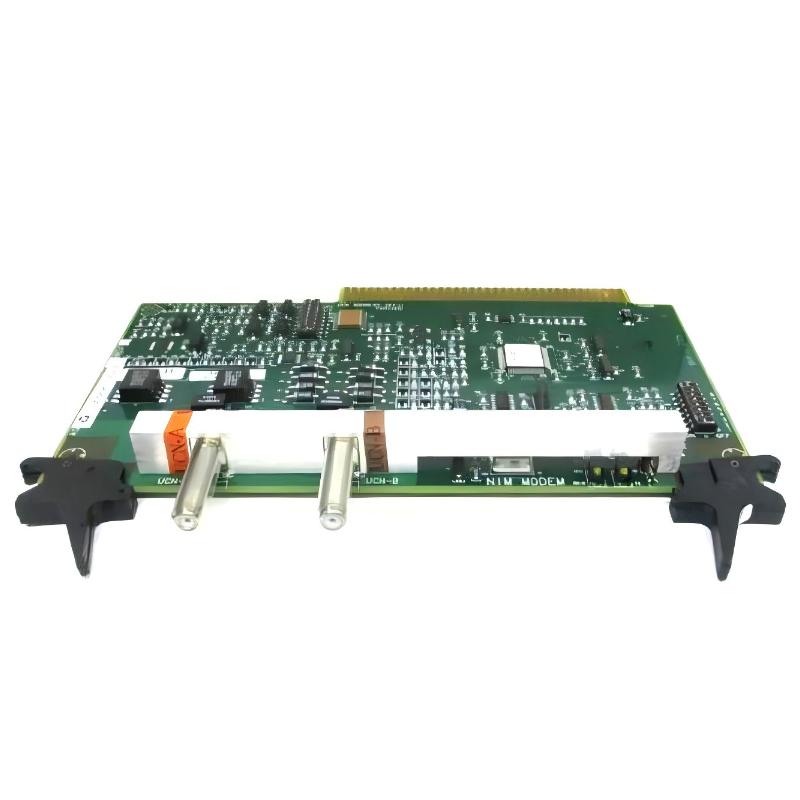
The Yokogawa AIP581 Electrical Transceiver RIO I/O Module is a compact and reliable communication module designed for Yokogawa remote I/O systems. It facilitates stable electrical signal transmission between distributed I/O stations and central control units, supporting efficient and dependable process automation. With its robust industrial design and seamless integration into Yokogawa DCS platforms, the AIP581 ensures high-performance operation in demanding industrial environments.
Technical Specifications
Parameter
Description
Model
AIP581
Product Type
Electrical Transceiver RIO I/O Module
Function
Remote I/O Communication Interface
Installation
Remote I/O Rack / Control Cabinet
System Compatibility
Yokogawa CENTUM VP (RIO Systems)
Dimensions
27 × 130 × 160 mm
Weight
0.45 kg
Operating Environment
Industrial Indoor Use
Recommended Related Models
Yokogawa AIP504-13 V Net Coupler Unit
Yokogawa AFV30D Duplex Field Control Unit
Yokogawa ADV561-P51 Digital Output Module
Yokogawa AAI543 Analog Input Module
Yokogawa AER4D-00 S1 Terminal Board
Popular Related Models
Yokogawa AIP502 RIO Communication Module
Yokogawa AIP583 Optical Transceiver Module
Yokogawa ADV159 Digital Input Module
Yokogawa AAI835 Analog Input Module
Yokogawa CP451-50 Processor Module
Application Scenarios
The Yokogawa AIP581 Electrical Transceiver RIO I/O Module is designed to provide reliable electrical communication for Remote I/O (RIO) systems within Yokogawa distributed control systems. It enables stable data transmission between remote I/O nodes and central control units, ensuring accurate and real-time signal exchange.
It is commonly used in:
Yokogawa CENTUM VP distributed control systems
Remote I/O stations in large industrial plants
Oil & gas production and refining facilities
Power generation and energy management systems
Process automation environments requiring distributed field I/O
Key Advantages
Reliable Electrical Signal Transmission – Ensures stable communication between remote I/O units and controllers
Optimized for RIO Systems – Specifically designed for Yokogawa remote I/O architectures
Compact Design – Space-saving installation within control cabinets
Industrial-Grade Durability – Suitable for continuous 24/7 operation
Seamless System Integration – Fully compatible with Yokogawa DCS platforms
Technical FAQs
1. What is the primary function of the AIP581?
It acts as an electrical transceiver module for remote I/O communication within Yokogawa control systems.
2. Which systems is it compatible with?
Yokogawa CENTUM distributed control systems with RIO architecture.
3. What does RIO mean?
RIO stands for Remote Input/Output, allowing I/O modules to be installed remotely from the central controller.
4. Where is it installed?
Inside remote I/O panels or system racks as part of the communication interface.
5. Is it suitable for critical industrial environments?
Yes, it is designed for high-reliability process automation applications.
6. Does it support continuous operation?
Yes, it is built for long-term industrial use.
7. How does it enhance system reliability?
By ensuring stable and accurate electrical data transmission between remote nodes and controllers.
8. What are its dimensions and weight?
27 × 130 × 160 mm; 0.45 kg.
9. What industries commonly use this module?
Oil & gas, petrochemical, power generation, and heavy manufacturing industries.
10. Why is a transceiver module important in RIO systems?
It ensures secure and efficient communication between distributed I/O modules and the central control system.