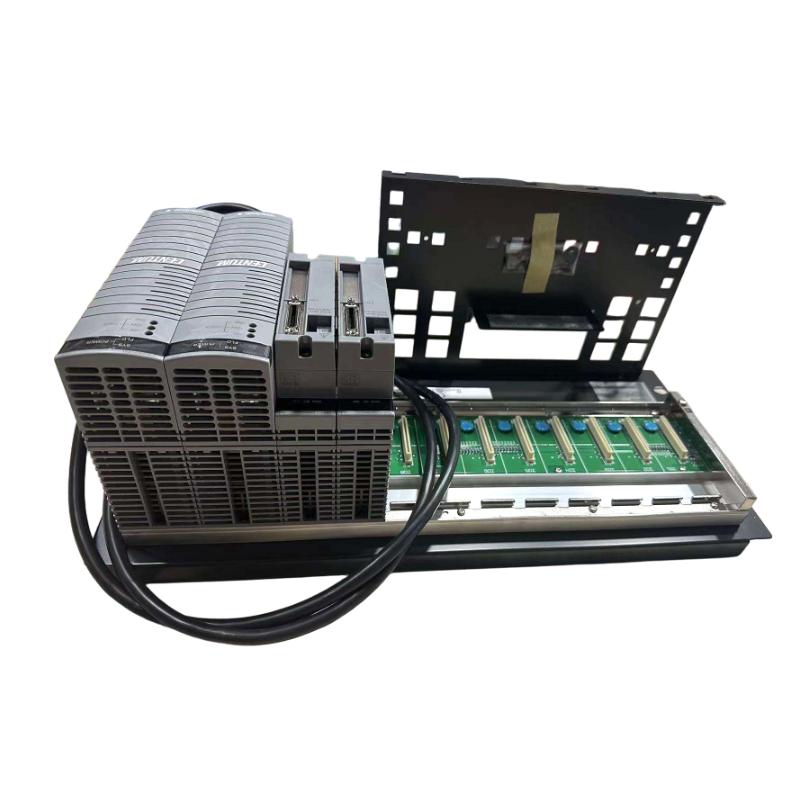
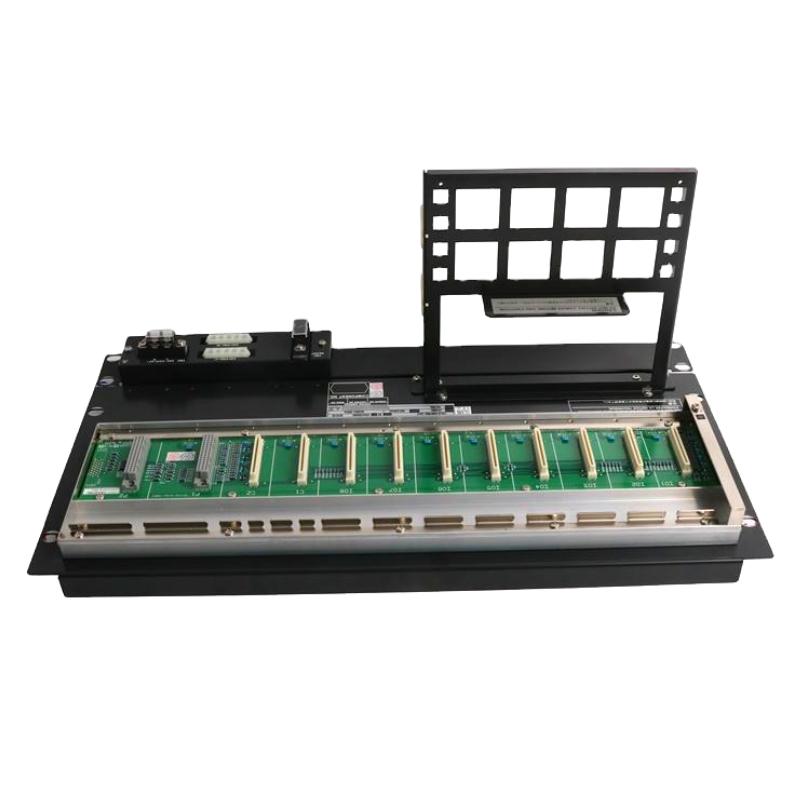
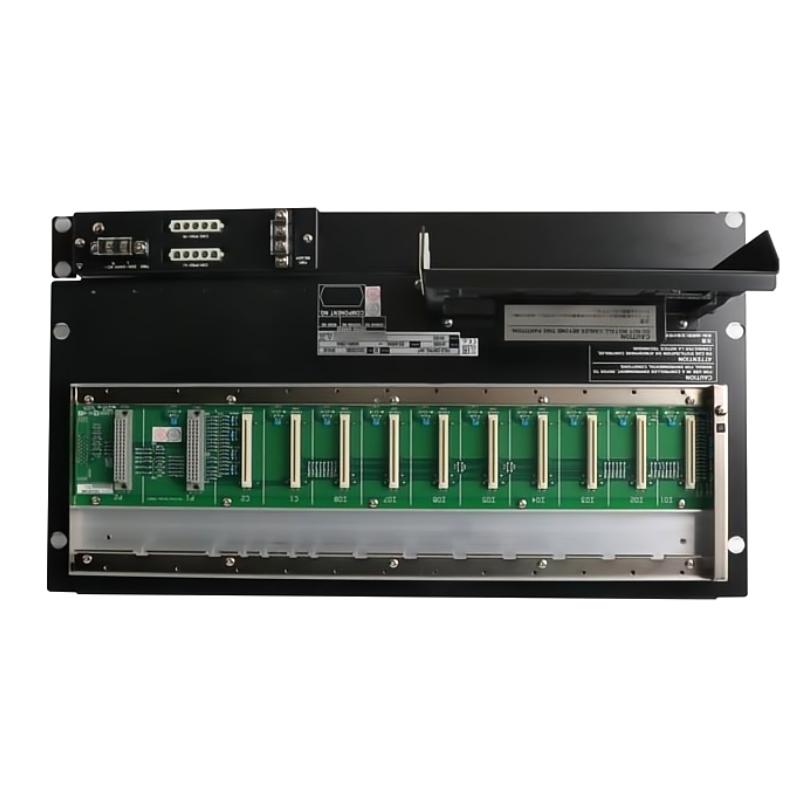
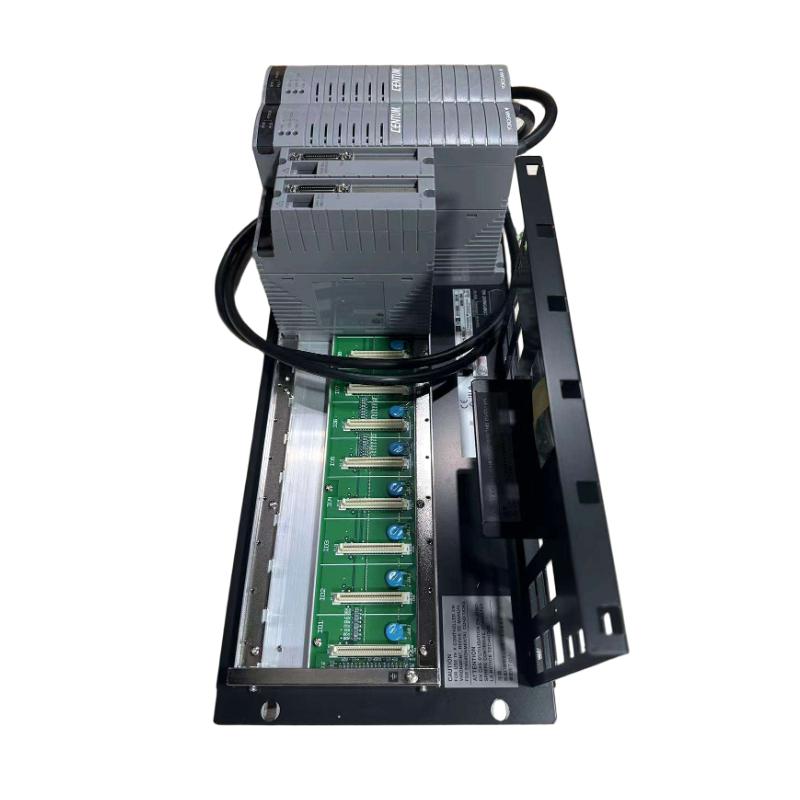
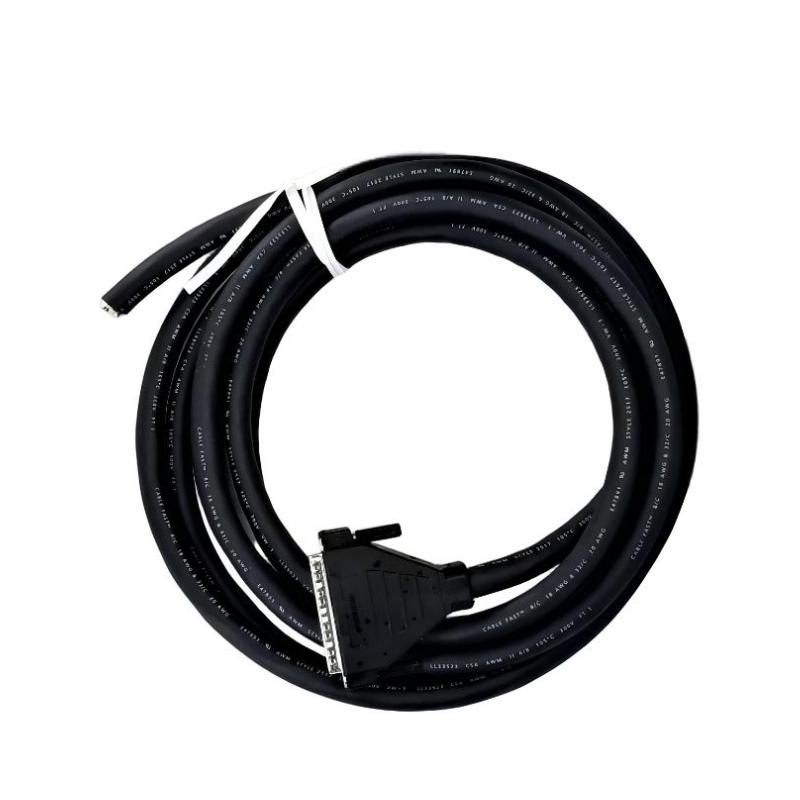
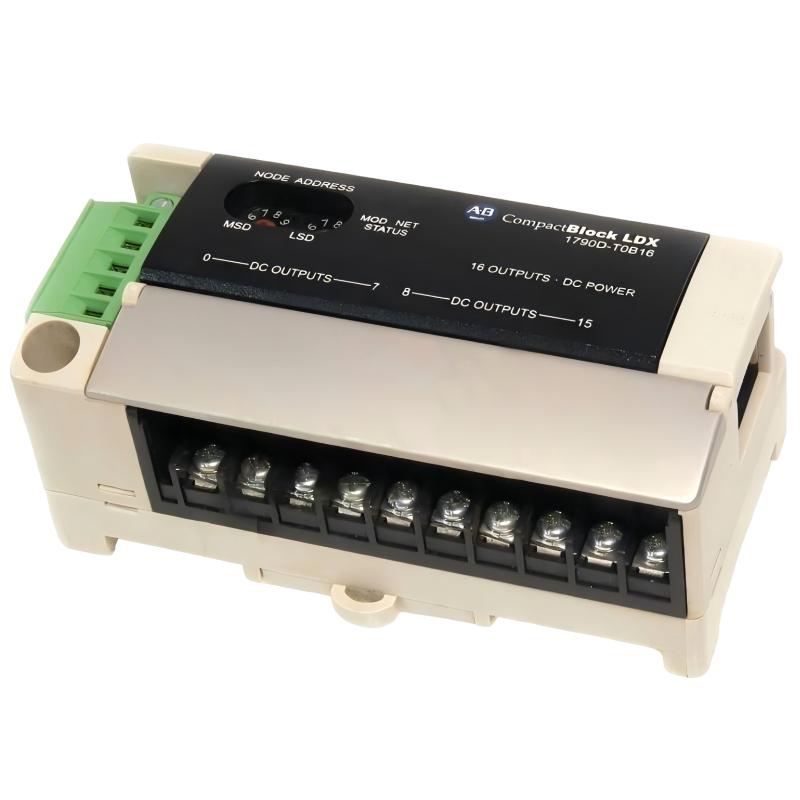
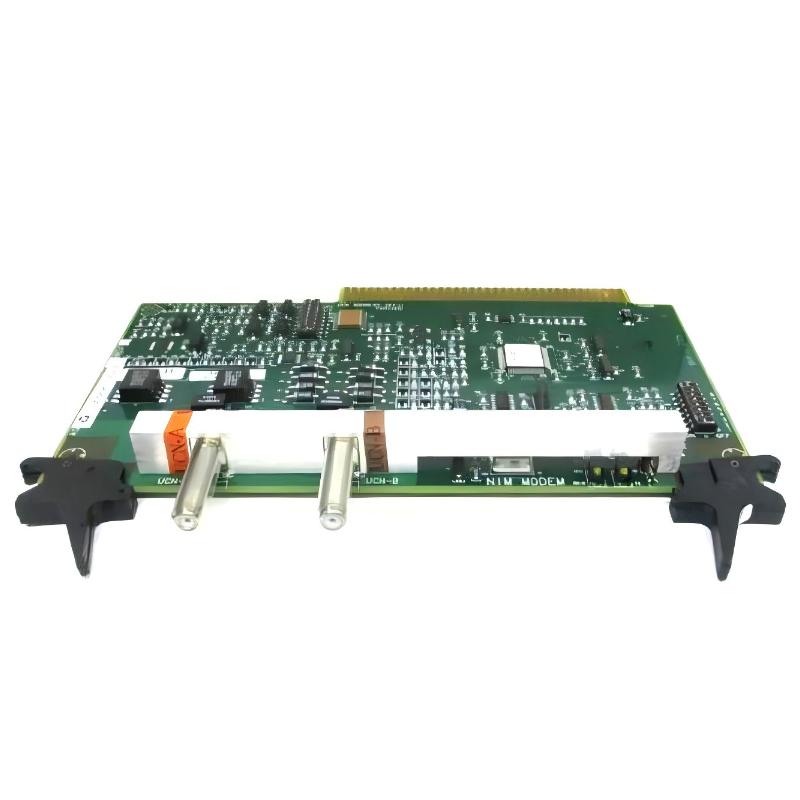
Brand:Yokogawa Electric Item No.:AFV30D-S41262 Product Origin:Japan Product Dimensions:207 × 265.9 x 482.6 mm Product Weight:8.0 kg Payment:T/T, Western Union, Credit Card Goods_stock:15 Shipping Port:Xiamen, China Lead Time:1-3 Days Condition:Brand New And Original Warranty:1 Year Certificate:COO
The Yokogawa AFV30D-S41262 Duplex Field Control Unit is a high-availability solution for critical process automation. Its redundant design ensures uninterrupted operation and precise field control, making it ideal for environments where continuous process management is essential.Designed for durability and industrial reliability, this duplex FCU integrates seamlessly with Yokogawa distributed control systems, providing operators with consistent, accurate, and fault-tolerant process control. Its modular design also simplifies maintenance and allows easy expansion for evolving automation needs.
Technical Specifications
Parameter
Specification
Product Type
Duplex Field Control Unit (FCU)
Manufacturer
Yokogawa
Model
AFV30D-S41262
Function
Redundant Field-Level Control and I/O Management
Application
Critical Process Automation and DCS
Installation
Industrial control cabinet / field panel
Operating Environment
Harsh industrial environments
Dimensions
207 × 265.9 × 482.6 mm
Weight
8 kg
Recommended Related Models
Frequently paired modules for redundant control systems:
Yokogawa AFV30D-A41251 Duplex Field Control Unit
Yokogawa AFS40D-H4113 Field Control Unit
Yokogawa FCS-AFCI Analog Input Module
Yokogawa FCS-AFCO Analog Output Module
Popular Related Models
Widely used high-availability Yokogawa components:
Yokogawa AFV30D-S41261 Duplex FCU
Yokogawa AFS40D-H4114 Field Control Unit
Yokogawa FCS-AFDI Digital Input Module
Yokogawa FCS-AFDO Digital Output Module
Yokogawa CENTUM VP Main Control Station
Applications
The Yokogawa AFV30D-S41262 Duplex Field Control Unit is engineered for high-availability process automation where system reliability is critical. Its duplex architecture ensures continuous operation, providing redundant control to prevent process interruptions even in case of a module failure.
Typical applications include:
Critical process control in oil, gas, and petrochemical plants
Power generation and turbine automation
Water and wastewater treatment facilities
Industrial automation systems requiring fault-tolerant operation
Remote field control units in distributed control networks
System modernization and high-availability retrofits
Advantages
Redundant Duplex Operation – Guarantees uninterrupted process control.
High Reliability – Maintains consistent field-level control under industrial conditions.
Extensive I/O and Processing Capacity – Supports complex control loops and large-scale automation.
Robust Industrial Design – Designed to withstand vibration, temperature variations, and electrical noise.
Seamless Integration – Compatible with Yokogawa CENTUM VP and other distributed control systems.
Service-Friendly Modular Design – Enables quick maintenance and component replacement.
Technical FAQs
1. What is the AFV30D-S41262 used for?
It provides redundant field-level control for critical industrial processes.
2. How does duplex operation work?
Two parallel control units operate simultaneously; if one fails, the other maintains full control.
3. Is continuous operation supported?
Yes, it is designed for 24/7 industrial applications.
4. Can it integrate with Yokogawa DCS systems?
Yes, it is fully compatible with CENTUM VP and field instrumentation.
5. What environments can it operate in?
It is suitable for harsh industrial environments with standard environmental tolerances.
6. How many I/O points can it handle?
It supports a scalable number of I/O points depending on system configuration.
7. Is real-time monitoring possible?
Yes, it continuously executes control logic and acquires field data in real time.
8. Is special maintenance required?
Routine inspections and occasional modular replacements are sufficient.
9. Can it be used for retrofits?
Yes, it is ideal for system upgrades or high-availability expansions.
10. How does redundancy improve system uptime?
If one module fails, the secondary unit immediately takes over without disrupting the process.