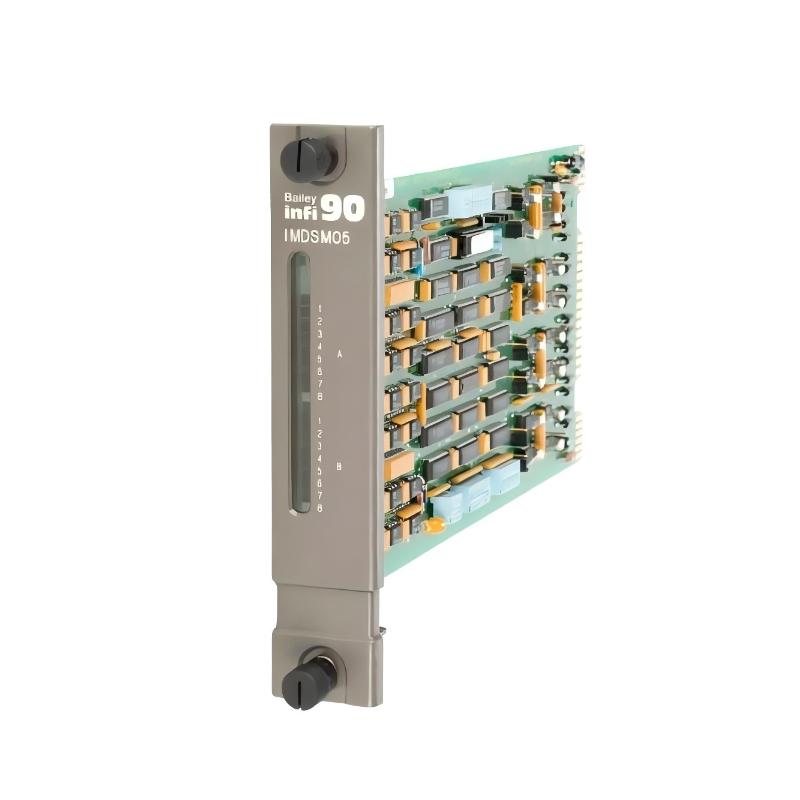
Brand:Yokogawa Electric Item No.:AFV30S-A41252 Product Origin:Japan Product Dimensions:207 × 265.9 x 482.6 mm Product Weight:7.0 kg Payment:T/T, Western Union, Credit Card Goods_stock:15 Shipping Port:Xiamen, China Lead Time:1-3 Days Condition:Brand New And Original Warranty:1 Year Certificate:COO
The Yokogawa AFV30S-A41252 Field Control Unit is a reliable solution for connecting and controlling field devices in distributed industrial automation systems. Its compact, rack-mounted design combines durability with easy integration into DCS architectures. With precise signal processing and stable operation, it ensures consistent performance across industrial processes while simplifying maintenance and upgrades.
Technical Specifications
Parameter
Specification
Manufacturer
Yokogawa
Model
AFV30S-A41252
Product Type
Field Control Unit
System Compatibility
Yokogawa DCS and Field Devices
Installation
Rack-mounted / Control Cabinet
Operating Environment
Industrial Process Facilities
Cooling
Passive / Cabinet Ventilation
Dimensions
207 × 265.9 × 482.6 mm
Weight
7 kg
Recommended Related Models
Yokogawa AFV30S-A41253 — Alternate Field Control Unit
Yokogawa AFV30D-S41201 — Duplex Field Control Unit
Yokogawa AFV30S-A41254 — Single Field Control Unit
Yokogawa AFV30D-S41202 — Duplex Field Control Unit
Yokogawa DCS-IOC-01 — Input/Output Control Module
Yokogawa FCS-TERM-01 — Field Termination Assembly
Yokogawa AFV30S-A41255 — Enhanced Field Control Unit
Application Overview & Use Cases
The Yokogawa AFV30S-A41252 Field Control Unit is built for precise process control and monitoring in industrial automation systems. It serves as a reliable interface for field devices, ensuring accurate signal processing and operational stability across distributed control networks.
Typical application scenarios include:
Chemical and petrochemical process automation
Oil & gas production and refining control systems
Power generation and turbine control applications
Water and wastewater treatment automation
Distributed Control Systems (DCS) requiring robust field interface
Retrofitting or expanding existing Yokogawa automation networks
Key Advantages & Benefits
Reliable Field Control – Provides stable and accurate control of connected devices
Compact & Durable Design – Withstands vibration, electrical noise, and industrial temperature variations
Seamless DCS Integration – Fully compatible with Yokogawa distributed control systems
Easy Maintenance Access – Simplifies service and replacement procedures
Efficient Space Utilization – Rack-friendly dimensions reduce cabinet footprint
Long-Term Operational Reliability – Built for continuous industrial use over years
Technical FAQs
1. What is the main purpose of the AFV30S-A41252?
It acts as a field control interface for accurate device monitoring and process control.
2. Can it operate in harsh industrial environments?
Yes, it is designed to tolerate vibration, heat, and electrical interference.
3. Is it compatible with Yokogawa DCS systems?
Yes, it integrates seamlessly into Yokogawa distributed control networks.
4. Does it require specific mounting equipment?
It is rack-mounted and fits standard industrial control cabinets.
5. What maintenance is needed?
Routine inspection and dust removal; module replacements as needed.
6. Is it suitable for retrofits?
Yes, ideal for upgrading or expanding existing field control networks.
7. Can multiple units work together?
Yes, it can be used alongside other field control units in DCS architectures.
8. Does it support redundant operation?
This model is a single unit; duplex redundancy requires a separate configuration.
9. What industries typically use this unit?
Chemical, petrochemical, energy, power generation, and water treatment sectors.
10. What is the expected service life?
Designed for extended industrial use, typically over a decade under standard operating conditions.