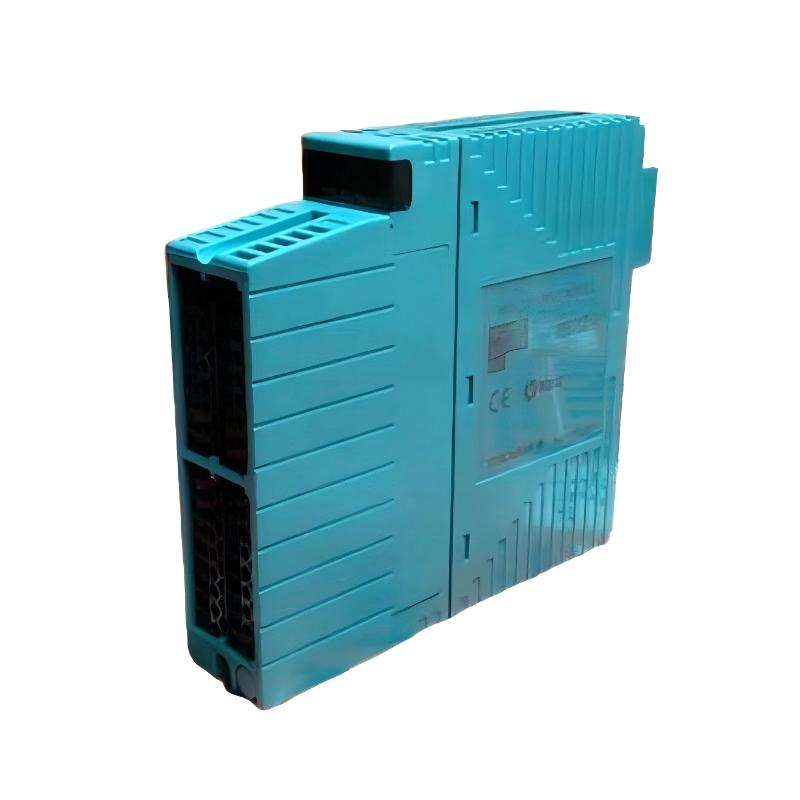
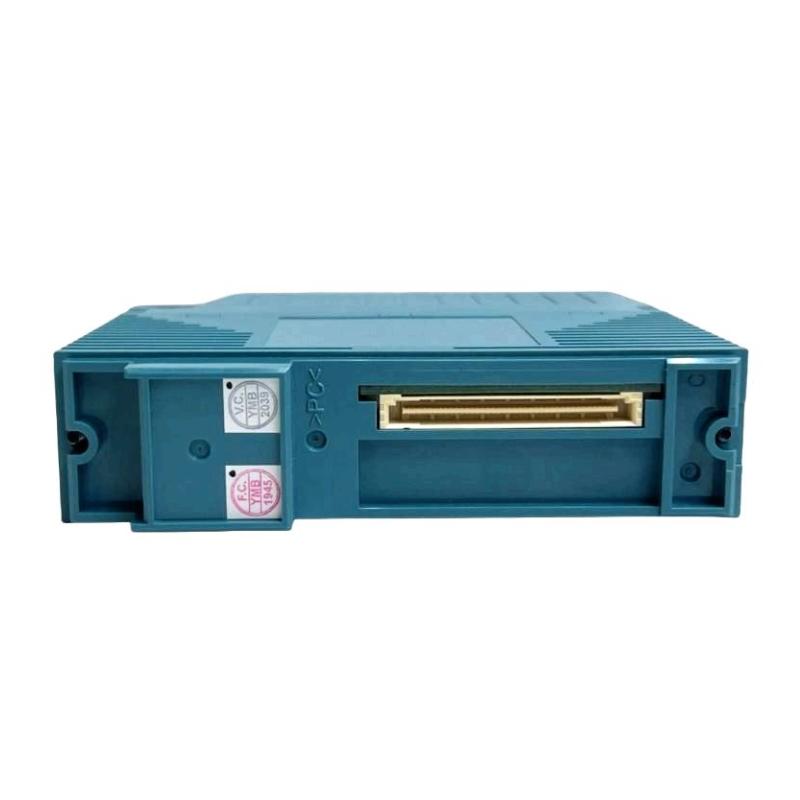
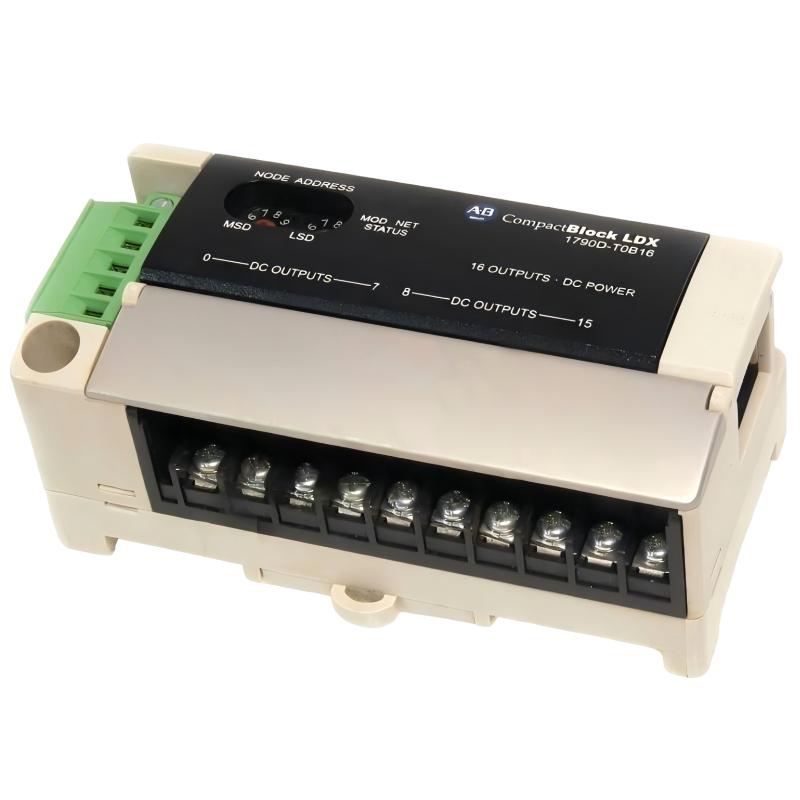
Brand:Yokogawa Electric Item No.:NFAI135 Product Origin:Japan Product Dimensions:25 × 130 × 100 mm Product Weight:0.18 kg Payment:T/T, Western Union, Credit Card Goods_stock:15 Shipping Port:Xiamen, China Lead Time:1-3 Days Condition:Brand New And Original Warranty:1 Year Certificate:COO
The Yokogawa NFAI135 Pulse Input Module provides reliable and precise pulse signal acquisition for industrial automation systems. Its compact design and robust construction ensure accurate measurement and stable performance even in challenging environments. Ideal for new installations or retrofits, it enhances real-time monitoring and control in distributed control systems.
Technical Specifications
Parameter
Specification
Manufacturer
Yokogawa
Model
NFAI135
Product Type
Pulse Input Module
System Compatibility
Yokogawa DCS and Field Devices
Installation
Rack or Panel-mounted
Operating Environment
Industrial Process Plants
Cooling
Passive
Dimensions
25 × 130 × 100 mm
Weight
0.18 kg
Recommended Related Models
Yokogawa NFAI136 — Pulse Input Module, alternate version
Yokogawa AFV30D-S41201 — Duplex Field Control Unit
Yokogawa F3LR01-0N — Fiber Optic FA Bus Interface Module
Yokogawa DCS-IOC-01 — Input/Output Control Module
Yokogawa FCS-TERM-01 — Field Termination Assembly
Industrial Applications & Use Cases
The Yokogawa NFAI135 Pulse Input Module is designed to capture and process high-speed pulse signals from industrial sensors and devices. It ensures accurate measurement and data transfer, making it essential for process monitoring and automation systems.
Common applications include:
Flow and speed measurement in chemical and petrochemical plants
Pulse counting from turbines, pumps, and motors in power plants
Oil and gas process automation for metering and monitoring
Water and wastewater treatment systems requiring precise pulse inputs
Distributed Control Systems (DCS) requiring high-accuracy input modules
Integration with field devices and control networks for real-time monitoring
Key Advantages & Benefits
Accurate Pulse Measurement – Captures high-speed signals with precision
Compact & Lightweight Design – Fits easily into industrial control cabinets
Reliable Industrial Performance – Operates in harsh environments with vibration and electrical noise
Seamless DCS Integration – Fully compatible with Yokogawa controllers and I/O systems
Easy Installation & Maintenance – Minimal setup with plug-and-play capability
Long Operational Life – Built for continuous industrial use with high reliability
Technical FAQs
1. What is the primary function of the NFAI135?
It receives and processes pulse input signals from sensors and field devices.
2. Can it handle high-speed pulse signals?
Yes, it is designed for high-frequency pulse counting applications.
3. Is it compatible with Yokogawa DCS systems?
Yes, it integrates seamlessly into Yokogawa DCS architectures.
4. How is the module installed?
Rack or panel-mounted within industrial control cabinets.
5. Does it require special configuration?
Minimal configuration is needed; plug-and-play operation is supported.
6. Can multiple modules work together?
Yes, several pulse input modules can be deployed for complex measurement setups.
7. What maintenance is required?
Routine inspection of connections and cleaning as needed.
8. Is it suitable for retrofitting older systems?
Yes, it can replace or expand existing pulse input networks.
9. Which industries typically use this module?
Chemical, petrochemical, power generation, oil & gas, and water/wastewater sectors.
10. What is the expected operational lifespan?
Designed for long-term industrial use, typically over 10 years under standard operating conditions.