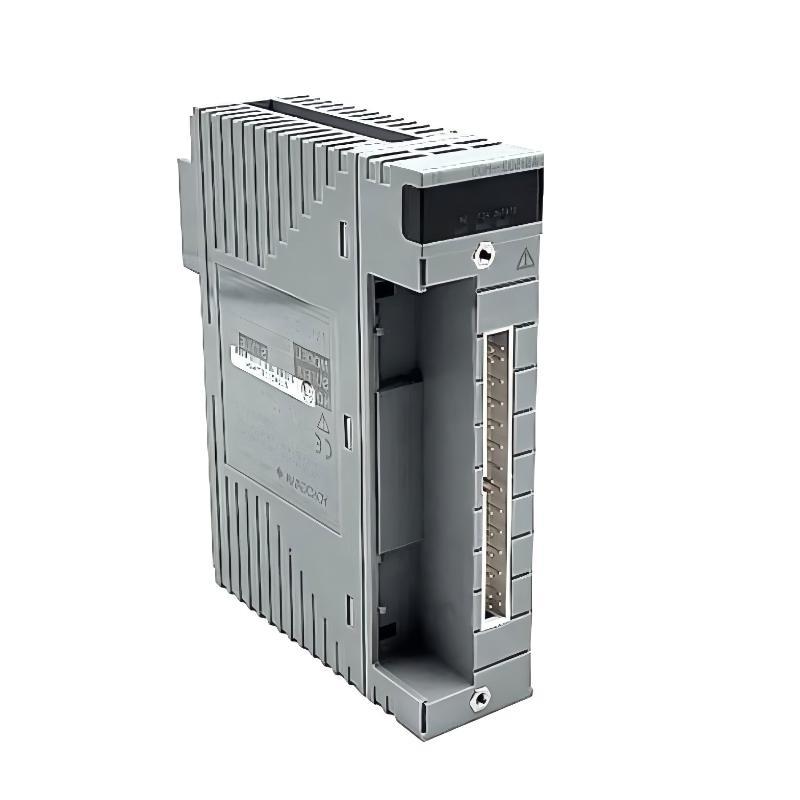
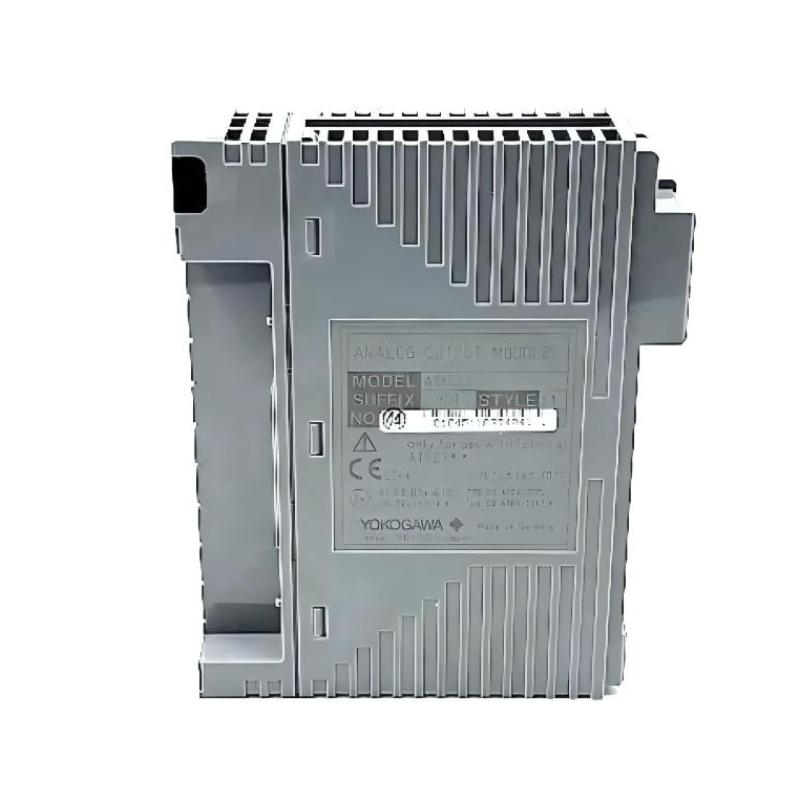
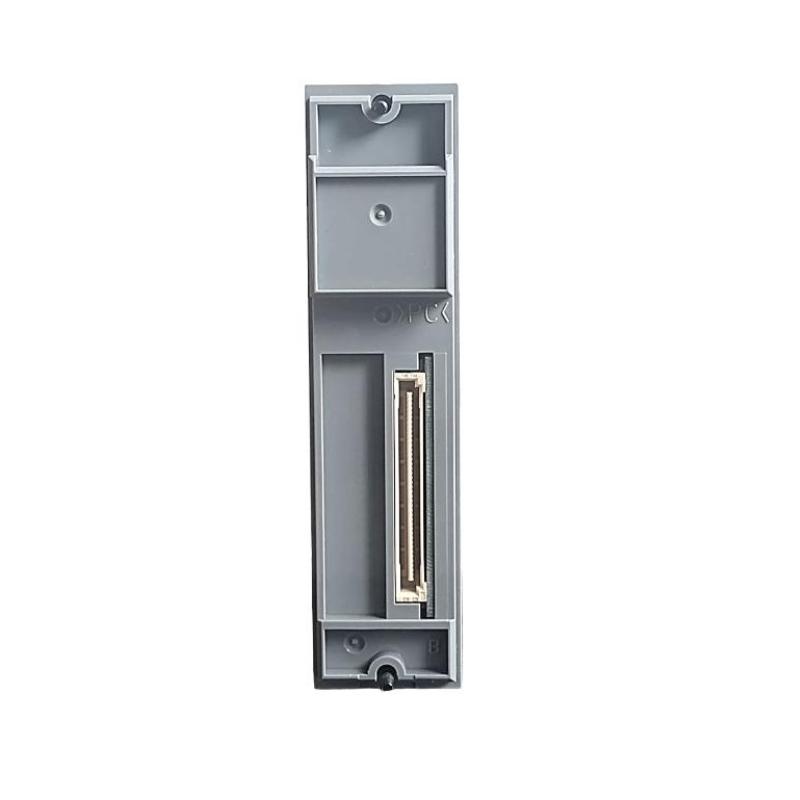
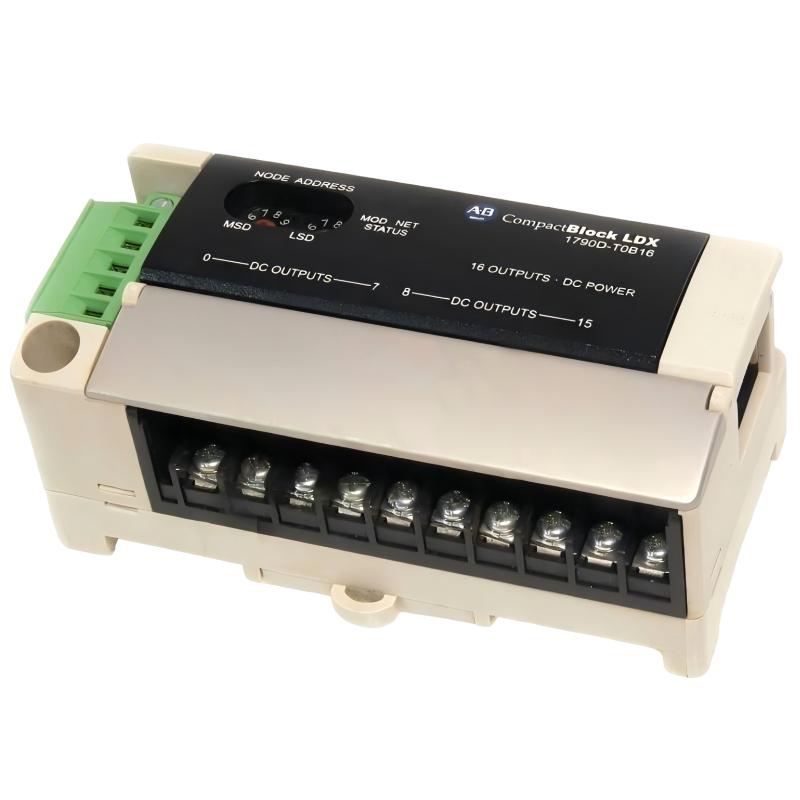
Brand:Yokogawa Electric Item No.:ASI533-S00 S1 Product Origin:Japan Product Dimensions:107.5 × 130 × 32.8 mm Product Weight:0.3 kg Payment:T/T, Western Union, Credit Card Goods_stock:15 Shipping Port:Xiamen, China Lead Time:1-3 Days Condition:Brand New And Original Warranty:1 Year Certificate:COO
The Yokogawa ASI533-S00 S1 Analog Output Module delivers reliable analog outputs for field devices in industrial automation systems. Designed for S1 distributed control systems, it ensures precise real-time control, enhances operational efficiency, and supports scalable network expansions.
Operators benefit from dependable control of actuators, valves, and instruments, enabling smooth process operation and optimized performance in demanding industrial environments.
Technical Specifications
Parameter
Description
Manufacturer
Yokogawa
Model
ASI533-S00 S1 Analog Output Module
Product Type
Analog Output Module
Dimensions
107.5 × 130 × 32.8 mm
Weight
0.3 kg
Output Type
Analog (system configured, typically 4–20 mA)
Operating Environment
Industrial Field and Process Control Systems
Integration
Yokogawa S1 and DCS Systems
Recommended Related Models
Yokogawa ASI531-S00 — S1 Analog Output Module
Yokogawa ASI532-S00 — S1 Analog Output Module
Yokogawa ASI534-S00 — S1 Analog Output Module
Yokogawa ASI535-S00 — S1 Analog Output Module
Popular Related Models
Yokogawa ALR121-S51 — S1 Serial Communication Module
Yokogawa AIP504-13 — S1 V Net Coupler Unit
Yokogawa ASI520-S00 — Analog Output Expansion Module
Yokogawa ASI540-S00 — Industrial Analog Output Module
Primary Applications
The Yokogawa ASI533-S00 S1 Analog Output Module is engineered to deliver precise analog outputs for industrial control systems. It allows real-time control of field devices, such as valves and actuators, enabling reliable process automation and efficient operational management.
Typical applications include:
Controlling actuators, valves, and analog field devices in industrial plants
Process automation in chemical, petrochemical, and power generation facilities
Real-time integration with Yokogawa S1 distributed control systems (DCS)
Supporting closed-loop control and feedback systems
Industrial manufacturing process monitoring and control
Expanding analog output capabilities in existing automation networks
Key Advantages
Provides accurate and stable analog signal outputs for reliable process control
Ensures seamless integration with Yokogawa S1 and DCS systems
Supports precise real-time operation of field devices and control loops
Robust industrial-grade design ensures dependable performance under harsh conditions
Enhances process efficiency, control precision, and system reliability
Enables scalable analog output expansion for flexible network growth
Technical FAQs
1. What is the primary function of this module?
It delivers accurate analog output signals to field devices in industrial control systems.
2. Is it compatible with Yokogawa S1 systems?
Yes, it integrates fully with Yokogawa S1 and DCS architectures.
3. What type of devices can it control?
Valves, actuators, and other analog field devices.
4. Can it be used in harsh industrial environments?
Yes, it is built for stable operation in demanding conditions.
5. How many channels does the module support?
The module supports multiple analog output channels as configured within the system.
6. Can it be used for retrofitting existing systems?
Yes, it allows expansion of analog outputs on existing networks.
7. Does it ensure real-time control accuracy?
Yes, it provides precise analog signals for closed-loop and process control.
8. Which industries commonly use this module?
Chemical, petrochemical, power generation, oil & gas, and industrial manufacturing.
9. Is routine maintenance required?
Minimal maintenance is needed; periodic inspection is recommended.
10. Can it improve process efficiency?
Yes, by providing reliable analog outputs, it enhances operational precision and efficiency.