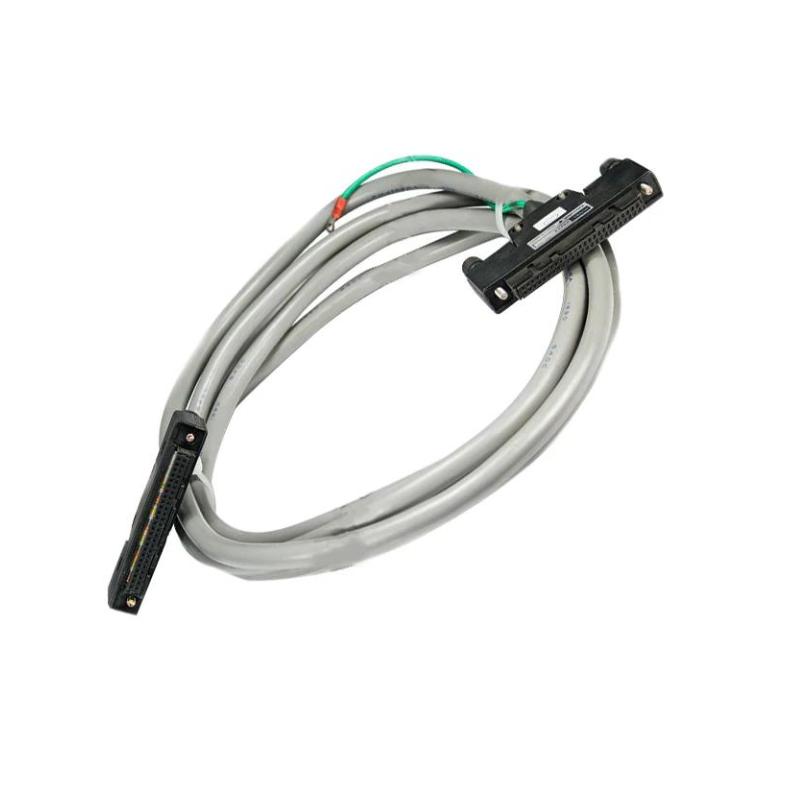
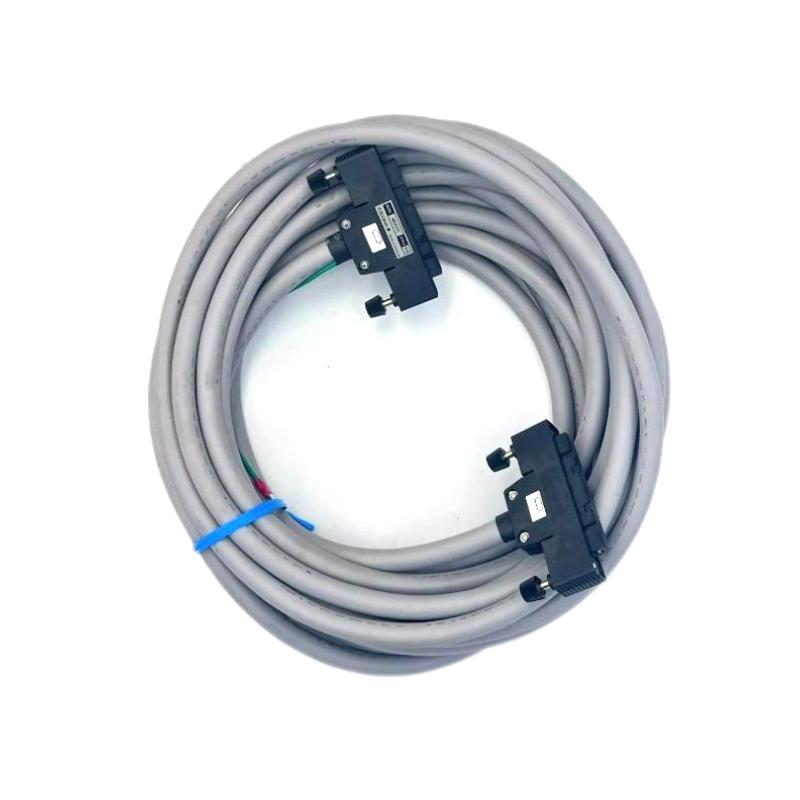
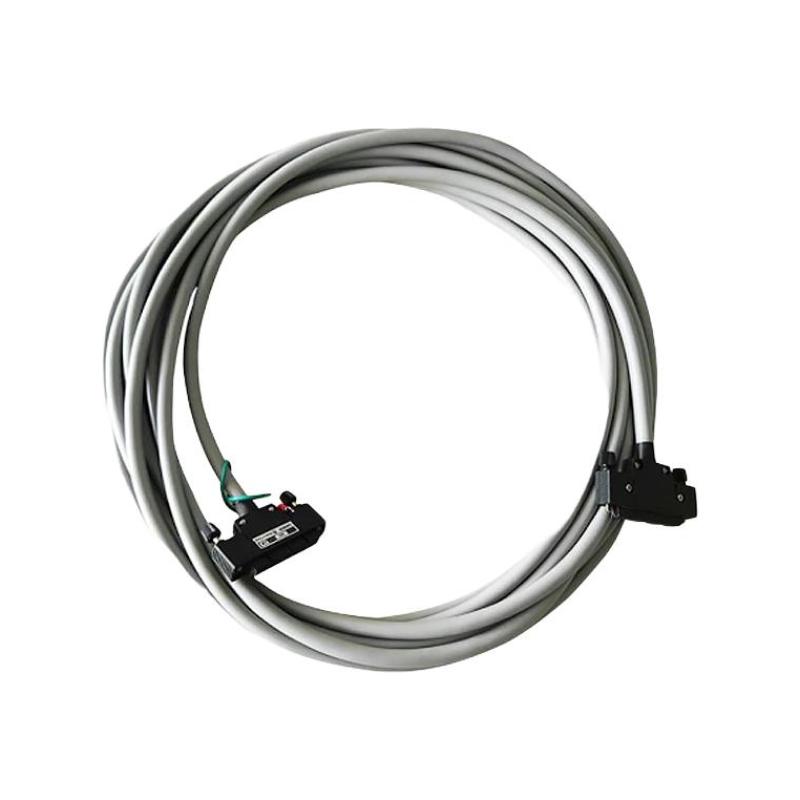
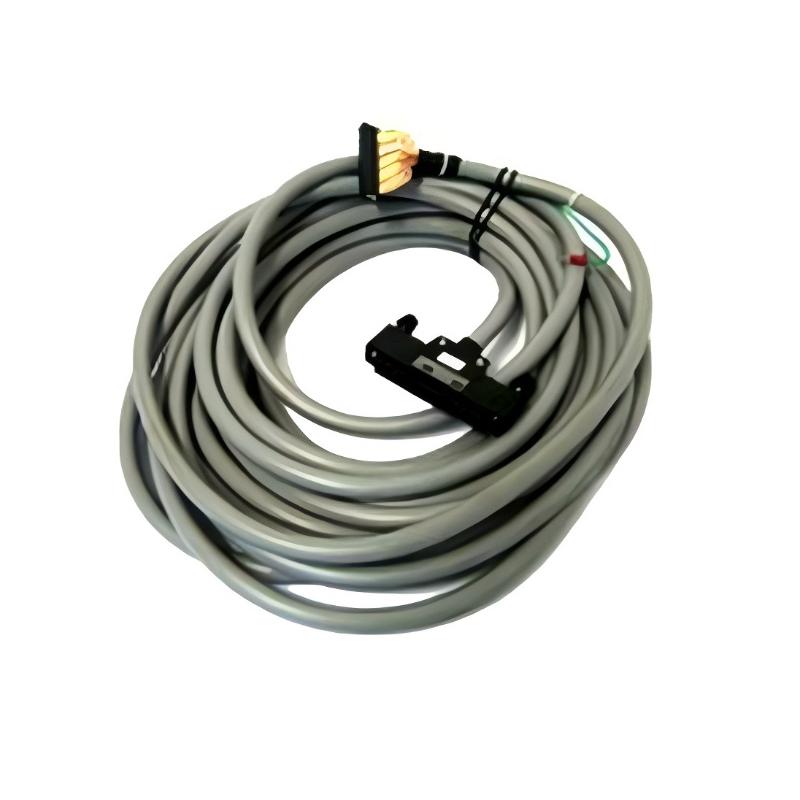
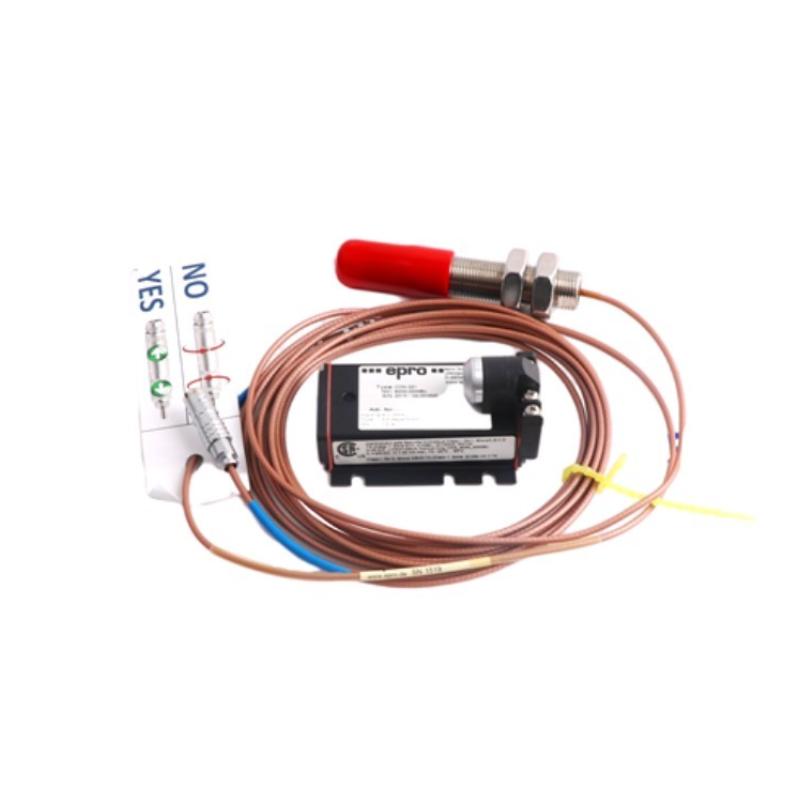
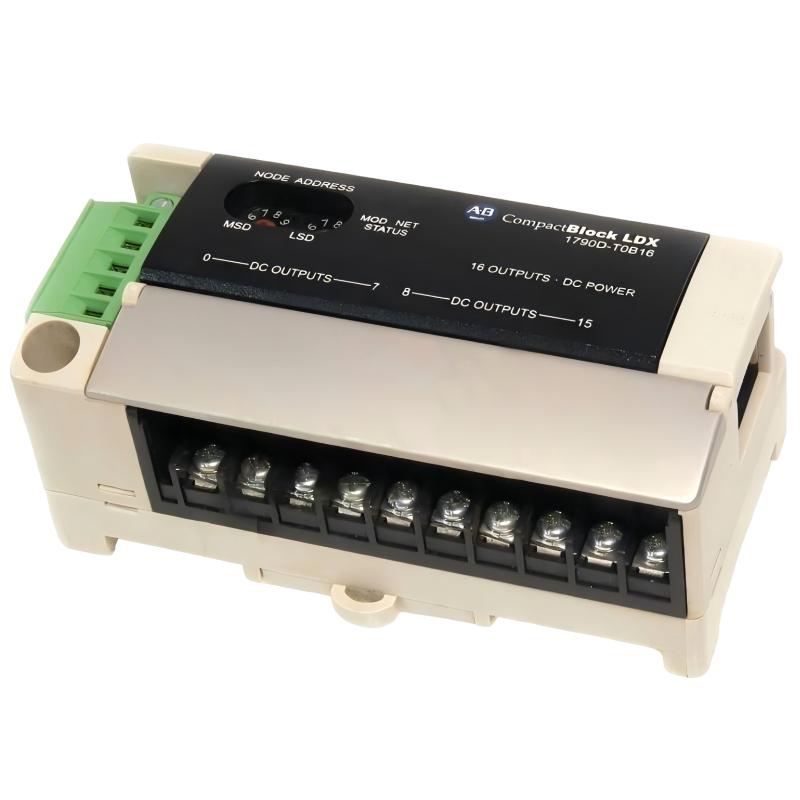
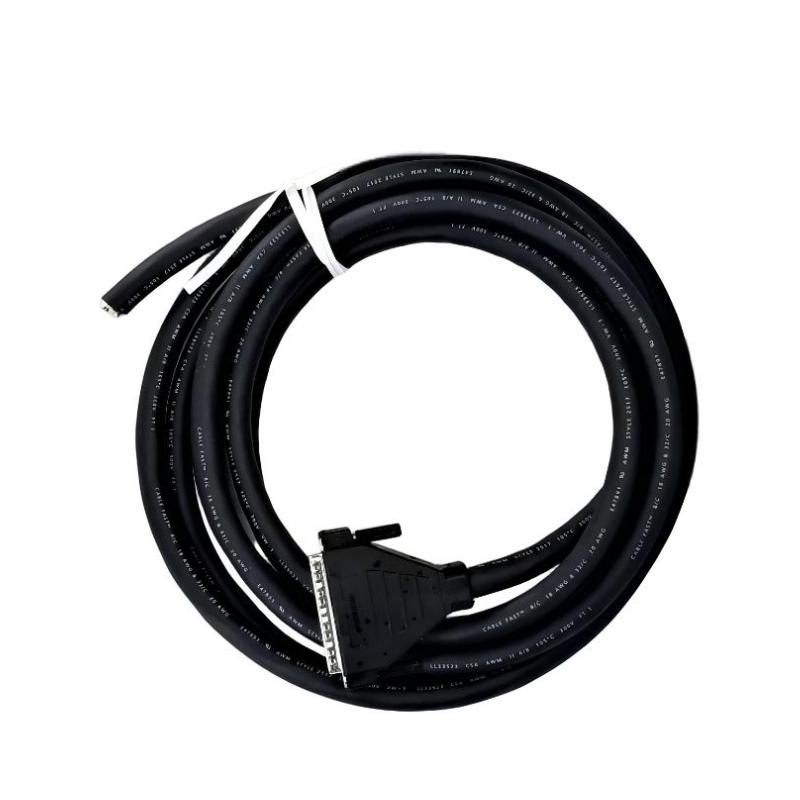
Yokogawa AKB331 Industrial Interface Cable Module for DCS Cabinet Wiring and Reliable Control System Signal Transmission
Yokogawa AKB331 Industrial Interface Cable Module for DCS Cabinet Wiring and Reliable Control System Signal Transmission
0.0
Points
Brand:Yokogawa Electric Item No.:Yokogawa AKB331 Product Origin:Japan Product Dimensions:5000 × 14 × 14 mm Product Weight:0.60 kg Payment:T/T, Western Union, Credit Card Goods_stock:15 Shipping Port:Xiamen, China Lead Time:1-3 Days Condition:Brand New And Original Warranty:1 Year Certificate:COO
The Yokogawa AKB331 Bus Interface Module is designed to provide stable and high-speed communication within Yokogawa’s CENTUM distributed control architecture. Built for long-term industrial deployment, this module ensures seamless integration between field control units and system-level networks, maintaining data integrity and deterministic communication in demanding process environments.
Engineered with Yokogawa’s proven reliability philosophy, the AKB331 supports mission-critical operations where system uptime and real-time data exchange are essential. It is widely deployed in refining, petrochemical, power generation, and large-scale manufacturing facilities where control precision and system continuity directly impact operational efficiency.
Technical Specifications
Parameter
Specification
Model
AKB331
Product Type
Bus Interface Module
Compatible System
CENTUM VP DCS
Communication Interface
Control Bus Interface
Mounting
Rack-mounted
Operating Voltage
5 V DC (via backplane)
Power Consumption
Approx. 4 W
Operating Temperature
0°C to 55°C
Storage Temperature
-20°C to 70°C
Relative Humidity
10% to 90% (non-condensing)
Dimensions (L × W × H)
130 × 32 × 177 mm
Weight
0.30 kg
Recommended Related Models
Yokogawa AKB336 Bus Interface Module
Yokogawa AAI143 Analog Input Module
Yokogawa AAI543 Analog Output Module
Yokogawa ADV151 Digital Input Module
Yokogawa ADV551 Digital Output Module
Yokogawa AIP502 Power Supply Module
Popular Yokogawa Control System Modules
Yokogawa AFV10D Field Control Unit
Yokogawa CP451 Processor Module
Yokogawa EC401 Communication Module
Yokogawa AAT145 Temperature Input Module
Yokogawa AAR181 RTD Input Module
Applications
The AKB331 is typically deployed in:
Oil & gas upstream and downstream facilities
Petrochemical processing plants
Thermal and combined cycle power stations
Pharmaceutical production lines
Pulp & paper continuous processes
Its primary role is to maintain stable communication between control layers, ensuring synchronized data exchange and consistent execution of process logic.
Advantages
High Communication Stability
Designed for deterministic bus communication, minimizing data loss or latency.
Industrial-Grade Reliability
Built for 24/7 continuous operation in harsh plant environments.
Seamless System Integration
Fully compatible with Yokogawa CENTUM architecture without additional configuration complexity.
Compact Design
Efficient rack footprint while maintaining robust functionality.
Long Lifecycle Support
Backed by Yokogawa’s long-term system continuity strategy, ensuring availability and maintainability.
Technical FAQs
1. What is the main function of the AKB331 module?
It serves as a bus interface module enabling communication within the CENTUM VP control network.
2. Is the AKB331 hot-swappable?
Hot-swapping capability depends on the system configuration and redundancy design within the control rack.
3. Which systems is it compatible with?
Primarily compatible with Yokogawa CENTUM VP distributed control systems.
4. Does it require an external power supply?
No, it receives power through the system backplane.
5. What environments is it suitable for?
Industrial environments with controlled temperature and humidity, including heavy process industries.
6. Can it be used in redundant configurations?
Yes, it supports redundant system architectures when configured accordingly.
7. What is the expected service life?
Under proper operating conditions, it supports long-term industrial operation aligned with Yokogawa system lifecycle standards.
8. How is it installed?
It is mounted directly into a compatible control system rack slot.
9. What maintenance is required?
Routine inspection for dust, secure connections, and environmental compliance is generally sufficient.
10. How does it improve system performance?
By ensuring stable and high-speed bus communication, it reduces communication errors and improves overall control responsiveness.