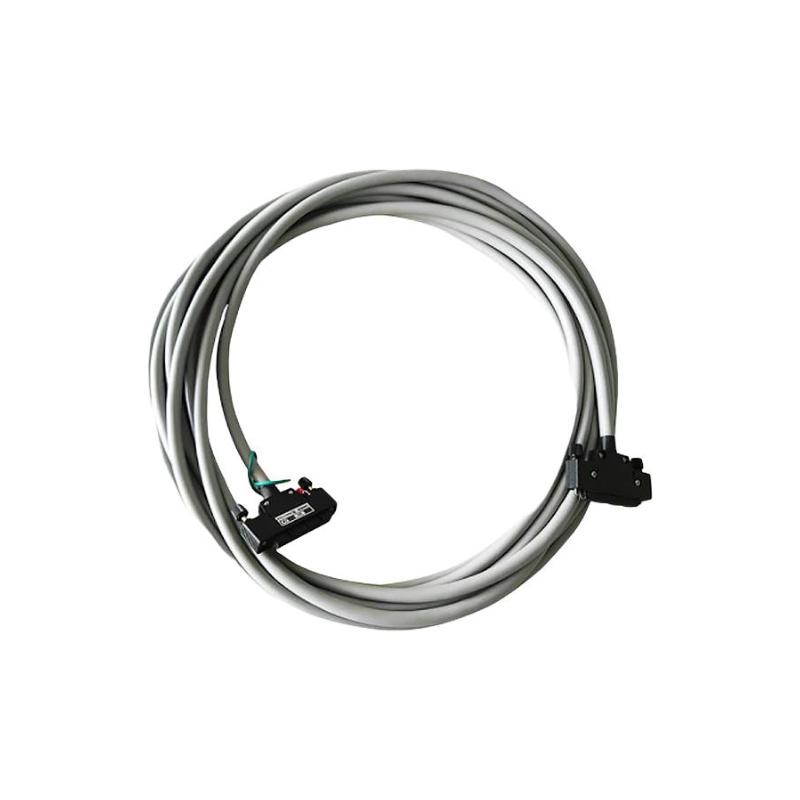
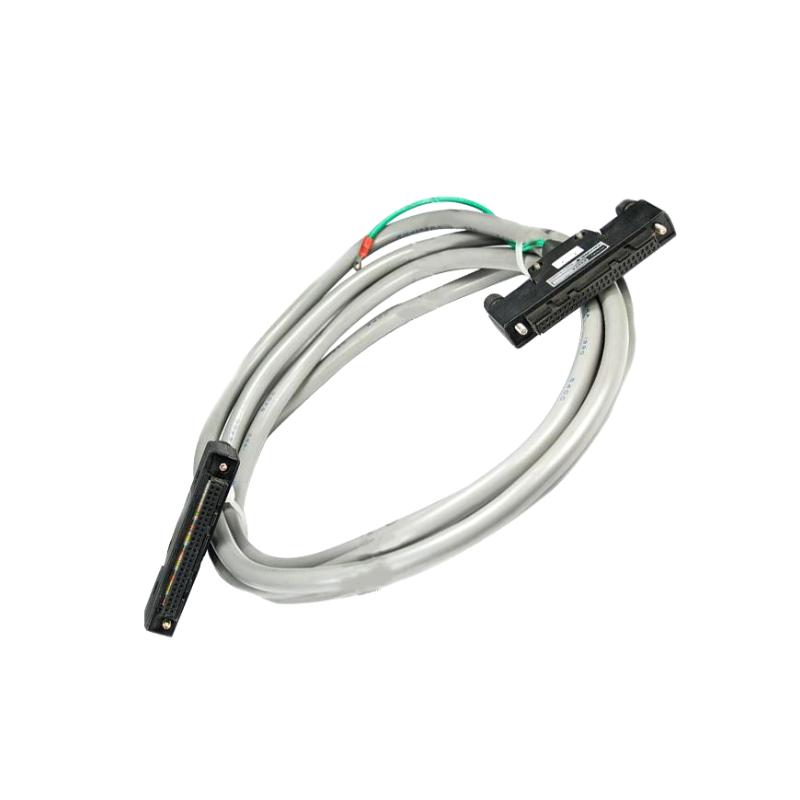
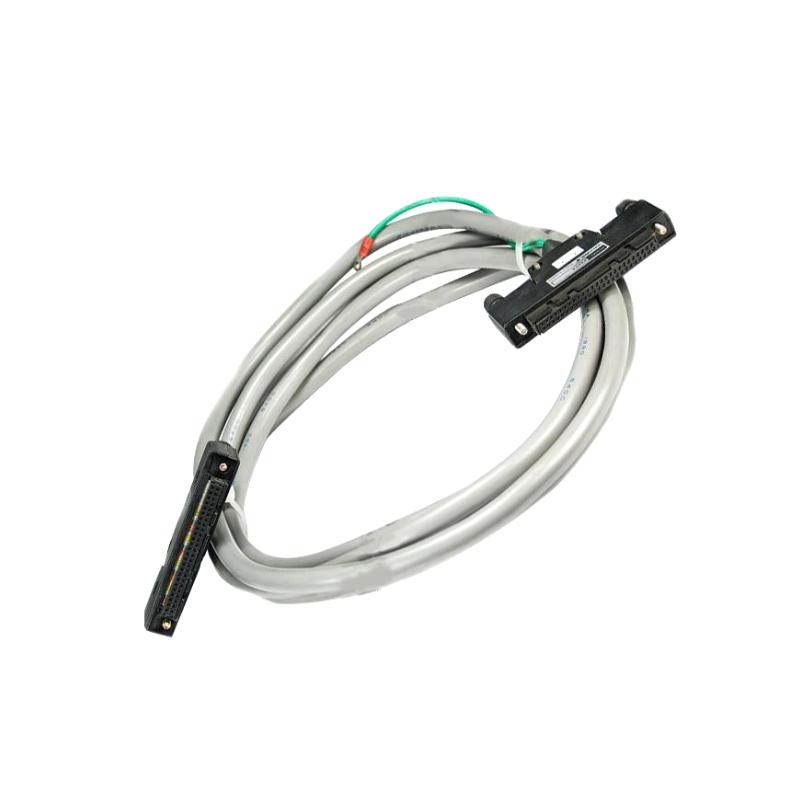
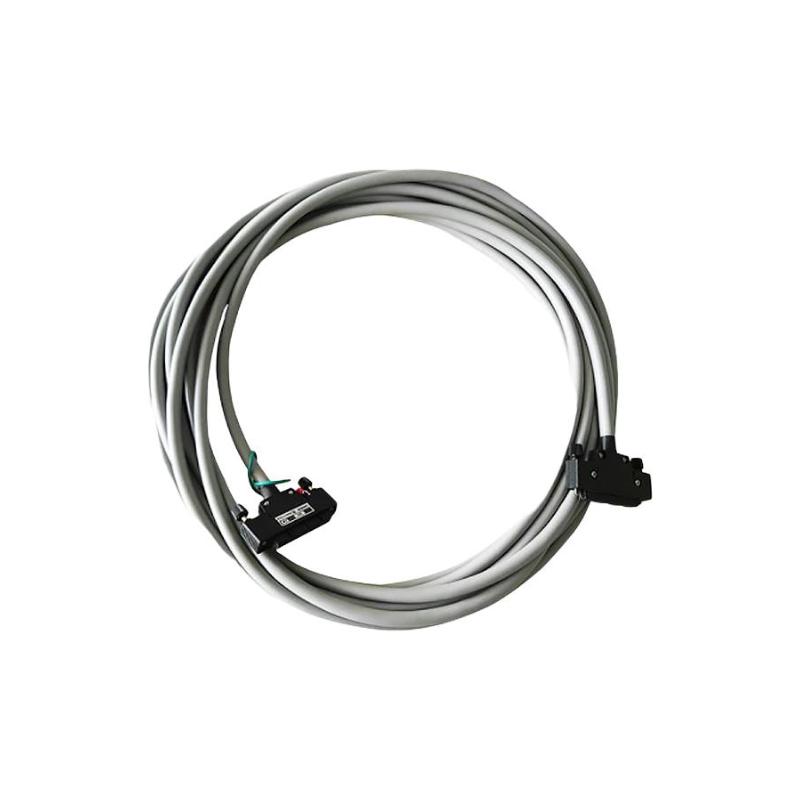
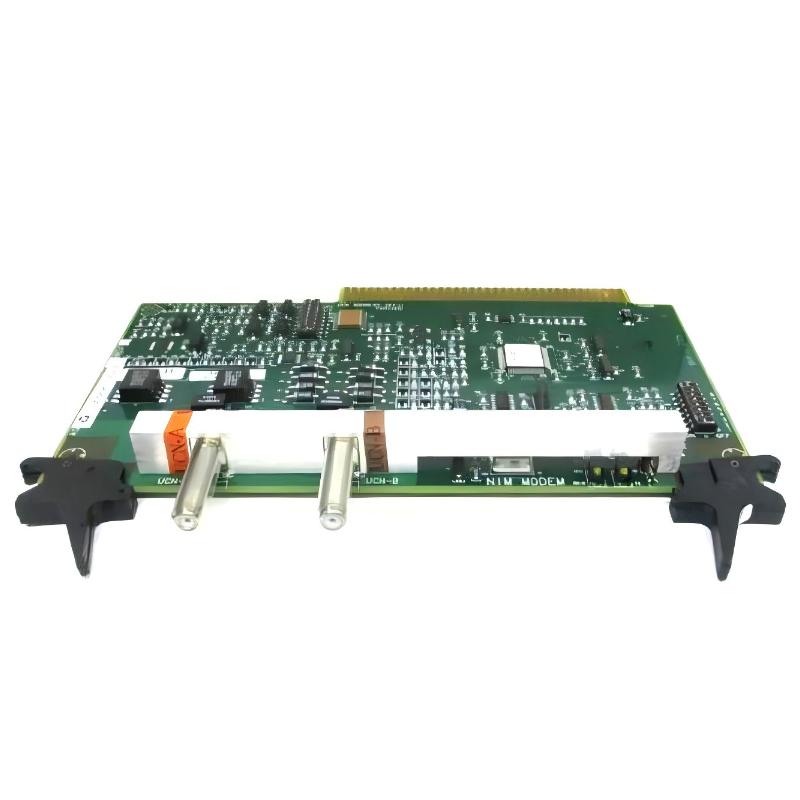
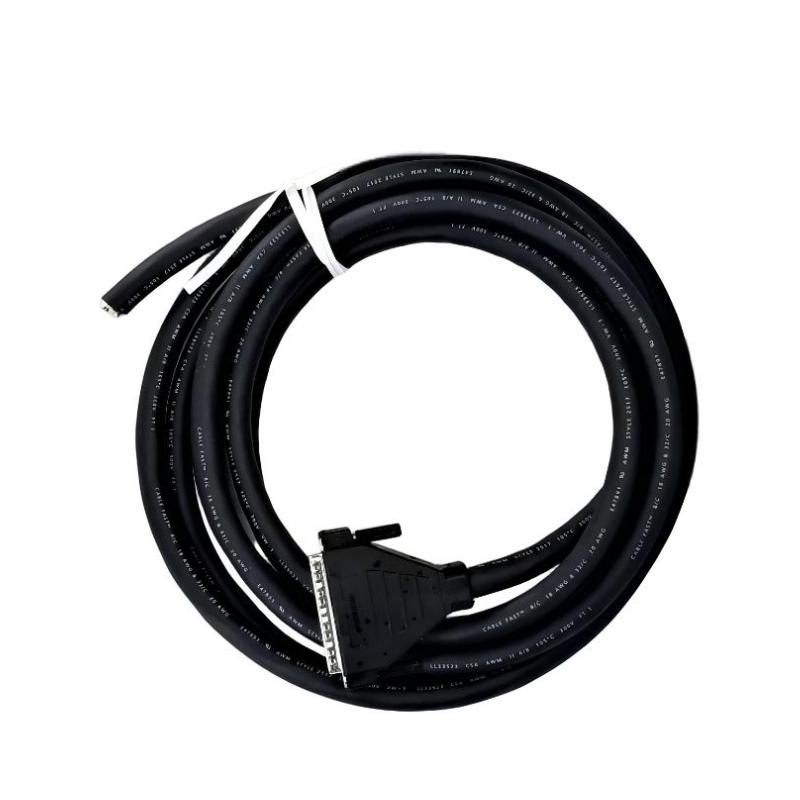
Yokogawa AKB335 Advanced Bus Interface Communication Module for CENTUM VP and Integrated Distributed Control Architectures
Yokogawa AKB335 Advanced Bus Interface Communication Module for CENTUM VP and Integrated Distributed Control Architectures
0.0
Points
Brand:Yokogawa Electric Item No.:Yokogawa AKB335 Product Origin:Japan Product Dimensions:130 × 32 × 177 mm Product Weight:0.38 kg Payment:T/T, Western Union, Credit Card Goods_stock:15 Shipping Port:Xiamen, China Lead Time:1-3 Days Condition:Brand New And Original Warranty:1 Year Certificate:COO
The Yokogawa AKB335 is a high-reliability bus interface communication module developed to support stable and deterministic data exchange within Yokogawa distributed control environments. As a critical infrastructure component inside CENTUM-based systems, the AKB335 ensures synchronized communication between control processors and field I/O networks.
Designed for long-term industrial deployment, this module reflects Yokogawa’s engineering philosophy of operational continuity, signal stability, and system scalability. It is particularly well-suited for large-scale process facilities where uninterrupted communication and precision control are essential for maintaining productivity and safety.
Technical Specifications
Parameter
Specification
Model
AKB335
Product Category
Bus Interface Communication Module
System Compatibility
CENTUM VP / CS3000 / ProSafe-RS
Communication Function
Control bus and field network interface
Mounting Type
Rack-mounted (backplane connection)
Power Supply
Supplied via system backplane
Power Consumption
Approx. 5 W
Operating Temperature
0°C to 55°C
Storage Temperature
−20°C to 70°C
Humidity
10–90% RH (non-condensing)
Dimensions (L × W × H)
130 × 32 × 177 mm
Weight
0.38 kg
Recommended Related Models
Yokogawa AKB331 Bus Interface Module
Yokogawa AKB336 High-Speed Communication Module
Yokogawa AAI143 Analog Input Module
Yokogawa ADV151 Digital Input Module
Yokogawa AIP502 Power Supply Module
Widely Used Yokogawa System Modules
Yokogawa CP451 Processor Module
Yokogawa AFV10D Field Control Unit
Yokogawa AAI543 Analog Output Module
Yokogawa ADV551 Digital Output Module
Yokogawa EC401 Communication Interface
Typical Applications
The AKB335 is typically deployed in:
Oil & gas upstream and downstream facilities
Petrochemical processing plants
Thermal and combined-cycle power stations
Pharmaceutical production environments
Continuous manufacturing industries
In these applications, the module maintains structured communication across distributed control layers, contributing to consistent data flow and reliable automation performance.
Key Advantages
Deterministic Communication Stability
Ensures accurate and timely signal exchange between control and I/O layers.
Engineered for Continuous Operation
Supports 24/7 industrial workloads in demanding environments.
Compact Footprint
Optimizes rack space while maintaining high communication efficiency.
Long-Term Operational Value
Designed to support extended lifecycle strategies common in large industrial plants.
Technical FAQs
1. What is the primary function of the AKB335 module?
It serves as a communication interface module within Yokogawa distributed control systems.
2. Which systems are compatible with AKB335?
It integrates with CENTUM VP, CS3000, and ProSafe-RS platforms.
3. Does it require an external power source?
No, it receives power directly from the system backplane.
4. Is the module suitable for redundant configurations?
Yes, it can be used within redundant DCS architectures.
5. What environmental conditions does it support?
Standard industrial cabinet environments within specified temperature and humidity ranges.
6. How is the module installed?
It is inserted into a compatible rack slot and connected through the backplane.
7. Does it directly handle analog signals?
It facilitates communication between signal-processing modules rather than directly handling field signals.
8. What industries commonly use this module?
Energy, petrochemical, manufacturing, pharmaceuticals, and utilities.
9. How does it enhance system reliability?
By maintaining stable and synchronized communication across distributed components.
10. What makes the AKB335 a dependable choice?
Its industrial-grade design, compatibility with established Yokogawa systems, and consistent communication performance.