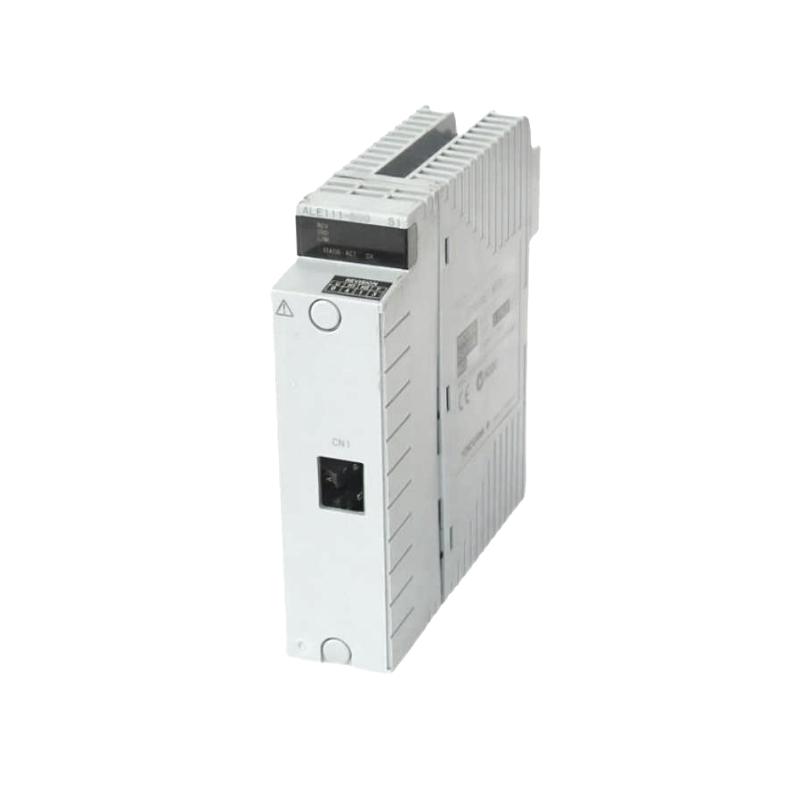
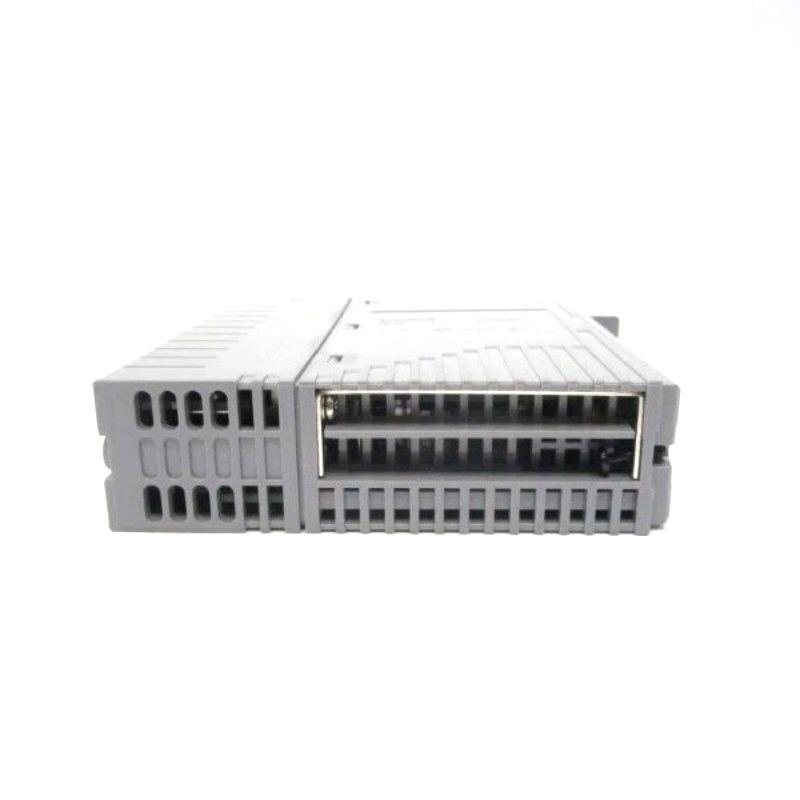
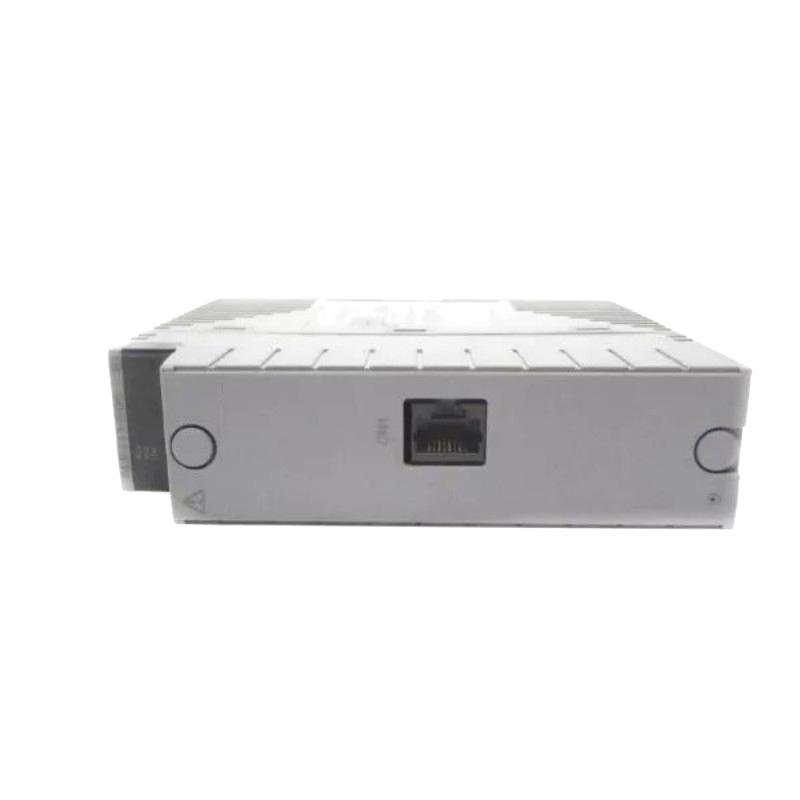
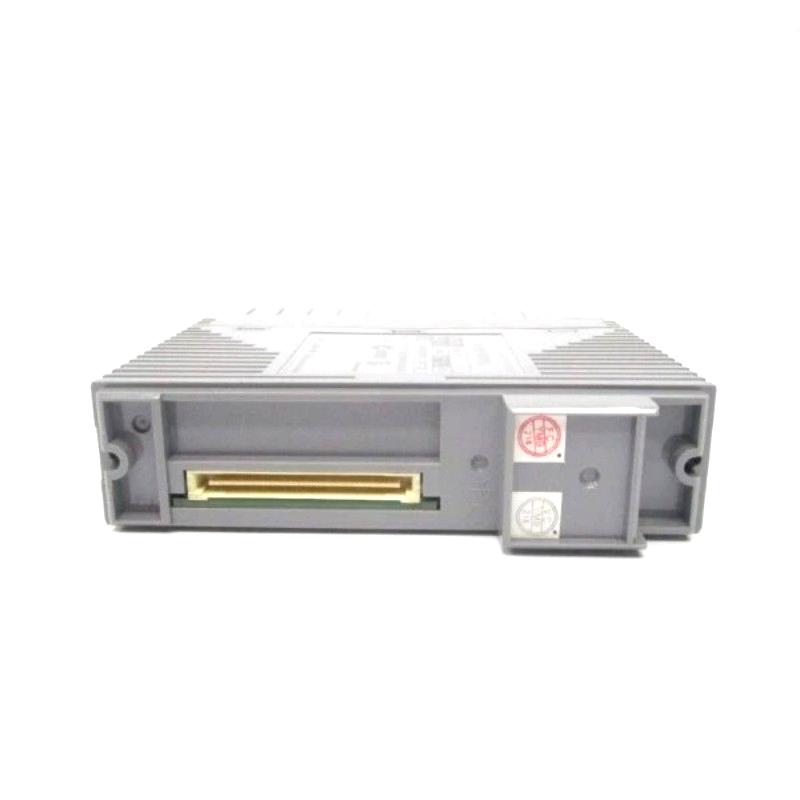
Yokogawa ALE111 Ethernet Communication Interface Module for CENTUM VP Distributed Control Systems
Yokogawa ALE111 Ethernet Communication Interface Module for CENTUM VP Distributed Control Systems
0.0
Points
Brand:Yokogawa Electric Item No.:Yokogawa ALE111 Product Origin:Japan Product Dimensions:130 × 32 × 177 mm Product Weight:0.42 kg Payment:T/T, Western Union, Credit Card Goods_stock:15 Shipping Port:Xiamen, China Lead Time:1-3 Days Condition:Brand New And Original Warranty:1 Year Certificate:COO
The Yokogawa ALE111 is a high-performance Ethernet communication interface module designed to enable secure and stable network connectivity within Yokogawa CENTUM distributed control systems. As modern process plants increasingly rely on high-speed data exchange, the ALE111 plays a vital role in connecting control domains, supervisory systems, and engineering workstations through reliable Ethernet infrastructure.
Engineered for deterministic communication and long-term operational stability, the ALE111 supports plant-wide integration while maintaining the robustness expected from Yokogawa automation platforms. It is widely implemented in mission-critical industries where network reliability directly impacts productivity, safety, and process transparency.
Technical Specifications
Parameter
Specification
Model
ALE111
Product Type
Ethernet Communication Interface Module
System Compatibility
CENTUM VP
Communication Interface
Ethernet (10/100 Mbps)
Network Ports
Dual Ethernet ports
Transmission Protocol
Industrial Ethernet communication
Mounting
Rack-mounted
Power Supply
Backplane powered
Power Consumption
Approx. 6 W
Operating Temperature
0°C to 55°C
Storage Temperature
−20°C to 70°C
Humidity
10–90% RH (non-condensing)
Dimensions (L × W × H)
130 × 32 × 177 mm
Weight
0.42 kg
Recommended Related Models
Yokogawa ALE111-S00 Ethernet Module Variant
Yokogawa ALR121 Serial Communication Module
Yokogawa CP451 Processor Module
Yokogawa AIP502 Power Supply Module
Yokogawa AFV10D Field Control Unit
Popular Yokogawa DCS Modules
Yokogawa AAI143 Analog Input Module
Yokogawa AAI543 Analog Output Module
Yokogawa ADV151 Digital Input Module
Yokogawa ADV551 Digital Output Module
Yokogawa EC401 Communication Module
Applications
The ALE111 Ethernet module is typically used in:
Control network backbone integration
Engineering workstation connectivity
Distributed plant network expansion
Data exchange between controllers and supervisory systems
Large-scale industrial automation facilities
It supports structured plant networking strategies while maintaining secure and reliable communication across automation layers.
Key Advantages
High-Speed Ethernet Communication
Enables efficient plant-wide data transmission with minimal latency.
Dual-Port Flexibility
Supports network redundancy or structured topology configurations.
Industrial Reliability
Designed for continuous operation in demanding industrial environments.
Seamless CENTUM Integration
Fully compatible with Yokogawa DCS architecture, reducing configuration complexity.
Enhanced System Transparency
Improves visibility and control responsiveness across distributed systems.
Technical FAQs
1. What is the primary function of the ALE111 module?
It provides Ethernet communication capability within Yokogawa CENTUM VP systems.
2. Does it support redundant networking?
Yes, dual Ethernet ports allow implementation of redundancy or structured network topologies.
3. What type of systems is it compatible with?
It is designed for Yokogawa CENTUM VP distributed control systems.
4. Does the module require an external power supply?
No, it receives power from the system backplane.
5. What is the operating temperature range?
0°C to 55°C in controlled cabinet environments.
6. Can it connect to standard industrial Ethernet switches?
Yes, it integrates with standard industrial Ethernet infrastructure.
7. Is it suitable for mission-critical applications?
Yes, it is engineered for high-reliability industrial networking environments.
8. What industries typically deploy ALE111?
Oil & gas, petrochemical, power generation, pharmaceuticals, and large-scale manufacturing.
9. How is the module installed?
It is mounted into a compatible system rack slot.
10. What benefit does it bring to DCS architecture?
It strengthens network communication stability and enhances overall control system responsiveness.