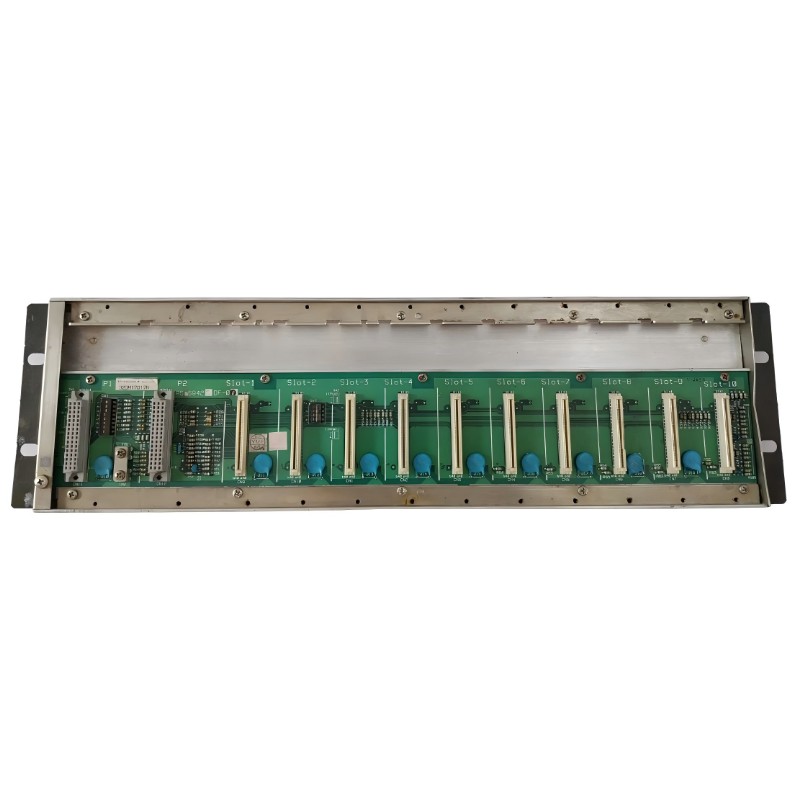
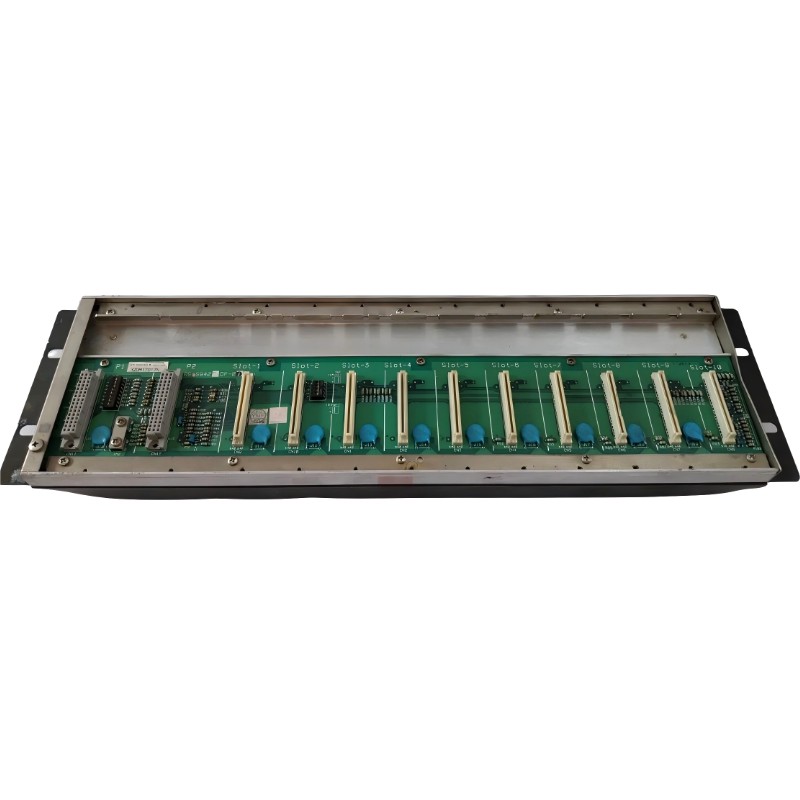
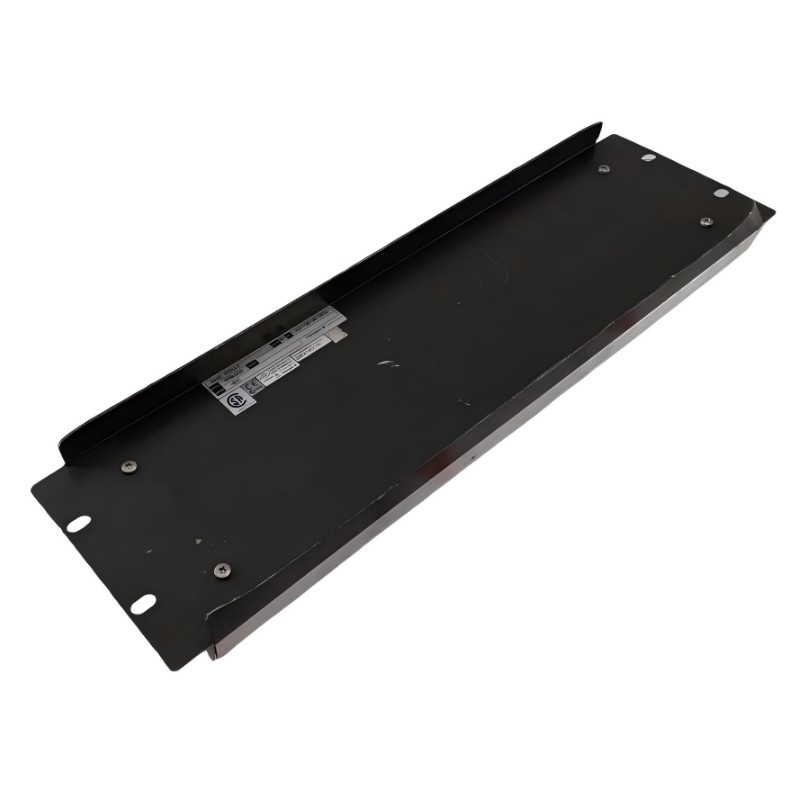
Brand:Yokogawa Electric Item No.:NFBU200-015 Product Origin:Japan Product Dimensions:440 x 131 x 42.3 mm Product Weight:1.0 kg Payment:T/T, Western Union, Credit Card Goods_stock:15 Shipping Port:Xiamen, China Lead Time:1-3 Days Condition:Brand New And Original Warranty:1 Year Certificate:COO
The Yokogawa NFBU200-015 Basic Module serves as a fundamental component within Yokogawa automation systems, providing the structural and operational foundation required for reliable module integration. It supports the installation of control modules and ensures stable system architecture within industrial automation cabinets.
Built for long-term reliability, the NFBU200-015 is engineered to withstand demanding industrial conditions where operational continuity is essential. Its robust construction and optimized design make it well suited for complex automation environments requiring dependable hardware infrastructure.
Technical Specifications
Parameter
Specification
Manufacturer
Yokogawa
Model
NFBU200-015
Product Type
Basic Module
Installation
Industrial control cabinet
Application
Distributed control and automation systems
Dimensions
440 × 131 × 42.3 mm
Weight
1 kg
Recommended Related Models
Model
Description
NFBU200-010
Basic System Module
NFBU200-020
System Expansion Module
NFCP100-S00
Control Processor Module
NFPW442-50
Power Supply Module
NFAI143-H00
Analog Input Module
Popular Related Models
Model
Description
NFDV551-P00
Digital Output Module
NFDV161-P00
Digital Input Module
NFCP502-W00
Control Processor
NFAI135-S00
Analog Input Module
NFAO041-S00
Analog Output Module
NFPW444-50
Power Supply Unit
Typical Application Areas
Core module used within Yokogawa control system architectures for stable system expansion
Integrated into distributed control systems to support modular automation structures
Installed in industrial monitoring systems where reliable control infrastructure is required
Applied in power generation plants to maintain stable controller frameworks
Utilized in oil & gas processing environments for dependable system integration
Deployed in large manufacturing facilities requiring scalable automation platforms
Used in process industries such as chemicals, pharmaceuticals, and water treatment
Operational Advantages
Reliable System Foundation – Provides a stable hardware platform for building Yokogawa control system architectures.
Industrial-Grade Design – Engineered to perform reliably in demanding industrial environments.
Efficient System Expansion – Allows flexible expansion of automation systems as operational requirements grow.
Optimized Integration – Works seamlessly with Yokogawa control modules to maintain coordinated system performance.
Long-Term Operational Stability – Designed for continuous operation in mission-critical industrial facilities.
Compact Yet Robust Structure – Balances structural strength with efficient cabinet space utilization.
Technical FAQs
1. What is the main purpose of the NFBU200-015 module?
The module acts as a fundamental hardware component within Yokogawa control system architectures, supporting the installation and operation of system modules.
2. How does this module contribute to control system stability?
It provides a structured base for module integration, ensuring reliable connectivity and stable system operation.
3. In what types of industrial systems is this module commonly used?
It is widely used in distributed control systems within industries such as power generation, oil and gas, chemical processing, and manufacturing.
4. Can the module support system scalability?
Yes, its design allows additional control modules to be integrated easily, supporting future system expansion.
5. Why is a basic module important in automation systems?
Basic modules form the structural backbone of control platforms, enabling secure installation and reliable operation of control components.
6. Is the module suitable for continuous industrial operation?
Yes, it is designed to operate reliably in environments where systems run continuously for extended periods.
7. How does the module assist in maintaining system organization?
By providing a structured platform for module installation, it helps maintain clear system architecture and simplified maintenance.
8. What role does the module play in distributed automation networks?
It supports the physical and functional integration of modules that communicate across the automation network.
9. Can the module improve maintenance efficiency?
Yes, its modular design allows technicians to install or replace system modules efficiently.
10. Is the module compatible with other Yokogawa system components?
Yes, it is specifically designed to work within Yokogawa automation platforms and related modules.