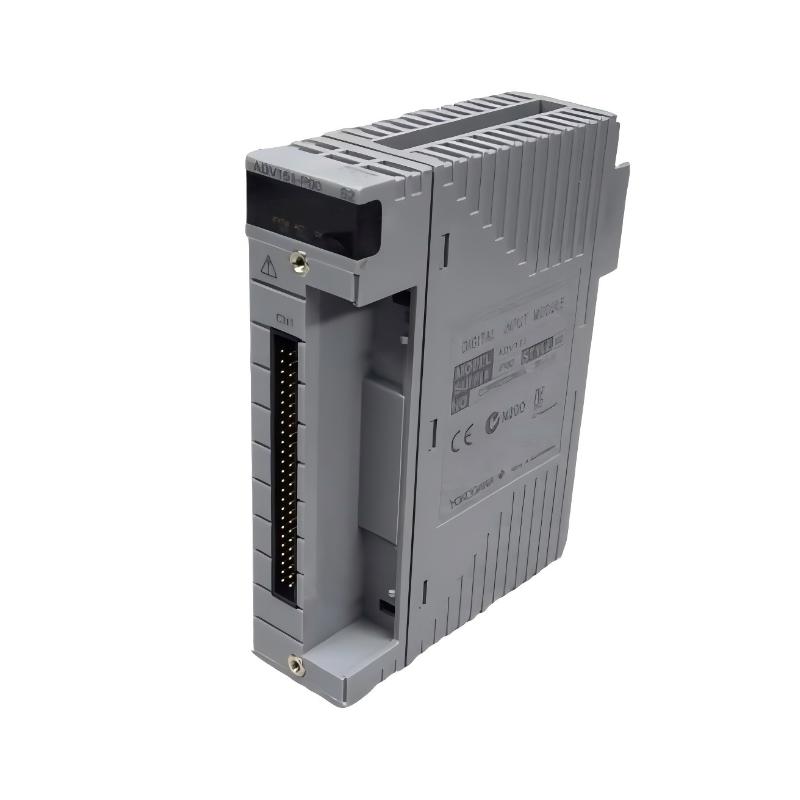
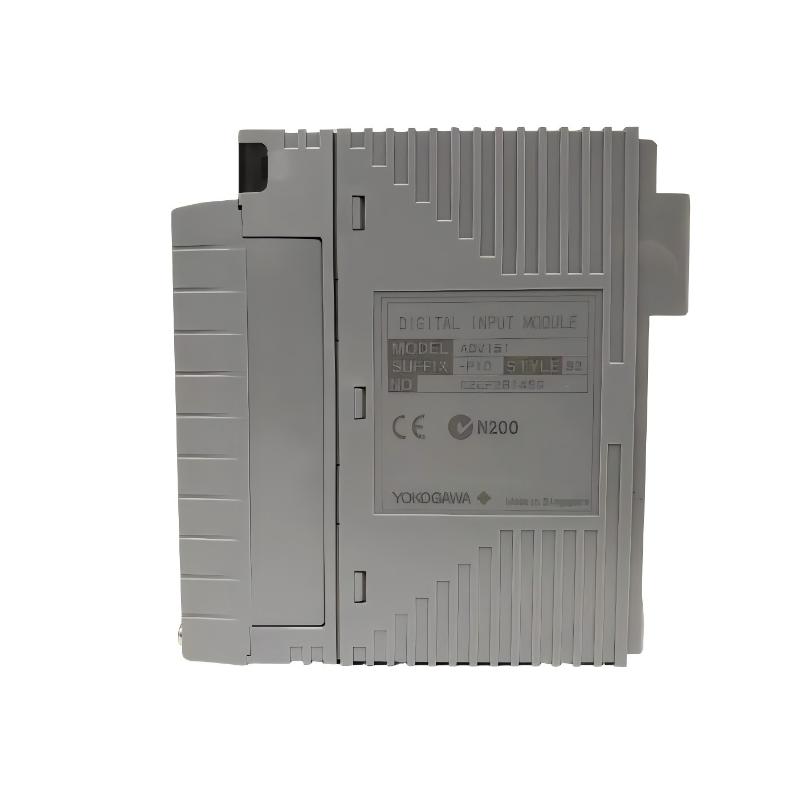
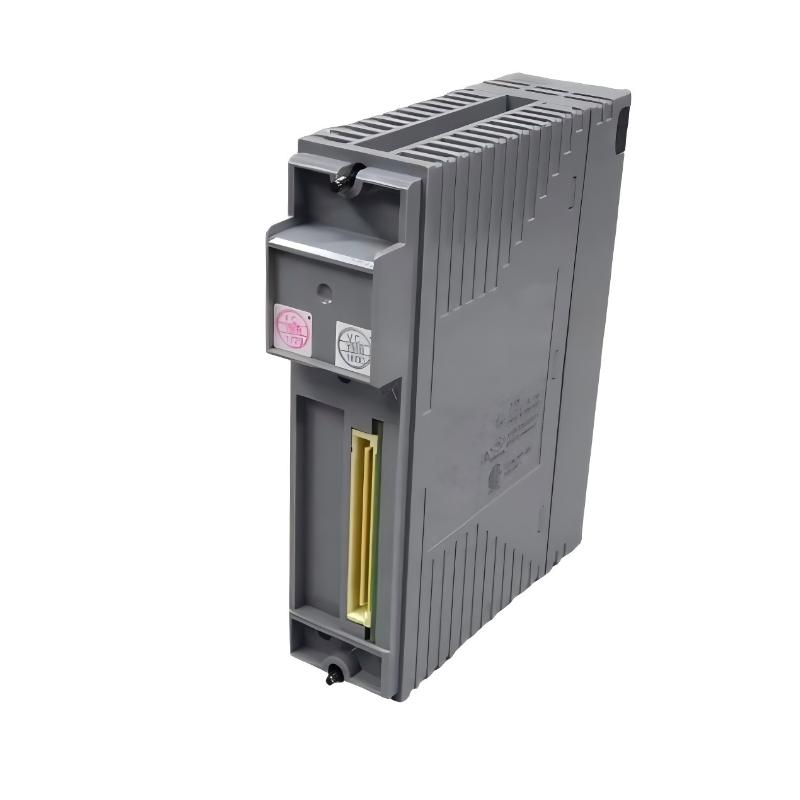
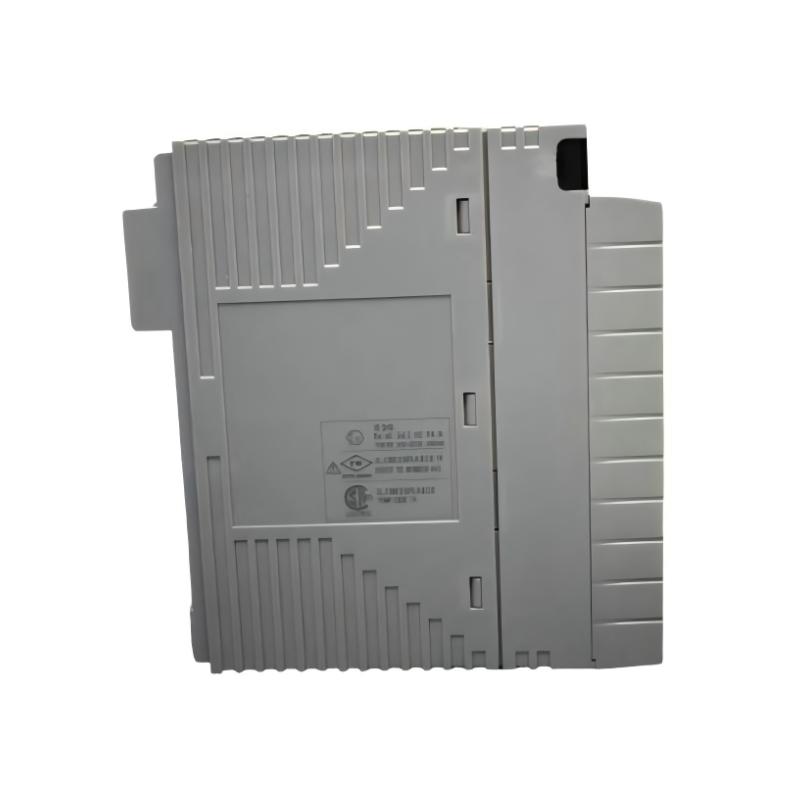
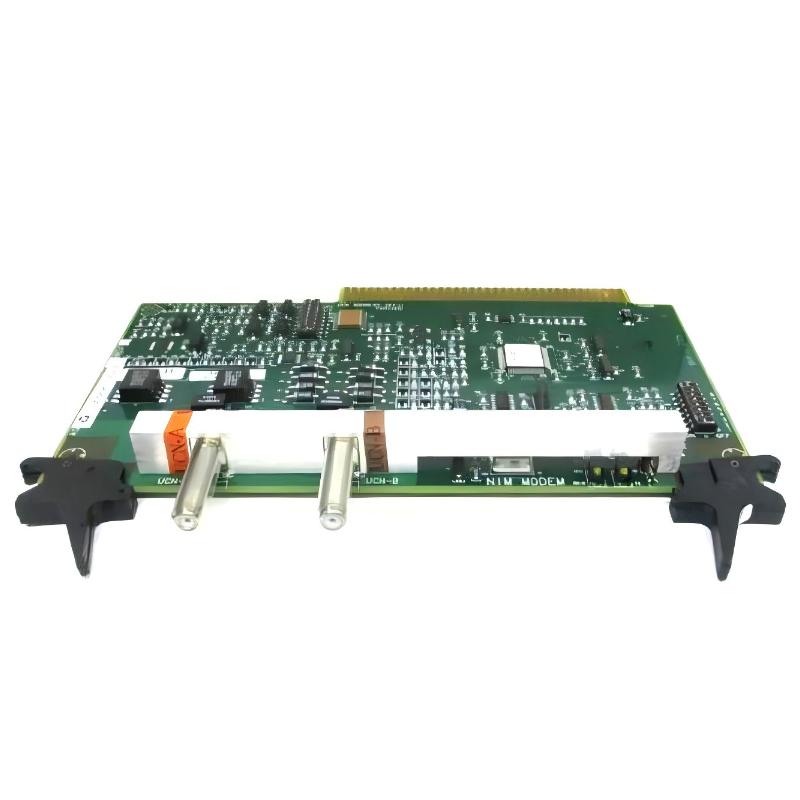
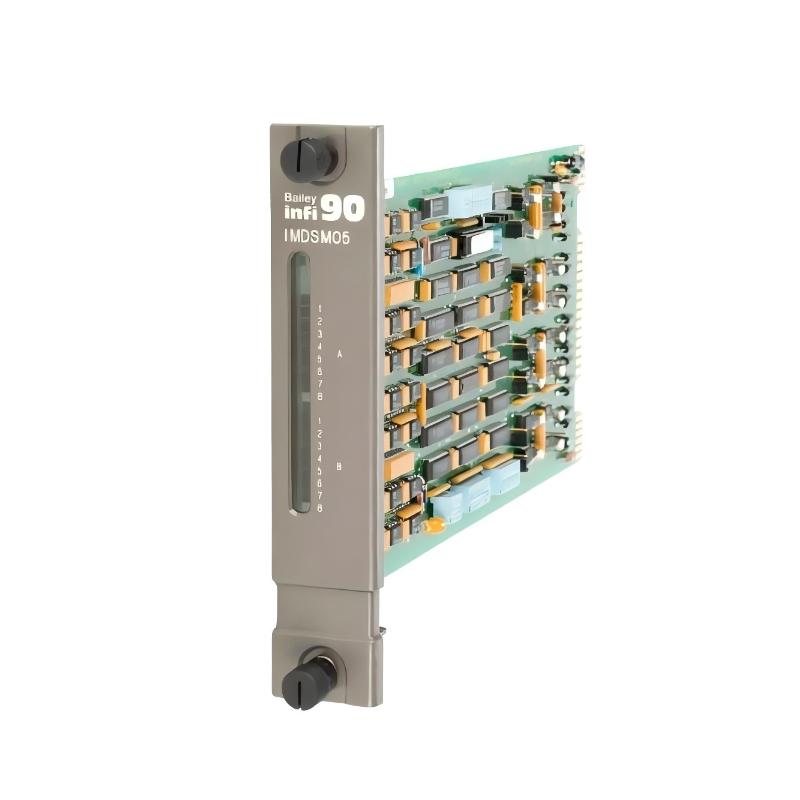
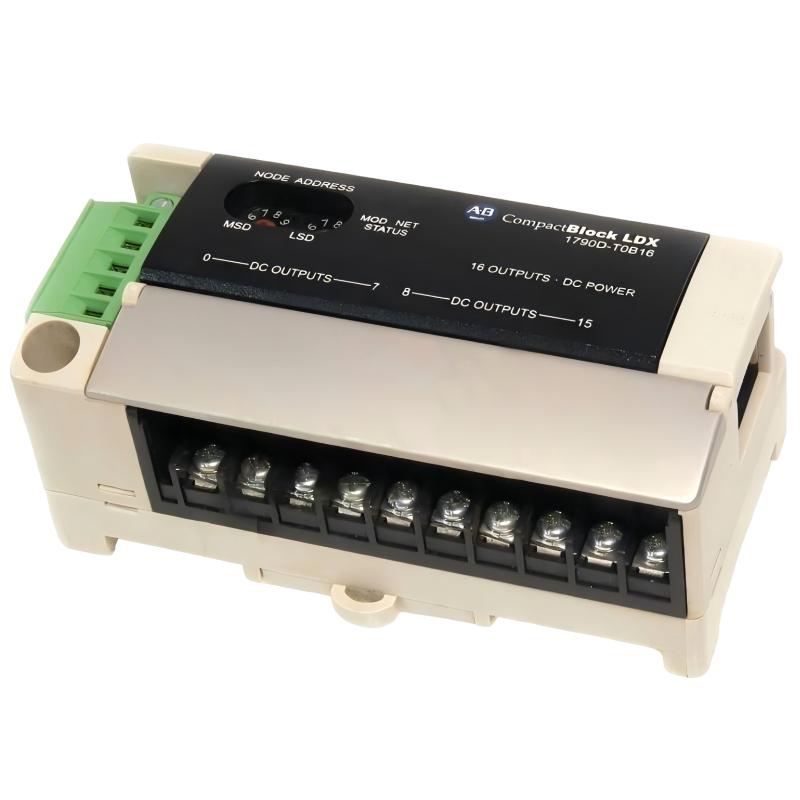
Brand:Yokogawa Electric Item No.:ADV151-P10 S2 Product Origin:Japan Product Dimensions:107.5 × 130 × 32.8 mm Product Weight:0.3 kg Payment:T/T, Western Union, Credit Card Goods_stock:15 Shipping Port:Xiamen, China Lead Time:1-3 Days Condition:Brand New And Original Warranty:1 Year Certificate:COO
The Yokogawa ADV151-P10 S2 Numeric Input Module is a reliable digital input interface designed for distributed control systems in industrial environments. It captures discrete signals from field devices and transmits them to the control system for monitoring and automation. With a compact structure and stable performance, this module helps ensure efficient signal acquisition and dependable plant operation.
Technical Specifications
Parameter
Description
Product Model
ADV151-P10 S2
Product Type
Numeric / Digital Input Module
Manufacturer
Yokogawa
Function
Digital Signal Acquisition
System Compatibility
Yokogawa Distributed Control Systems
Installation
Control Rack / Industrial Cabinet
Dimensions
107.5 × 130 × 32.8 mm
Weight
0.3 kg
Recommended Related Models
Yokogawa AAV141-S00 S2 – Analog input module for process signal acquisition
Yokogawa AAI143-S00 S1 – Multi-channel analog input module for DCS systems
Yokogawa AAR145-S00 – Analog output module for industrial process control
Yokogawa ADV551-P00 S2 – Digital output module for automation control systems
Yokogawa AAI835-H00 – High-performance analog input module for plant monitoring
Popular Related Models
Yokogawa ADV159-P00 – Digital input module used in Yokogawa automation platforms
Yokogawa AAI141-S00 S2 – Analog input module for distributed control systems
Yokogawa ADV561-P00 – Digital output module for industrial control applications
Yokogawa AAR181-S00 S2 – Analog output module for process automation
Yokogawa AAI543-S00 – Multi-channel analog input module for plant monitoring
Typical Industrial Uses
Digital signal acquisition in distributed control systems (DCS)
Monitoring status signals from switches, relays, and field devices
Integration in process automation systems for plant-wide monitoring
Industrial control cabinets for manufacturing and energy facilities
Interface between field equipment and Yokogawa control platforms
Core Advantages
Stable digital signal detection for accurate system monitoring
Compact module design ideal for high-density I/O racks
Reliable performance for continuous industrial operation
Seamless integration with Yokogawa distributed control systems
1. What is the main purpose of the ADV151-P10 S2 module?
It receives digital input signals from field devices such as switches, relays, or sensors and transmits the data to the control system.
2. What types of signals does this module process?
It processes discrete or digital signals typically used for equipment status monitoring and control logic.
3. Is this module designed for Yokogawa DCS systems?
Yes, it is specifically developed for use within Yokogawa distributed control system architectures.
4. Can the module operate continuously in industrial environments?
Yes, it is engineered for reliable 24/7 operation in demanding industrial plants.
5. How does the module contribute to automation systems?
By capturing digital signals from field devices, it allows the control system to monitor equipment status and execute control logic.
6. Is it suitable for process industries such as oil and gas?
Yes, it is widely used in industries including oil & gas, power generation, chemical processing, and manufacturing.
7. Can the module be installed in standard control racks?
Yes, it is designed for installation in Yokogawa I/O racks within industrial control cabinets.
8. How does the module improve system reliability?
It ensures accurate signal acquisition and stable communication with the control system.
9. Does the module support integration with other Yokogawa I/O modules?
Yes, it operates alongside other Yokogawa analog and digital modules within the same system architecture.
10. Why are digital input modules important in industrial control systems?
They allow the control system to detect equipment states, alarms, and operational signals, enabling automated control and monitoring.