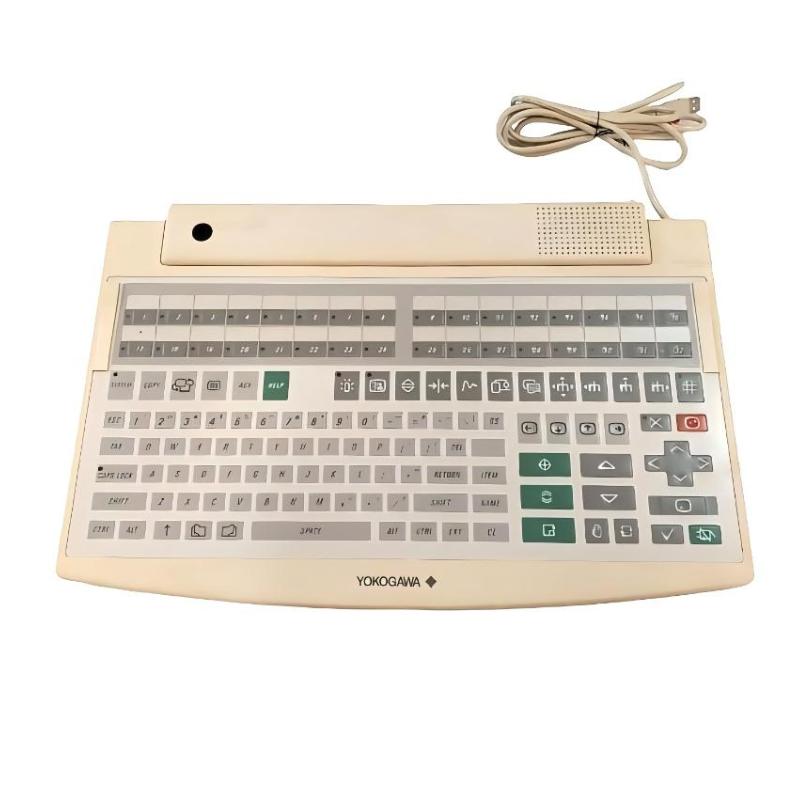
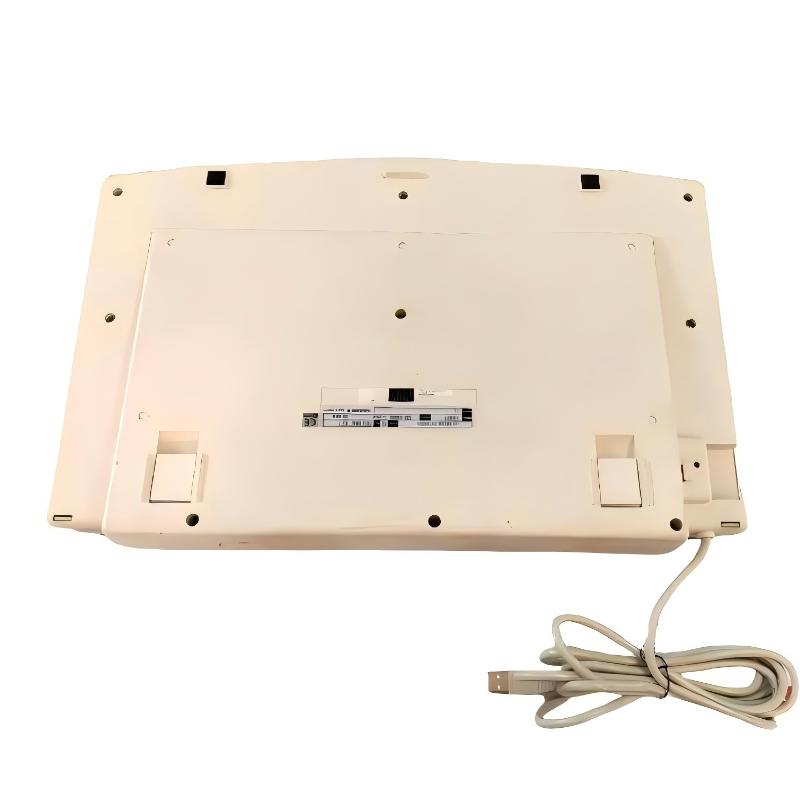
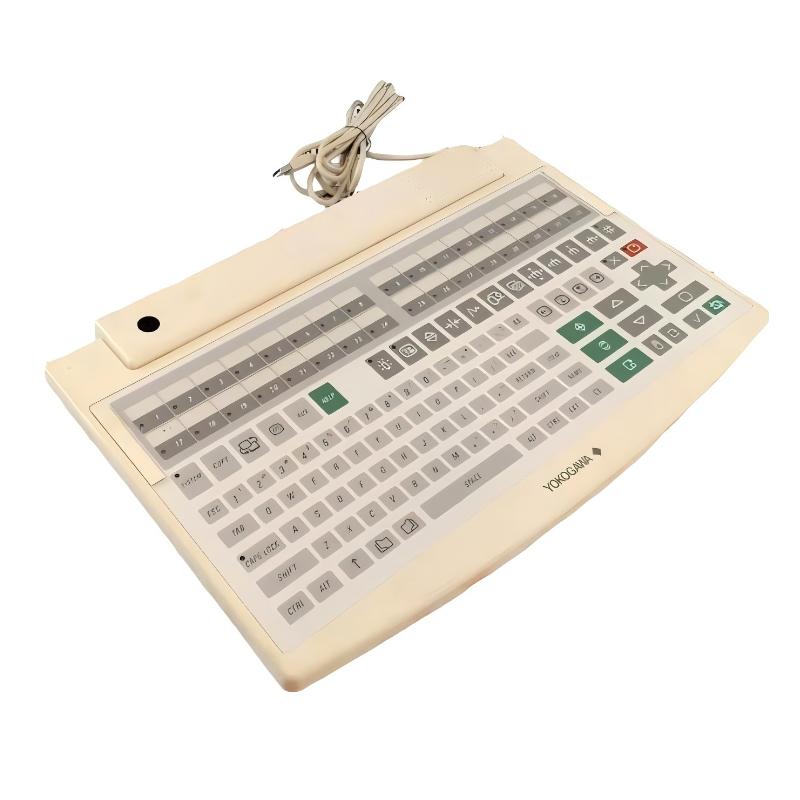
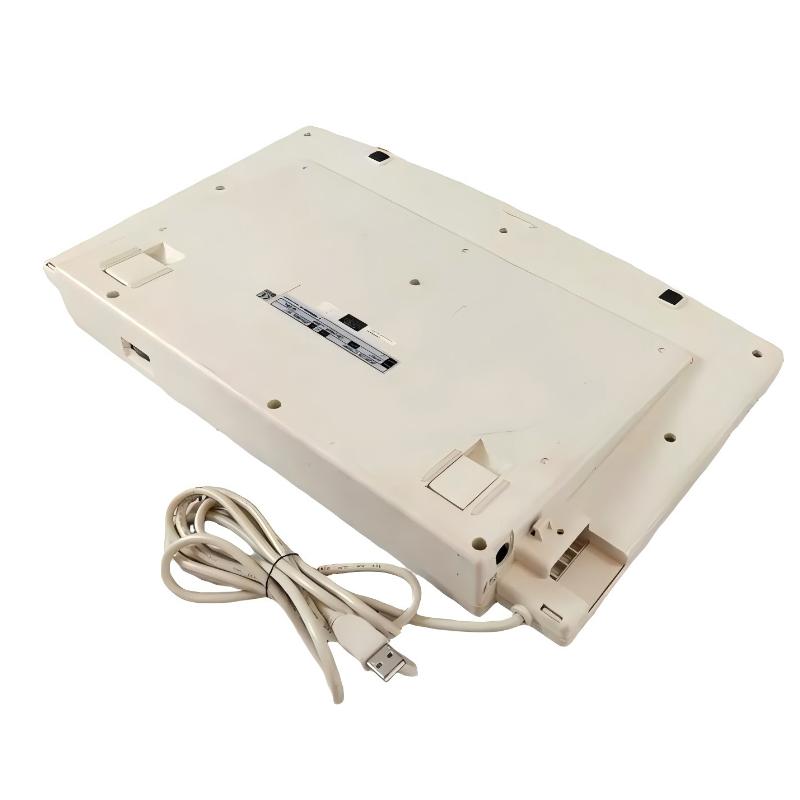
Brand:Yokogawa Electric Item No.:AIP826-2 Product Origin:Japan Product Dimensions:440 x 284 x 52 mm Product Weight:2.5 kg Payment:T/T, Western Union, Credit Card Goods_stock:15 Shipping Port:Xiamen, China Lead Time:1-3 Days Condition:Brand New And Original Warranty:1 Year Certificate:COO
The Yokogawa AIP826-2 Keyboard is an industrial-grade operator input device developed for Yokogawa control system workstations. It enables efficient interaction between plant operators and distributed control system interfaces, supporting reliable command input and system navigation. Built with durability and operational reliability in mind, this keyboard is well suited for control room environments where consistent performance and operator efficiency are essential.
Technical Specifications
Parameter
Description
Product Model
AIP826-2
Product Type
Industrial Keyboard
Manufacturer
Yokogawa
Function
Operator Input Interface for Control Systems
System Compatibility
Yokogawa Operator Stations and DCS Platforms
Installation
Control Room Workstation
Dimensions
440 × 284 × 52 mm
Weight
2.5 kg
Recommended Related Models
Yokogawa AIP825 – Industrial keyboard used for operator control stations
Yokogawa AIP827 – Operator interface keyboard for Yokogawa monitoring systems
Yokogawa AIP830 – Industrial console keyboard for distributed control systems
Yokogawa AIP502 – Operator interface module used in automation platforms
Yokogawa AIP601 – Industrial workstation interface device for control systems
Popular Related Models
Yokogawa AIP821 – Industrial keyboard for process control environments
Yokogawa AIP823 – Operator console keyboard for automation systems
Yokogawa AIP824 – Industrial workstation keyboard for monitoring platforms
Yokogawa AIP828 – Operator interface keyboard used in Yokogawa control rooms
Yokogawa AIP829 – Industrial operator keyboard for automation workstations
Where It Is Commonly Used
Operator console input device in Yokogawa distributed control systems
Human-machine interface operation within industrial control rooms
Workstation input device for plant monitoring and automation platforms
Process operation terminals in energy, chemical, and manufacturing industries
Industrial control environments requiring reliable operator interaction
Key Advantages
Designed specifically for Yokogawa operator stations and automation platforms
Durable industrial construction for continuous control room operation
Ergonomic layout improves efficiency for plant operators
Stable and responsive input for critical monitoring tasks
Reliable performance in demanding industrial environments
Technical FAQs
1. What is the primary role of the AIP826-2 keyboard?
It provides a reliable input interface for operators interacting with Yokogawa control systems and monitoring platforms.
2. Where is this keyboard typically installed?
It is commonly installed at operator consoles or industrial workstations within plant control rooms.
3. Is the AIP826-2 compatible with Yokogawa control systems?
Yes, it is designed to integrate with Yokogawa operator stations and distributed control system environments.
4. Can the keyboard support continuous industrial operation?
Yes, it is built for long-term, stable use in industrial automation facilities.
5. How does the keyboard improve control room efficiency?
It allows operators to quickly enter commands, navigate system interfaces, and monitor process operations.
6. What industries commonly use this device?
It is widely used in oil and gas, power generation, chemical processing, and large manufacturing plants.
7. Can it be integrated into industrial workstations?
Yes, it is designed for use with industrial operator consoles and control system computers.
8. Why are industrial keyboards different from standard keyboards?
They are designed for higher durability, reliability, and compatibility with control system environments.
9. Does it support operator control and monitoring tasks?
Yes, operators can use it for system navigation, control commands, and operational input.
10. Why are dedicated operator input devices important in automation systems?
They ensure stable, accurate interaction between human operators and critical control systems.