Yokogawa Electric

  1. Home
  2. Products
  3. Yokogawa Electric
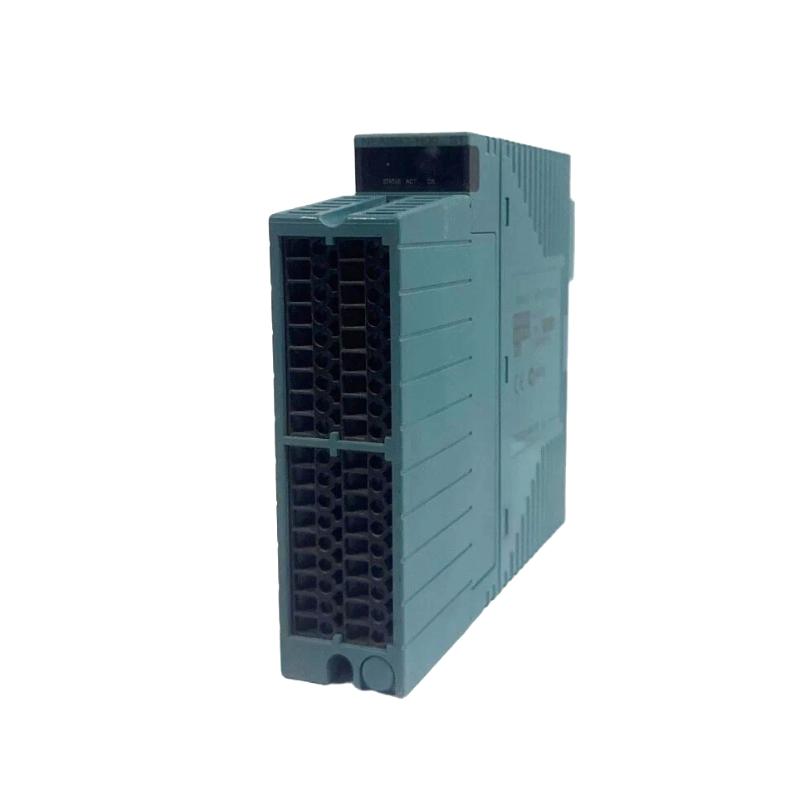
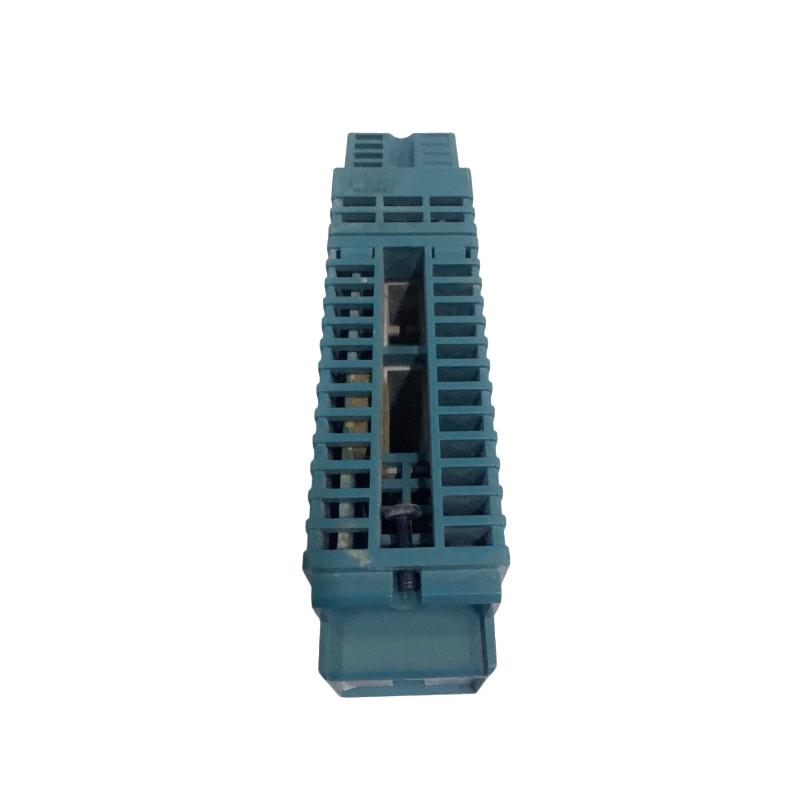
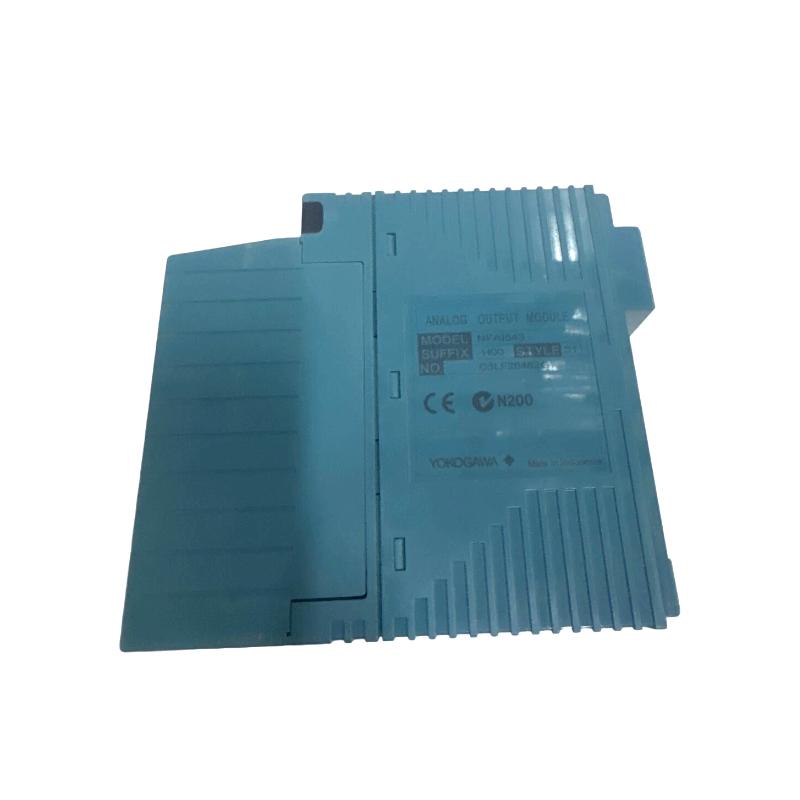
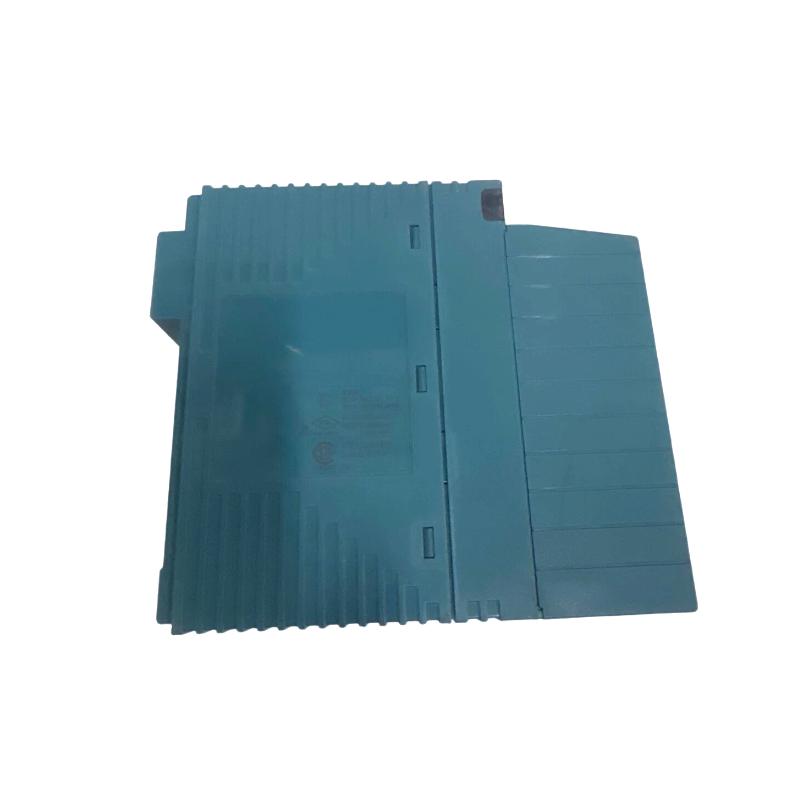
  4. Yokogawa NFAI543-H50/A4S00 Analog Output Module
Yokogawa NFAI543-H50/A4S00 Analog Output Module

Yokogawa NFAI543-H50/A4S00 Analog Output Module

0.0
Points

Brand:Yokogawa Electric
Item No.:NFAI543-H50/A4S00
Product Origin:Japan
Product Dimensions:130 x 107.5 x 32.8 mm
Product Weight:0.4 kg
Payment:T/T, Western Union, Credit Card
Goods_stock:15
Shipping Port:Xiamen, China
Lead Time:1-3 Days
Condition:Brand New And Original
Warranty:1 Year
Certificate:COO

Add to cart

Product Introduction

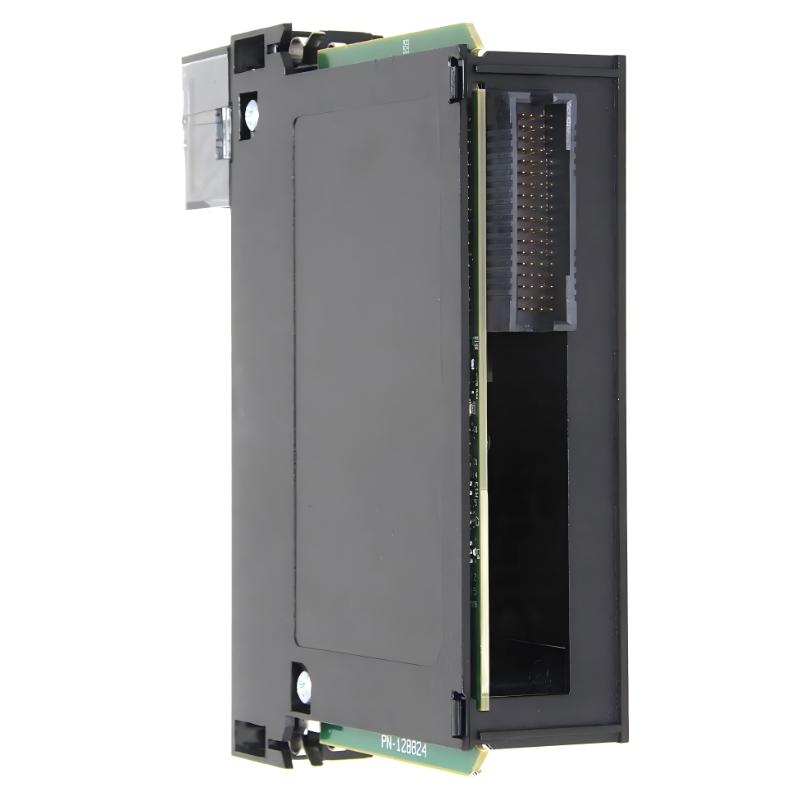
The Yokogawa NFAI543-H50/A4S00 Analog Output Module is engineered to deliver precise control signals within industrial automation systems. By converting digital commands from the control platform into stable analog outputs, it enables accurate operation of field devices such as valves and actuators. Its compact form factor, robust industrial construction, and seamless integration with Yokogawa distributed control systems make it a dependable component for maintaining efficient and reliable plant operations.


Technical Specifications

SpecificationDetails
ModelNFAI543-H50/A4S00
Dimensions130 × 107.5 × 32.8 mm
Weight0.4 kg
Module TypeAnalog Output Module
InstallationControl Rack / Cabinet
ApplicationIndustrial Process Control
Operating EnvironmentAutomation and Process Systems

Recommended Related Models

  • Yokogawa NFAI143-S00/A4500 Analog Input Module

  • Yokogawa NFAI143-S00 Analog Input Module

  • Yokogawa NFDR541-S00 Digital Input Module

  • Yokogawa NFDR544-S00 Digital Output Module


Popular Related Models

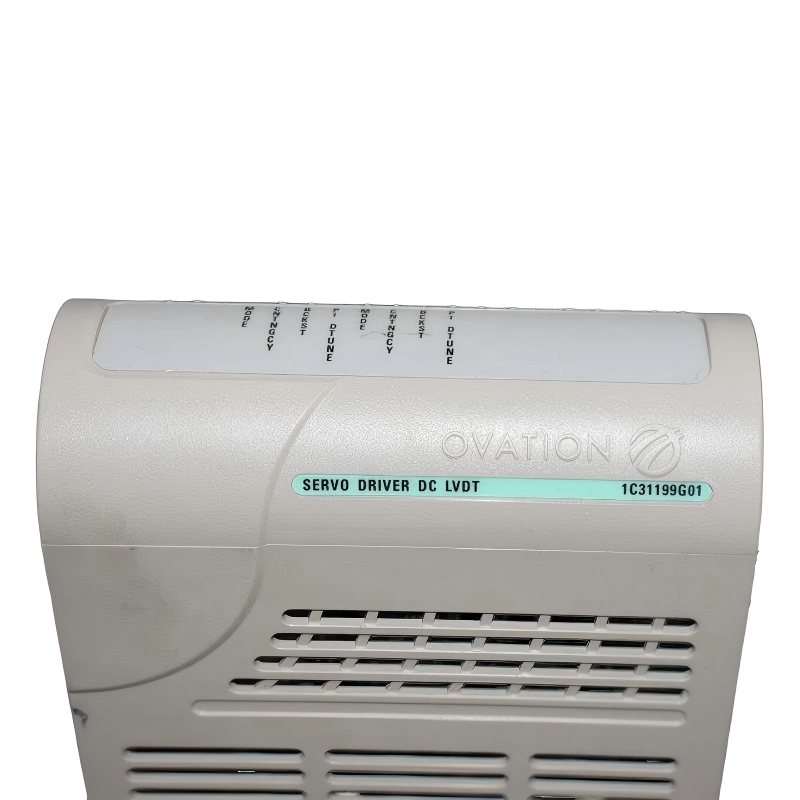
  • Yokogawa AAI143 Analog Input Module

  • Yokogawa AAI543 Analog Output Module

  • Yokogawa ADV151 Digital Input Module

  • Yokogawa ADV551 Digital Input Module

Application Fields

  • Process Control Signal Output: Delivers analog control signals to actuators, control valves, and other field devices in industrial plants.

  • Distributed Control Systems: Integrated into Yokogawa DCS environments to manage precise output control signals.

  • Industrial Automation Networks: Supports stable signal transmission from controllers to field equipment.

  • Process Plant Regulation: Commonly used in oil & gas, petrochemical, and power generation facilities for process control tasks.

  • Instrumentation Interface: Bridges the digital commands from control systems to analog-controlled field instruments.


Performance Advantages

  • High Output Accuracy: Provides precise analog signal output for critical control applications.

  • Reliable Industrial Operation: Designed to maintain stable performance in demanding automation environments.

  • Efficient Signal Conversion: Converts digital control commands into analog output signals for field devices.

  • Compact Cabinet Integration: Space-efficient design allows easy installation within control racks.

  • Seamless System Compatibility: Fully compatible with Yokogawa industrial automation platforms.

  • Long Service Life: Durable construction supports long-term continuous operation in process plants.


Technical FAQs

  1. What is the primary function of the NFAI543-H50/A4S00 module?
    It converts digital control signals from the control system into analog output signals used to operate field devices.

  2. What types of equipment typically receive signals from this module?
    Control valves, actuators, and other analog-controlled instrumentation.

  3. Is the module suitable for continuous industrial operation?
    Yes, it is engineered for reliable 24/7 operation in industrial process environments.

  4. How does the module contribute to process control accuracy?
    It ensures precise output signal generation, allowing accurate control of industrial processes.

  5. Can it be integrated into existing Yokogawa control systems?
    Yes, the module is designed for seamless integration with Yokogawa distributed control architectures.

  6. Does the module support multiple analog output channels?
    Yes, it is designed to manage multiple analog output signals to connected field devices.

  7. Where is the module typically installed?
    Inside industrial control cabinets or automation racks.

  8. What industries commonly use this module?
    Oil and gas processing, chemical production, power generation, and industrial manufacturing.

  9. How does the module improve plant operational efficiency?
    By delivering stable and accurate control signals, it helps maintain optimal process performance.

  10. Can this module be used for system upgrades or replacements?
    Yes, it can be implemented in both new automation installations and system expansion projects.


Look forward to your comments!Comment
Latest comments
Tags:
Need Assistance? Chat with Us on WhatsApp!
Need Assistance? Click to Inquire
Back to top