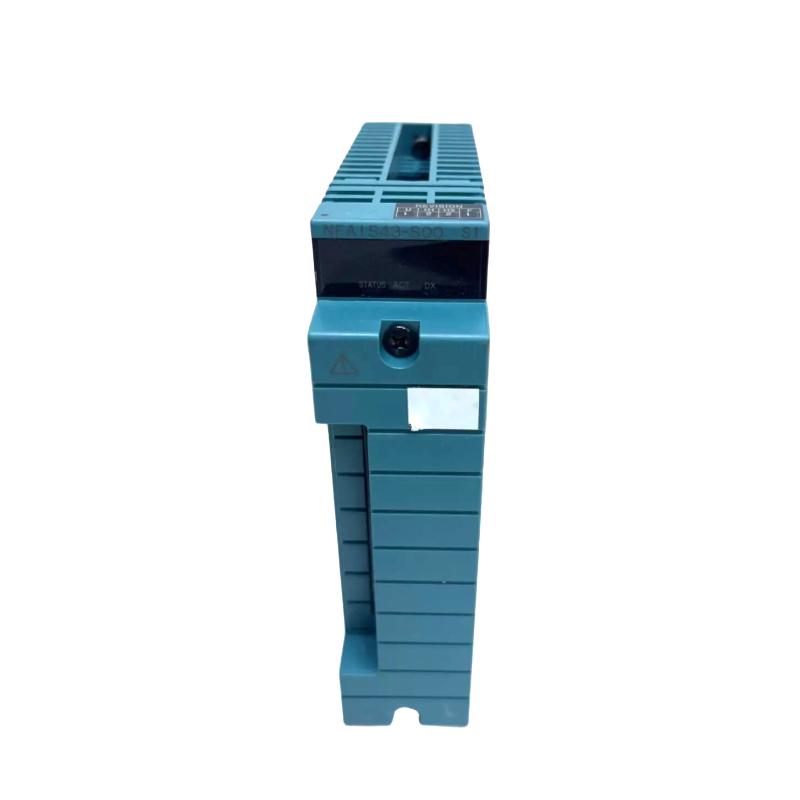
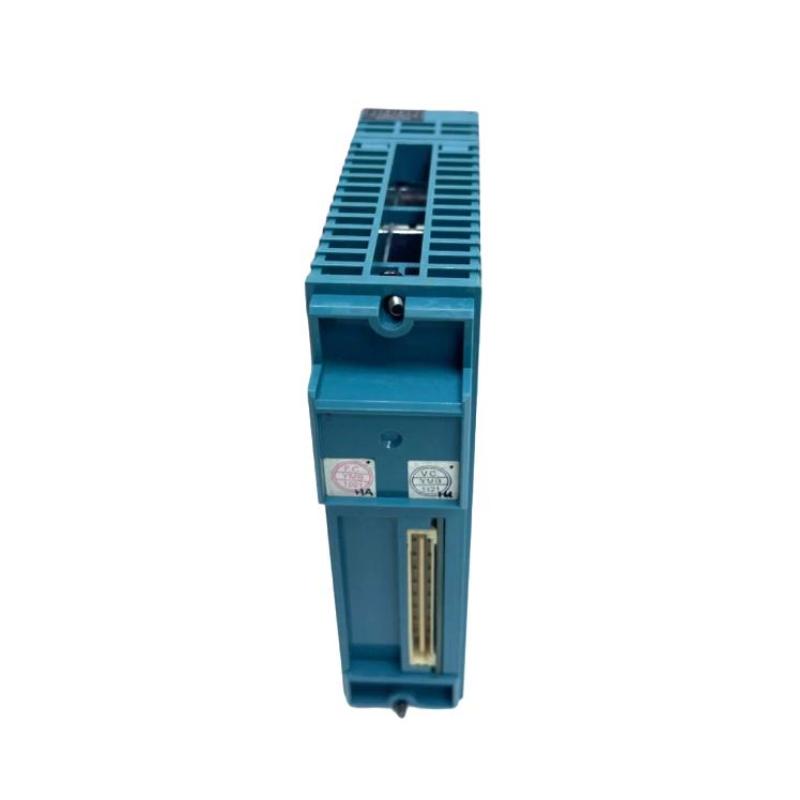
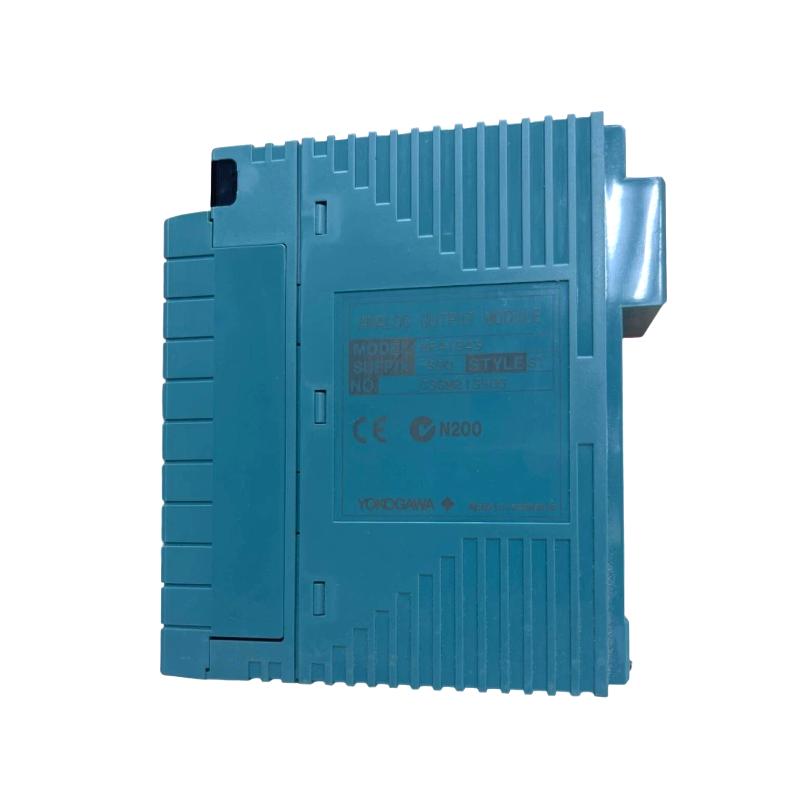
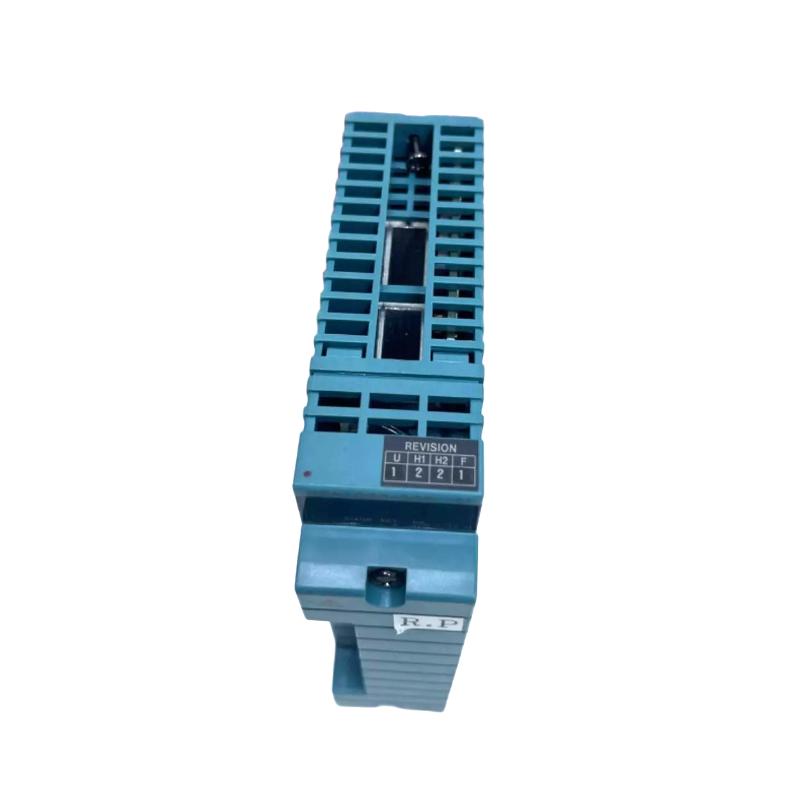
Brand:Yokogawa Electric Item No.:NFAI543-S00 S1 Product Origin:Japan Product Dimensions:130 x 107.5 x 32.8 mm Product Weight:0.4 kg Payment:T/T, Western Union, Credit Card Goods_stock:15 Shipping Port:Xiamen, China Lead Time:1-3 Days Condition:Brand New And Original Warranty:1 Year Certificate:COO
The Yokogawa NFAI543-S00 S1 Analog Output Module is a reliable interface component designed to deliver precise analog control signals from the automation system to field equipment. Commonly used in advanced process control environments, the module supports stable communication between the control platform and devices such as control valves, actuators, and drives. With its durable construction and compact design, the NFAI543-S00 S1 integrates smoothly into Yokogawa control architectures, enabling efficient and accurate process regulation across industrial facilities.
Technical Specifications
Parameter
Specification
Model
NFAI543-S00 S1
Product Type
Analog Output Module
Manufacturer
Yokogawa
Compatible System
Yokogawa Process Control System
Output Type
Analog Signal Output
Mounting Method
System Rack / Control Cabinet Installation
Application Environment
Industrial Automation & Process Control
Dimensions
130 × 107.5 × 32.8 mm
Weight
0.4 kg
Recommended Related Models
Yokogawa NFAI141-H00 – Analog Input Module
Yokogawa NFAO041-S00 – Analog Output Module
Yokogawa NFDV151-P00 – Digital Input Module
Yokogawa NFDO161-S00 – Digital Output Module
Popular Related Models
Yokogawa AAI143-H00 – Analog Input Module
Yokogawa AAI135-S00 – Analog Input Module
Yokogawa ADV151-P00 – Digital Input Module
Yokogawa ADO161-S00 – Digital Output Module
Common Industrial Application Fields
Analog signal output control in distributed control systems (DCS)
Process variable regulation in chemical and petrochemical plants
Control signal transmission for valves, actuators, and variable drives
Automation control loops in power generation facilities
Output signal management in oil & gas processing systems
Industrial manufacturing process automation systems
Integration with field control devices in water and wastewater treatment plants
Core Performance Advantages
Accurate Analog Signal Output – Designed to deliver stable analog output signals for precise process control and regulation.
Reliable Industrial Operation – Built for continuous performance in demanding industrial automation environments.
High System Compatibility – Seamlessly integrates with Yokogawa distributed control and process automation platforms.
Robust Industrial Design – Durable construction ensures dependable operation in vibration-prone and high-demand environments.
Efficient Process Control Integration – Enables smooth communication between control systems and field actuators or controllers.
Technical FAQs
1. What is the primary function of the NFAI543-S00 S1 module?
It outputs analog control signals from the control system to field devices such as actuators, control valves, or other process equipment.
2. What types of devices typically receive signals from this module?
Common devices include control valves, variable frequency drives, and other equipment that accepts analog control inputs.
3. Is this module intended for Yokogawa distributed control systems?
Yes, it is designed for integration within Yokogawa process automation and control platforms.
4. How does analog output benefit industrial automation systems?
Analog outputs allow control systems to regulate process variables such as flow, pressure, and temperature with high precision.
5. Can the module operate continuously in industrial environments?
Yes, it is engineered for reliable long-term operation within industrial process control systems.
6. How is the module installed within an automation architecture?
It is typically mounted in a system rack inside a control cabinet as part of a modular automation platform.
7. Can the module support multiple output channels?
Yes, it is designed to manage multiple analog output channels used in process control loops.
8. What industries commonly use analog output modules like this?
Industries such as energy, oil & gas, chemical processing, water treatment, and manufacturing frequently deploy these modules.
9. How does the module ensure stable signal output?
It utilizes precision signal processing circuitry to maintain consistent and accurate output signals.
10. Does the module require special configuration during installation?
Configuration is typically performed through the control system software to match the application requirements.