Yokogawa Electric

  1. Home
  2. Products
  3. Yokogawa Electric
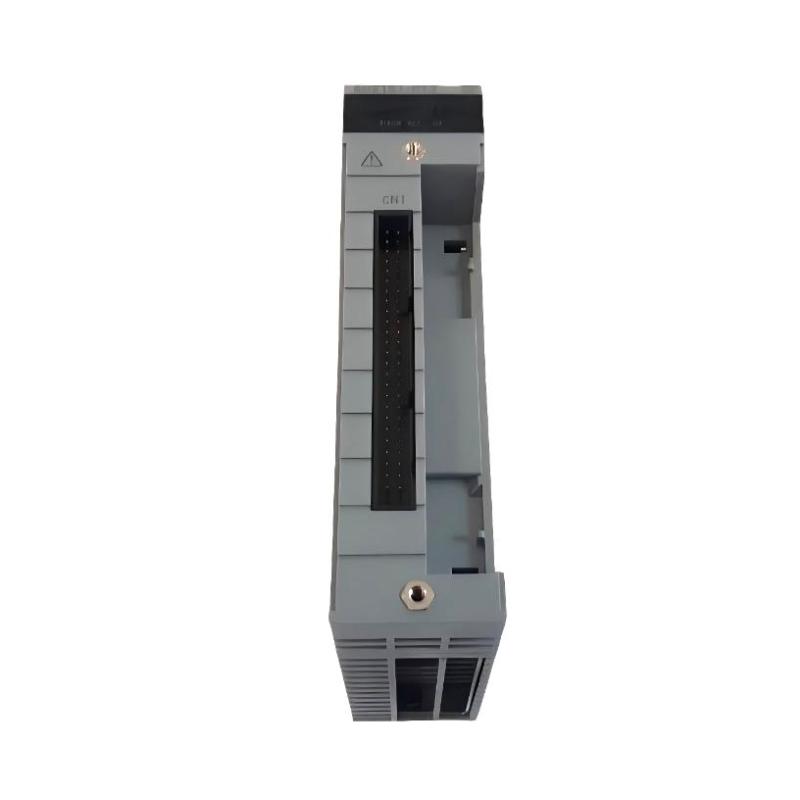
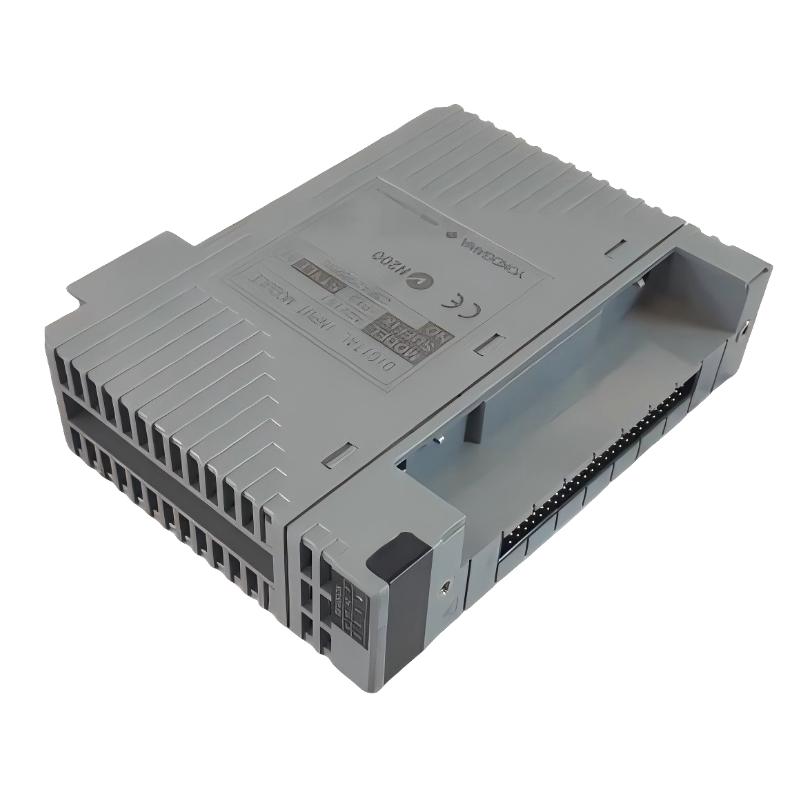
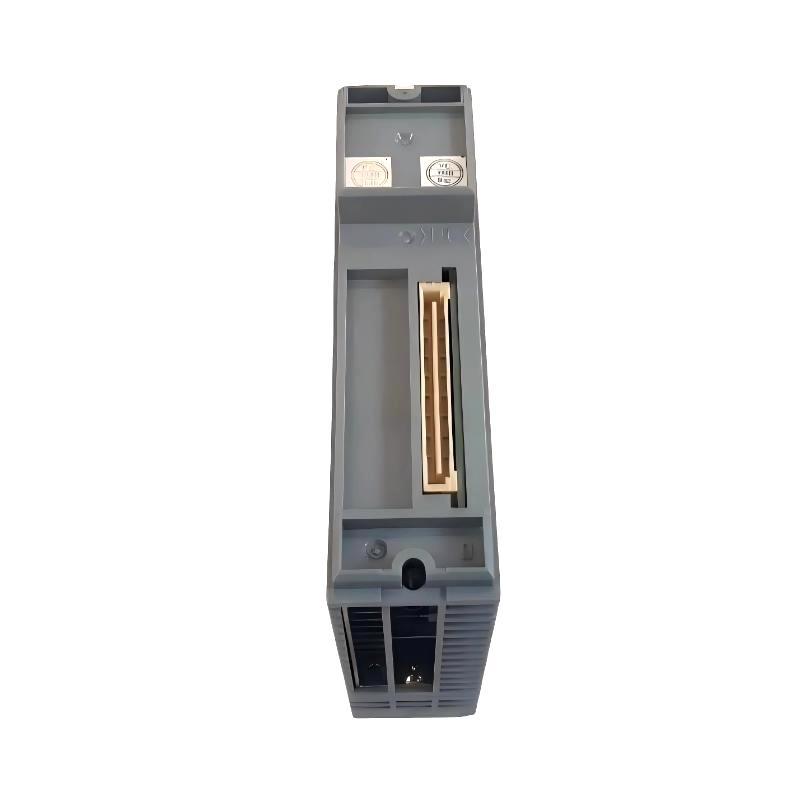
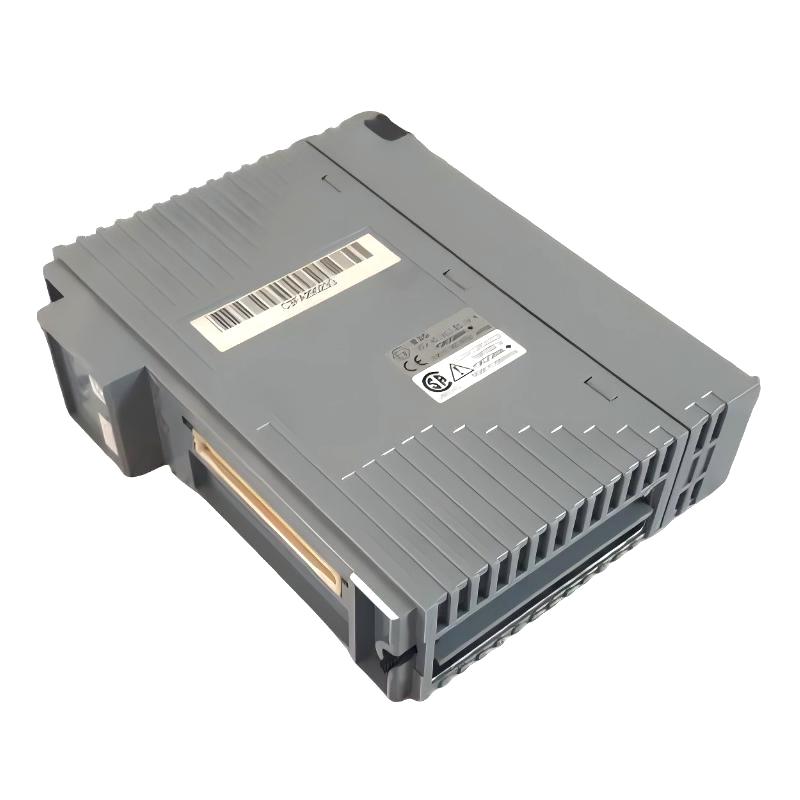
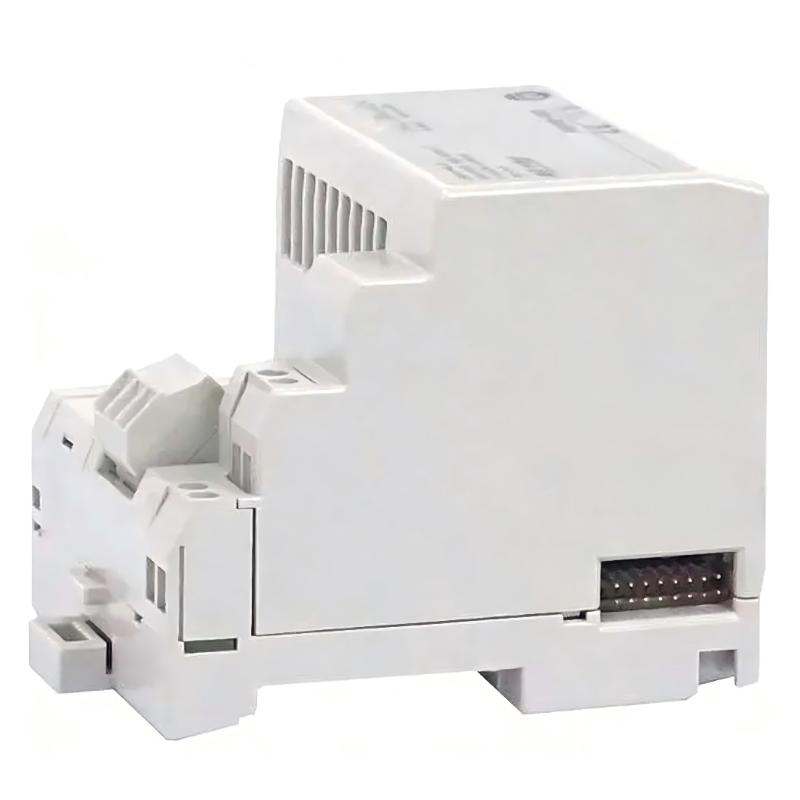
  4. Yokogawa ADV151-E63/D6A00 Numeric Input Module
Yokogawa ADV151-E63/D6A00 Numeric Input Module

Yokogawa ADV151-E63/D6A00 Numeric Input Module

0.0
Points

Brand:Yokogawa Electric
Item No.:ADV151-E63/D6A00
Product Origin:Japan
Product Dimensions:107.5 × 130 × 32.8 mm
Product Weight:0.3 kg
Payment:T/T, Western Union, Credit Card
Goods_stock:15
Shipping Port:Xiamen, China
Lead Time:1-3 Days
Condition:Brand New And Original
Warranty:1 Year
Certificate:COO

Add to cart

Introduction: Optimized for Industrial Precision

The ADV151-E63/D6A00 Numeric Input Module delivers reliable and accurate measurements across diverse industrial environments. Its robust design ensures stable performance even in noisy and harsh conditions. Combining modular flexibility with intelligent diagnostics, this module is essential for engineers seeking precision, operational efficiency, and process confidence.


Technical Specifications

FeatureSpecification
Input TypeVoltage/Current (0–10V, ±10V, 0–20mA, 4–20mA)
Accuracy±0.05% of span
Sampling RateUp to 50 ms per channel
IsolationChannel-to-channel and channel-to-ground
Operating Temperature0–55°C
Storage Temperature-20–70°C
Humidity5–95% RH, non-condensing
Power Supply24 VDC ±10%
Dimensions107.5 × 130 × 32.8 mm
Weight0.3 kg

Recommended Related Models

  • ADV151-P00 – Standard 32‑channel numeric input module
  • ADV151-P50/D5A00 – Pushbutton input module with simplified wiring
  • ADV151-E50 – SOE (Sequence of Events) enabled module without status display
  • ADV151-E60 – Enhanced SOE module with status display

Popular Related Models

  • ADV151-P63/D5A00 – Pushbutton input with status display
  • ADV151-P53 – Pushbutton input module without status display
  • ADV151-E53/D5A00 – SOE capture module with cable interface
  • ADV151-P60 – Pushbutton input with enhanced status monitoring

Applications: Precision You Can Rely On

The Yokogawa ADV151-E63/D6A00 Numeric Input Module is engineered for high-accuracy data acquisition in demanding industrial environments. Its reliability and performance make it ideal for:

  • Chemical processing plants – continuous monitoring of pH, conductivity, and temperature.
  • Oil & gas operations – precise measurement of flow, pressure, and level signals.
  • Pharmaceutical manufacturing – ensures compliance and consistent quality.
  • Water and wastewater treatment – real-time monitoring to meet strict environmental standards.
  • Power generation facilities – seamless integration with DCS for operational efficiency.


Advantages: Built for Accuracy and Reliability

  • Exceptional measurement accuracy – reduces errors in critical processes.
  • High noise immunity – stable operation even in electrically harsh environments.
  • Seamless integration – compatible with Yokogawa CENTUM VP and other DCS platforms.
  • Modular flexibility – allows easy scaling or system upgrades.
  • Advanced diagnostics – instant detection of sensor or signal issues.


Technical FAQs

  1. What signal types does the ADV151-E63/D6A00 support?
    Analog voltage (0–10V, ±10V) and current (0–20mA, 4–20mA) inputs.
  2. Is it suitable for fast dynamic processes?
    Yes, the module features rapid sampling rates for real-time monitoring.
  3. How does it maintain accuracy under varying temperatures?
    Built-in temperature compensation ensures minimal measurement drift.
  4. Can it detect wiring or sensor faults?
    Yes, real-time diagnostics alert for open circuits, short circuits, and sensor failures.
  5. Can multiple modules operate in the same rack?
    Absolutely, the modular design prevents interference and supports scalability.
  6. How does it handle electromagnetic noise?
    Channel isolation and filtering protect against EMI/RFI disturbances.
  7. Is it compatible with older Yokogawa systems?
    Yes, it works seamlessly with both modern and legacy CENTUM platforms.
  8. Can it be used in hazardous locations?
    Yes, when paired with proper safety barriers, it is suitable for hazardous area classifications.
  9. Does it require calibration before deployment?
    Factory calibration is standard, with optional field calibration for high-precision applications.
  10. How is module status monitored remotely?
    Through the DCS interface, enabling real-time monitoring and diagnostics of each channel.


Look forward to your comments!Comment
Latest comments
Tags:
Need Assistance? Chat with Us on WhatsApp!
Need Assistance? Click to Inquire
Back to top