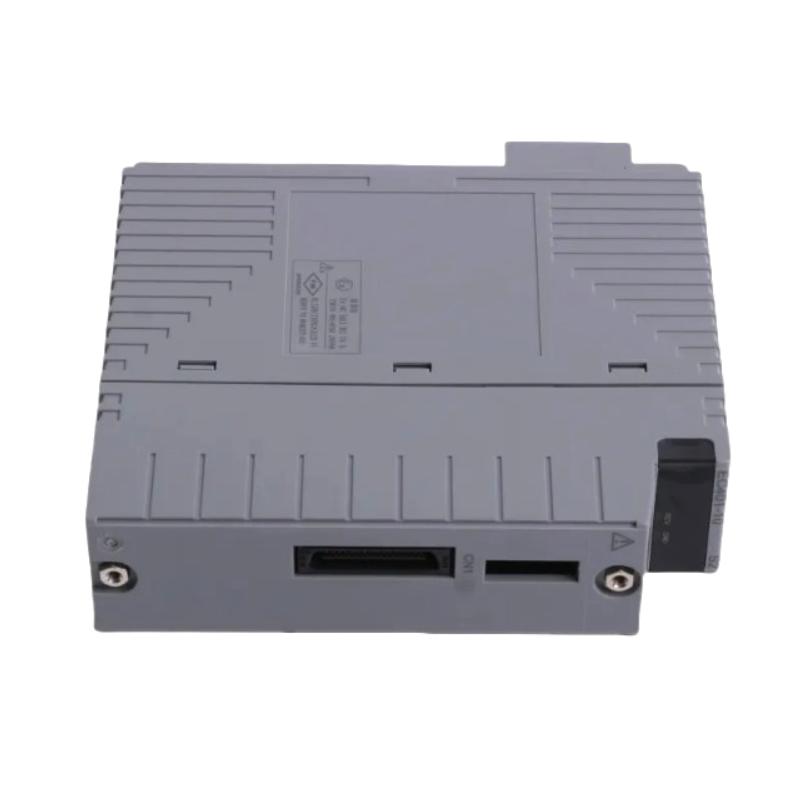
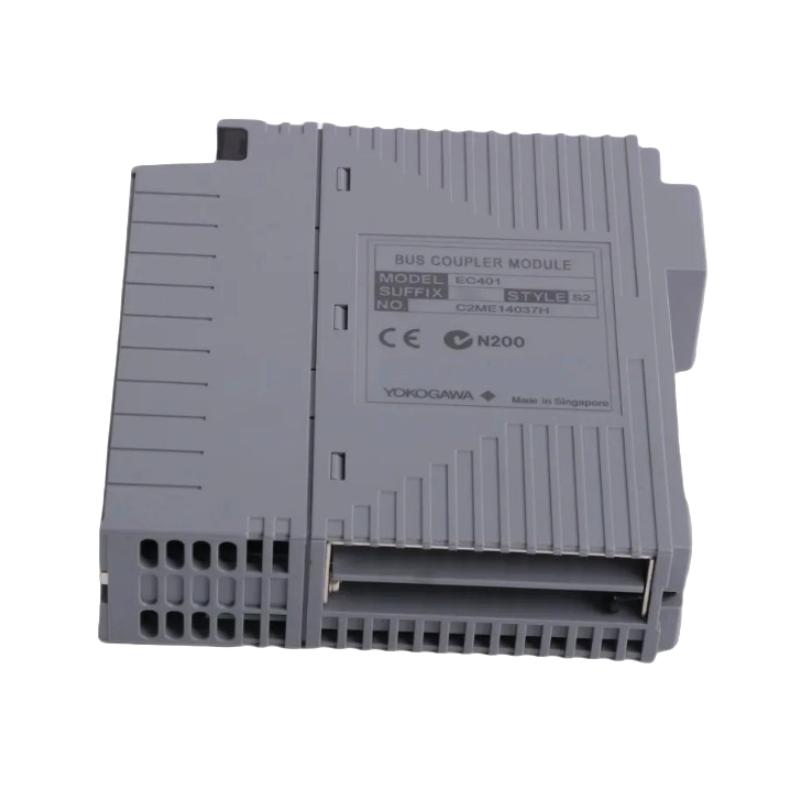
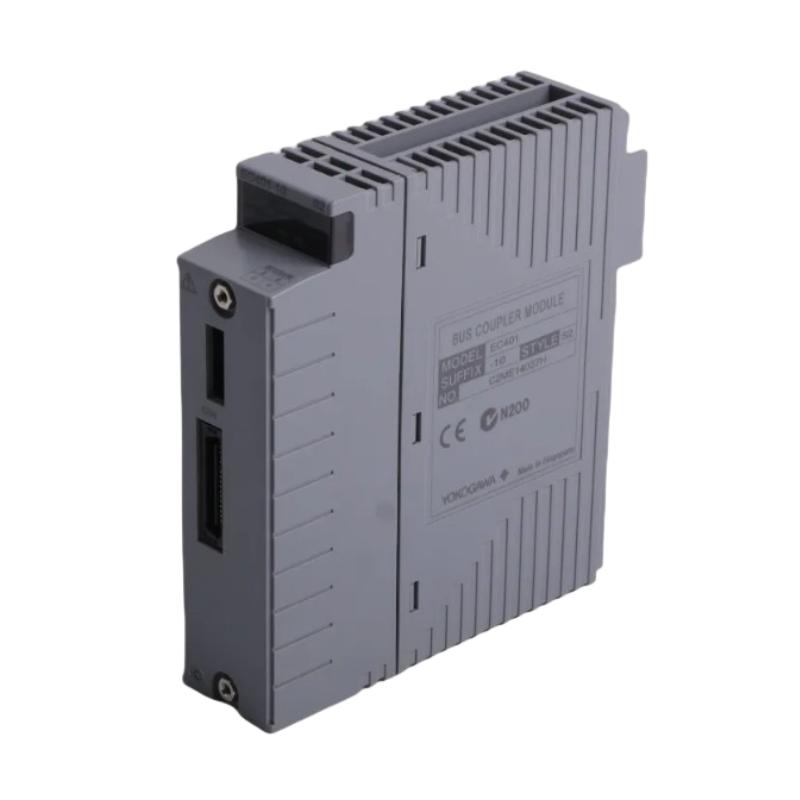
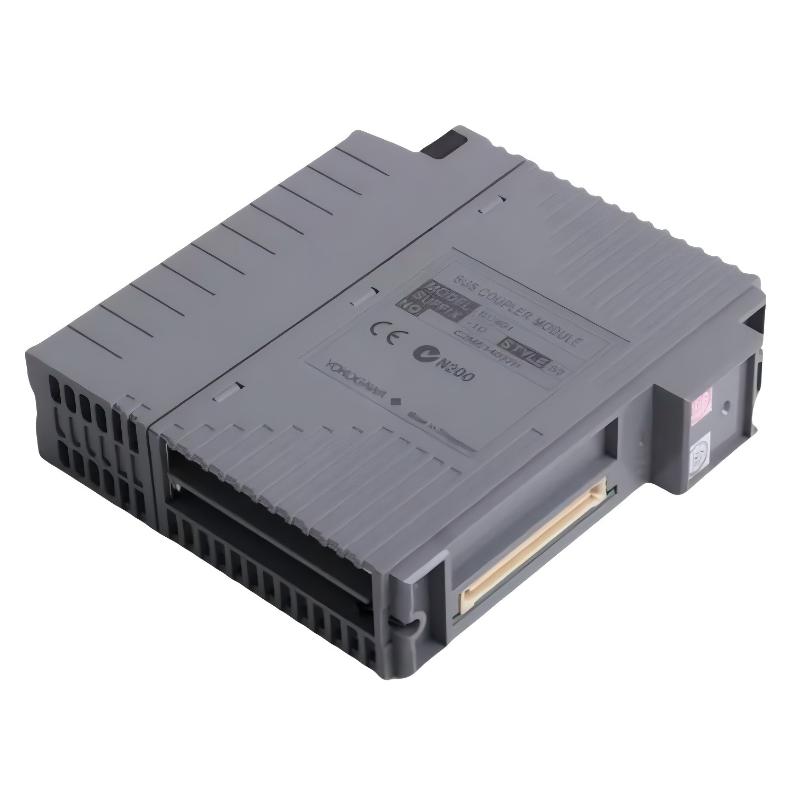
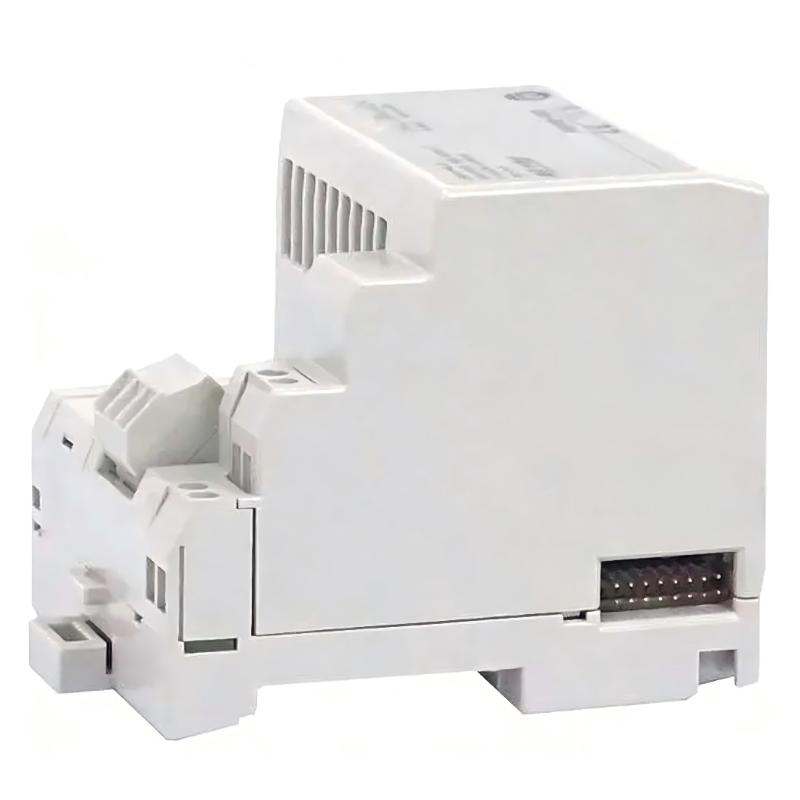
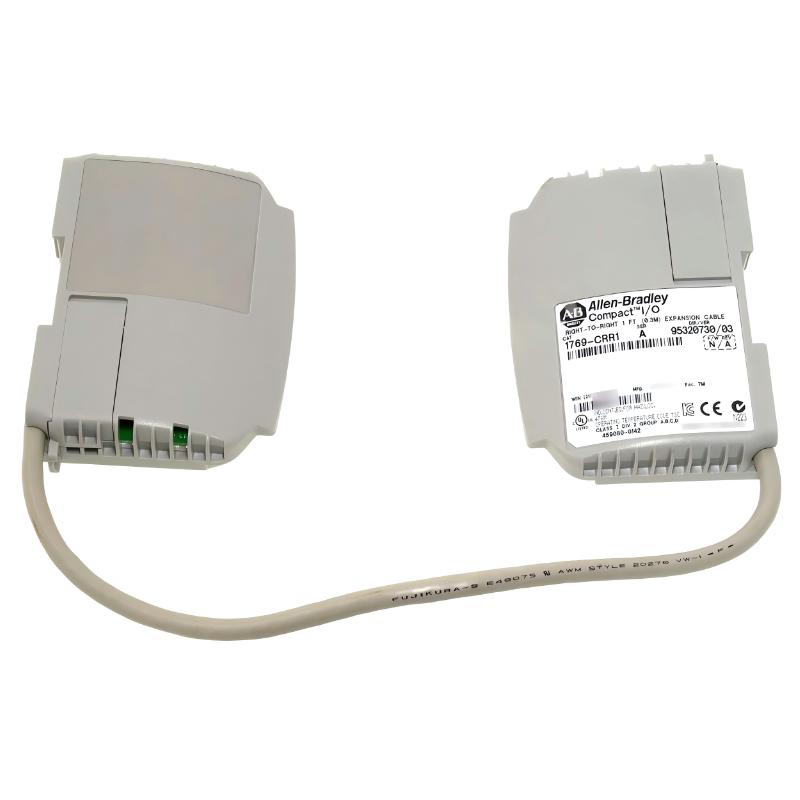
Brand:Yokogawa Electric Item No.:EC401-51 S2 Product Origin:Japan Product Dimensions:130 x 129.5 x 32.8 mm Product Weight:0.24 kg Payment:T/T, Western Union, Credit Card Goods_stock:15 Shipping Port:Xiamen, China Lead Time:1-3 Days Condition:Brand New And Original Warranty:1 Year Certificate:COO
The Yokogawa EC401-51 S2 Bus Coupler Module provides a reliable communication interface between field modules and the main control system. Its compact design, high-speed data transfer, and robust architecture make it ideal for distributed control and fault-tolerant automation environments.
Technical Specifications
Parameter
Specification
Module Type
Bus Coupler
Model
EC401-51 S2
Supported Modules
Yokogawa Analog & Digital I/O Modules
Max Connected Modules
16 per bus segment
Data Transfer
High-speed, real-time
Isolation
Galvanic isolation between bus and modules
Power Consumption
2 W
Operating Voltage
24 VDC nominal
Operating Temperature
-10°C to 55°C
Dimensions
130 × 129.5 × 32.8 mm
Weight
0.24 kg
Recommended Related Models
EC401-52 S2 – Yokogawa EC401 High-Speed Bus Coupler Module.
EC401-51 S1 – Yokogawa EC401 Standard Bus Coupler Module.
EC401-53 S2 – Yokogawa EC401 Redundant Bus Coupler Module.
EC401-50 S2 – Yokogawa EC401 Compact Bus Coupler Module.
Popular Related Models
EC401-54 S2 – Yokogawa EC401 Industrial Bus Coupler Module.
EC401-55 S2 – Yokogawa EC401 Fault-Tolerant Bus Coupler Module.
EC401-51 S3 – Yokogawa EC401 Enhanced Diagnostics Bus Coupler Module.
EC401-56 S2 – Yokogawa EC401 Multi-Channel Bus Coupler Module.
Applications
Connecting and integrating fieldbus devices to Yokogawa ADV500 and DCS systems.
Data communication between analog/digital modules and the main control system.
Facilitating high-speed, reliable communication in distributed control environments.
Supporting redundancy and fault-tolerant system architectures.
Linking multiple modules for scalable process automation.
Industrial process diagnostics and remote monitoring applications.
Key Advantages
Seamless Connectivity: Provides reliable communication between field devices and the DCS.
High-Speed Data Transfer: Optimized for fast response times in real-time control.
Robust Design: Industrial-grade components ensure stable operation in harsh environments.
Easy Installation: Compact size and plug-and-play design simplify integration.
Redundancy Support: Enables fault-tolerant configurations for uninterrupted operations.
Scalable Architecture: Can be combined with other bus couplers for larger systems.
Technical FAQs
1. What types of modules can this bus coupler connect?
It connects Yokogawa analog and digital input/output modules to the DCS.
2. Does it support redundant systems?
Yes, the EC401-51 supports redundant bus configurations for fault tolerance.
3. What is the data transfer speed?
It supports high-speed communication suitable for real-time control applications.
4. How does it handle communication errors?
Built-in diagnostics and error detection ensure reliable data transfer.
5. How many modules can be connected per bus coupler?
It supports up to 16 modules per bus segment depending on system configuration.
6. Can the module be hot-swapped?
Yes, it allows safe replacement without shutting down the entire system.
7. What is the operating temperature range?
The module operates reliably between -10°C and 55°C.
8. What is the power requirement?
It requires a nominal 24 VDC supply and consumes approximately 2 W.
9. Is the module compatible with other vendors’ field devices?
It is optimized for Yokogawa systems; third-party integration is limited and requires configuration.
10. How is firmware updated?
Firmware updates are performed via the main DCS interface.