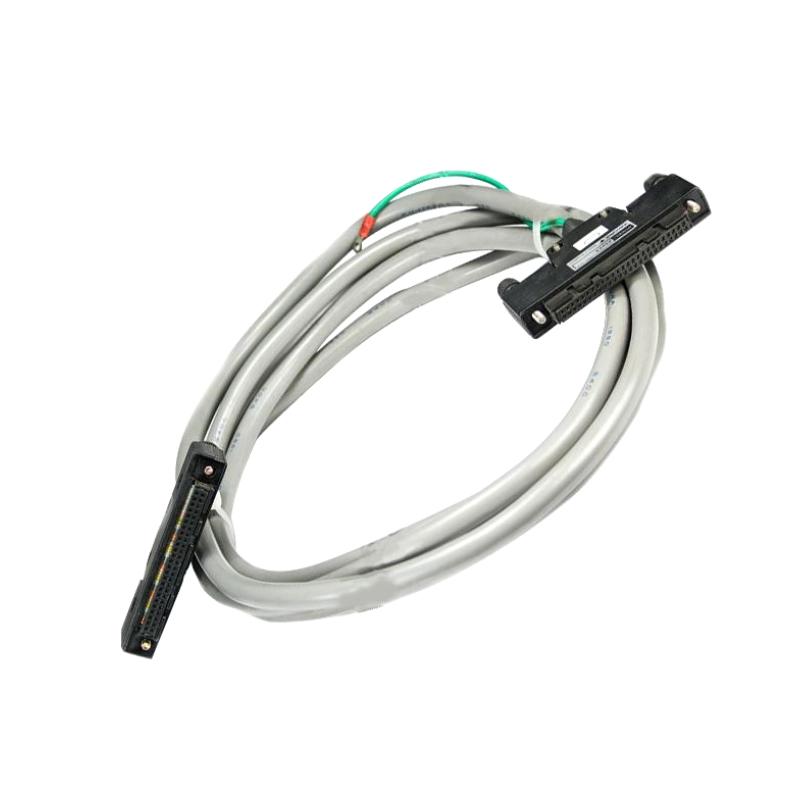
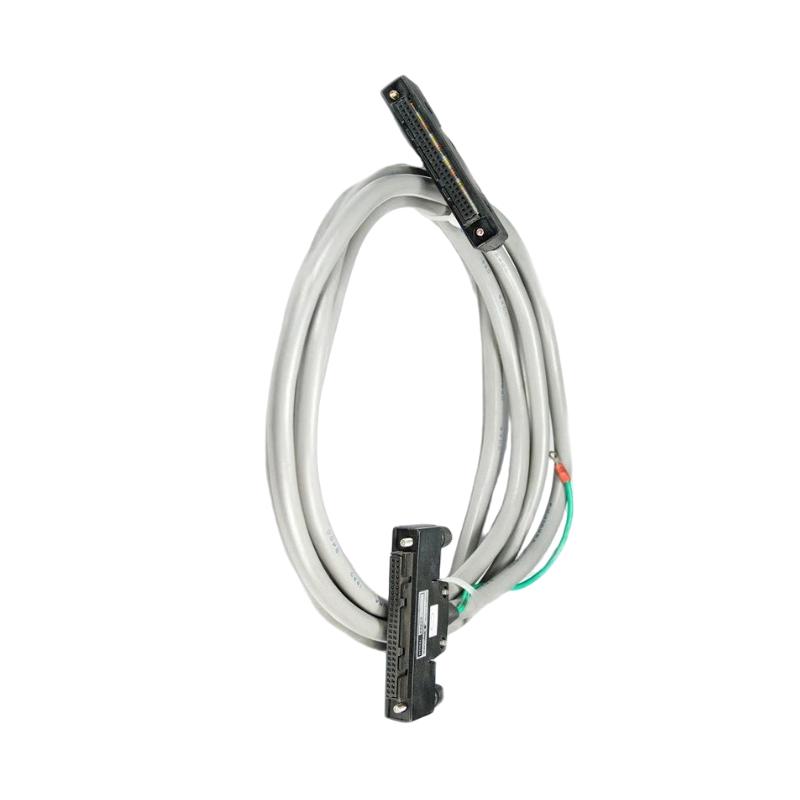
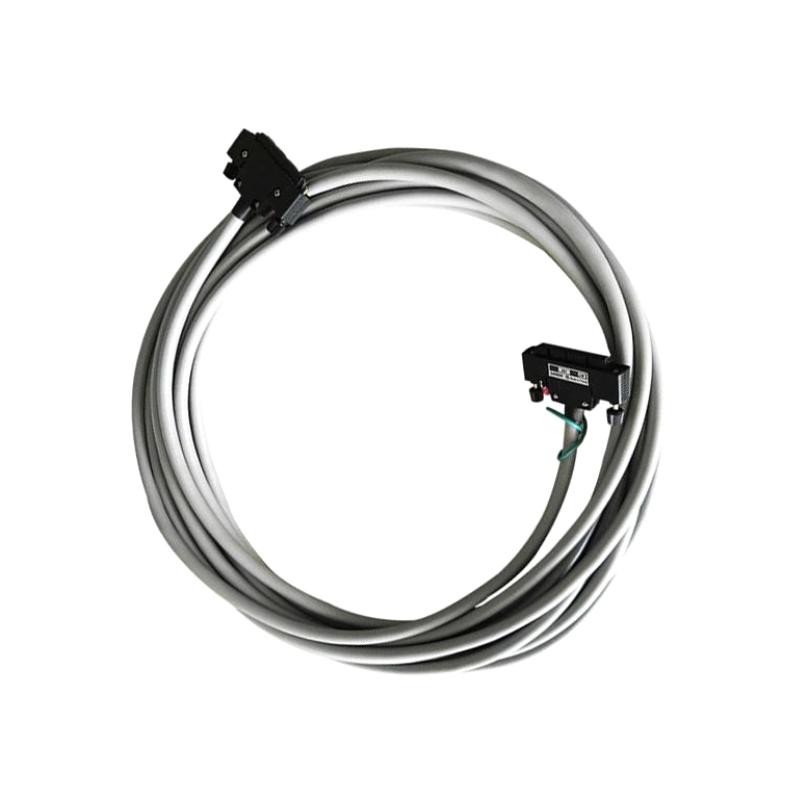
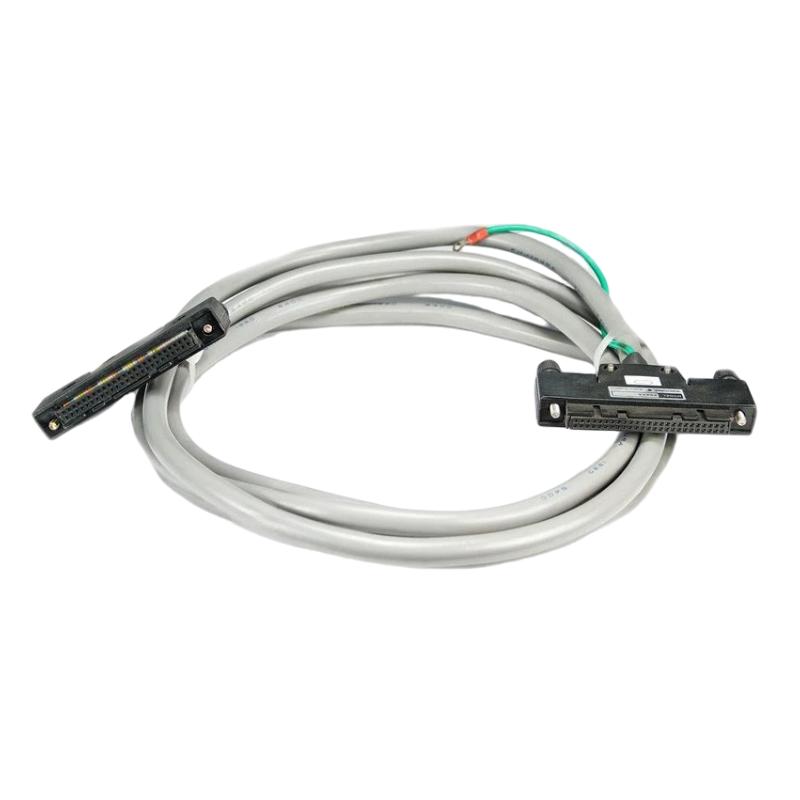
Brand:Yokogawa Electric Item No.:Yokogawa KS9-10*B Product Origin:Japan Product Dimensions:12 × 12 × 10000 mm Product Weight:0.30 kg Payment:T/T, Western Union, Credit Card Goods_stock:15 Shipping Port:Xiamen, China Lead Time:1-3 Days Condition:Brand New And Original Warranty:1 Year Certificate:COO
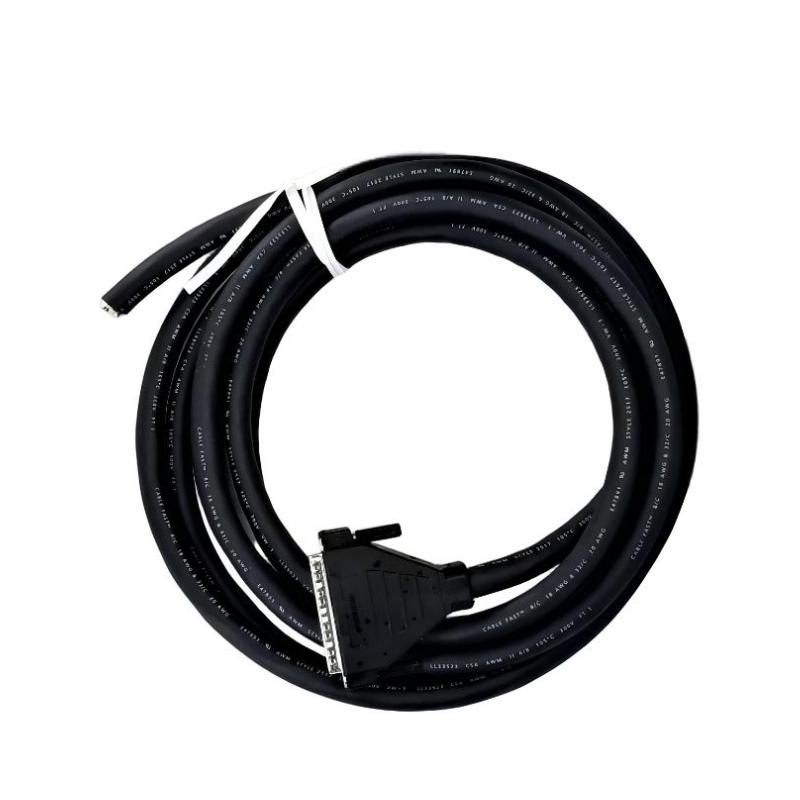
The Yokogawa KS9-10*B is a high-reliability DCS signal cable designed for use in CENTUM VP and CS 3000 distributed control systems. It provides stable multi-channel signal transmission between system cabinets, I/O modules, and controller units.
Engineered for mission-critical environments, this cable is widely deployed in oil & gas, power generation, and chemical processing plants where signal integrity and system uptime are non-negotiable. Its shielded architecture ensures resistance to EMI interference even under heavy industrial electrical noise.
Technical Specifications
Parameter
Details
Model
KS9-10*B
Brand
Yokogawa
Product Type
DCS Signal / Interface Cable
System Compatibility
CENTUM VP / CS 3000
Cable Construction
Multi-core shielded twisted signal cable
Connector Type
Yokogawa proprietary multi-pin interface
Shielding
Full EMI / RFI industrial shielding
Application Bus
V-net / ESB / RIO / ER bus systems
Physical Dimensions & Weight
Item
Specification
Dimensions (W × H × D)
12 × 12 × 10000 mm (approx. cable form factor)
Weight
~0.30 kg
Note: Length is typically 10 meters depending on configuration suffix (-10).
Recommended Related Models
Yokogawa KS9-05*B – Short-length system cable variant
Yokogawa KS9-20*B – Extended reach signal cable version
Yokogawa ESB Bus Interface Unit
Yokogawa CP451 CPU Module
Yokogawa PW482 Power Supply Module
Popular Yokogawa Models
Yokogawa AAI143 Analog Input Module
Yokogawa ADV161 Digital Input Module
Yokogawa CP451 Controller Module
Yokogawa PW482 Power Supply Unit
Yokogawa SB401 ESB Bus Coupler
Applications
The KS9-10*B cable is designed for high-density industrial automation systems, including:
DCS cabinet-to-cabinet signal transmission
Refinery and petrochemical process control systems
Power plant turbine control networks
Offshore platform automation systems
Large-scale manufacturing process lines
Safety instrumented systems (SIS) interconnections
It ensures deterministic signal behavior across distributed architectures, reducing latency and maintaining control accuracy.
Advantages
Strong electromagnetic interference resistance for harsh environments
Stable long-distance signal transmission up to system design limits