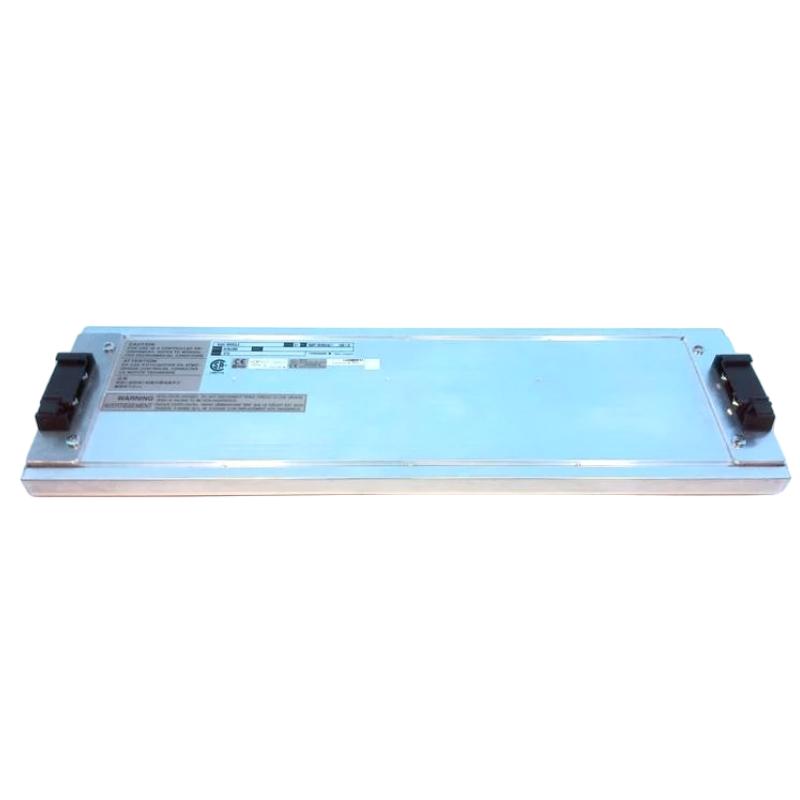
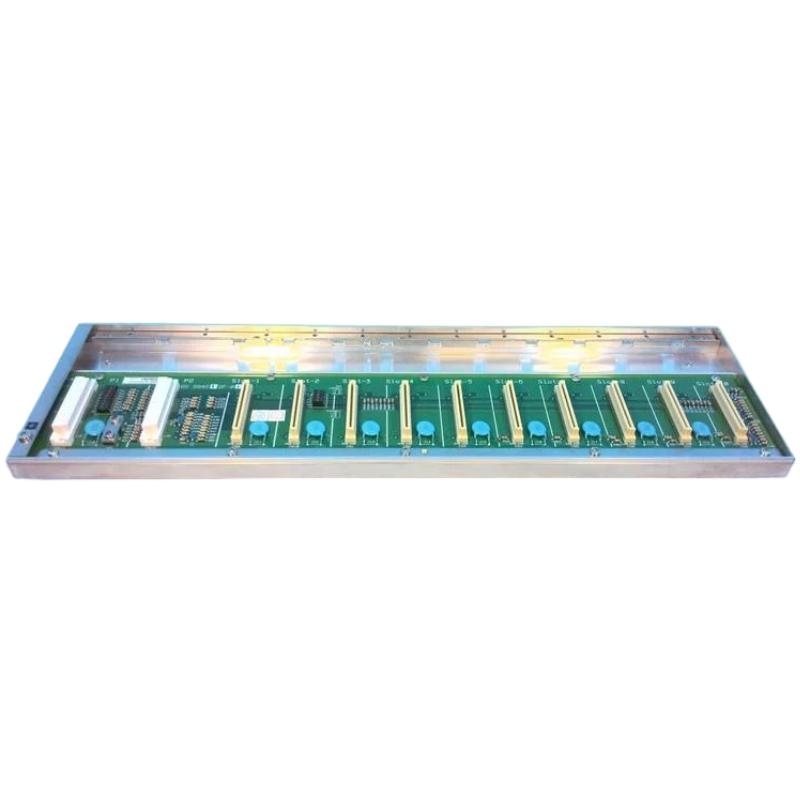
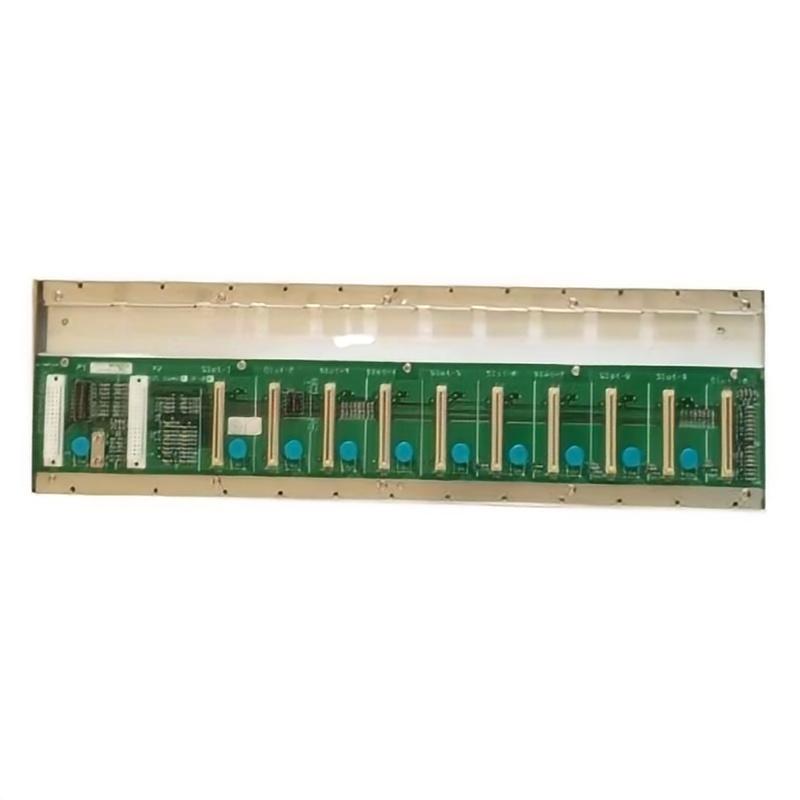
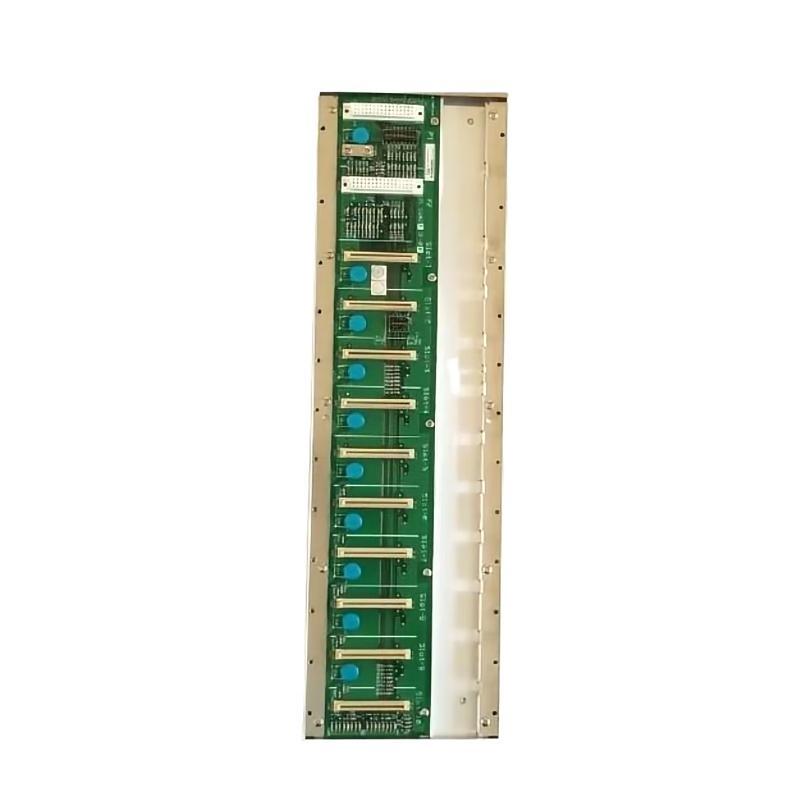
Yokogawa NFBU200 Base Module (Long Type Control Unit Backbone)
Yokogawa NFBU200 Base Module (Long Type Control Unit Backbone)
0.0
Points
Brand:Yokogawa Electric Item No.:Yokogawa NFBU200 Product Origin:Japan Product Dimensions:482.6 × 132.5 × 40.5 mm Product Weight:1.9 kg Payment:T/T, Western Union, Credit Card Goods_stock:15 Shipping Port:Xiamen, China Lead Time:1-3 Days Condition:Brand New And Original Warranty:1 Year Certificate:COO
The Yokogawa NFBU200 is a long-type base module designed for the FCN-RTU / STARDOM autonomous control system, serving as the structural backbone for CPU modules, power supplies, and I/O expansion units.
Compared with the compact NFBU050, the NFBU200 is built for large-scale industrial automation architectures, offering significantly higher expansion capability, enhanced redundancy support, and improved system scalability. It is widely deployed in oil & gas fields, power plants, and large process control networks where high I/O density and system redundancy are required.
Technical Specifications (Scalable Industrial Control Platform Architecture)
Parameter
Details
Model
NFBU200
Brand
Yokogawa
Product Type
Base Module (Long Type)
System Platform
STARDOM / FCN / FCN-RTU
I/O Capacity
Up to 8–9 I/O modules
CPU Support
NFCP050 / NFCP501 / NFCP502
Power Module Support
NFPW426 / NFPW444
Bus Architecture
Duplex SB Bus
Mounting Type
19-inch rack / DIN rail
Protection Class
IP20
Physical Dimensions & Weight
Item
Specification
Dimensions (W × H × D)
482.6 × 132.5 × 40.5 mm
Weight
~1.9 kg
Recommended Related Models (System Expansion Ecosystem)
Yokogawa NFBU050 – Compact base module (short type)
Yokogawa NFCP050 – FCN-RTU CPU module
Yokogawa NFPW426 – Standard power supply module
Yokogawa NFPW444 – Redundant power supply module
Yokogawa I/O modules (AI / AO / DI / DO series)
Popular Yokogawa Models (Core Automation Hardware)
Yokogawa AAI143 Analog Input Module
Yokogawa ADV161 Digital Input Module
Yokogawa CP451 Controller Module
Yokogawa PW482 Power Supply Module
Yokogawa ESB Bus Interface Unit
Applications (Large-Scale Distributed Control Systems)
The NFBU200 is widely used in:
Oil & gas production and pipeline control systems
Petrochemical and refinery automation networks
Power generation plant control systems
Offshore platform distributed monitoring systems
Large-scale industrial manufacturing automation
SCADA and RTU remote control infrastructures
It is especially suitable for systems requiring high I/O density, redundancy, and long-term stability.
Advantages (Designed for Industrial Scale, Reliability, and Expansion)
High-capacity modular expansion up to 8–9 I/O modules
Duplex SB bus architecture improves system redundancy
Supports redundant CPU and power configurations
Robust design for continuous 24/7 industrial operation
Hot-swappable modules reduce downtime during maintenance
Stable performance in harsh industrial environments
Scalable architecture for future system expansion
Technical FAQs
1. What is the NFBU200 used for?
It is the base platform for Yokogawa STARDOM FCN-RTU control systems.
2. What is the main difference between NFBU200 and NFBU050?
NFBU200 supports more I/O modules and larger system expansion.
3. How many I/O modules can it support?
Up to 8–9 I/O modules depending on configuration.
4. What is its weight?
Approximately 1.9 kg.
5. What is its size?
482.6 × 132.5 × 40.5 mm.
6. Does it support redundancy?
Yes, including duplex SB bus and redundant power/CPU options.
7. What CPU modules are compatible?
NFCP050 and related FCN-RTU CPUs.
8. What industries use it?
Oil & gas, power generation, petrochemical, and large-scale manufacturing.
9. Is it suitable for remote field applications?
Yes, it is designed for RTU and remote automation systems.
10. Why is it widely used in industrial automation?
Because it provides scalable, reliable, and redundant control architecture.