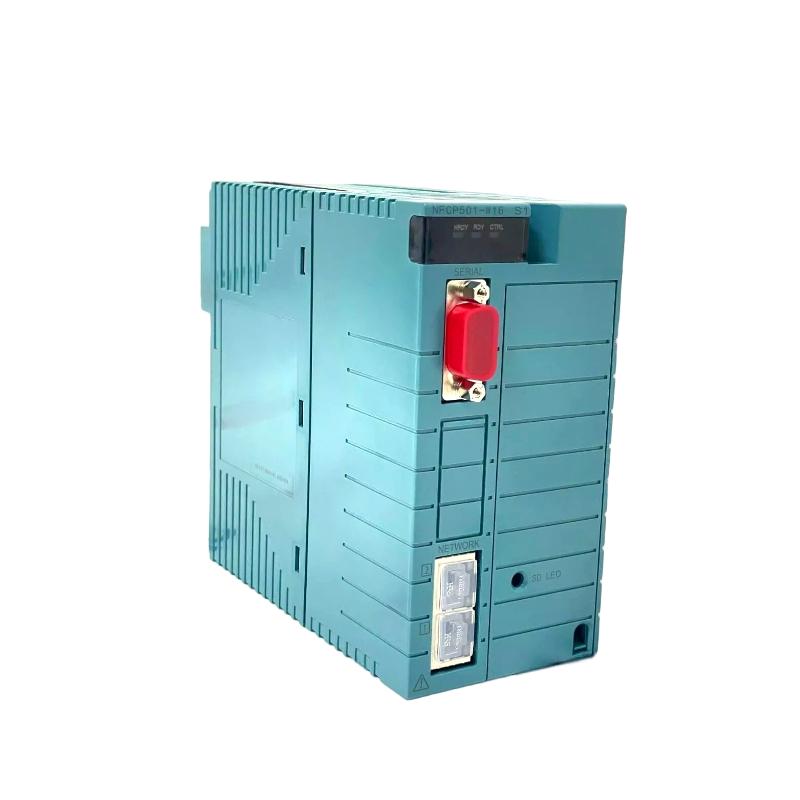
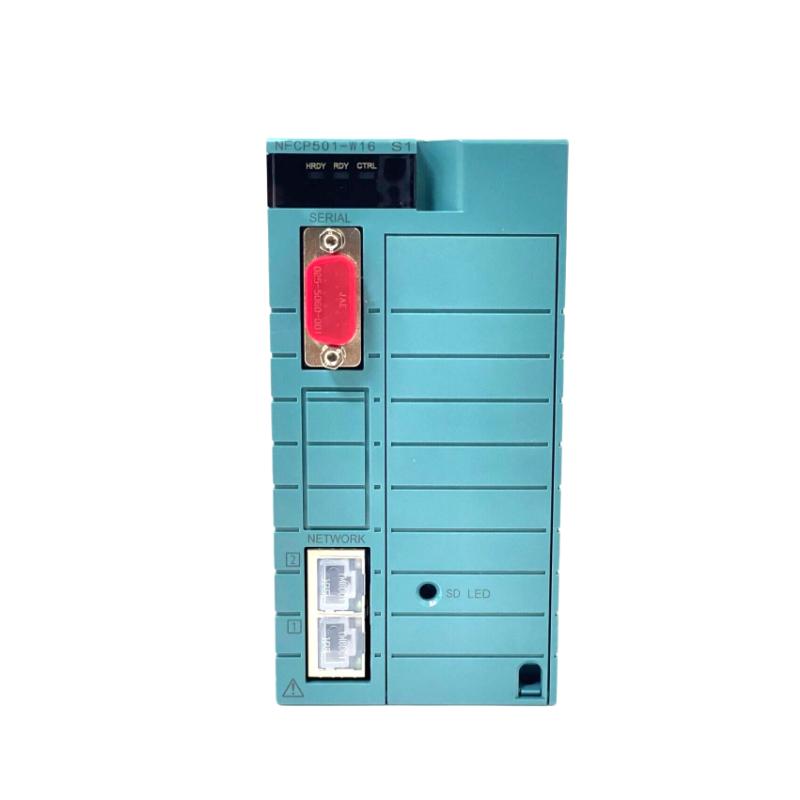
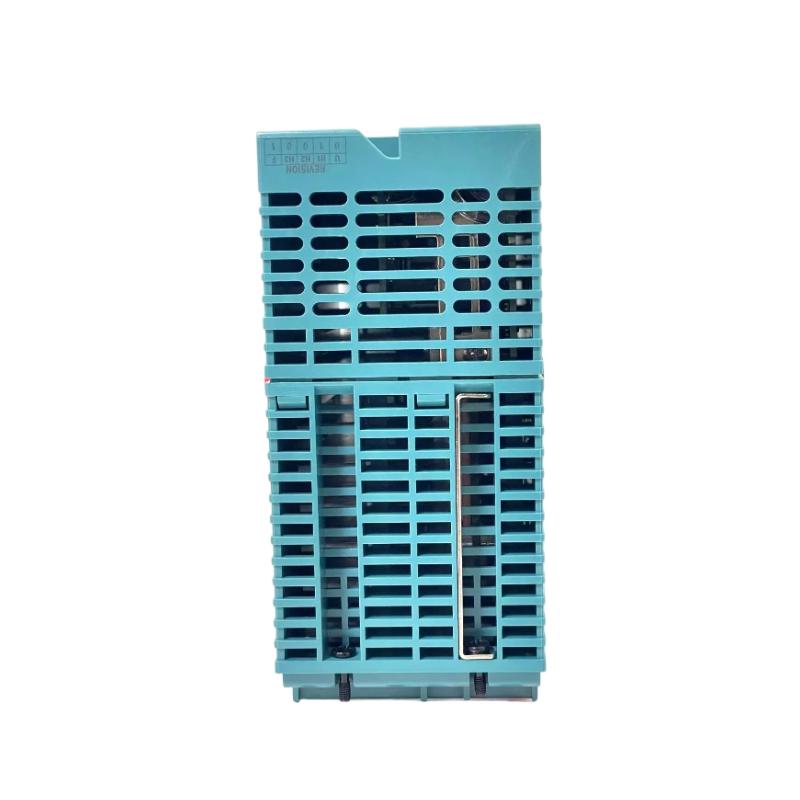
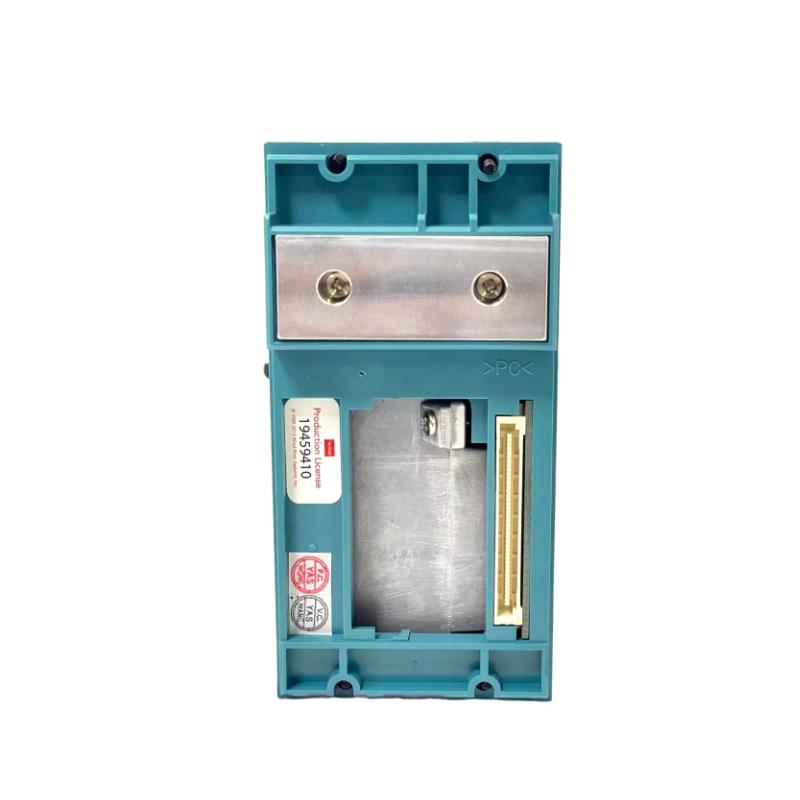
Yokogawa NFCP501 CPU Module (FCN-500 Autonomous Controller)
Yokogawa NFCP501 CPU Module (FCN-500 Autonomous Controller)
0.0
Points
Brand:Yokogawa Electric Item No.:Yokogawa NFCP501 Product Origin:Japan Product Dimensions:32.8 × 107.5 × 130 mm Product Weight:0.40 kg Payment:T/T, Western Union, Credit Card Goods_stock:15 Shipping Port:Xiamen, China Lead Time:1-3 Days Condition:Brand New And Original Warranty:1 Year Certificate:COO
The Yokogawa NFCP501 is a next-generation CPU module designed for the FCN-500 / STARDOM autonomous controller platform, delivering powerful processing performance for complex industrial automation and distributed control applications.
Built with a robust modular architecture, it enables high-speed control execution, redundant system configuration, and seamless integration with Yokogawa’s field network ecosystem. The NFCP501 is widely deployed in oil & gas, petrochemical, power generation, and large-scale SCADA systems, where reliability and deterministic control performance are essential.
This CPU module is engineered for 24/7 continuous operation, combining low power consumption with high computational efficiency.
Technical Specifications (Advanced Control Processing Core for FCN-500 Systems)
Parameter
Details
Model
NFCP501
Brand
Yokogawa
Product Type
CPU Module
System Platform
FCN-500 / STARDOM
Processor
Intel Atom E3815 1.46 GHz
Memory (Main)
256 MB ECC
SRAM
2 MB ECC (battery-backed)
Flash Memory
1 GB onboard
External Storage
SD card slot (4–32 GB, SDHC Class 10)
Ethernet Ports
2 × RJ45 (10/100 Mbps)
Serial Port
1 × RS-232-C
Maximum Tasks
16 control tasks
Programming Support
IEC 61131-3 languages
Hot Swap Support
Yes
Redundancy Support
CPU duplex configuration supported
Physical Dimensions & Weight
Item
Specification
Dimensions (W × H × D)
32.8 × 107.5 × 130 mm
Weight
~0.40 kg
Recommended Related Models (System Architecture Expansion)
Yokogawa NFCP502 – 4-port Ethernet CPU module (enhanced communication)
Yokogawa NFBU200 – Base module (long type)
Yokogawa NFBU050 – Base module (compact type)
Yokogawa NFPW426 – Power supply module
Yokogawa N2EB100 – E2 bus interface module
Popular Yokogawa Models (Core Control System Components)
Yokogawa AAI143 Analog Input Module
Yokogawa ADV161 Digital Input Module
Yokogawa ADV551 Digital Output Module
Yokogawa CP451 Controller Module
Yokogawa PW482 Power Supply Module
Applications (High-Reliability Control for Industrial Automation Networks)
The NFCP501 is widely used in:
Oil & gas production and pipeline control systems
Petrochemical refinery automation
Power plant turbine and boiler control systems
Offshore platform distributed control systems
Water treatment SCADA networks
Large-scale industrial process automation
It is especially suitable for systems requiring deterministic control, high reliability, and modular scalability.
Advantages (Industrial-Grade Processing Power with Flexible Expansion)
High-performance 1.46 GHz processing core for real-time control
ECC memory ensures data integrity and system stability
Supports IEC 61131-3 programming standards
Redundant CPU configuration for high availability systems
Hot-swappable design reduces maintenance downtime
Dual Ethernet ports for flexible network integration
Low heat design eliminates need for cooling fans
Strong compatibility with Yokogawa STARDOM architecture
Technical FAQs (Engineering-Level Insights)
1. What is the NFCP501 used for?
It is the main CPU module for Yokogawa FCN-500 control systems.
2. What is its processor type?
Intel Atom E3815 running at 1.46 GHz.
3. Does it support redundancy?
Yes, CPU duplex configuration is supported.
4. How many Ethernet ports does it have?
Two Ethernet ports (RJ45 10/100 Mbps).
5. What is the memory configuration?
256 MB ECC RAM and 2 MB SRAM with battery backup.
6. Does it support SD card storage?
Yes, SDHC cards from 4 to 32 GB are supported.
7. What programming standards are supported?
IEC 61131-3 control programming languages.
8. What is the weight of the module?
Approximately 0.40 kg.
9. What systems is it compatible with?
Yokogawa FCN-500 and STARDOM platforms.
10. Why is it widely used in industrial automation?
Because it provides stable, high-performance, and redundant control processing for mission-critical systems.