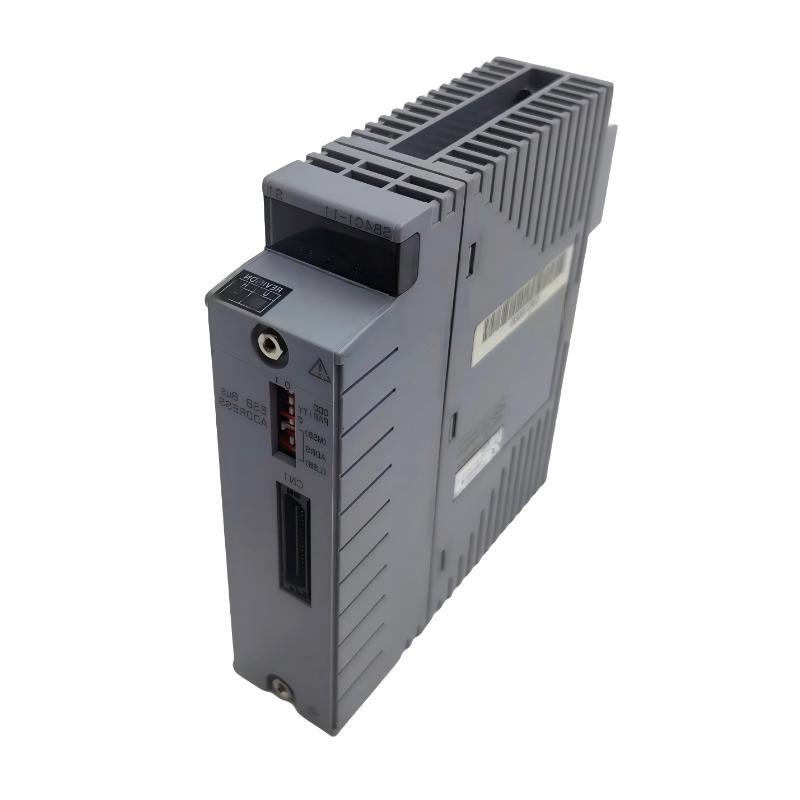
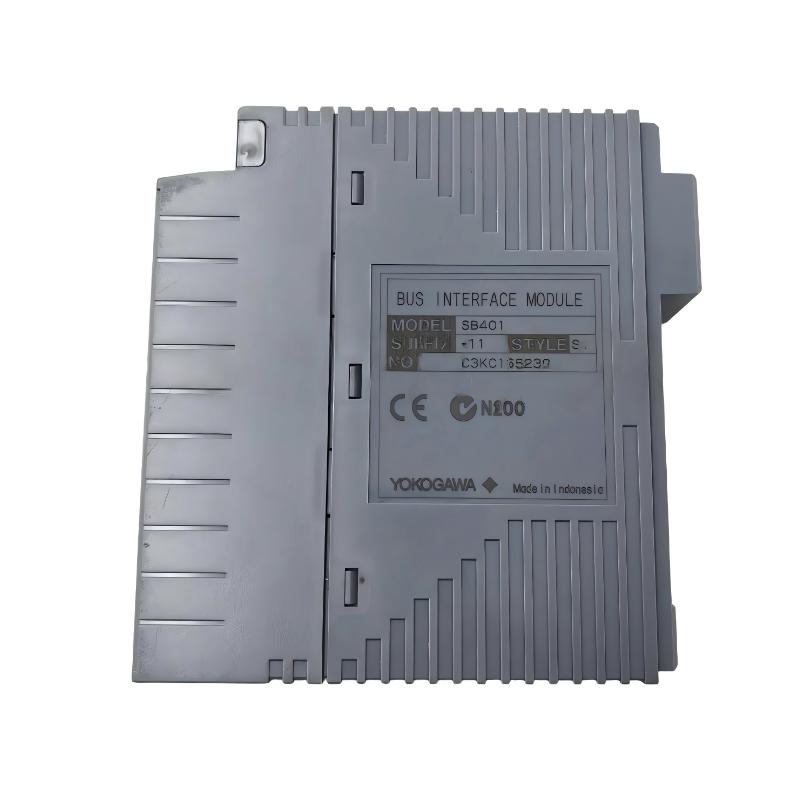
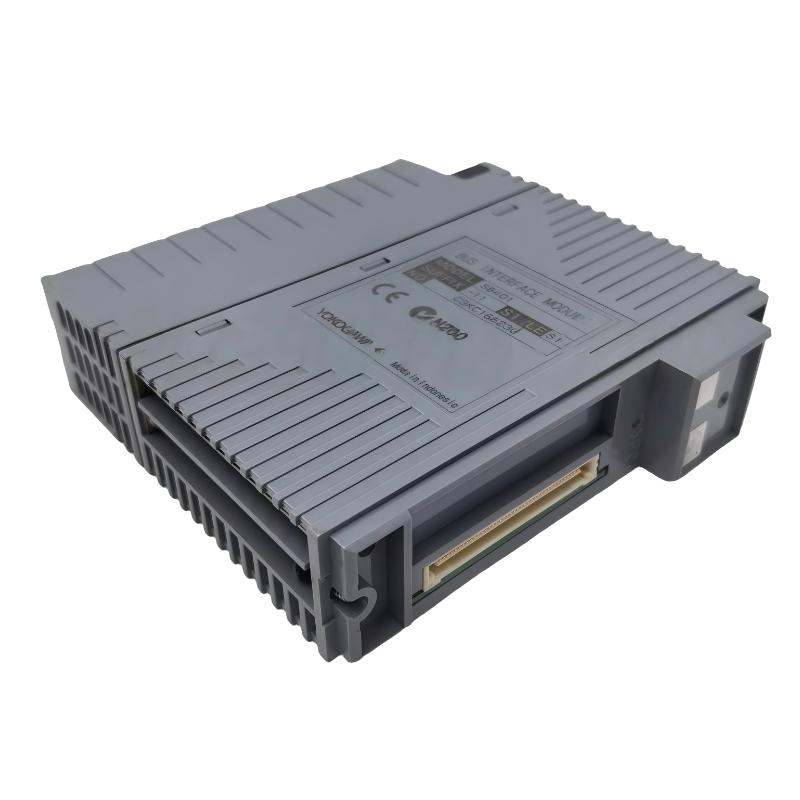
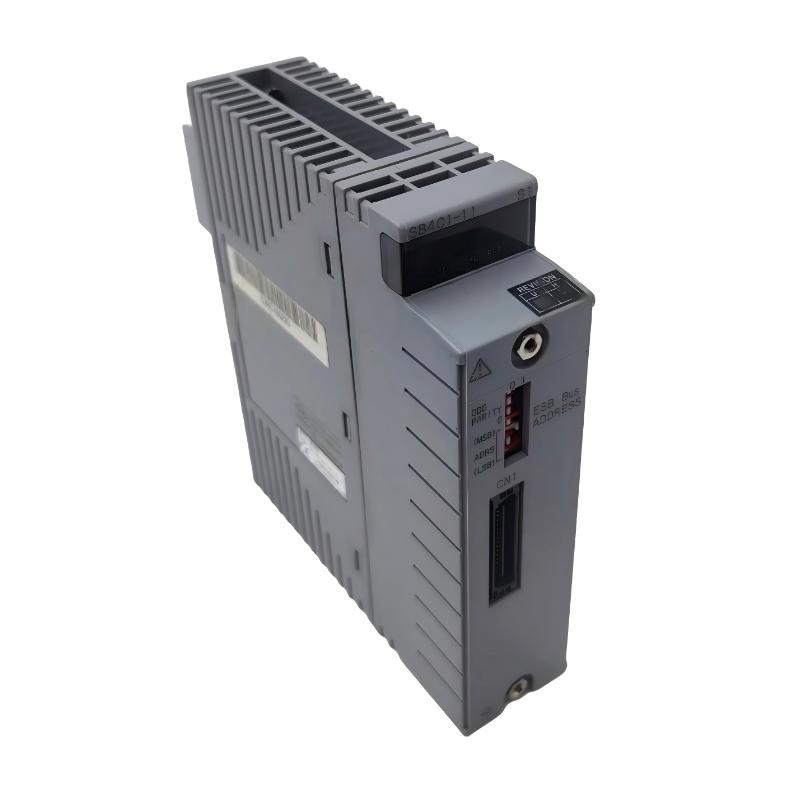
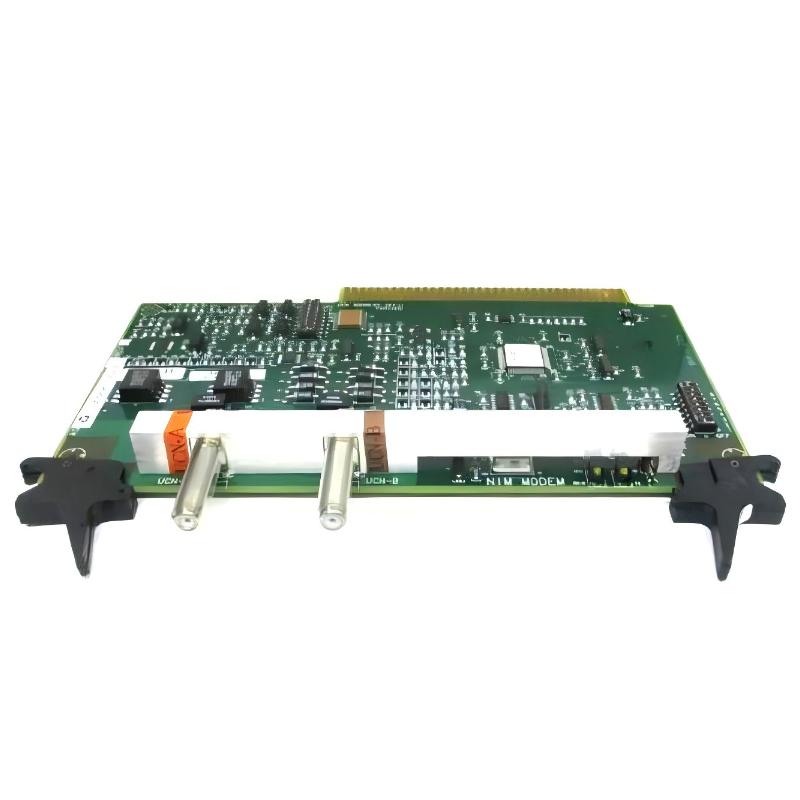
Brand:Yokogawa Electric Item No.:SB401-11 Product Origin:Japan Product Dimensions:130 x 142.5 x 32.8 mm Product Weight:0.45 kg Payment:T/T, Western Union, Credit Card Goods_stock:15 Shipping Port:Xiamen, China Lead Time:1-3 Days Condition:Brand New And Original Warranty:1 Year Certificate:COO
The Yokogawa SB401-11 Bus Interface Slave Module is a key communication component within industrial automation systems, designed to ensure stable and efficient data exchange across ESB bus networks. It plays a crucial role in distributed control environments where multiple subsystems must operate in perfect synchronization.
Engineered for Yokogawa CENTUM platforms, the module enables reliable integration between controllers and field-level I/O systems. Its robust design ensures consistent performance in demanding industrial conditions, making it a dependable choice for critical process industries.
Technical Specifications
Parameter
Specification
Product Type
ESB Bus Interface Slave Module
Model
SB401-11
System Compatibility
Yokogawa CENTUM CS / CENTUM VP
Communication
ESB Bus
Function
Controller-to-I/O interface
Redundancy Support
Yes
Installation Type
Rack-mounted module
Operating Environment
Industrial grade
Dimensions
130 x 142.5 x 32.8 mm
Weight
0.45 kg
Recommended Related Models
Model
Product Name
SB401-10
Yokogawa SB401-10 ESB Bus Interface Module
SB301
Yokogawa SB301 System Bus Interface Module
ESB401
Yokogawa ESB401 Communication Interface Unit
SSB401
Yokogawa SSB401 System Bus Coupler Module
Popular Related Models
Model
Product Name
CP461
Yokogawa CP461 Processor Module
CP451
Yokogawa CP451 CPU Module
AAI841
Yokogawa AAI841 Analog Input Module
PW482
Yokogawa PW482 Power Supply Module
Applications
• ESB bus communication integration in Yokogawa CENTUM distributed control systems
• Industrial process automation for oil & gas, petrochemical, and refinery plants
• Power generation control systems requiring reliable module-to-module data exchange
• Field device networking in large-scale SCADA and DCS architectures
• Redundant control system configurations for high-availability industrial operations
• Data transmission interface between control units and I/O subsystem networks
Key Advantages
• Stable ESB bus communication ensuring reliable system-level data exchange
• Designed for seamless integration within Yokogawa CENTUM CS and CENTUM VP platforms
• Supports redundant system architectures for enhanced operational safety
• Compact industrial-grade construction optimized for rack-based installation
• Strong resistance to electrical noise and harsh industrial environments
• High-speed data handling for efficient control system synchronization
• Simplified maintenance and fast module replacement capability
Technical FAQs
1. What is the main function of the SB401-11 module?
It serves as an ESB bus interface slave module enabling communication between control systems and I/O networks.
2. Which systems is it compatible with?
It is primarily used in Yokogawa CENTUM CS and CENTUM VP systems.
3. What does ESB bus mean in this context?
ESB is a high-speed control communication bus used for linking modules within distributed control systems.
4. Can it support redundant configurations?
Yes, it is commonly used in dual-redundant system architectures.
5. What role does it play in a DCS system?
It acts as a communication bridge between controllers and field I/O modules.
6. Is it suitable for harsh environments?
Yes, it is designed for industrial environments with electrical noise and vibration.
7. Does it require special configuration tools?
Configuration is performed through Yokogawa engineering tools within the CENTUM platform.
8. How does it improve system reliability?
It ensures stable and fault-tolerant communication between critical control components.
9. Can it be used in new and legacy systems?
Yes, it supports both existing and upgraded CENTUM architectures.
10. Is maintenance complicated?
No, it supports modular replacement for quick servicing and minimal downtime.