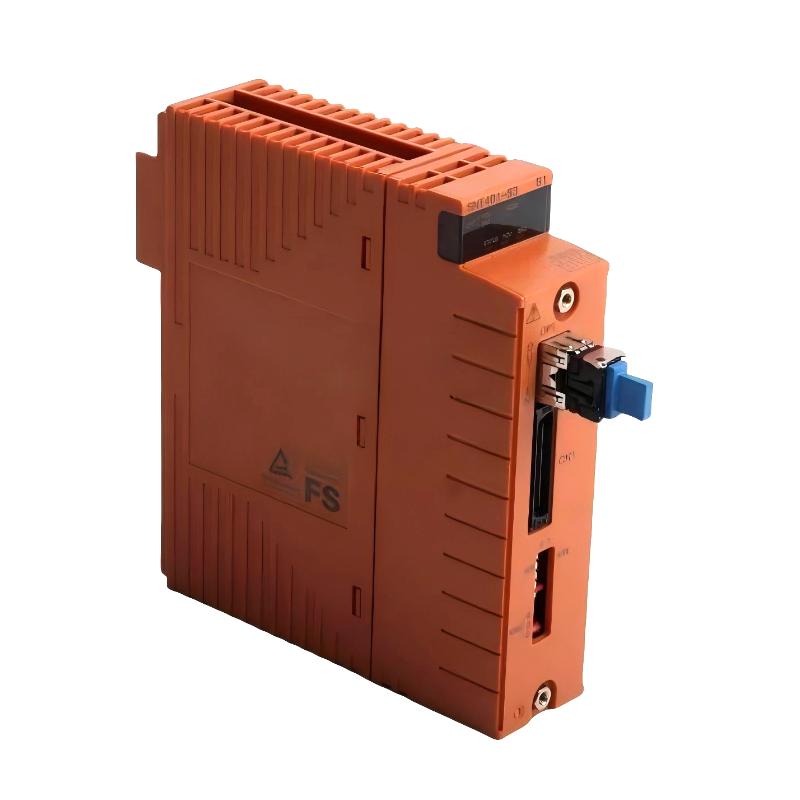
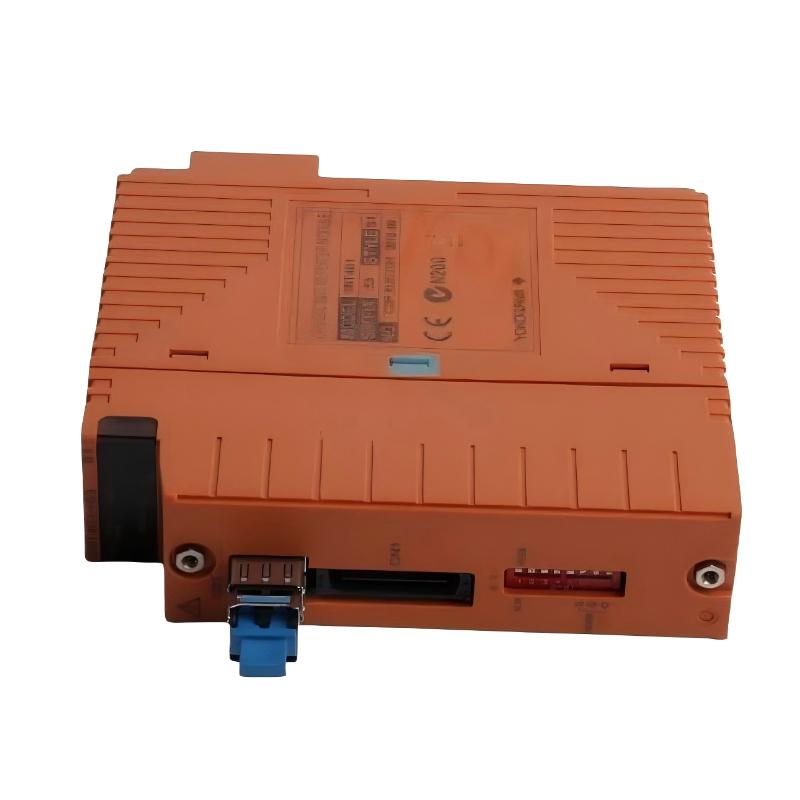
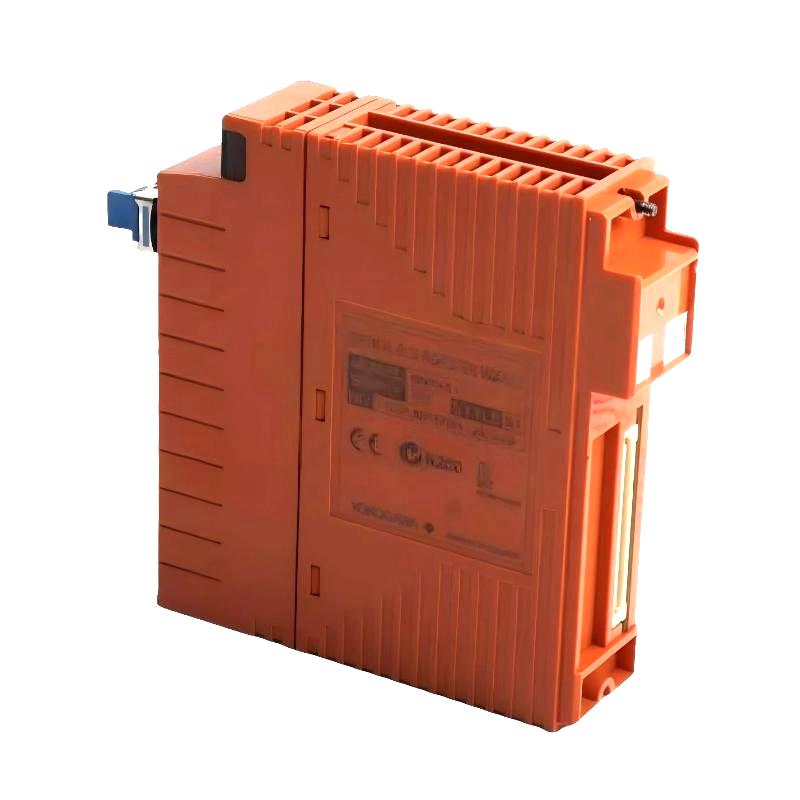
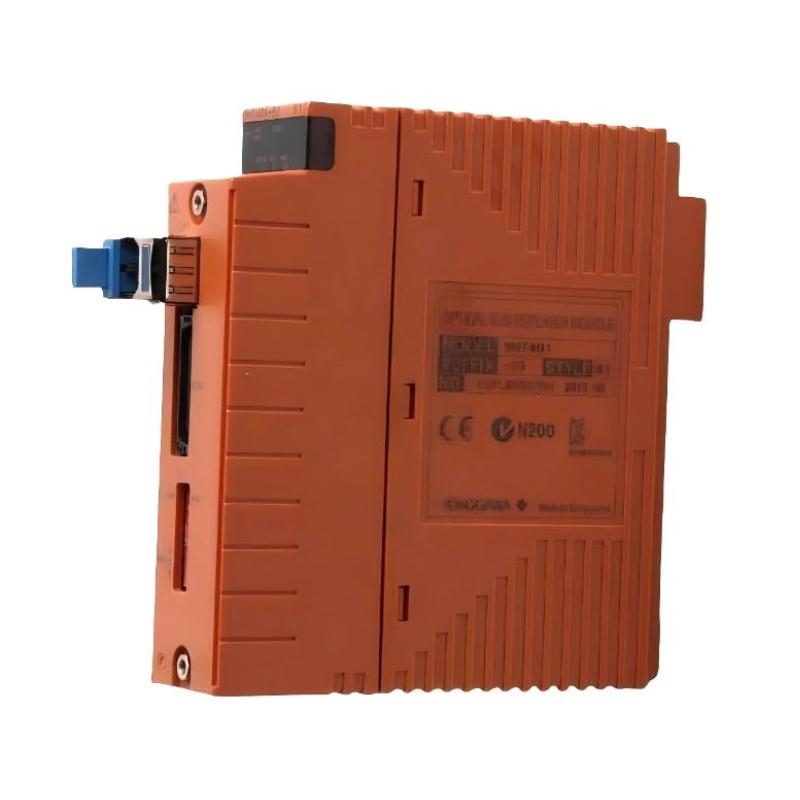
Yokogawa SNT401-53 S1 Fiber Optic Bus Repeater Module
Yokogawa SNT401-53 S1 Fiber Optic Bus Repeater Module
0.0
Points
Brand:Yokogawa Electric Item No.:SNT401-53 S1 Product Origin:Japan Product Dimensions:142.5 x 130 x 32.8 mm Product Weight:0.3 kg Payment:T/T, Western Union, Credit Card Goods_stock:15 Shipping Port:Xiamen, China Lead Time:1-3 Days Condition:Brand New And Original Warranty:1 Year Certificate:COO
The Yokogawa SNT401-53 S1 Fiber Optic Bus Repeater Module is a high-reliability industrial communication device designed to extend ESB bus networks using optical fiber technology. It plays a critical role in distributed control systems where long-distance, interference-free communication is essential for safe and stable plant operation.
Engineered for mission-critical environments, it ensures robust data transmission between controllers and remote I/O nodes even under extreme electromagnetic noise conditions. Its optical architecture significantly enhances system scalability, reliability, and operational safety in modern industrial automation networks.
Technical Specifications
Parameter
Specification
Product Type
Fiber Optic ESB Bus Repeater Module
Model
SNT401-53 S1
Communication Type
Optical ESB Bus
Transmission Medium
Fiber optic cable
Network Topology
Star / Chain
System Compatibility
Yokogawa CENTUM / ProSafe-RS
Current Consumption
Approx. 0.5 A
Operating Temperature
-20°C to 70°C (industrial grade)
Protection Standard
Industrial EMI-resistant design
Dimensions
130 × 124 × 32.8 mm
Weight
0.3 kg
Recommended Related Models
Model
Product Name
SNT501-53
Yokogawa Optical ESB Bus Repeater Slave Module
SEC401
Yokogawa ESB Bus Coupler Module
SSB401
Yokogawa ESB Bus Interface Slave Module
ANB11
Yokogawa Node Interface Module
Popular Related Models
Model
Product Name
CP461
Yokogawa CP461 Processor Module
CP451
Yokogawa CP451 CPU Module
AAI841
Yokogawa AAI841 Analog Input Module
PW482
Yokogawa PW482 Power Supply Module
Applications
• Optical ESB bus signal extension in Yokogawa CENTUM and ProSafe-RS systems
• Large-scale distributed control systems in oil & gas refineries
• Offshore platforms requiring long-distance, interference-free communication
• Power generation plants with geographically separated control nodes
• Petrochemical and chemical plants with high electromagnetic interference
• Safety instrumented systems requiring reliable redundant communication links
Key Advantages
• Converts electrical ESB signals into optical fiber transmission for long-distance communication
• High noise immunity, ideal for EMI-heavy industrial environments
• Supports star and chain network topologies for flexible system design
• Enables long-distance communication up to several kilometers depending on configuration
• Compact and lightweight design for easy rack installation
• Strong reliability for mission-critical safety and control systems
• Supports redundant architectures to enhance system availability
Technical FAQs
1. What is the main function of the SNT401-53 S1 module?
It converts ESB bus electrical signals into optical signals for long-distance transmission.
2. Where is it typically used?
It is used in Yokogawa CENTUM and ProSafe-RS distributed control systems.
3. What communication medium does it use?
It uses fiber optic cable for ESB bus signal transmission.
4. Does it support redundant configurations?
Yes, it is commonly used in redundant safety system architectures.
5. What network topologies are supported?
It supports both star and chain-type configurations.
6. Why is optical transmission important here?
It eliminates electromagnetic interference and increases communication distance.
7. Can it be used in harsh environments?
Yes, it is designed for high-temperature, high-EMI industrial environments.
8. Is it part of a master-slave system?
Yes, it typically works in combination with compatible ESB repeater modules.
9. What industries commonly use it?
Oil & gas, petrochemical, power generation, and offshore industries.
10. Does it require complex maintenance?
No, it is designed for long-life, low-maintenance industrial operation.