Yokogawa Electric

  1. Home
  2. Products
  3. Yokogawa Electric
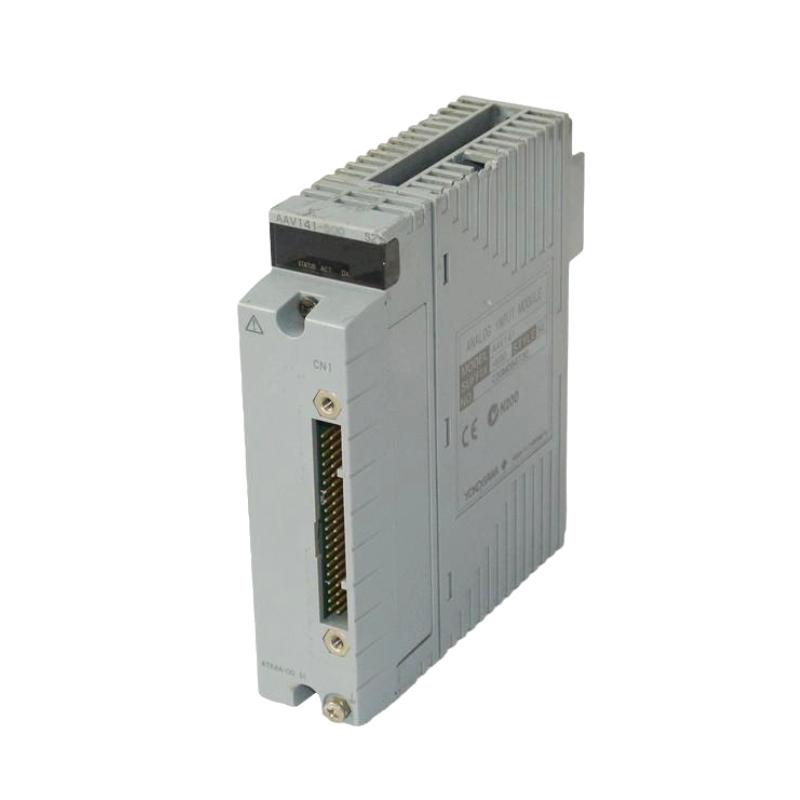
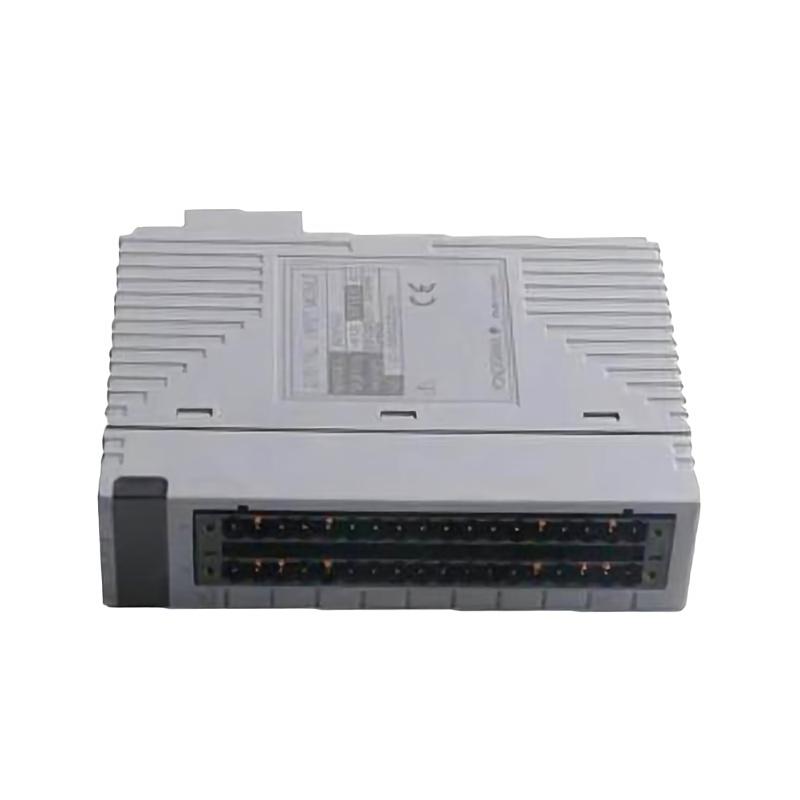
  4. Yokogawa AAV142-S50 Analog Input Module
Yokogawa AAV142-S50 Analog Input Module

Yokogawa AAV142-S50 Analog Input Module

0.0
Points

Brand:Yokogawa Electric
Item No.:Yokogawa AAV142-S50
Product Origin:Japan
Product Dimensions:230 × 110 × 30 mm
Product Weight:0.3 kg
Payment:T/T, Western Union, Credit Card
Goods_stock:15
Shipping Port:Xiamen, China
Lead Time:1-3 Days
Condition:Brand New And Original
Warranty:1 Year
Certificate:COO

Add to cart

AAV142-S50-3AAV142-S50-1AAV142-S50-4AAV142-S50-2

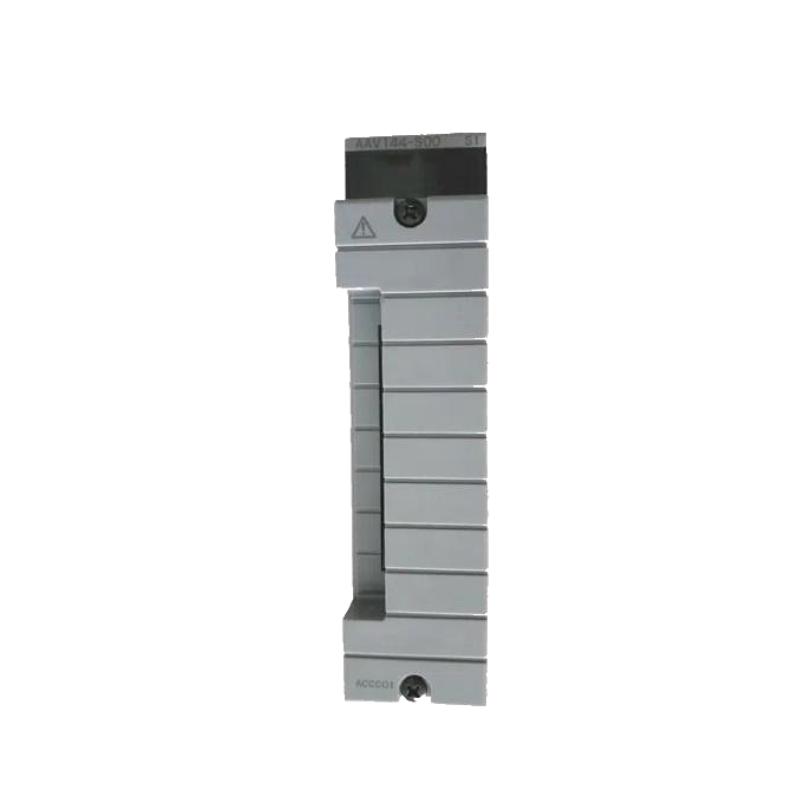
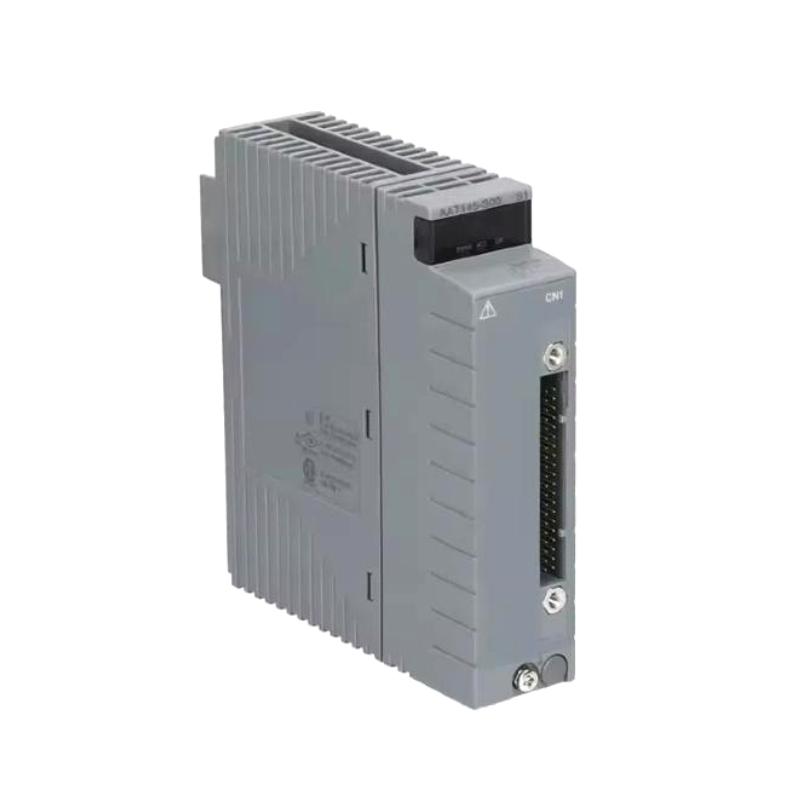
The Yokogawa AAV142-S50 is a high-density analog input module used in Yokogawa CENTUM VP / CENTUM CS 3000 distributed control systems (DCS).

It is designed to collect industrial field analog voltage signals (typically -10 V to +10 V DC or standardized process signals) and convert them into digital data for process control, monitoring, and automation logic. The module is widely used in chemical plants, power generation, oil & gas, and large-scale industrial process systems where stable and precise data acquisition is required.

This module belongs to Yokogawa’s AAV series analog input family, known for stability, diagnostic capability, and integration with redundant DCS architectures.


Technical Specifications

ParameterSpecification
BrandYokogawa
ModelAAV142-S50
Product TypeAnalog Input Module
System CompatibilityCENTUM VP / CENTUM CS 3000
Input Channels16 channels (non-isolated)
Input Signal Range-10 V to +10 V DC
Input Resistance≥ 1 MΩ
Accuracy±20 mV
Data Update Cycle10 ms
Response Time100 ms
Power Consumption~5 V DC, 350 mA
Operating Temperature-20°C to +60°C
Diagnostic FunctionOpen circuit / overrange detection

Physical Characteristics

ItemSpecification
Dimensions (L × W × H)230 × 110 × 30 mm
Weight~0.3 kg (typical 0.2–0.3 kg depending on configuration)
Form FactorRack-mounted DCS I/O module
InstallationYokogawa AOP series I/O unit (AOP501 / AOP511)

Recommended Related Models

  • Yokogawa AAV141-S50 – voltage input variant (1–5 V range)
  • Yokogawa AAI141-S50 – current input (4–20 mA) module
  • Yokogawa ADV151 / ADV161 – digital I/O modules
  • Yokogawa AAI841 – isolated analog input module
  • Yokogawa CENTUM VP I/O system – full DCS platform

Popular Yokogawa Models

  • Yokogawa AAV142-S50 – analog voltage input module
  • Yokogawa AAI141-S50 – analog current input module
  • Yokogawa AAI543 – advanced analog I/O module
  • Yokogawa ADV551 – digital output module
  • Yokogawa CENTUM VP – distributed control system platform

Applications

The AAV142-S50 is widely used in industrial automation environments such as:

  • Petrochemical process control systems
  • Oil refining and gas processing plants
  • Power generation monitoring systems
  • Water treatment and utility automation
  • Large-scale chemical production lines
  • Distributed control system (DCS) architectures

It is especially important where high-channel-density analog signal acquisition is required for stable process control.


Advantages

  • 16-channel high-density analog input design
  • High precision voltage measurement capability
  • Stable integration with Yokogawa CENTUM systems
  • Built-in diagnostic functions for fault detection
  • Reliable long-term industrial operation
  • Compact module design for cabinet efficiency
  • Fast data refresh cycle (10 ms)
  • Proven performance in mission-critical process industries


Technical FAQs

1. What is Yokogawa AAV142-S50 used for?
It is used for analog voltage signal acquisition in DCS systems.

2. How many channels does it have?
It provides 16 non-isolated input channels.

3. What is the input signal range?
Typically -10 V to +10 V DC.

4. What systems is it compatible with?
Yokogawa CENTUM VP and CENTUM CS 3000 systems.

5. Is it isolated?
No, it is a non-isolated analog input module.

6. What is the weight?
Approximately 0.2–0.3 kg.

7. What is the response time?
Around 100 ms step response.

8. What industries use it?
Oil & gas, petrochemical, power plants, and chemical industries.

9. Is it still in production?
It is mainly used as part of installed base systems and spare parts supply.

10. Why is it important?
Because it ensures stable, high-density analog data acquisition for DCS control systems.


Look forward to your comments!Comment
Latest comments
Tags:
Need Assistance? Chat with Us on WhatsApp!
Need Assistance? Click to Inquire
Back to top