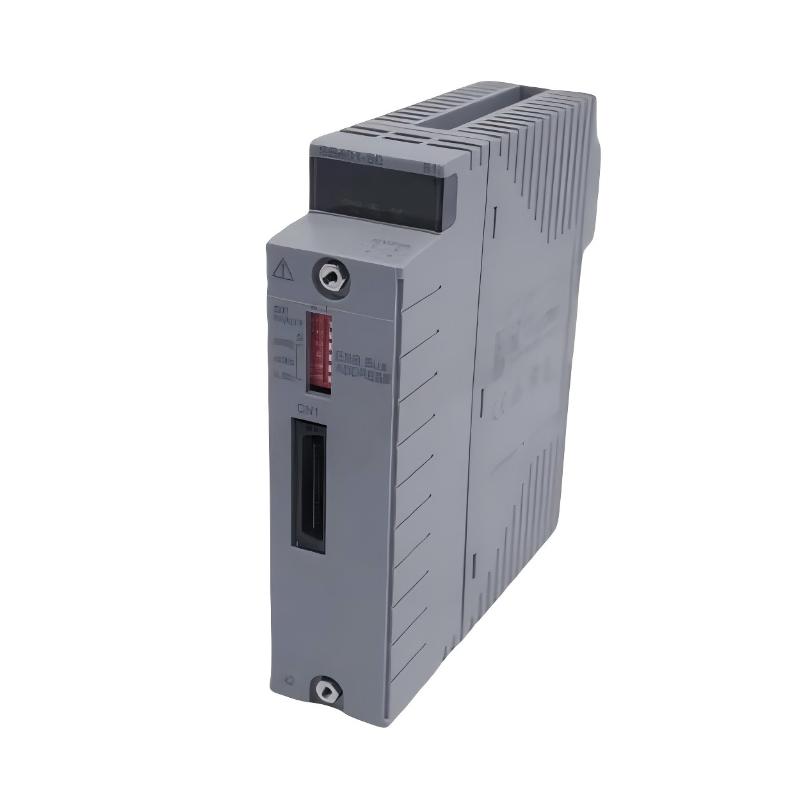
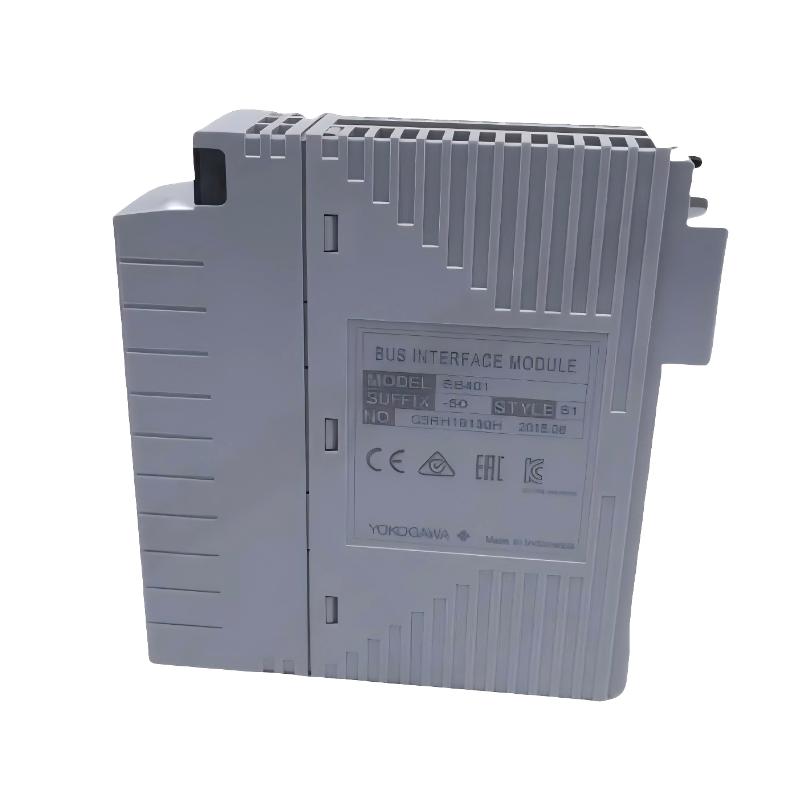
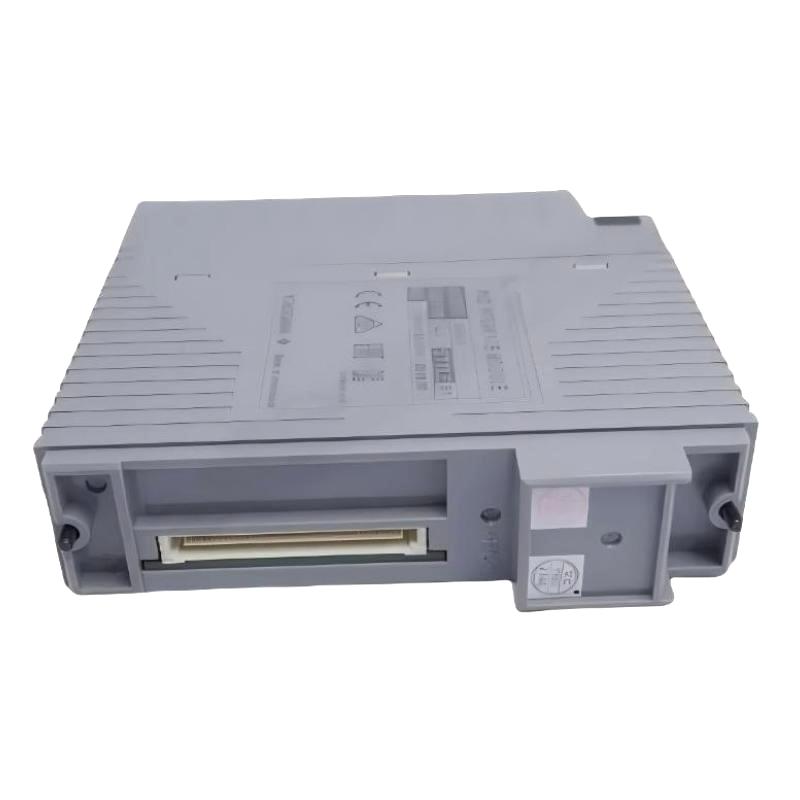
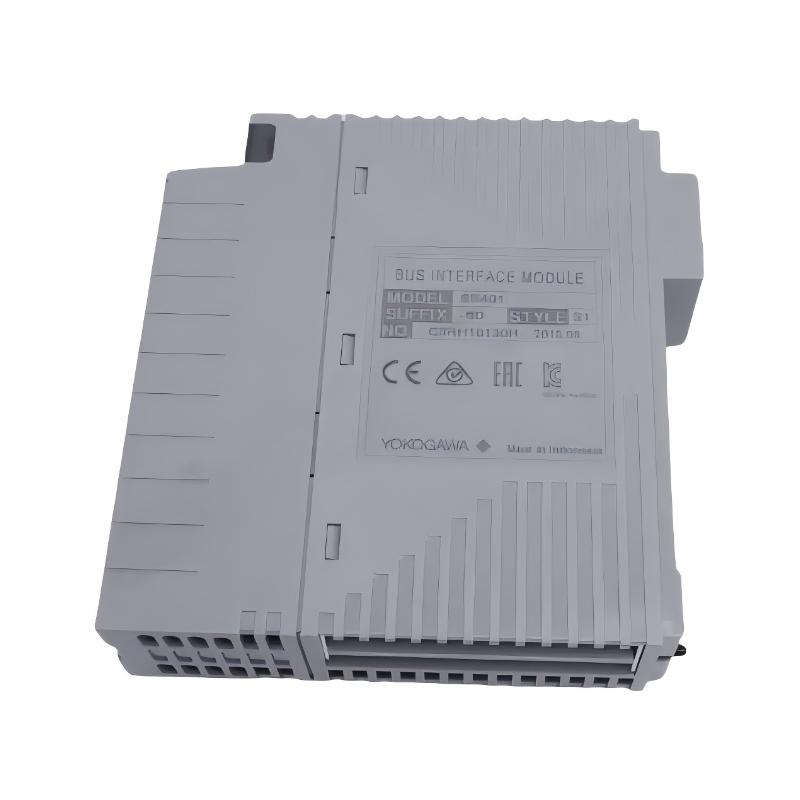
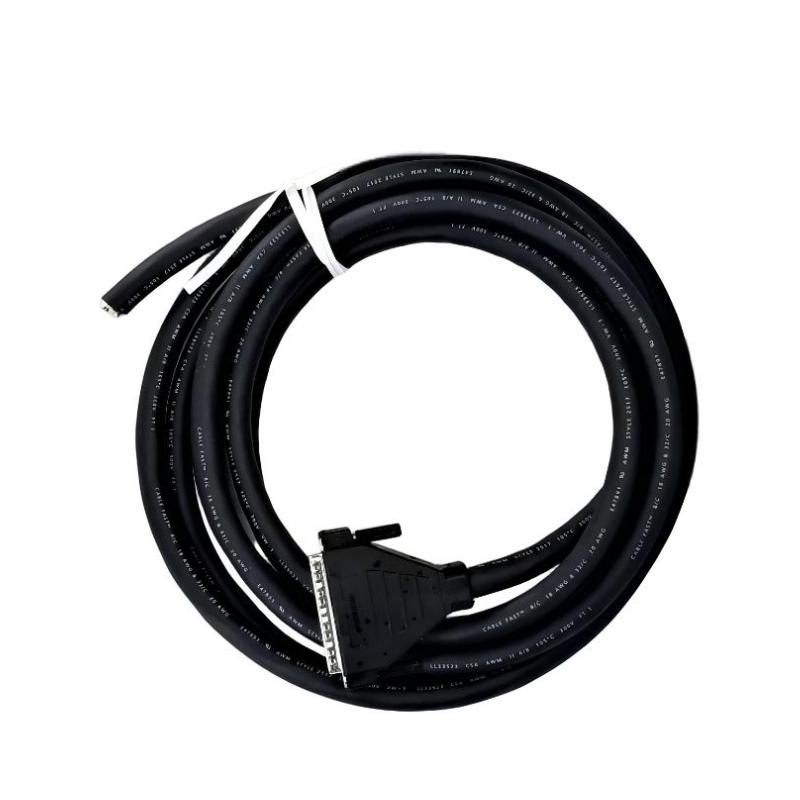
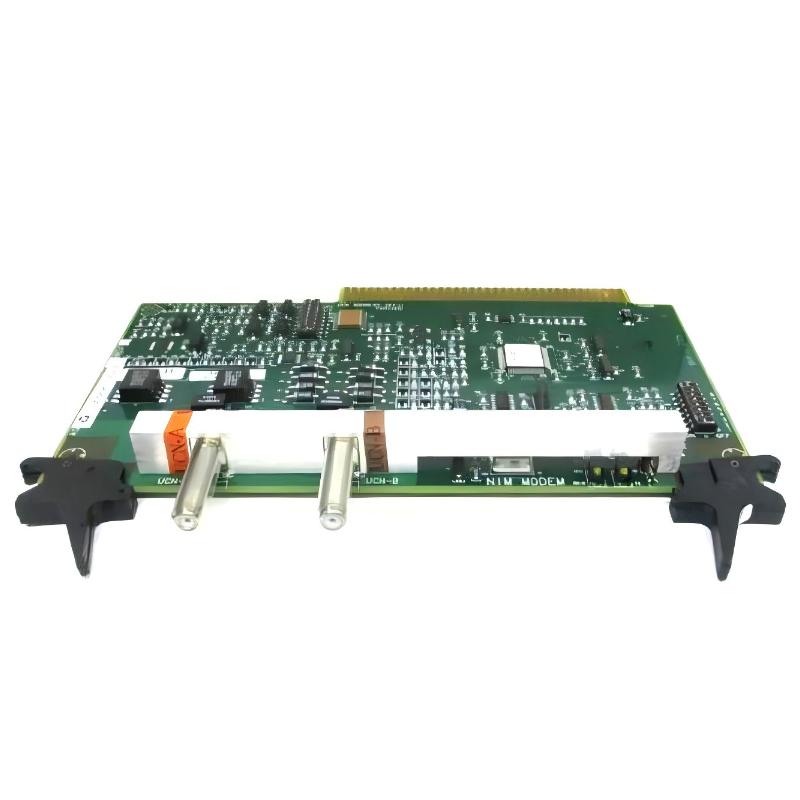
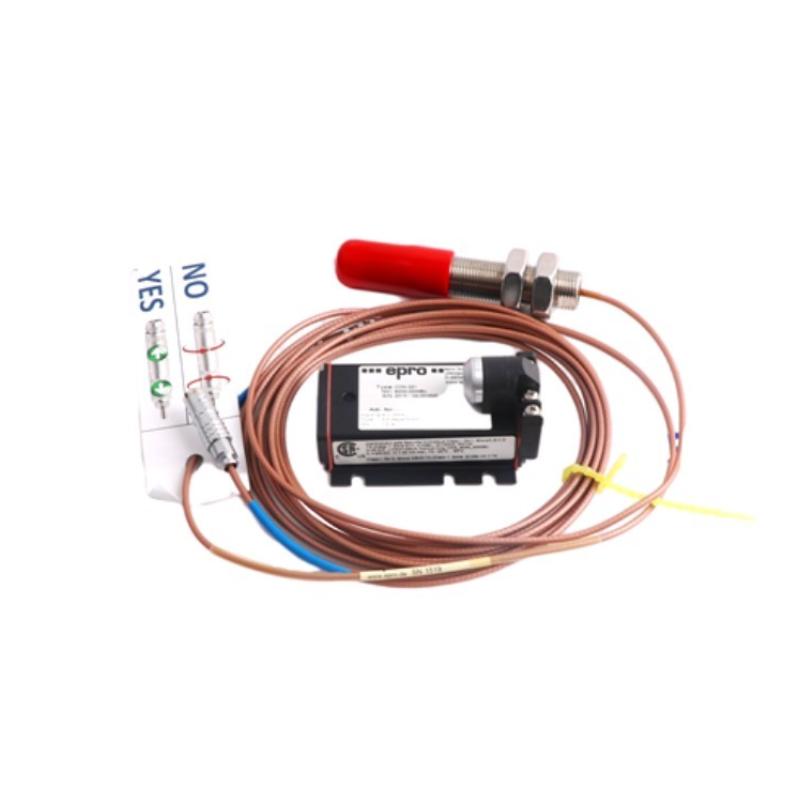
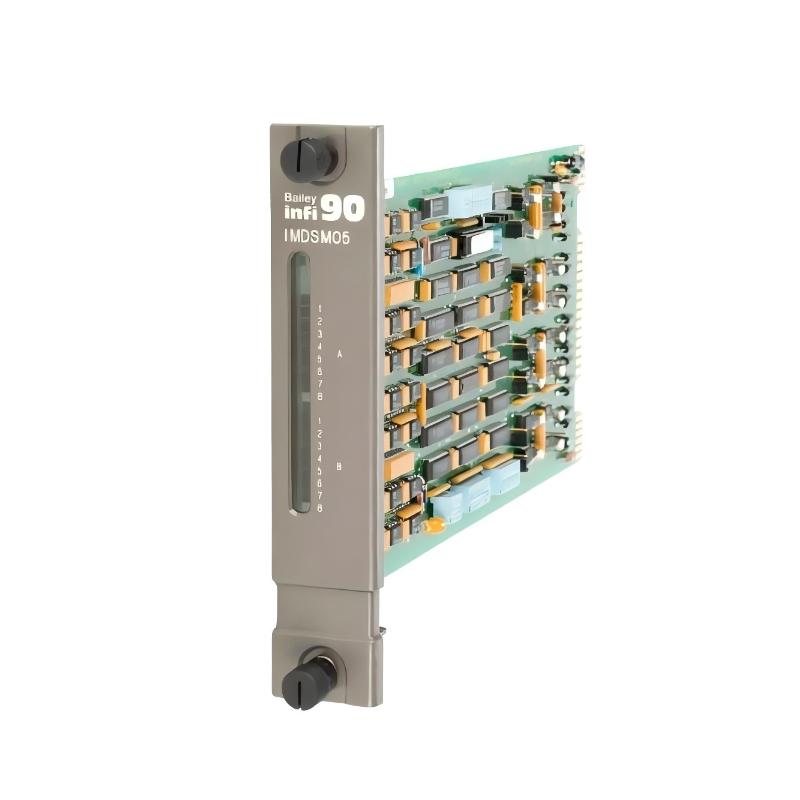
Brand:Yokogawa Electric Item No.:SB401 Product Origin:Japan Product Dimensions:130 x 142.5 x 32.8 mm Product Weight:0.45 kg Payment:T/T, Western Union, Credit Card Goods_stock:15 Shipping Port:Xiamen, China Lead Time:1-3 Days Condition:Brand New And Original Warranty:1 Year Certificate:COO
The Yokogawa SB401 Bus Interface Slave Module is a key communication component used in distributed control systems. It enables reliable data exchange between field I/O stations and central controllers through the ESB bus architecture, ensuring stable system coordination.
Widely used in industrial automation environments such as oil & gas, petrochemical, and power generation, this module plays an essential role in maintaining system integrity and communication reliability in large-scale control networks.
Technical Specifications
Parameter
Specification
Product Type
Bus Interface Slave Module
Model
SB401
Brand
Yokogawa
Function
ESB bus communication interface
System Role
Slave module
Communication Type
ESB bus
Application
DCS / process automation
Installation
Rack-mounted module
Operating Environment
Industrial grade
Resistance
High noise immunity
Dimensions
130 × 142.5 × 32.8 mm
Weight
0.45 kg
Recommended Related Models
Model
Product Name
EC401-10
Yokogawa ESB Bus Coupler Module
CP461-51
Yokogawa Processor Module
AAI543-S00
Yokogawa Analog Input Module
ADV151-P00
Yokogawa Digital Input Module
Popular Related Models
Model
Product Name
AFV30S
Yokogawa Field Control Unit
ALE111-S00
Yokogawa Communication Module
ADV551-P00
Yokogawa Digital Output Module
AAI835-S00
Yokogawa Analog I/O Module
Applications
• Communication interface between field control units and ESB bus systems in Yokogawa DCS architectures
• Data transmission between I/O nodes and central processor modules in process automation systems
• Oil & gas and petrochemical plants requiring stable distributed control communication
• Power generation systems for reliable signal exchange between control layers
• Large-scale industrial automation systems with multi-node architecture
• Redundant control systems requiring synchronized data communication
Key Advantages
• High-reliability ESB bus communication ensuring stable system data transfer
• Designed for seamless integration within Yokogawa distributed control systems
• Supports large-scale I/O expansion in complex automation architectures
• Stable long-distance internal communication with low signal degradation
• Robust industrial-grade design for continuous 24/7 operation
• Enhanced system scalability for future expansion requirements
• Strong resistance to electrical noise and industrial interference
Technical FAQs
1. What is the main function of this module?
It acts as a slave interface for ESB bus communication within a distributed control system.
2. Where is it used?
It is used in Yokogawa DCS architectures for process automation and control communication.
3. Does it handle control logic?
No, it only handles communication between system modules.
4. What systems is it compatible with?
It is compatible with Yokogawa distributed control platforms using ESB bus architecture.
5. Can it be used for I/O expansion?
Yes, it supports expansion of remote I/O nodes in control systems.
6. Is it suitable for harsh environments?
Yes, it is designed for industrial temperature and electrical noise conditions.
7. Does it support redundancy?
Yes, it can be used in redundant system architectures depending on configuration.
8. What type of data does it transmit?
It transmits control and process data between system modules.
9. Is it a standalone controller?
No, it operates as a communication interface module only.
10. What is its key benefit?
It ensures stable and reliable communication across distributed control systems.