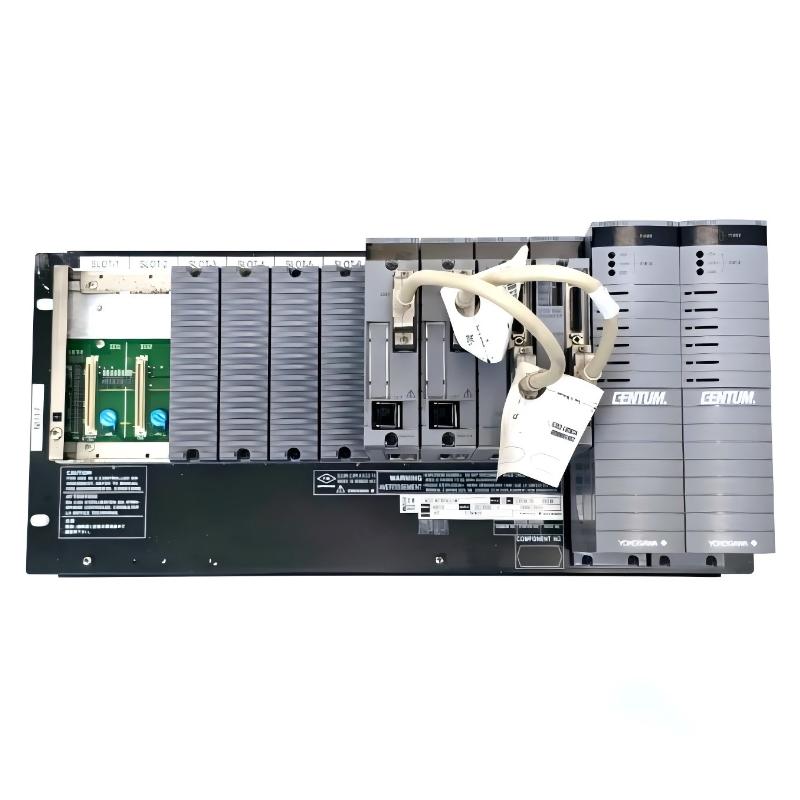
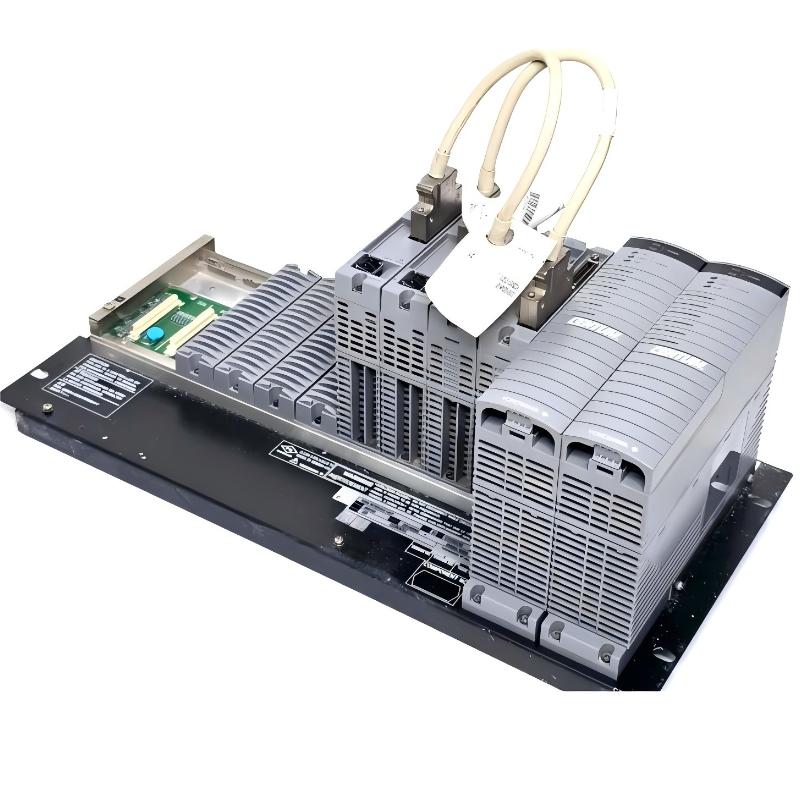
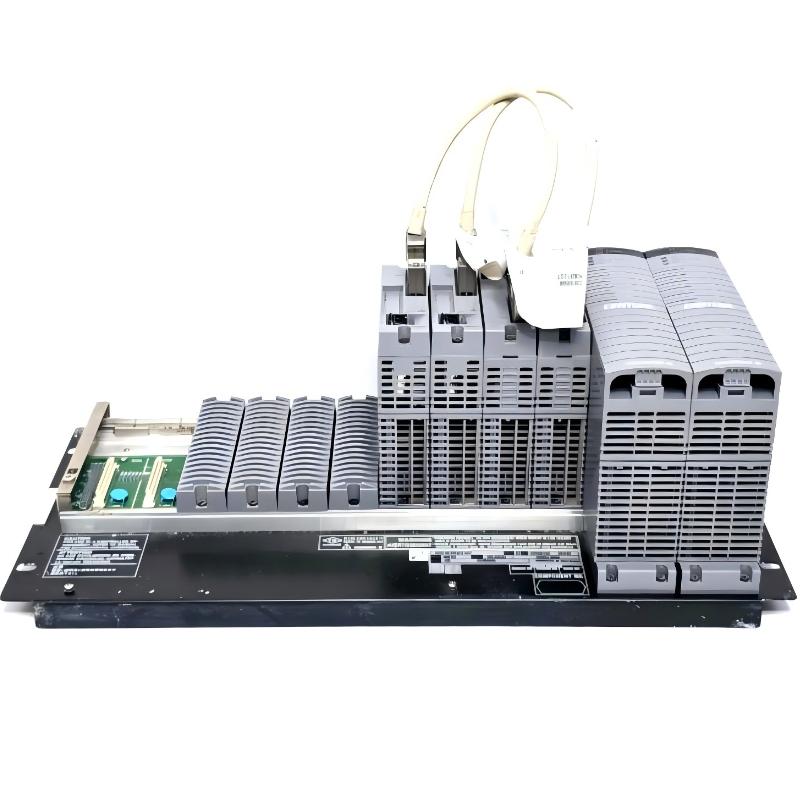
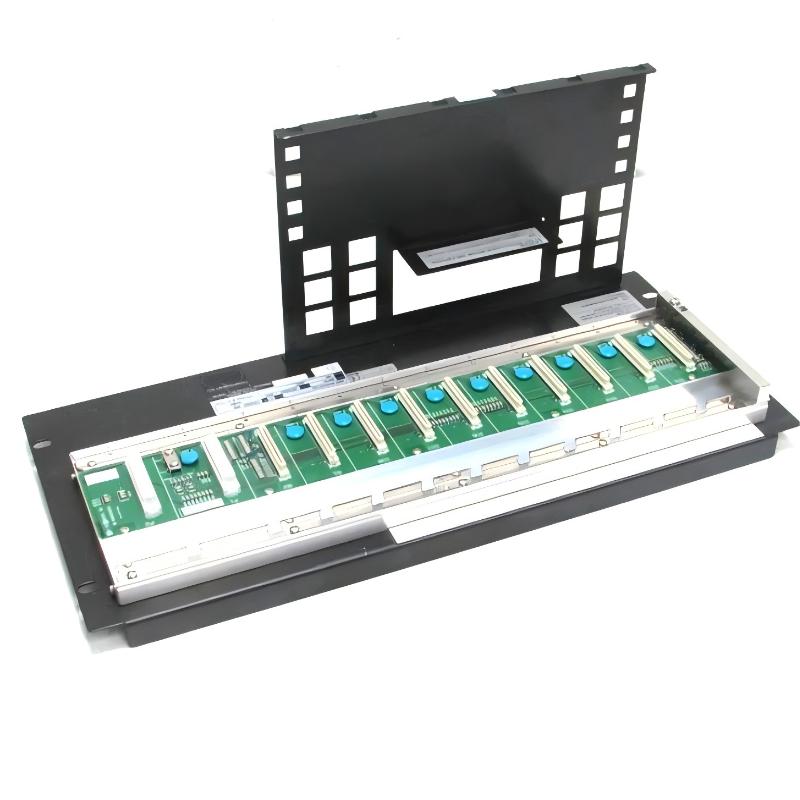
Brand:Yokogawa Electric Item No.:ANB10D-425/CU2 Product Origin:Japan Product Dimensions:482.6 × 221.5 × 205 mm Product Weight:10 kg Payment:T/T, Western Union, Credit Card Goods_stock:15 Shipping Port:Xiamen, China Lead Time:1-3 Days Condition:Brand New And Original Warranty:1 Year Certificate:COO
The Yokogawa ANB10D-425/CU2 ESB Bus Node Unit is a high-reliability distributed I/O expansion module designed for Yokogawa DCS architectures. It plays a key role in extending system capacity by connecting field devices and remote I/O stations to the central control system via the ESB bus network.
With its robust industrial design and scalable architecture, this node unit is widely used in power plants, oil & gas facilities, and large-scale process industries. It ensures stable communication, efficient system expansion, and reliable long-term operation in demanding automation environments.
Technical Specifications
Parameter
Specification
Product Model
Yokogawa ANB10D-425/CU2
Product Type
ESB Bus Node Unit
Dimensions
482.6 × 221.5 × 205 mm
Weight
10 kg
Function
I/O node communication and expansion
System Compatibility
Yokogawa DCS ESB bus systems
Application
Distributed control and process automation
Installation Type
Rack-mounted unit
Operating Environment
Industrial automation systems
Build Design
Industrial-grade node communication module
Recommended Related Models
Model
Product Name
ANB10D-410/CU2
Yokogawa ESB Bus Node Unit
ANB10D-430/CU2
Yokogawa Extended Node Unit
AAI143-S50
Yokogawa Analog Input Module
ADV551-P50
Yokogawa Digital Output Module
Popular Related Models
Model
Product Name
ANB10S-425
Yokogawa Node Interface Unit
AAI841-S00
Yokogawa High-Density Analog Module
ADV159-P00
Yokogawa Digital Input Module
CP461-10
Yokogawa Processor Module
Where It’s Used
• Distributed control systems (DCS) I/O networking
Used as a node unit to expand and manage ESB bus-based I/O communication.
• Process automation systems
Enables reliable field signal aggregation and transmission to the central controller.
• Power generation control systems
Supports data exchange between field instrumentation and control processors.
• Oil & gas production facilities
Used for robust remote I/O networking in harsh industrial environments.
• Chemical and petrochemical plants
Facilitates distributed signal collection and system integration.
• Large-scale industrial automation networks
Expands I/O capacity in complex control system architectures.
Key Engineering Benefits
• High-capacity I/O networking
Enables expansion of distributed control system input/output architecture.
• Stable ESB bus communication
Ensures reliable and deterministic data transfer.
• Robust industrial design
Built for continuous operation in demanding environments.
• Scalable system architecture
Supports flexible expansion of control system nodes.
• High system integration capability
Seamlessly connects field devices to central control systems.
• Improved operational reliability
Enhances stability of large-scale automation networks.
Technical FAQs
1. What is the main function of this ESB bus node unit?
It expands and manages I/O communication in ESB bus-based control systems.
2. Is it used in DCS systems?
Yes, it is commonly used in Yokogawa distributed control systems.
3. What does ESB bus refer to?
It is a high-speed communication backbone used for I/O expansion.
4. Can it support remote I/O?
Yes, it is designed for distributed and remote I/O configurations.
5. Is it suitable for harsh environments?
Yes, it is built for industrial-grade reliability.
6. What industries use this unit?
Power generation, oil & gas, and chemical processing industries.
7. Does it improve system scalability?
Yes, it allows expansion of control system I/O capacity.
8. Is it a processing unit?
No, it functions as a communication and node interface unit.
9. Does it require frequent maintenance?
No, it is designed for long-term stable operation.
10. Is it compatible only with Yokogawa systems?
Yes, it is intended for Yokogawa ESB bus architectures.