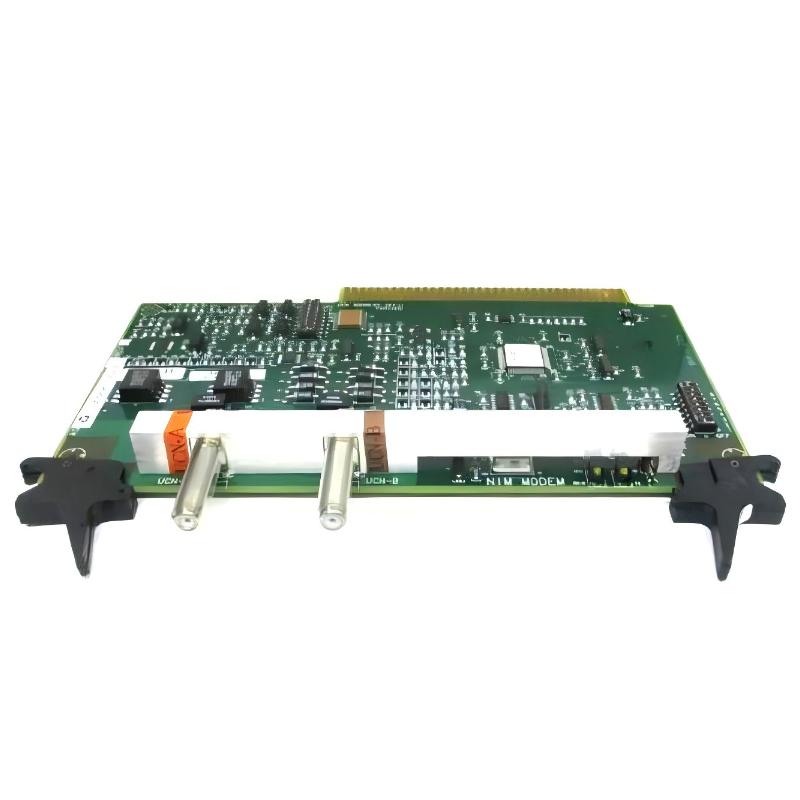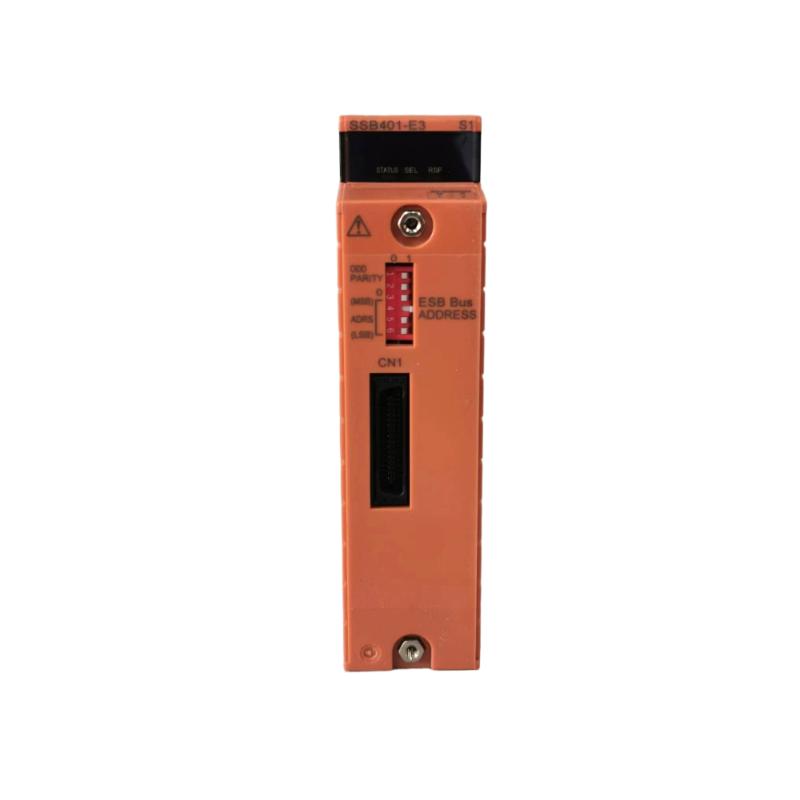
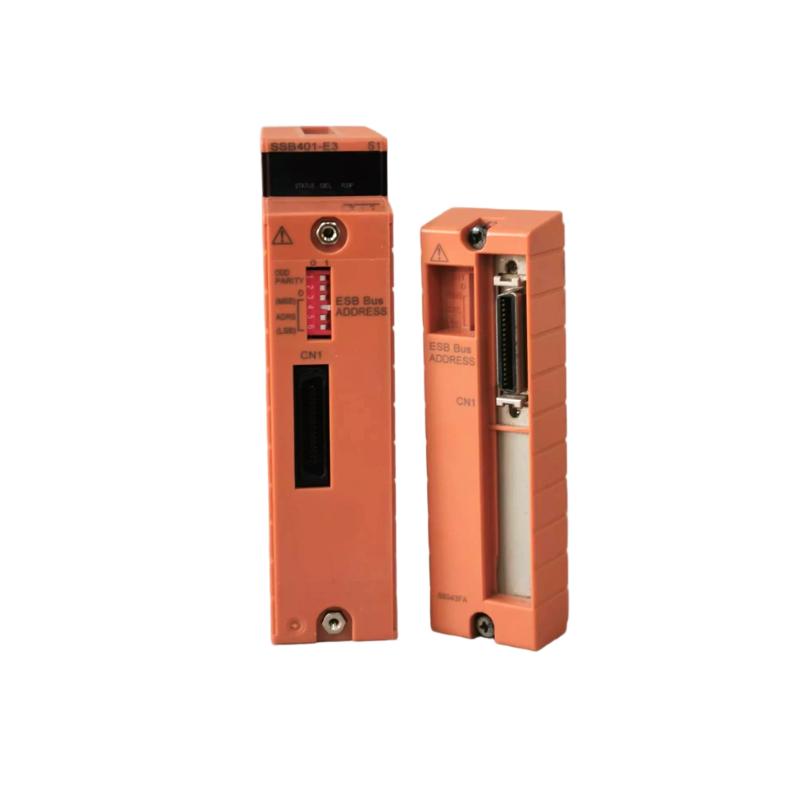
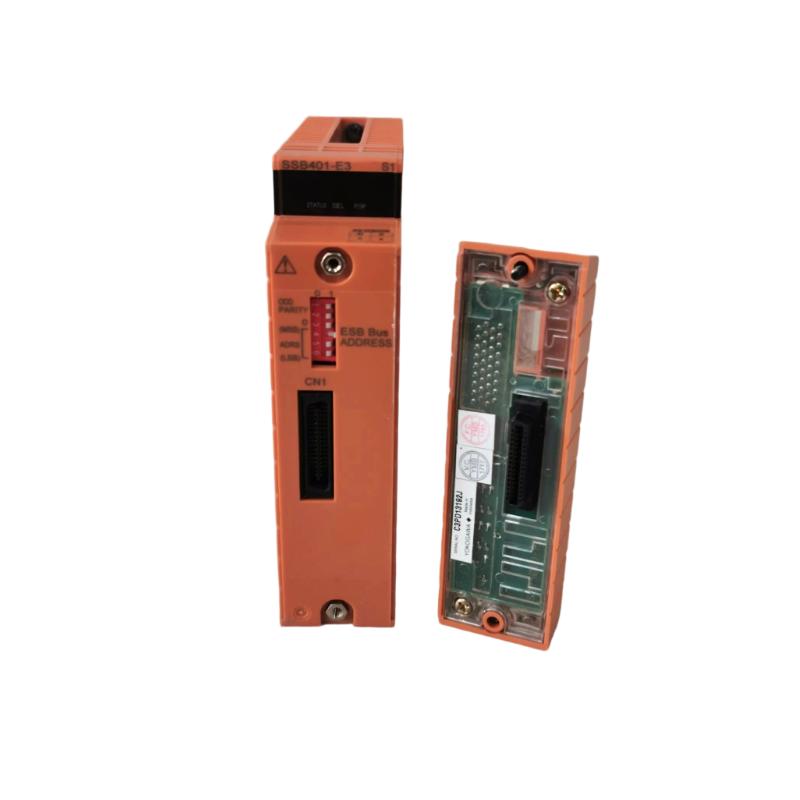

The Yokogawa SNT401-E3 is an Optical ESB Bus Repeater Master Module used in Yokogawa ProSafe-RS Safety Instrumented Systems (SIS) and ESB-based distributed safety networks.
It is designed to convert ESB bus electrical signals into optical fiber signals, enabling long-distance communication between safety control units and safety node systems. The SNT401-E3 works together with a corresponding slave module (typically SNT501-E3) to form a complete optical transmission pair.
The “-E3” suffix generally refers to a specific revision / environmental / hardware configuration variant, commonly used in certain ProSafe-RS system generations and regional configurations.
Technical Specifications
| Parameter | Specification |
|---|---|
| Brand | Yokogawa |
| Model | SNT401-E3 |
| Product Type | Optical ESB Bus Repeater (Master) |
| System Compatibility | ProSafe-RS SIS / ESB bus architecture |
| Function | ESB electrical → optical signal conversion |
| Pairing Module | SNT501-E3 |
| Network Type | ESB optical fiber communication |
| Topology | Star type / Chain type |
| Max Connection Stages | 2 stages |
| Transmission Distance | Typically up to 5 km per segment (system dependent) |
| Current Consumption | ~0.5 A |
| Weight | Approx. 0.3 kg |
| Operating Temperature | -20°C to +70°C (ISA G3 class, typical) |
| Installation | 19-inch rack system module |
According to Yokogawa ESB repeater documentation, SNT401-series modules extend ESB bus communication using optical fiber links between safety controllers and nodes.
Physical Characteristics
| Item | Specification |
|---|---|
| Dimensions (W × H × D) | Approx. 32.8 × 130 × 142.5 mm (module standard) |
| Weight | ~0.3 kg |
| Mounting Type | 19-inch industrial rack |
| Structure | Optical repeater master board |
| Installation | Control cabinet / SIS rack system |
System Role
The SNT401-E3 acts as the master-side optical interface in ESB bus expansion systems.
Typical configuration:
-
ESB Bus (from SEC401 / SSB401 / controller side)
→ SNT401-E3 (Master)
→ Optical fiber link
→ SNT501-E3 (Slave)
→ Remote safety node / I/O system
This enables long-distance deterministic communication in distributed safety architectures.
Recommended Related Models
- Yokogawa SNT501-E3 – Optical ESB Bus Repeater Slave
- Yokogawa SNT401-53 – alternative configuration variant
- Yokogawa SNT10D – rack-mounted ESB repeater unit
- Yokogawa SNB10D – safety node unit
- Yokogawa SEC401 / SEC402 – ESB coupler modules