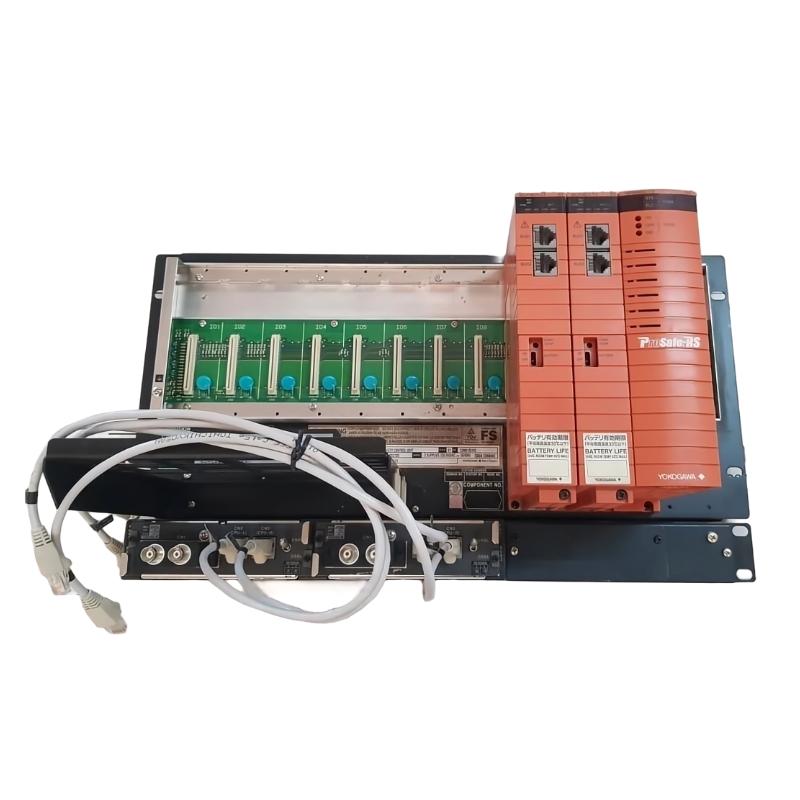
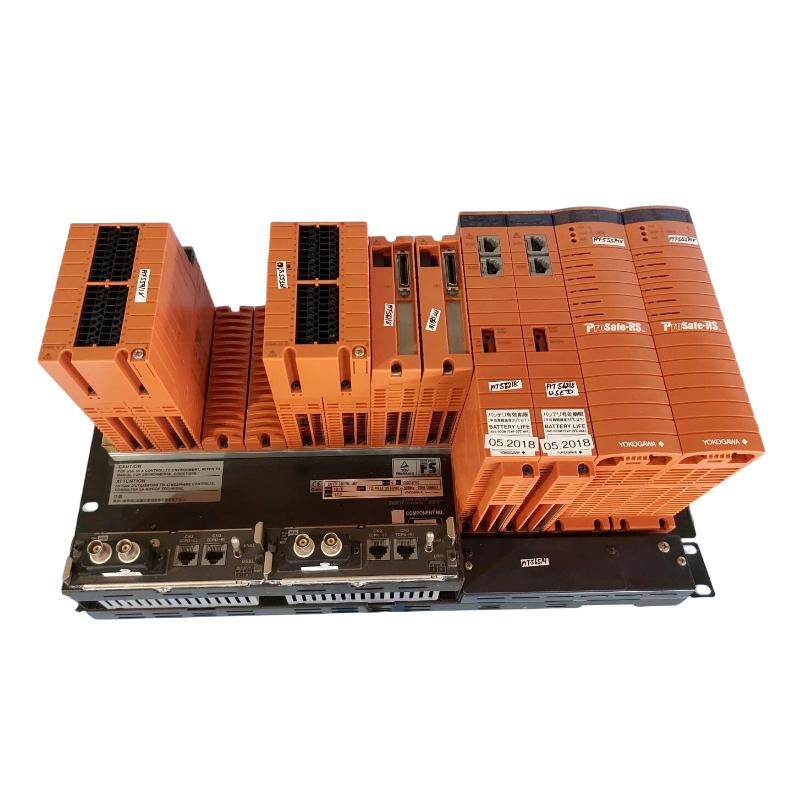
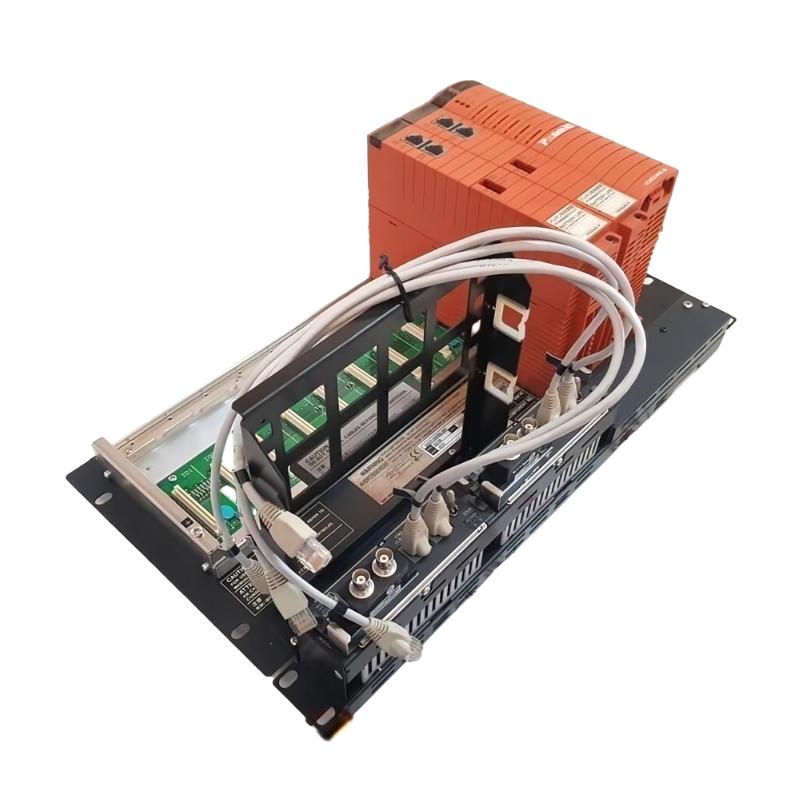
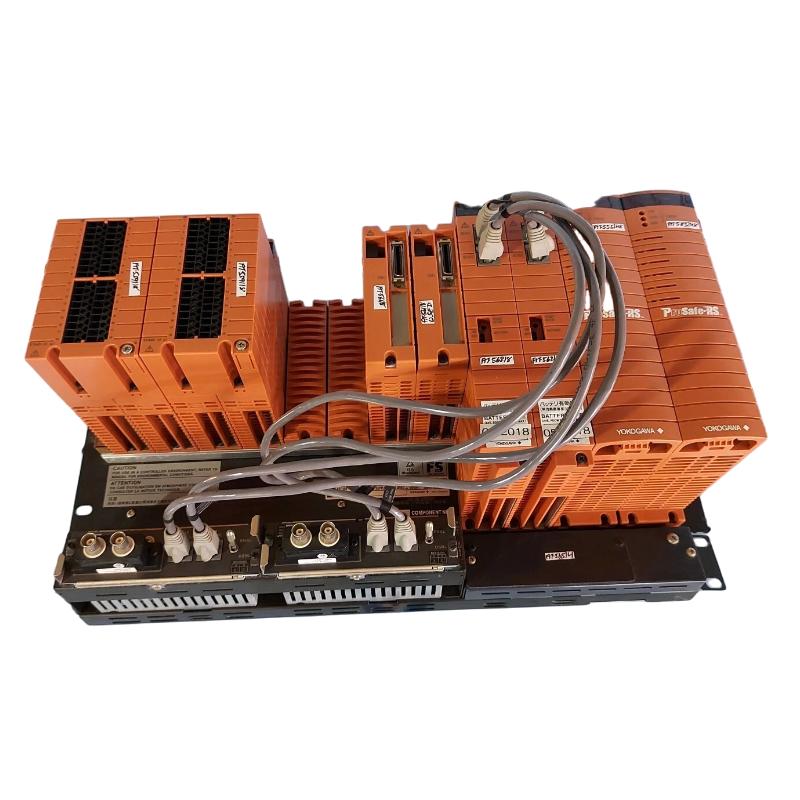
The Yokogawa SSC10D is a Safety System Controller (SIS CPU module) used in Yokogawa ProSafe-RS (Safety Instrumented System).
It is the core processing unit of the safety system, responsible for executing safety logic such as:
- Emergency Shutdown (ESD)
- Fire & Gas (F&G) logic
- Burner Management System (BMS)
- Process safety interlocks
It operates in a high-reliability, fault-tolerant architecture, ensuring safe plant shutdown when abnormal conditions occur.
Technical Specifications
| Parameter | Specification |
|---|---|
| Brand | Yokogawa |
| Model | SSC10D |
| Product Type | Safety System Controller (SIS CPU) |
| System | ProSafe-RS |
| Function | Safety logic execution / control processing |
| Architecture | Fault-tolerant redundant CPU system |
| Communication | ESB bus / Vnet/IP (system dependent) |
| Memory | Non-volatile safety program memory |
| Redundancy | Supported (dual CPU configuration) |
| Diagnostics | Self-diagnostics + online monitoring |
| Safety Level | Up to SIL3 compliant system design |
Physical Characteristics
| Item | Specification |
|---|---|
| Dimensions (W × H × D) | Approx. 130 × 100 × 40 mm (module class) |
| Weight | ≈ 0.8 – 1.2 kg |
| Mounting Type | Rack-mounted CPU module |
| Installation | SCS / ProSafe-RS safety cabinet |
| Cooling | Cabinet natural ventilation |
System Role
The SSC10D is the brain of the safety system:
Sensors → Input modules → SSC10D (logic processing) → Output modules → Shutdown/actuation devices
It performs:
- Real-time safety logic execution
- Fault detection and self-diagnostics
- Redundant synchronization with backup CPU
- Safe output triggering in emergency conditions
Key Features
- High-integrity safety logic execution
- Redundant CPU architecture (fault tolerant)
- Continuous self-diagnostics
- Designed for SIL3 safety applications
- Online monitoring and fault detection
- Integration with ESB / ProSafe-RS system architecture