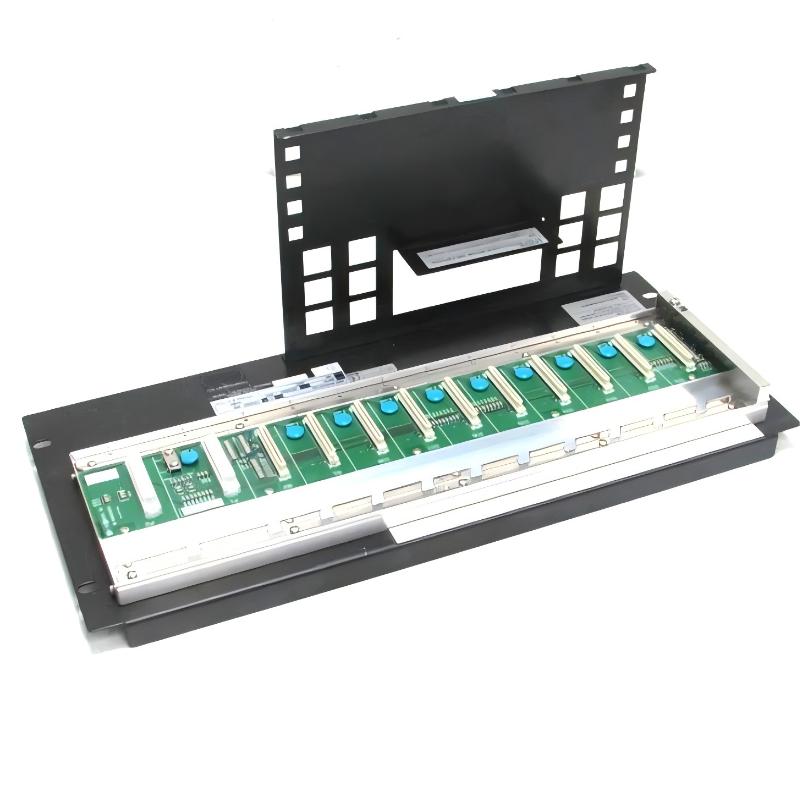
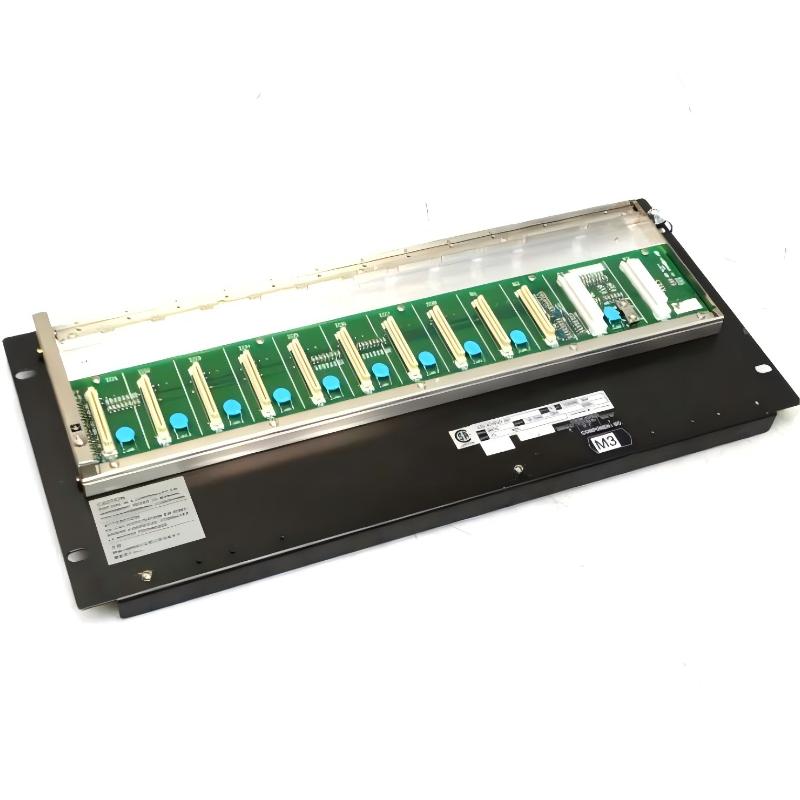
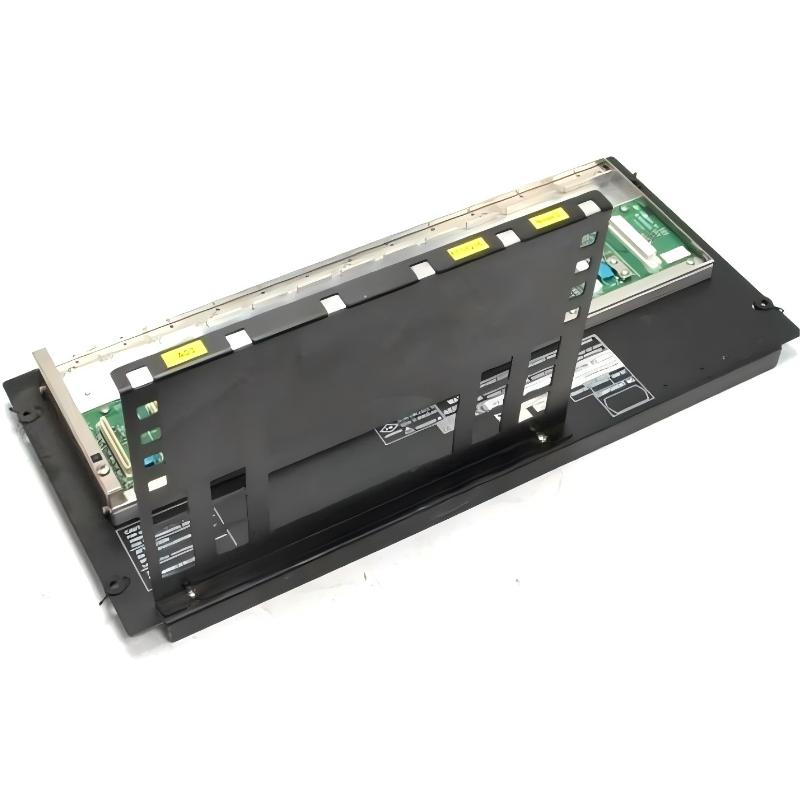
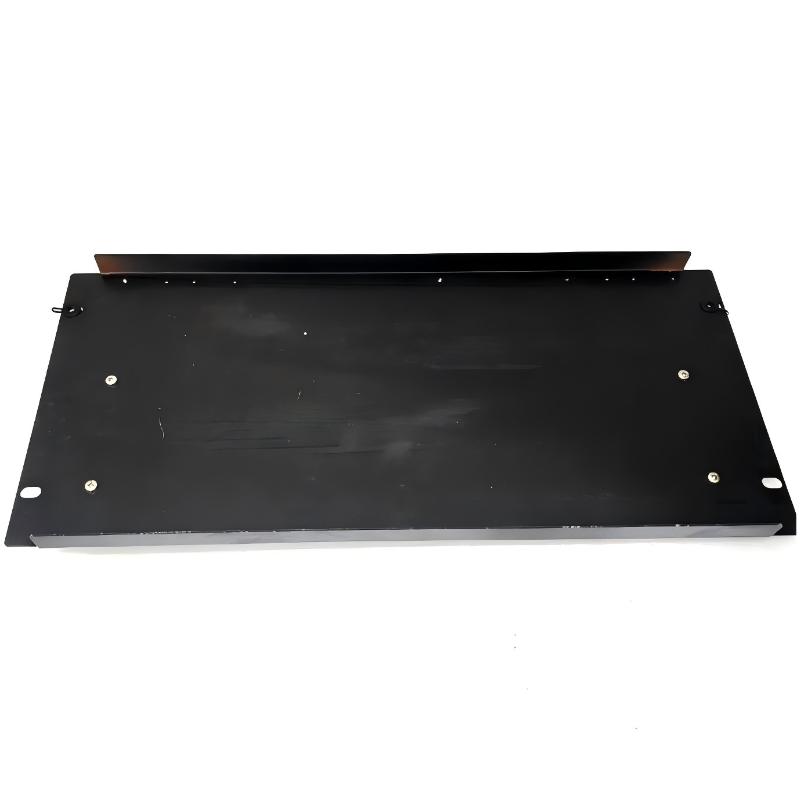
Brand:Yokogawa Electric Item No.:ANB10D-427/CU2N Product Origin:Japan Product Dimensions:482.6 × 221.5 × 205 mm Product Weight:10 kg Payment:T/T, Western Union, Credit Card Goods_stock:15 Shipping Port:Xiamen, China Lead Time:1-3 Days Condition:Brand New And Original Warranty:1 Year Certificate:COO
The Yokogawa ANB10D-427/CU2N ESB Bus Node Unit is a core communication component used in Yokogawa CENTUM distributed control systems. It functions as a node in the ESB bus network, enabling reliable communication between controllers and I/O modules.
With its robust industrial design and high system integration capability, this unit is widely used in power generation, oil & gas, and large-scale process industries. It enhances system scalability, improves communication reliability, and ensures stable long-term operation in demanding industrial environments.
Technical Specifications
Parameter
Specification
Product Model
Yokogawa ANB10D-427/CU2N
Product Type
ESB Bus Node Unit
Dimensions
482.6 × 221.5 × 205 mm
Weight
10 kg
Function
I/O node communication in DCS
System Compatibility
Yokogawa CENTUM systems
Application
Distributed control system networking
Installation Type
Rack-mounted module
Operating Environment
Industrial environments
Build Design
Industrial-grade node unit
Recommended Related Models
Model
Product Name
ANB10D-425/CU2
Yokogawa ESB Bus Node Unit
ANT401-50 S1
Yokogawa Fiber Optic Bus Repeater
CP471-01 S2
Yokogawa Processor Module
NFAI135-S00
Yokogawa Analog Input Module
Popular Related Models
Model
Product Name
NFAI143-H50
Yokogawa Analog Input Module
NFAI543-S50
Yokogawa Analog Output Module
NFDV561-P50
Yokogawa Digital Output Module
NFLR121-S00
Yokogawa Serial Communication Module
Where It’s Used
• Yokogawa CENTUM distributed control systems (DCS)
Acts as an ESB bus node for connecting I/O modules and system components.
• Power generation plants
Supports turbine control, auxiliary systems, and plant-wide automation networks.
• Oil & gas facilities
Enables reliable field data communication between control cabinets and controllers.
• Petrochemical and refining industries
Used for distributed I/O expansion and system integration.
• Large-scale process automation systems
Provides node-level communication for modular control architecture.
• System expansion and redundancy configurations
Used to scale and extend ESB bus networks in Yokogawa systems.
Key Engineering Benefits
• High-capacity system integration
Enables connection of multiple I/O modules within ESB architecture.
• Stable industrial communication
Ensures reliable data transfer in critical control environments.
• Modular and scalable design
Supports flexible system expansion and configuration.
• Industrial-grade reliability
Built for continuous operation in harsh environments.
• Seamless Yokogawa DCS compatibility
Fully integrated with CENTUM control systems.
• Enhanced system organization
Improves distributed control architecture efficiency.
Technical FAQs
1. What is the main function of this unit?
It serves as an ESB bus node connecting I/O modules in Yokogawa DCS systems.
2. Is it used in CENTUM systems?
Yes, it is part of Yokogawa CENTUM distributed control systems.
3. What does ESB stand for?
ESB refers to the system bus used for communication between nodes and I/O units.
4. What industries use it?
Power generation, oil & gas, and process industries.
5. Is it a controller or processor?
No, it is a bus node unit for communication and I/O expansion.
6. Does it support system expansion?
Yes, it is designed for scalable DCS architectures.
7. Is it suitable for harsh environments?
Yes, it is built for industrial-grade conditions.
8. Does it require calibration?
No, it does not require calibration.
9. Can it operate continuously?
Yes, it is designed for 24/7 industrial operation.
10. Is it compatible with other vendors?
It is primarily designed for Yokogawa CENTUM systems.