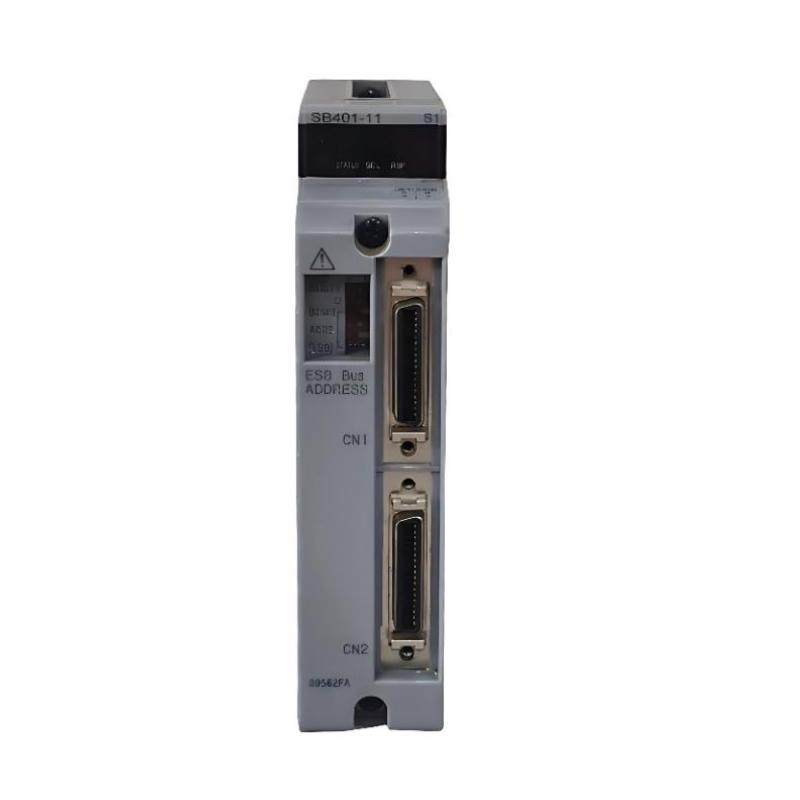
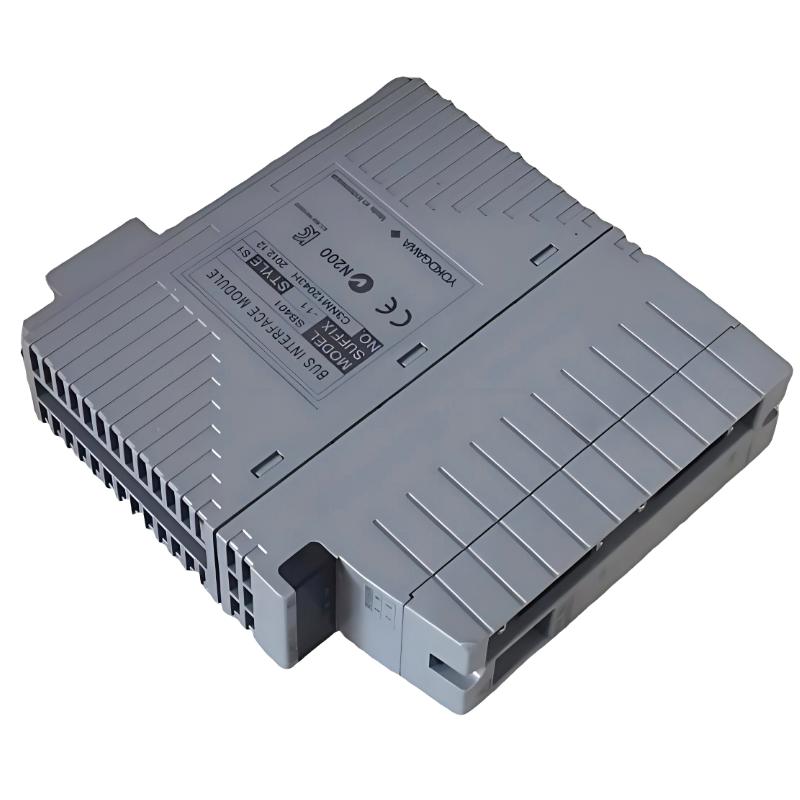
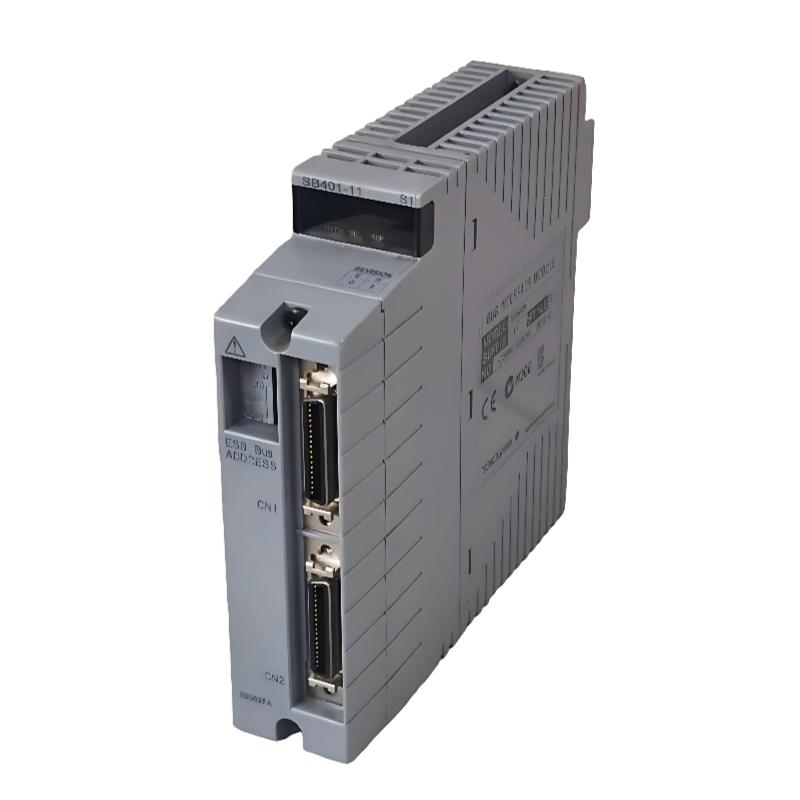
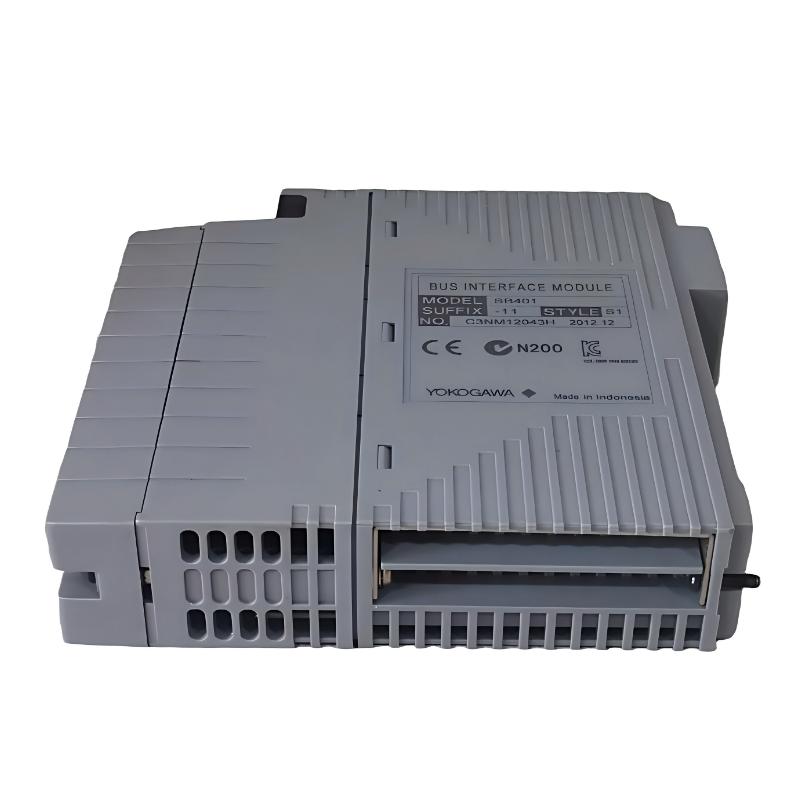
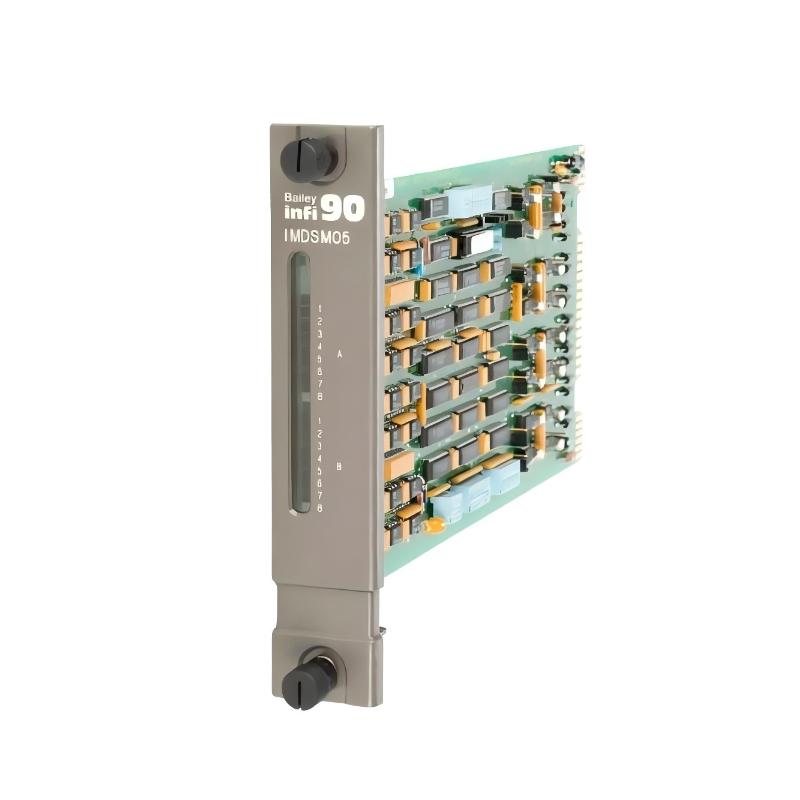
Yokogawa SB401-11 S1 ESB Bus Interface Slave Module
Yokogawa SB401-11 S1 ESB Bus Interface Slave Module
0.0
Points
Brand:Yokogawa Electric Item No.:SB401-11 S1 Product Origin:Japan Product Dimensions:130 x 142.5 x 32.8 mm Product Weight:0.45 kg Payment:T/T, Western Union, Credit Card Goods_stock:15 Shipping Port:Xiamen, China Lead Time:1-3 Days Condition:Brand New And Original Warranty:1 Year Certificate:COO
The Yokogawa SB401-11 S1 ESB Bus Interface Slave Module is a key communication component in distributed control systems. It enables efficient and reliable data exchange between controllers and I/O modules via the ESB bus network. Designed for industrial-grade performance, it ensures stable communication, real-time responsiveness, and seamless integration within complex automation architectures.
Technical Specifications
Feature
Specification
Model
SB401-11 S1
Type
ESB Bus Interface Slave Module
Dimensions
130 × 142.5 × 32.8 mm
Weight
0.45 kg
Communication Protocol
ESB Bus
Function
Slave Interface Module
Mounting
DIN rail / Rack mount
Diagnostic Features
LED status indicators
Recommended Related Models
Model
Product Name
SB401-10
ESB Bus Interface Slave Module (Standard Version)
SB402-11
ESB Bus Interface Master Module
SB403-11
Enhanced ESB Communication Interface Module
SB404-11
Redundant ESB Bus Interface Module
Popular Related Models
Model
Product Name
SB400-11
Previous Generation ESB Interface Module
SB405-11
High-Speed ESB Bus Interface Module
SB406-11
Compact ESB Interface Module
SB407-11
Advanced Diagnostic ESB Interface Module
Applications
• Enables communication between ESB bus networks and distributed control system modules.
• Supports data exchange between controller units and I/O subsystems in industrial automation environments.
• Used in process industries such as oil & gas, chemical plants, and power generation facilities.
• Provides reliable interface connectivity for modular and scalable control system architectures.
• Facilitates real-time signal transmission and system synchronization across ESB-based networks.
Key Advantages
• High Communication Reliability: Ensures stable and deterministic data transfer across ESB networks.
• Seamless Integration: Works smoothly within Yokogawa distributed control system architectures.
• Fast Response Performance: Supports real-time data exchange for critical process control.
• Robust Industrial Design: Built to withstand harsh environmental and electrical conditions.
• Scalable System Support: Enables flexible expansion of ESB-based automation systems.
Technical FAQs
Q: What is the primary function of the SB401-11 S1 module?
It serves as an ESB bus interface slave module, enabling communication between system controllers and field I/O modules.
Q: Can the SB401-11 S1 operate in redundant system configurations?
Yes, it supports redundant ESB network architectures for improved system reliability and uptime.
Q: What type of communication does this module use?
It uses Yokogawa ESB bus communication protocol for high-speed and deterministic data exchange.
Q: Is the module suitable for real-time control applications?
Yes, it is designed for real-time industrial process monitoring and control.
Q: How does the module indicate its operating status?
It provides LED indicators for power status, communication activity, and fault conditions.
Q: Can it be used with existing Yokogawa DCS systems?
Yes, it is fully compatible with Yokogawa distributed control system architectures that support ESB bus.
Q: Does it require firmware updates during operation?
No, it operates as a communication interface module and does not require firmware updates.
Q: How does it handle communication faults?
It includes built-in diagnostics to detect and report communication errors for system monitoring.
Q: Is it suitable for harsh industrial environments?
Yes, it is designed for industrial environments with vibration, temperature variations, and electrical noise.
Q: How does it contribute to system stability?
It ensures consistent and synchronized data transfer between modules, improving overall system stability.