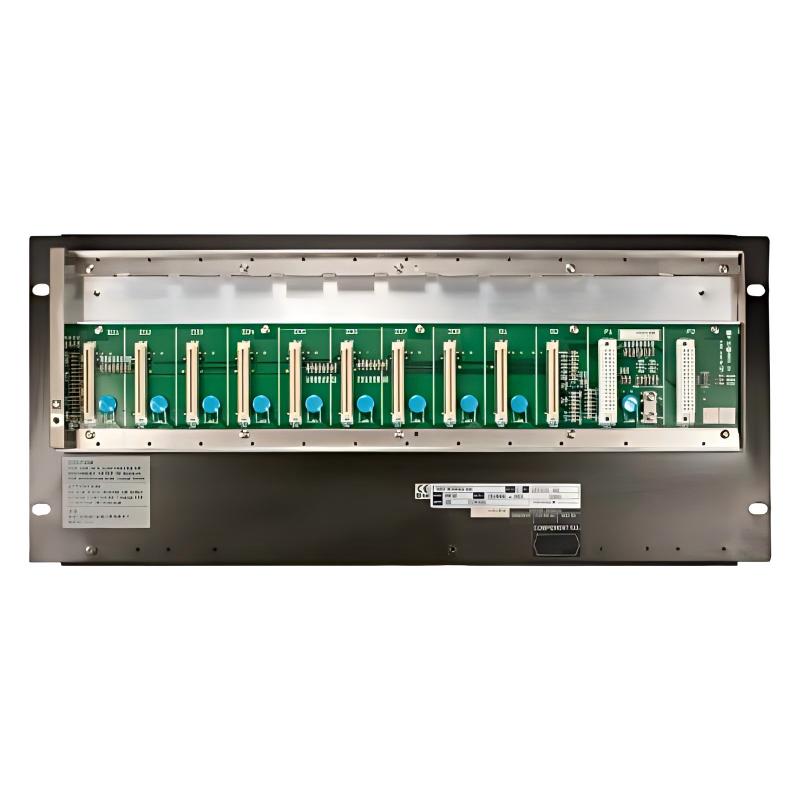
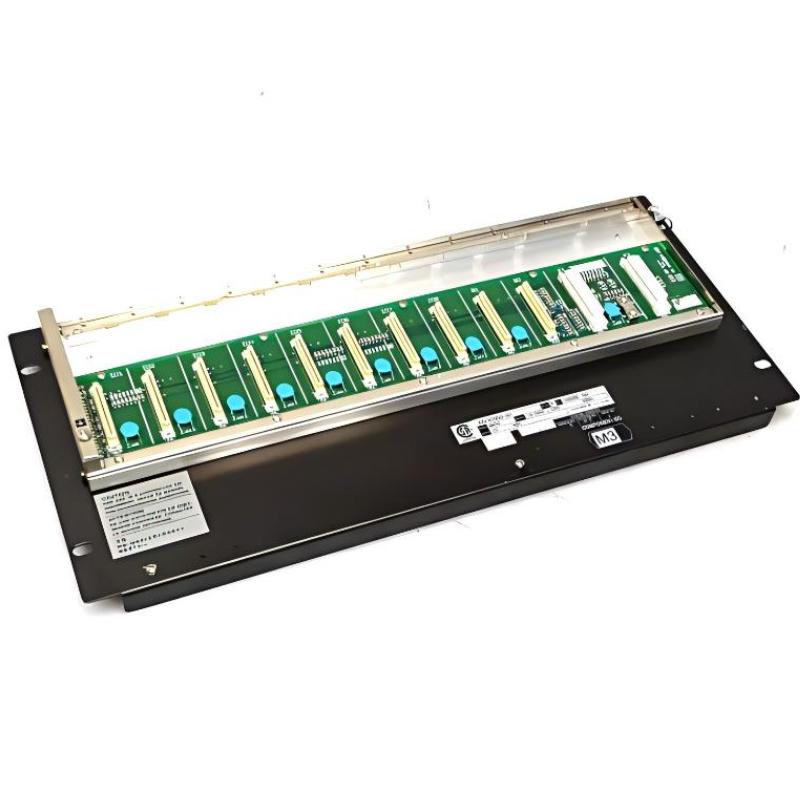
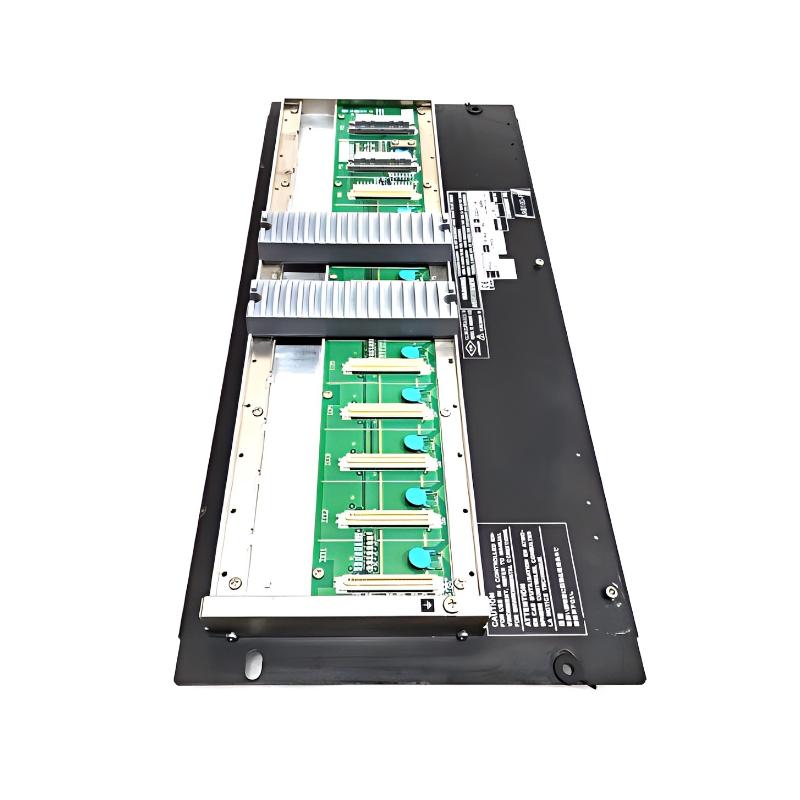
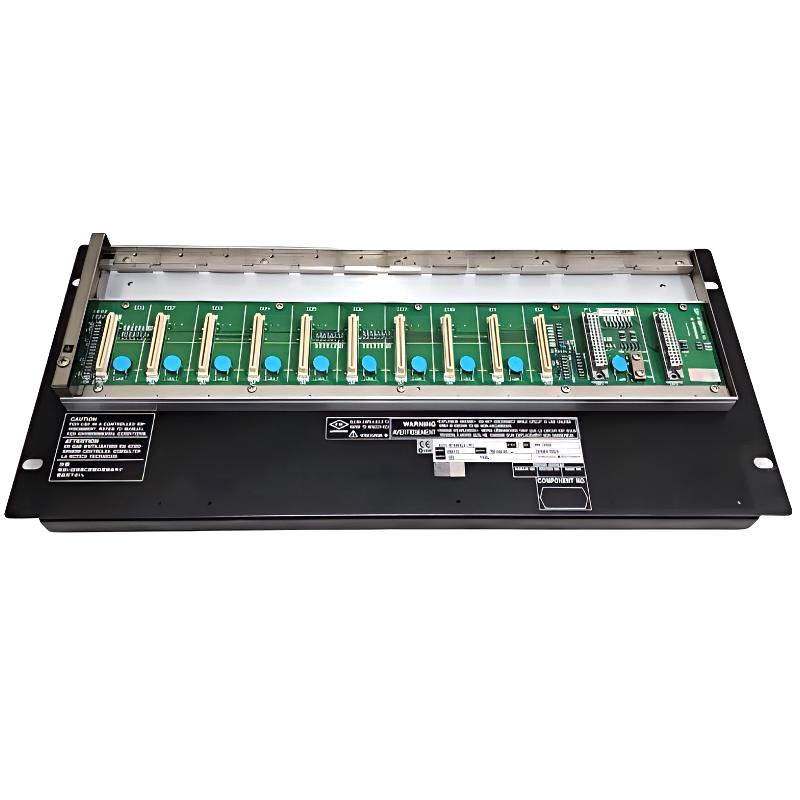
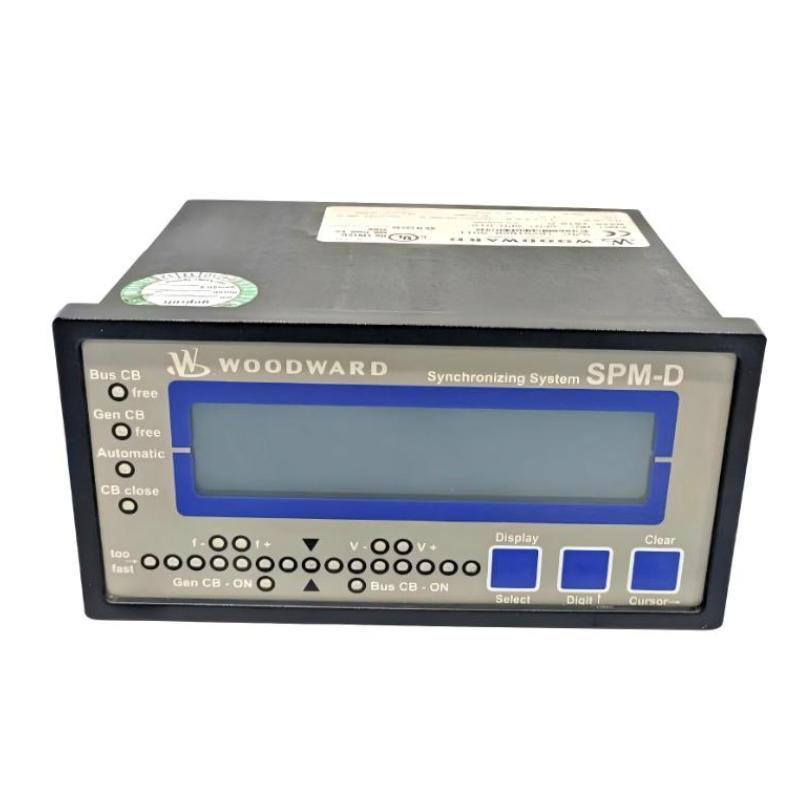
Brand:Yokogawa Electric Item No.:ANB11D-B25/BU2A Product Origin:Japan Product Dimensions:482.6 × 221.5 × 205 mm Product Weight:10 kg Payment:T/T, Western Union, Credit Card Goods_stock:15 Shipping Port:Xiamen, China Lead Time:1-3 Days Condition:Brand New And Original Warranty:1 Year Certificate:COO
The Yokogawa ANB11D-B25/BU2A Fiber ESB Bus Node Unit is engineered to provide high-performance fiber-optic communication within ESB bus networks. It plays a critical role in ensuring reliable, interference-free data exchange across distributed control system architectures.
Its robust design and fiber-based transmission capability make it ideal for large-scale industrial automation environments where communication reliability and system stability are essential.
Technical Specifications
Parameter
Details
Model
ANB11D-B25/BU2A
Function
Fiber ESB Bus Node Unit
System Compatibility
Yokogawa CENTUM VP
Communication Type
Fiber-optic ESB Bus
Dimensions
482.6 × 221.5 × 205 mm
Weight
10 kg
Application
Distributed control networking
Installation Type
Control cabinet rack mounted
Key Feature
Electrical isolation via fiber
Recommended Companion Models
Model
Product Name
CP451-10
CENTUM VP CPU Module
AAI141-S00
Analog Input Module
ADV551-P60
Digital Output Module
AEPV7D-115
Power Bus Unit
Frequently Selected Alternatives
Model
Product Name
ANB11D-215/BU2B
ESB Bus Node Unit (Standard)
ANR10D-220
Network Interface Unit
ALE111-S00
ESB Bus Extension Module
ANB10D-110
Compact ESB Node Unit
Applications
• Used as a high-speed fiber-optic communication node in Yokogawa ESB bus architectures for distributed control systems.
• Widely applied in large power generation plants where long-distance, noise-immune communication between control cabinets is required.
• Supports oil & gas and petrochemical facilities that demand highly reliable and EMI-resistant data transmission.
• Integrated into Yokogawa CENTUM VP systems to extend ESB bus networks using fiber-optic communication infrastructure.
• Suitable for complex industrial automation environments requiring high bandwidth and electrical isolation between system nodes.
Key Advantages
• Fiber-optic ESB communication ensures exceptional immunity to electromagnetic interference.
• Enables stable long-distance data transmission between distributed control system nodes.
• Designed for seamless integration within Yokogawa CENTUM VP architecture.
• Enhances system reliability by providing electrical isolation between network segments.
• Supports high-performance, mission-critical industrial communication networks.
Technical FAQs
1. What is the main function of this Fiber ESB Bus Node Unit?
It enables fiber-optic communication between ESB bus nodes in Yokogawa control systems.
2. Why is fiber communication used in this model?
To eliminate electromagnetic interference and support long-distance, high-integrity data transmission.
3. Is it compatible with CENTUM VP systems?
Yes, it is designed for integration into Yokogawa CENTUM VP architectures.
4. What is the advantage of fiber over standard ESB bus wiring?
Fiber provides higher noise immunity and electrical isolation.
5. Can it be used in harsh industrial environments?
Yes, it is built for demanding environments such as power plants and refineries.
6. Does it support system expansion?
Yes, it allows scalable ESB bus network expansion using fiber links.
7. What industries typically use it?
Power generation, oil & gas, petrochemical, and heavy industrial automation sectors.
8. Does it require special configuration?
Yes, system-level configuration is required for ESB network integration.
9. Is it suitable for redundant systems?
Yes, it can be used in redundant and high-availability network architectures.
10. What is the main benefit over copper-based nodes?
Improved noise immunity, longer transmission distance, and better electrical isolation.