Honeywell Hybrid Heating Solution Enables Real-Time Electrification for Industrial Manufacturing
Honeywell has introduced a new hybrid heating solution aimed at accelerating the electrification of industrial heating processes. The solution is designed to help manufacturers transition from traditional fossil-fuel-based heating systems to more flexible, energy-efficient hybrid and electric heating models.
The launch reflects a broader industry shift toward decarbonization and energy optimization in heavy industrial applications such as chemicals, refining, metals, and advanced materials production.
Enabling Real-Time Electrification in Manufacturing Operations
The new system is designed to support “real-time electrification,” allowing industrial operators to dynamically balance between electric heating and conventional fuel-based heating depending on energy availability, cost conditions, and process requirements.
Key capabilities of the hybrid heating solution include:
- Seamless switching between electric and fuel-based heating sources
- Advanced process control for temperature stability and efficiency
- Integration with industrial automation and energy management systems
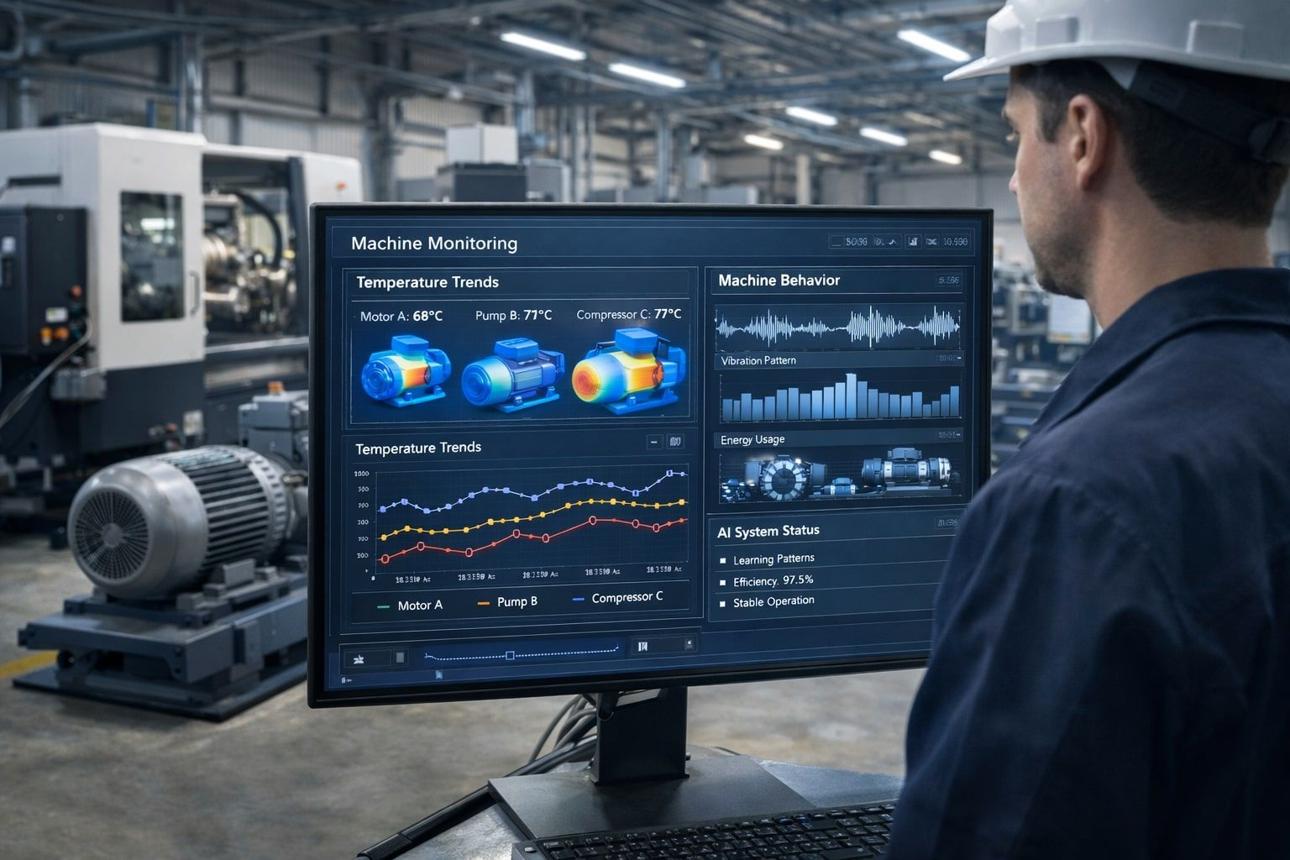
- Data-driven optimization for energy consumption reduction
This flexibility helps manufacturers maintain production stability while gradually increasing electrification levels.
Supporting Industrial Decarbonization and Energy Efficiency Goals
Industrial heating is one of the most energy-intensive processes across manufacturing sectors. The hybrid approach is expected to play a key role in reducing carbon emissions while maintaining operational performance.
Benefits highlighted by Honeywell include:
- Reduced greenhouse gas emissions through partial electrification
- Improved energy efficiency and process optimization
- Lower dependency on fossil fuels during peak energy pricing periods
- Enhanced compliance with global sustainability regulations
The solution is particularly relevant for industries facing increasing pressure to meet net-zero targets and stricter environmental standards.

Integration with Industrial Automation and Digital Platforms
The hybrid heating system is designed to integrate with existing industrial control and automation infrastructure, enabling centralized monitoring and optimization.
It supports connectivity with:
- Distributed Control Systems (DCS)
- Supervisory Control and Data Acquisition (SCADA) systems
- Industrial Internet of Things (IIoT) platforms
- Energy management software systems
This integration allows operators to optimize heating processes in real time based on production demand and energy market conditions.
Outlook for Industrial Heating Electrification
As global industries continue to transition toward cleaner energy systems, hybrid and electrified heating solutions are expected to become a critical component of industrial modernization strategies.
Honeywell’s latest solution positions the company within a growing market focused on:
- Industrial electrification technologies
- Low-carbon manufacturing solutions
- Smart energy management systems
- Advanced process heating optimization