Schneider Electric Enhances EcoStruxure Platform With Expanded Industrial Edge PLC Connectivity
Introduction
Schneider Electric has introduced significant updates to its EcoStruxure Automation Expert platform in 2026. The focus of this update is to improve interoperability between PLC systems, industrial edge devices, and cloud-based industrial analytics platforms.
The update reflects a broader industry shift toward open automation systems, where industrial users are no longer locked into single-vendor architectures. Instead, they are increasingly adopting flexible systems that can integrate multiple technologies across different layers of industrial control.
This evolution is especially important for industries that require both discrete manufacturing control and process automation within the same production environment.
Unified Control and Edge Architecture
One of the key improvements in the EcoStruxure update is the ability to deploy control logic across both PLC hardware and industrial edge devices using a unified engineering environment.
This reduces the complexity traditionally associated with multi-layer automation systems. Engineers no longer need to manage separate environments for PLC programming, edge computing applications, and cloud connectivity tools.
Instead, control logic can be structured in a more modular way, allowing faster deployment and easier maintenance across large industrial sites.
Communication and Data Integration Enhancements
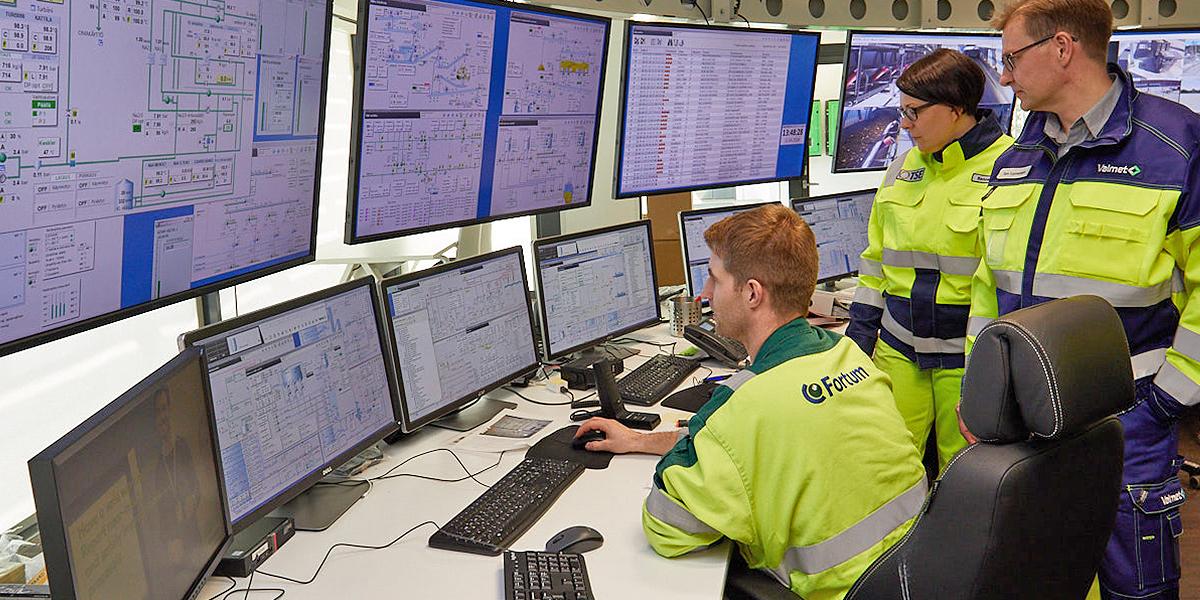
The updated platform expands support for OPC UA PubSub communication, which improves real-time data exchange between controllers and connected systems. This is particularly important in environments where low-latency communication is required for production efficiency.
Data synchronization between PLC systems and cloud platforms has also been improved. This enables more accurate monitoring of production performance and system health.
In addition, the system is designed to support scalable deployments across multiple facilities, which is increasingly important for global manufacturing companies.
Industrial Applications in Modern Manufacturing
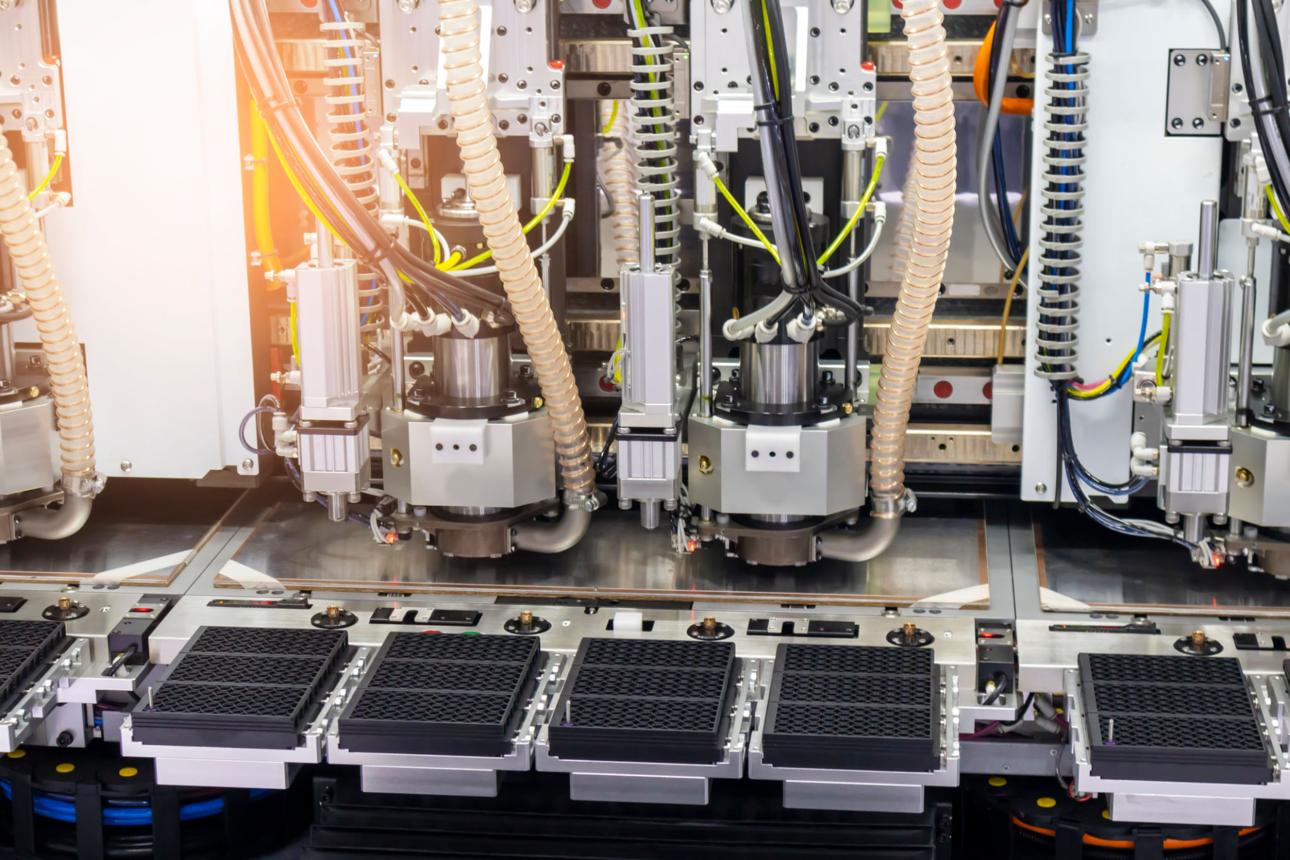
EcoStruxure is widely used across several industries, including electric vehicle battery production, water treatment facilities, food and beverage manufacturing, and building automation systems.
In EV battery production, for example, precision and traceability are critical. Automation systems must ensure consistent production quality while maintaining flexibility for different product variants.
In water treatment systems, continuous monitoring and control are essential for maintaining environmental compliance and operational efficiency.
Shift Toward Open Automation
One of the most important industry trends reflected in this update is the shift toward open automation architecture. Manufacturers are increasingly avoiding closed systems and instead adopting platforms that allow integration across multiple vendors and technologies.
This approach reduces long-term operational risks and improves flexibility in system expansion and modernization.