ABB Promotes Power Infrastructure Optimization to Support Global Decarbonization and Energy Transition
ABB has highlighted that optimizing global power infrastructure is a critical factor in achieving long-term decarbonization targets. The company emphasized that modernizing electrical grids and improving system efficiency are essential steps toward supporting the global energy transition.
As industries and governments accelerate efforts to reduce carbon emissions, demand for advanced grid technologies and intelligent energy systems continues to grow worldwide.
Grid Modernization as a Foundation for Decarbonization
ABB stated that achieving global climate goals requires significant upgrades to existing power infrastructure, particularly in areas such as transmission efficiency, distribution reliability, and renewable energy integration.
Key focus areas include:
- Smart grid automation and digital control systems
- High-efficiency power transmission and distribution networks
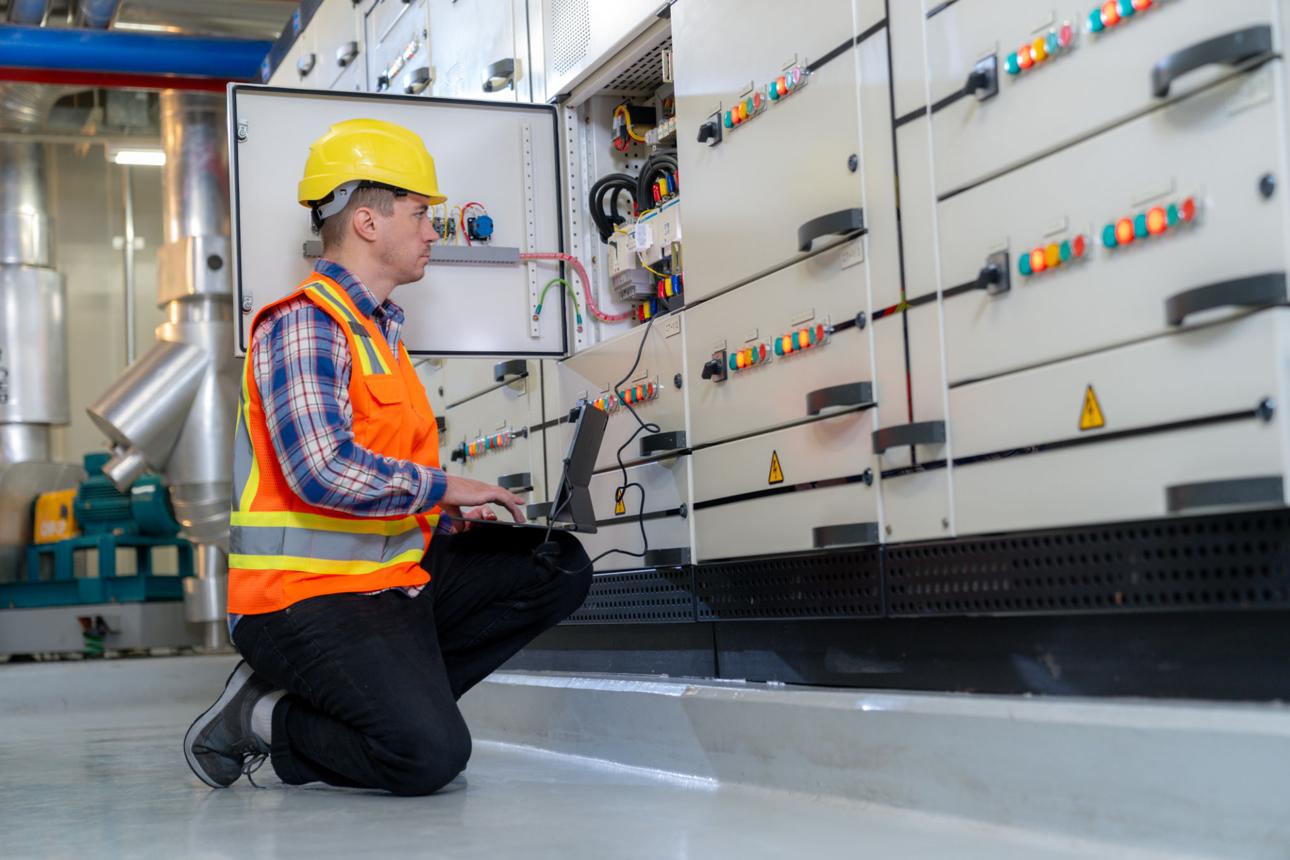
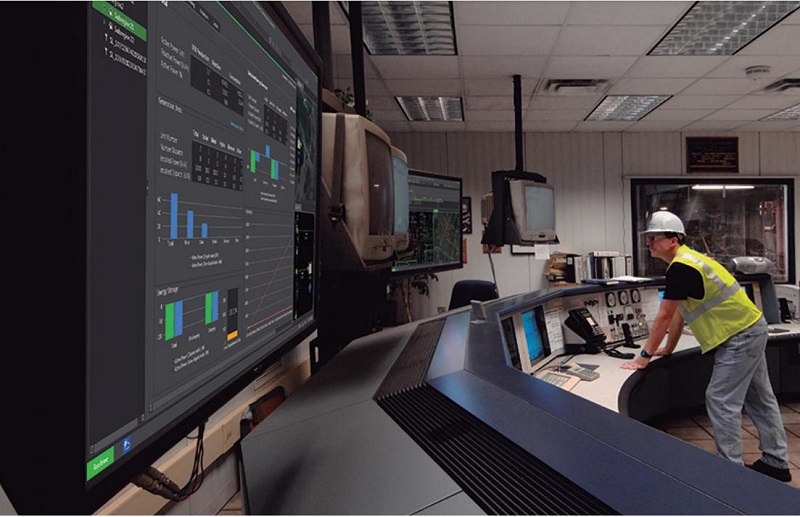
- Substation automation and real-time monitoring
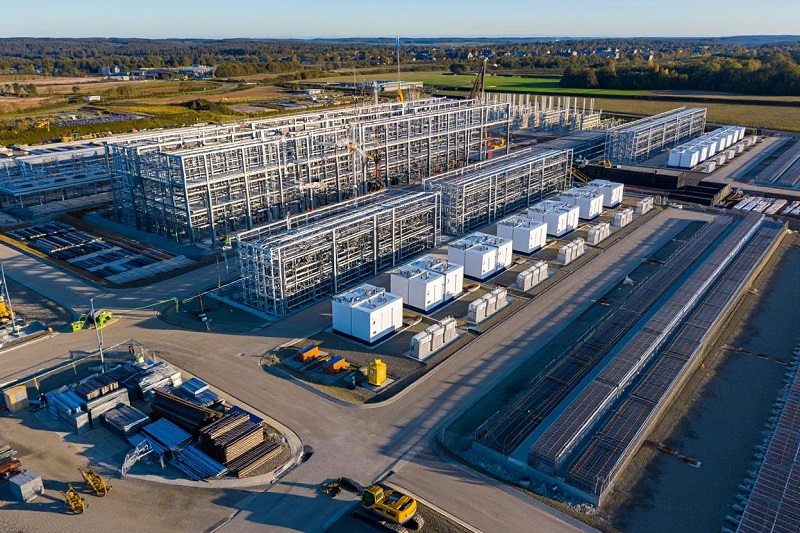
- Integration of renewable energy sources such as wind and solar
These technologies help improve grid stability while enabling higher penetration of renewable energy into national power systems.
Supporting Renewable Energy Integration at Scale
One of the major challenges in global decarbonization is integrating variable renewable energy sources into existing electrical grids. ABB’s solutions aim to address this by enabling better forecasting, load balancing, and real-time grid optimization.
Benefits of advanced grid infrastructure include:
- Improved stability of renewable-heavy power systems
- Reduced energy losses during transmission and distribution
- Enhanced resilience against power fluctuations
- Greater flexibility in energy demand management
These capabilities are increasingly important as countries expand solar and wind energy capacity.
Digitalization Driving the Future of Power Systems
ABB also emphasized the role of digital technologies in transforming traditional power infrastructure into intelligent energy networks.

Key digital technologies include:
- Industrial IoT-enabled grid monitoring systems
- AI-driven predictive maintenance for power assets
- Advanced analytics for energy demand forecasting
- Digital twins for grid simulation and optimization
These innovations allow utilities to operate more efficiently and respond more quickly to changing energy conditions.
Outlook for Global Energy Infrastructure Development
The global push toward net-zero emissions is expected to drive sustained investment in power infrastructure modernization. Industry experts suggest that grid optimization will remain a cornerstone of energy transition strategies in both developed and emerging markets.
ABB continues to position itself as a key technology provider in this transformation, focusing on electrification, automation, and digitalization solutions.