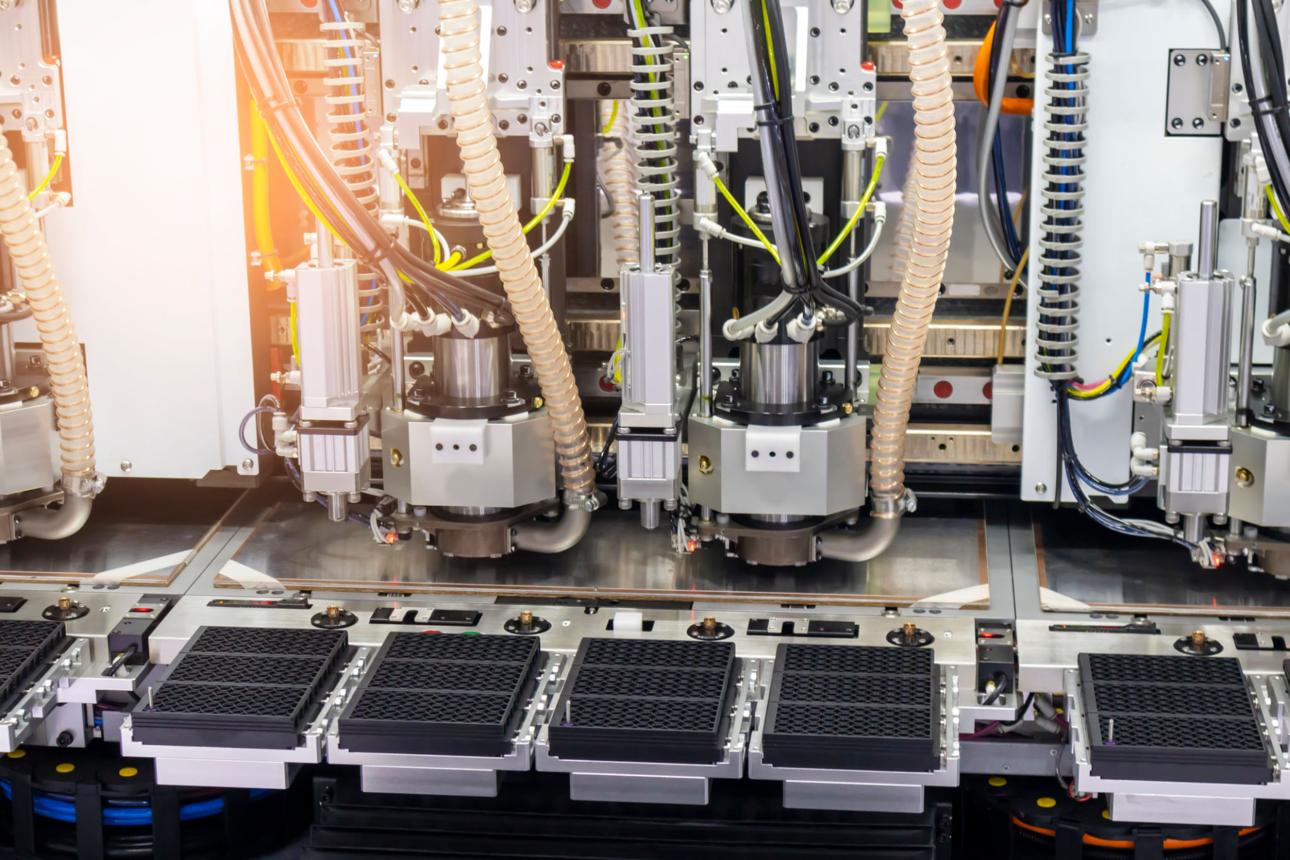
Global Trade Alert: Multiple Countries Intensify Trade Investigations on Electromechanical and Steel Structural Components
In recent months, several countries have intensified trade investigations involving electromechanical products, industrial automation parts, and steel structural components. These investigations are primarily focused on pricing practices, origin compliance, and potential impacts on domestic manufacturing industries.
As global supply chains remain highly interconnected, any tariff adjustment or anti-dumping measure could significantly affect exporters of industrial control systems, machinery assemblies, and engineering support components.
2. Trade Investigation Trends Across Key Markets
Industry observers note a growing number of regulatory reviews and customs audits targeting:
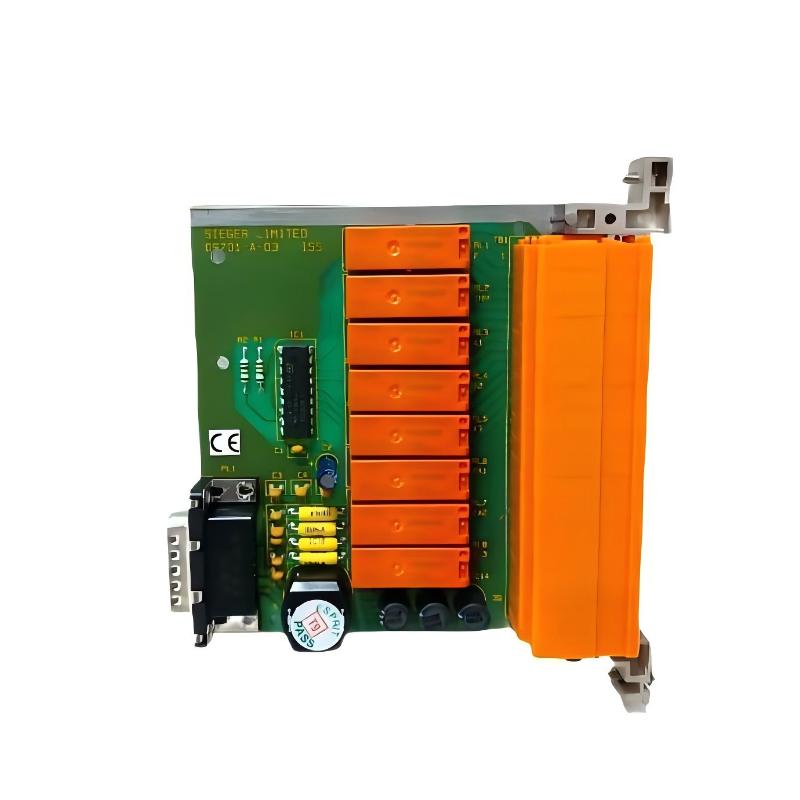
- Electromechanical assemblies used in automation systems
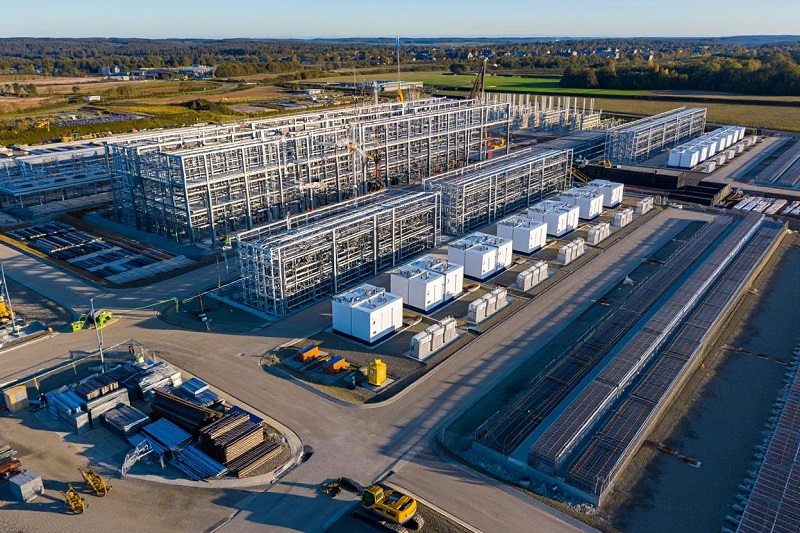
- Steel brackets, frames, and structural support components
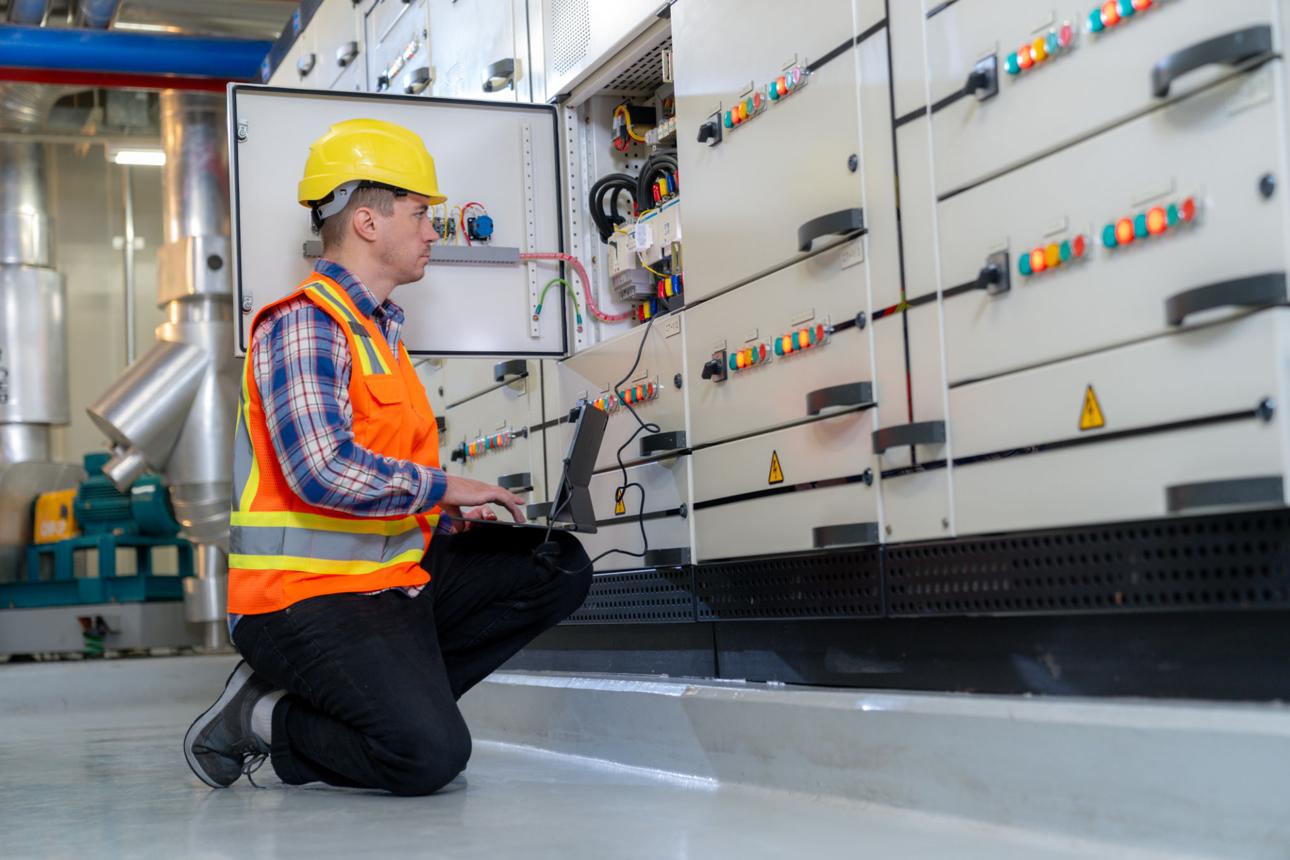
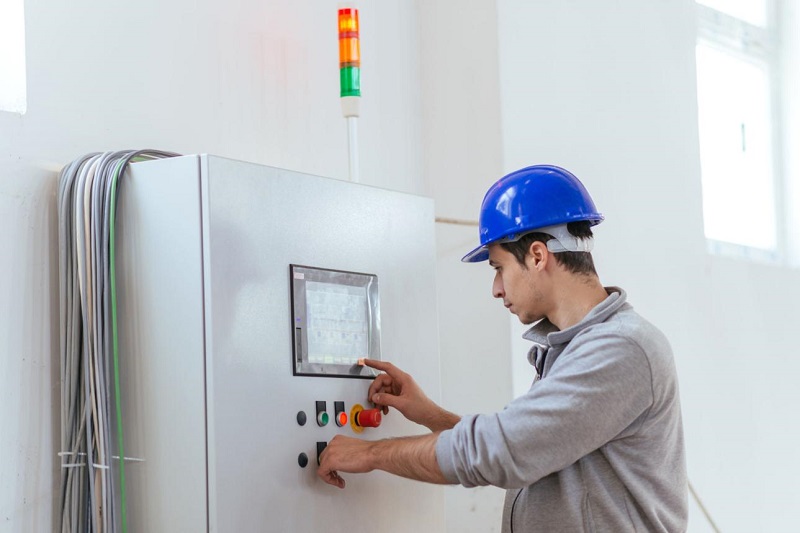
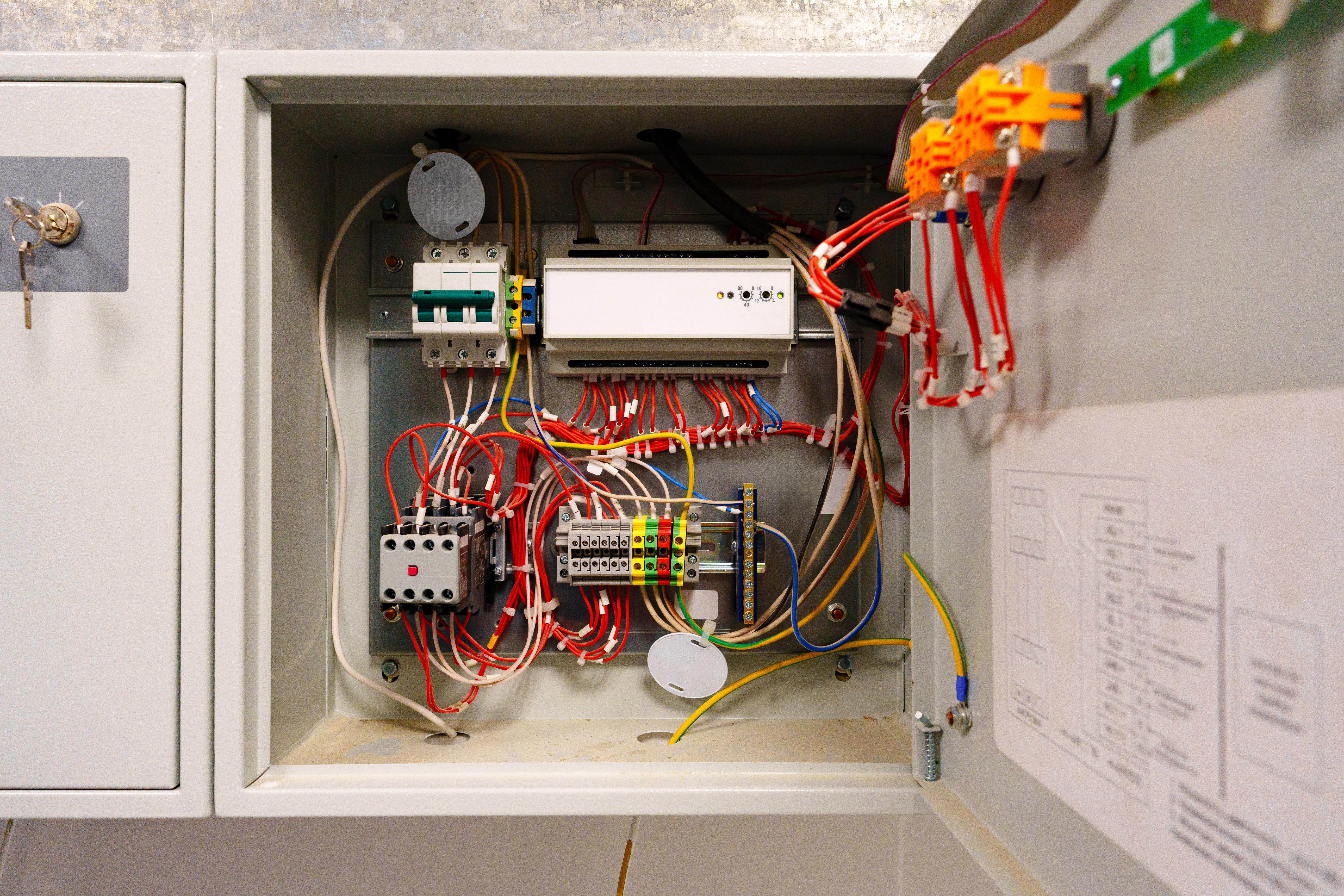
- Industrial enclosures and control cabinets
- Mechanical transmission and actuator parts
These investigations are often initiated under anti-dumping, countervailing duty (CVD), or safeguard measures, depending on local trade policy frameworks.
Key drivers include:
- Protection of domestic manufacturing sectors
- Concerns over underpriced imports
- Supply chain security and industrial resilience strategies
- Compliance verification for origin and classification codes (HS codes)
3. Potential Impact on Industrial Control Equipment Supply Chains
For exporters and manufacturers in the industrial automation sector, the implications may include:
3.1 Increased Tariff Exposure
Certain electromechanical and steel-based components may face revised import duties, increasing landed costs for overseas buyers.
3.2 Longer Customs Clearance Times
Trade investigations often lead to enhanced documentation requirements, slowing down shipment processing.
3.3 Pricing Pressure in Global Markets
Higher tariffs or duties may reduce price competitiveness, especially in cost-sensitive industrial procurement markets.
3.4 Supply Chain Reconfiguration
Buyers may shift sourcing strategies toward alternative regions or localized suppliers to mitigate regulatory risks.
4. Implications for Exporters of Industrial Control Equipment
Exporters of industrial control systems and related components should pay close attention to:
- HS code classification accuracy for electromechanical goods
- Country-of-origin documentation consistency
- Material breakdown of steel-based assemblies
- Ongoing tariff and customs updates in target markets
Companies involved in PLC systems, control cabinets, automation hardware, and machine-building components are especially encouraged to monitor policy updates in real time.
5. Risk Mitigation and Compliance Recommendations
To reduce exposure to trade-related risks, exporters are advised to:
- Conduct periodic tariff classification audits
- Strengthen supplier documentation and traceability systems
- Monitor trade authority announcements in key export markets
- Diversify sourcing and manufacturing bases where feasible
- Engage customs brokers or trade compliance consultants for high-risk shipments
Proactive compliance management can significantly reduce shipment delays and unexpected cost increases.