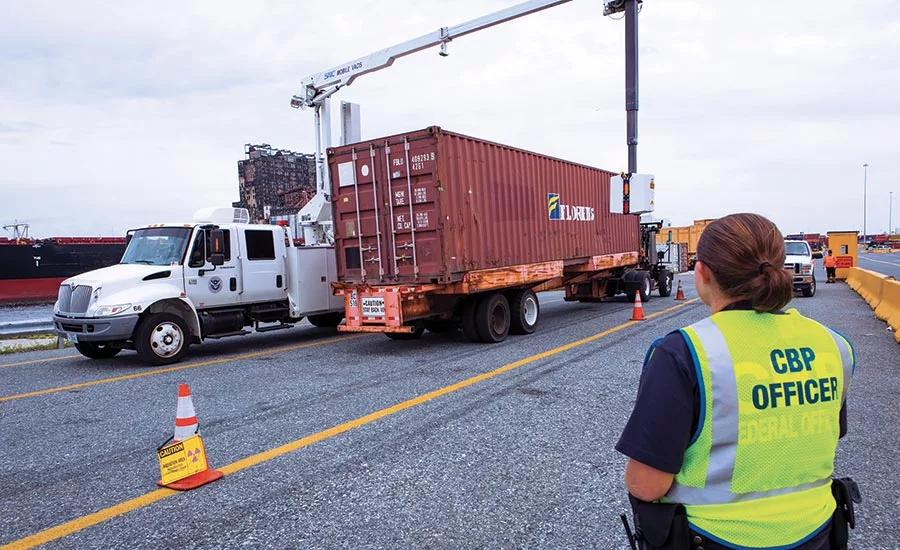
Updated U.S. Customs Reporting Rules Impact Industrial Imports
The United States has recently strengthened its customs clearance and import declaration requirements, particularly focusing on the accuracy of HS (Harmonized System) codes, product classification, and supporting compliance documentation.
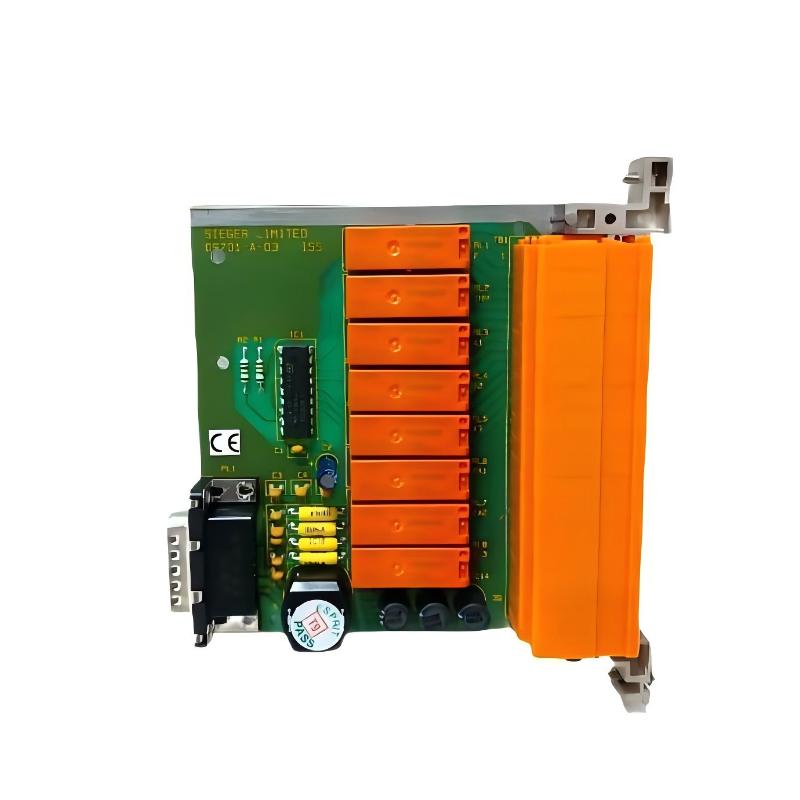
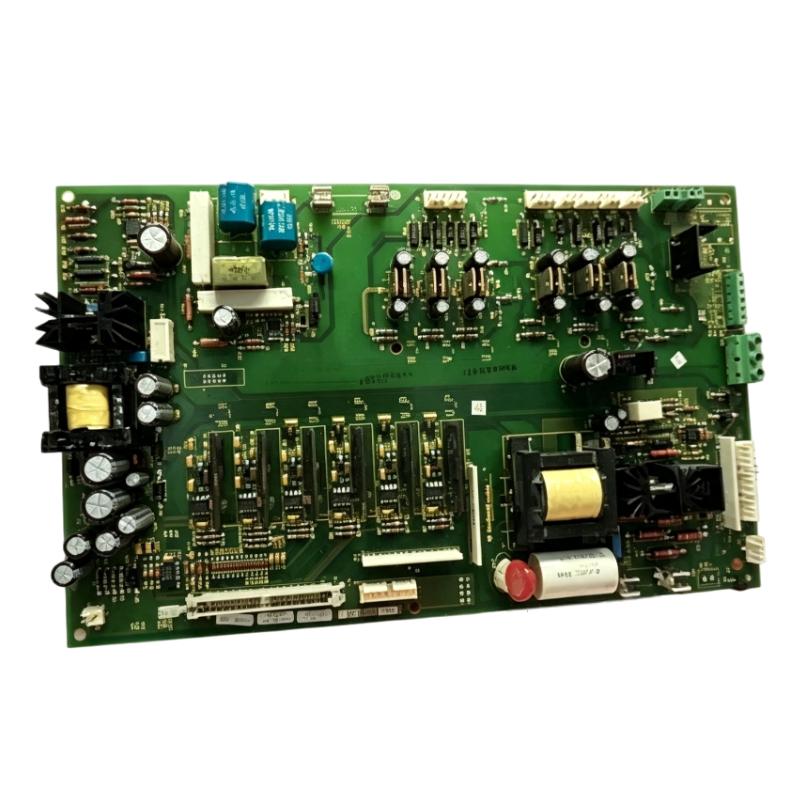
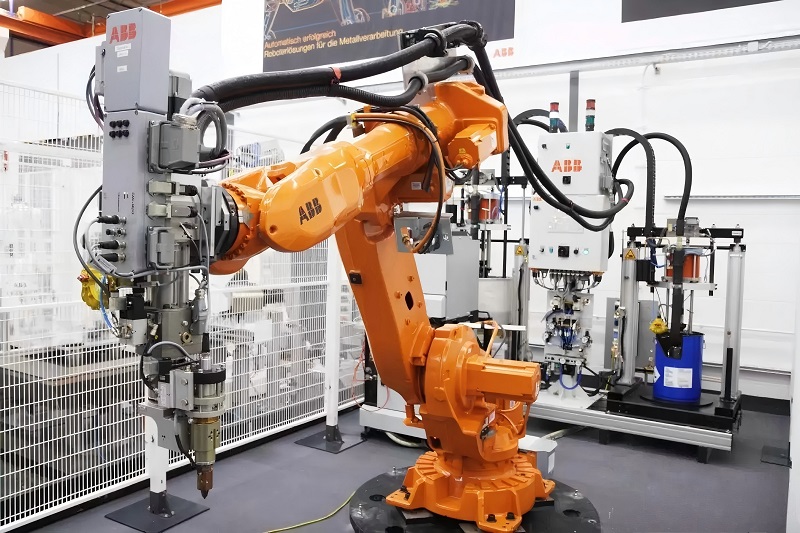
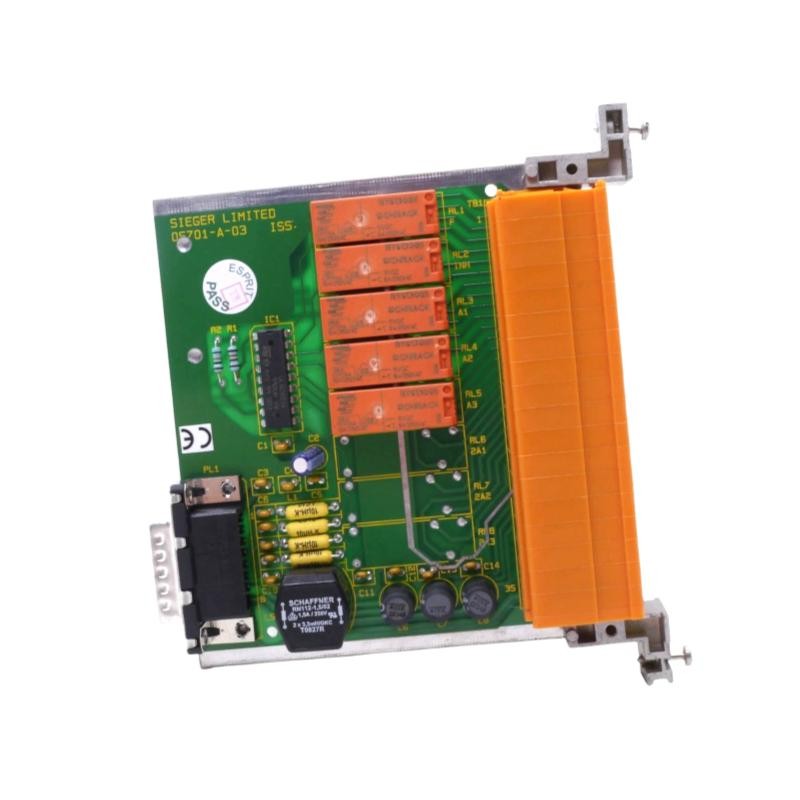
This update is especially relevant for imported industrial control equipment, PLC systems, and related automation spare parts, where classification discrepancies may lead to shipment delays, additional inspections, or rejection of entries.
2. Key Focus Areas of the Updated Clearance System
According to industry logistics and customs brokerage feedback, the updated system places stronger emphasis on:
2.1 HS Code Accuracy and Consistency
All imported goods must have precise HS code classification that matches product specifications and declared documentation.
2.2 Product-Documentation Matching
Physical goods, invoices, and customs declarations must align in terms of description, function, and technical category.
2.3 Enhanced Automated Screening
Customs systems increasingly rely on automated risk detection tools that flag inconsistencies in product categorization.
2.4 Increased Review for Industrial Electronics
Items such as PLC controllers, I/O modules, industrial power supplies, and automation accessories are subject to closer inspection.
3. Impact on PLC and Industrial Control Equipment Exporters
For manufacturers and exporters of industrial automation systems and electromechanical components, the implications include:
- Higher risk of customs rejection due to HS misclassification
- Longer clearance times if documentation is incomplete or inconsistent
- Increased scrutiny of technical product descriptions
-
Potential reassessment of import duties if classification is revised
4. Compliance Recommendations for Exporters
To reduce customs risks and avoid shipment rejection, exporters are strongly advised to:
4.1 Verify HS Code Classification Regularly
Ensure all PLC systems and spare parts are correctly classified under the latest customs tariff schedule.
4.2 Align Product Descriptions with Technical Specifications
Descriptions on invoices and shipping documents should accurately reflect product function and technical category.
4.3 Strengthen Internal Compliance Review Processes
Implement pre-shipment compliance checks to reduce documentation errors.
4.4 Work with Experienced Customs Brokers
Professional customs brokers can help ensure alignment with U.S. import regulations and reduce clearance risk.
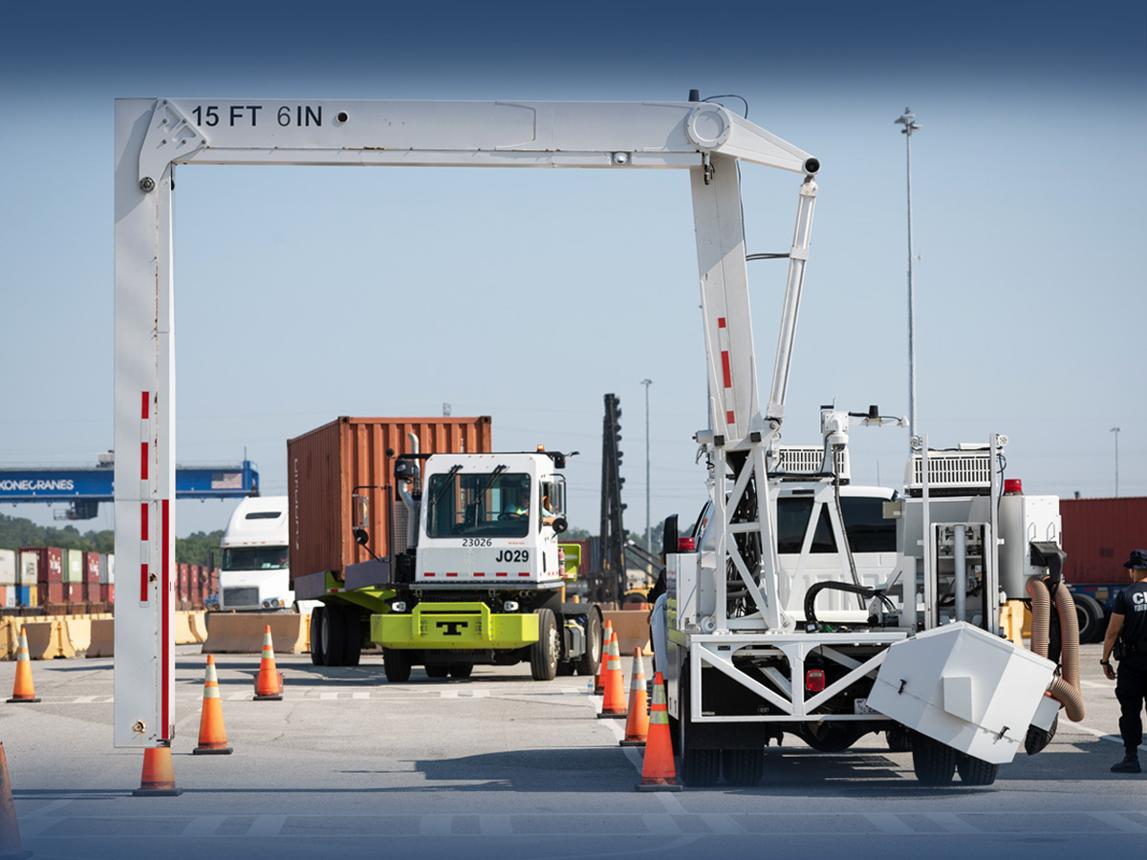
5. Industry Outlook: Compliance Becomes Critical in U.S. Market Access
As customs systems become more digitized and automated, classification accuracy and documentation consistency are becoming critical factors in maintaining smooth market access.
For exporters of industrial control equipment, compliance is no longer optional—it is a core requirement for stable supply chain operations and customer reliability in the U.S. market.
Companies that invest in robust HS code management and documentation control systems will have a significant advantage in avoiding costly delays and shipment rejections.