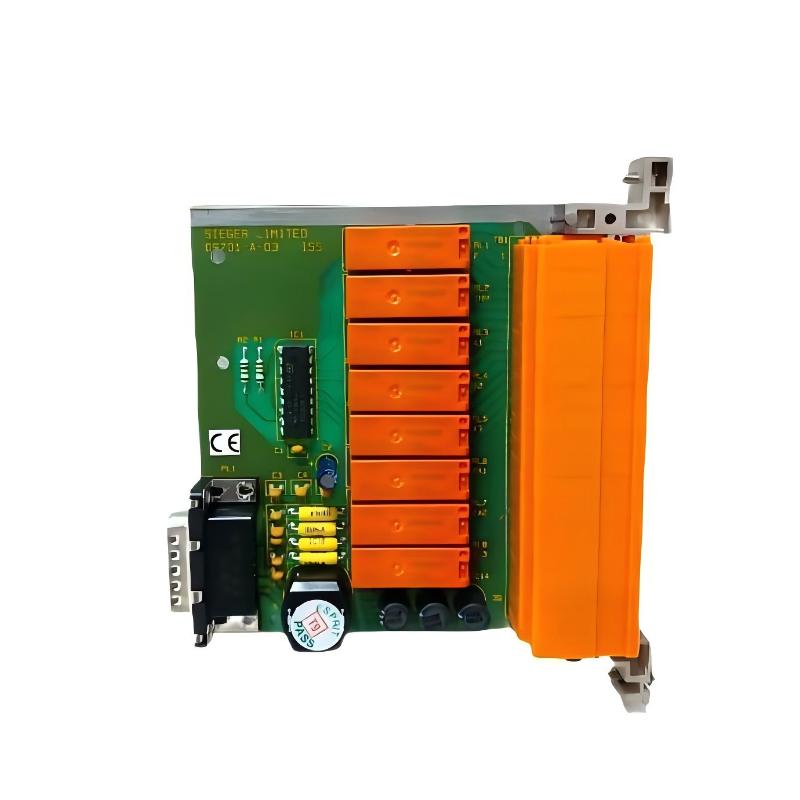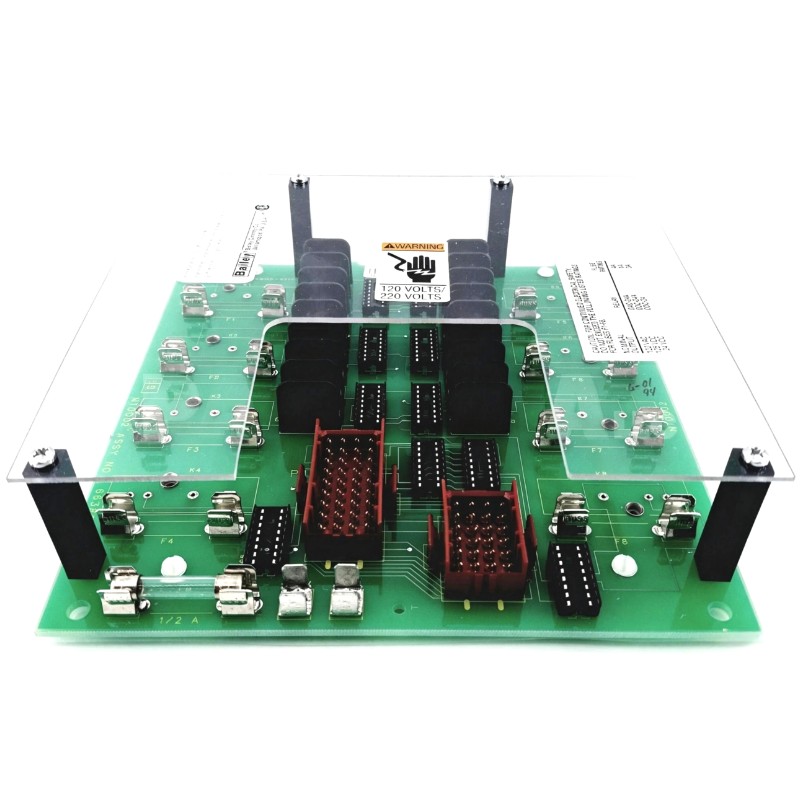
ABB Bailey NTDO02 Digital Output Termination Unit Installation
① INSTALLATION / COMMISSIONING ARTICLE
ABB NTDO02 Digital Output Termination Unit System Role in INFI 90 Architecture
ABB Bailey NTDO02 digital output termination unit is used as the physical interface layer between I/O modules and field devices such as:
- Motor starters
- Solenoid valves
- Alarm lamps
- Relay control circuits
It works together with:
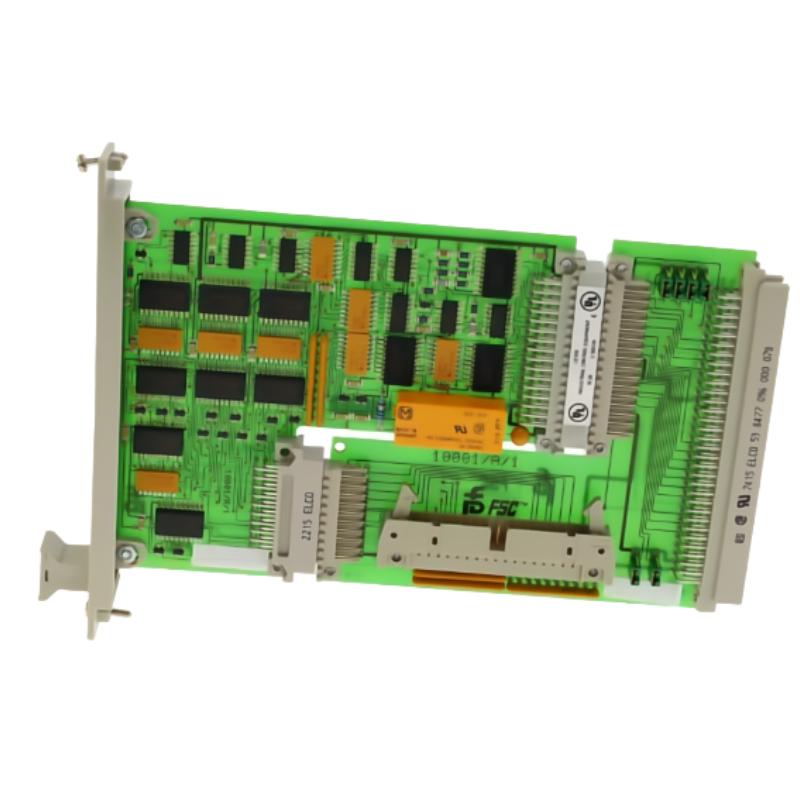
- IMDSO04 Digital Output Module
- IMDSM05 Digital I/O Module
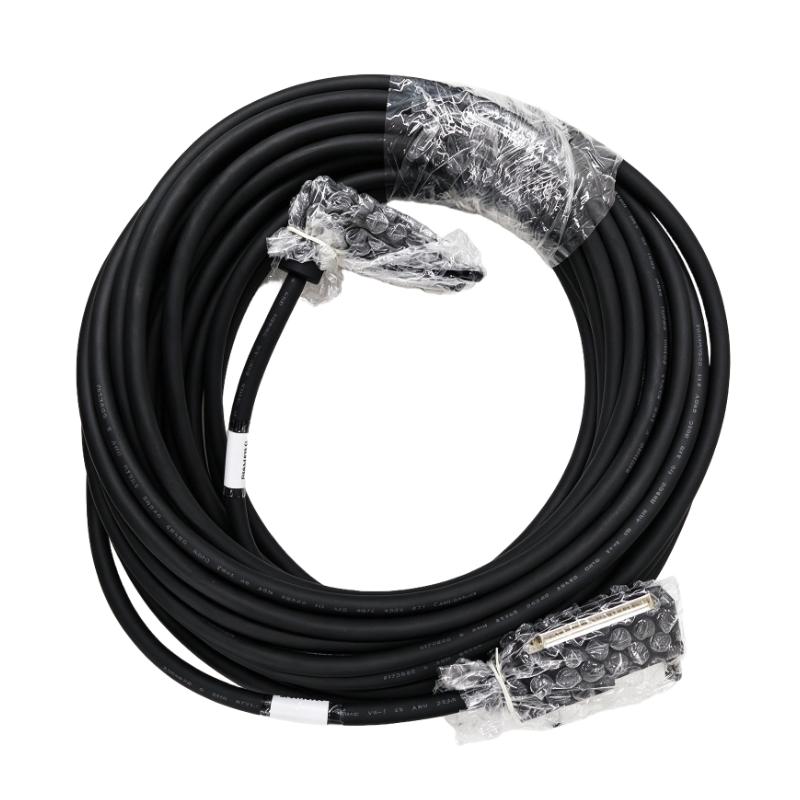
- NKTU / NKDO system cables
In one refinery control upgrade project, NTDO02 units were used to migrate legacy relay logic into a distributed INFI 90 cabinet system without rewiring field devices.
ABB NTDO02 Installation Preparation (Field Engineering Requirements)
Before installing NTDO02, engineers must verify system-level conditions:
- Backplane connector integrity on NFTP01 panel
- Proper alignment of termination unit mounting position
- Stable 24V DC supply rail (no transient dips during startup)
- Correct mapping between I/O module group A / B outputs
- Cable continuity for NKTU01 / NKDO01 interconnects
A frequent field issue is installing the unit correctly but assigning wrong group outputs from the controller, resulting in “no output response” despite normal module status.
ABB NTDO02 Wiring Logic and Signal Path Design
NTDO02 is not a simple terminal block—it is a structured relay distribution interface.
Signal flow:
IMDSO04 / IMDSM05 → Control Output Signal → NKTU Cable → NTDO02 → Relay Output → Field Device
Key engineering points:
- Group A outputs typically map to terminals 1–8
- Group B outputs extend control to interconnected termination units
- Each output channel may drive multiple relays depending on dipshunt configuration
In one commissioning case, engineers observed incorrect motor activation sequencing. Root cause was traced to swapped Group A / Group B dipshunt configuration rather than PLC logic.
ABB NTDO02 Commissioning Procedure (Field Validation)
After installation:
- Verify each output channel triggers correct relay response
- Measure 24V switching stability under load
- Check relay actuation delay consistency across channels
- Confirm inter-unit cable propagation (P1 → P2 → P3 chain)
During a commissioning test in a chemical batching plant, relay response delay increased by ~40ms on downstream NTDO02 units due to loose interconnection cable seating. After reseating, timing returned to normal synchronized operation.
ABB NTDO02 Installation Validation Checklist
A correctly installed system should show:
- All output channels responding to controller commands
- No intermittent relay chatter under load
- Stable DC switching under simultaneous multi-channel activation
- No backplane communication errors in I/O diagnostics
Field Engineering Insight
In ABB Bailey systems:
NTDO02 is not a failure point—it is a symptom indicator of upstream wiring or configuration problems.
Most commissioning delays come from:
- Incorrect dipshunt configuration (XU01 / XU02)
- Improper interconnection cable routing
- Misaligned rack seating on NFTP01 panel