Schneider Electric Introduces Software-Defined DCS, Accelerating the Future of Industrial Automation (2026 Industry Update)
Industrial automation is undergoing one of the most significant transformations in decades, driven by the rapid shift from traditional hardware-based control systems to software-defined industrial architectures. In 2026, Distributed Control Systems (DCS) are no longer limited to fixed, proprietary hardware environments. Instead, they are evolving into flexible, scalable, and intelligent platforms capable of operating across edge, cloud, and hybrid infrastructures.
One of the most important developments in this transformation is the emergence of software-defined DCS technology. This new architecture decouples control logic from physical hardware, enabling industrial operators to deploy automation systems with greater flexibility, faster updates, and improved lifecycle management.
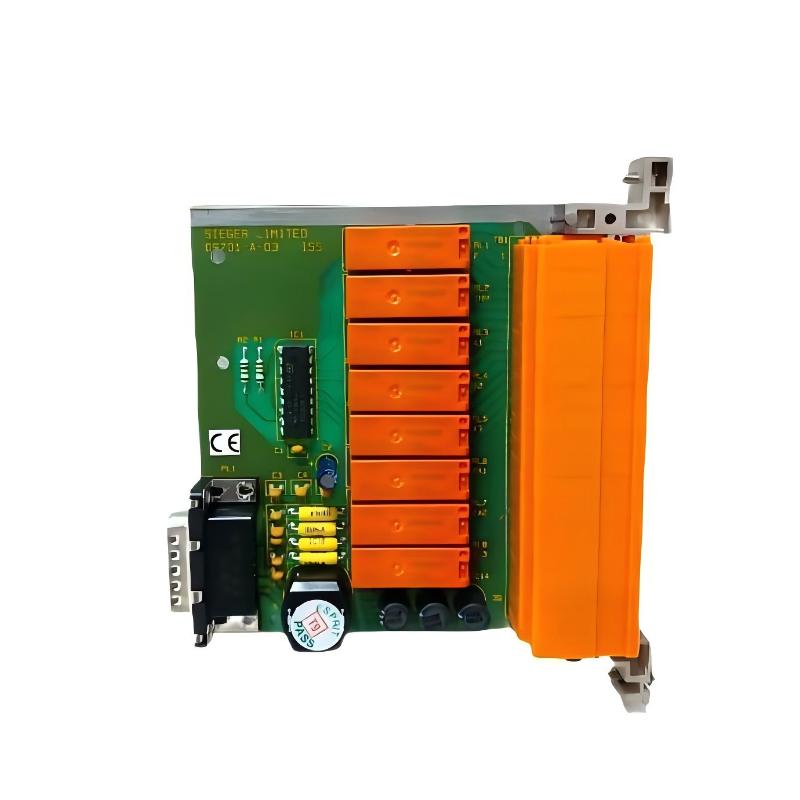
In traditional process industries such as oil & gas, chemical processing, power generation, and water treatment, DCS systems have historically been tightly bound to vendor-specific controllers and hardware configurations. While reliable, these systems often create challenges when modernization is required, especially in aging industrial facilities.
The Shift Toward Software-Defined Automation
Software-defined automation represents a major evolution in industrial control philosophy. Instead of relying on fixed PLC or DCS hardware, control applications are executed in virtualized environments running on industrial PCs, edge devices, or secure cloud infrastructures.
This shift brings several key advantages:
- Hardware independence and reduced vendor lock-in
- Faster system upgrades and lifecycle flexibility
- Improved integration with IIoT platforms
- Enhanced cybersecurity through centralized security management
- Better scalability for large industrial plants
Industrial operators can now update control strategies without replacing entire control cabinets, significantly reducing downtime and capital expenditure.
Impact on PLC and DCS Ecosystems
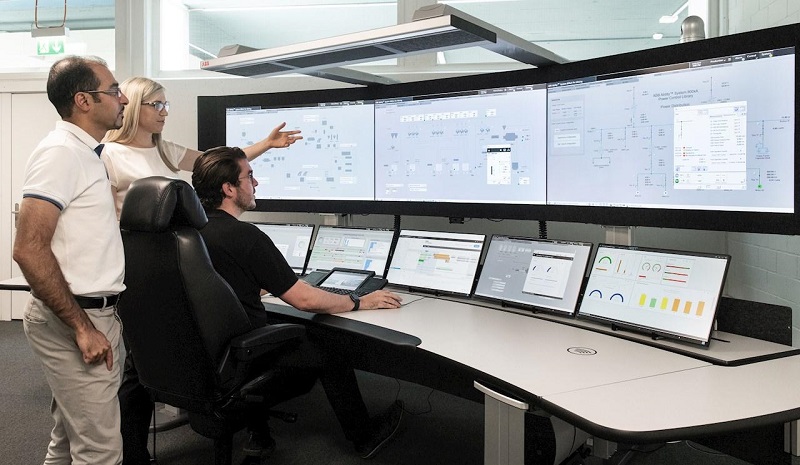
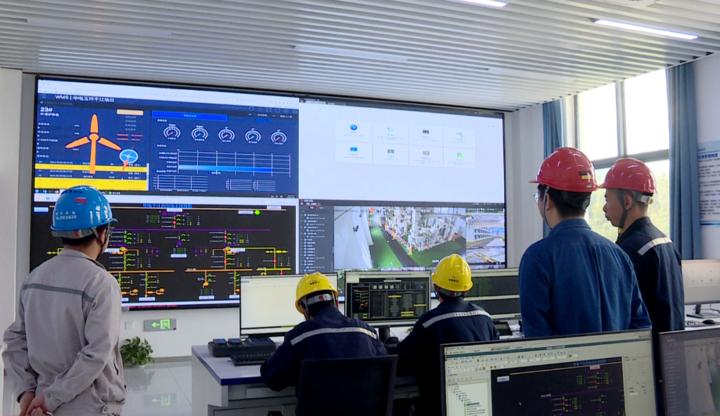
Although PLC systems remain essential for machine-level and discrete control applications, their role is increasingly converging with DCS platforms. Modern automation architectures now combine PLC, DCS, SCADA, and edge computing into unified industrial ecosystems.
This convergence is changing how engineers design control systems. Instead of focusing only on ladder logic or hardware configuration, engineers must now understand:
- Virtualization and containerized control systems
- Industrial networking (OPC UA, MQTT, Ethernet/IP)
- IT/OT integration strategies
- Cloud-based SCADA and data platforms
- Cybersecurity standards for industrial environments
The boundary between PLC engineers and IT engineers is becoming increasingly blurred.
Cybersecurity Becomes a Core Design Principle
As industrial systems become more connected, cybersecurity is no longer optional. Software-defined DCS platforms now integrate:
- End-to-end encryption
- Secure remote access frameworks
- Network segmentation for OT environments
- Real-time anomaly detection
- Compliance with industrial cybersecurity standards
These features are essential for protecting critical infrastructure from growing cyber threats targeting industrial environments.
Future Outlook
The adoption of software-defined DCS is expected to accelerate across global industries. In the coming years, hybrid automation architectures combining PLC, DCS, AI, and cloud computing will become standard in smart factories and large-scale process plants.
Industrial automation is moving toward a fully digital ecosystem where control systems are no longer isolated hardware units but part of a unified intelligent network.