AI-Powered PLC Systems Transform Industrial Automation in 2026: Smart Manufacturing Upgrade Trend
Industrial automation is entering a new era in 2026, driven by the rapid integration of Artificial Intelligence (AI) into Programmable Logic Controllers (PLCs). As factories move toward full digital transformation, AI-enabled PLC systems are becoming a core technology in smart manufacturing, improving efficiency, predictive maintenance, and real-time decision-making.
The Evolution of PLC Technology in Smart Factories
Traditionally, PLCs were designed to execute simple logic operations such as motor control, signal processing, and safety interlocking. These systems were highly reliable but limited in intelligence. However, with the development of Industry 4.0, modern PLCs have evolved into intelligent control platforms capable of analyzing data and optimizing production processes.
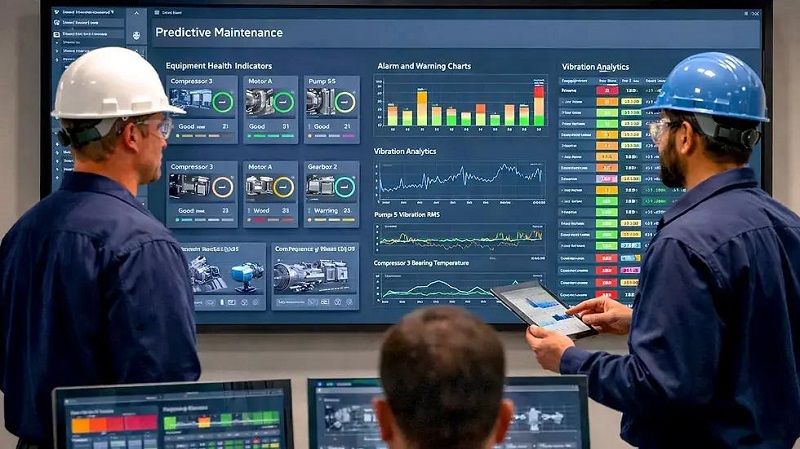
AI-powered PLCs now integrate machine learning algorithms directly into control systems. This allows them to detect abnormal patterns in real time, predict equipment failures, and automatically adjust machine behavior to maintain optimal performance.
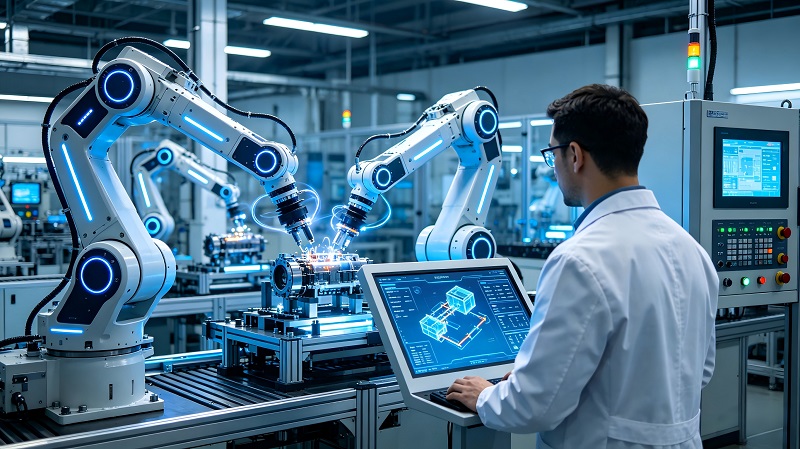
For example, in automotive production lines, AI PLC systems can monitor robotic arm torque, vibration levels, and cycle timing to identify early signs of mechanical wear. This significantly reduces unexpected downtime and maintenance costs.
Integration with DCS and Industrial IoT Systems
Another major advancement is the deep integration between PLC systems, Distributed Control Systems (DCS), and Industrial Internet of Things (IIoT) platforms. This integration allows data to flow seamlessly between field devices, control layers, and cloud analytics platforms.
DCS systems manage large-scale process operations such as chemical plants and power generation facilities, while PLCs handle discrete manufacturing tasks. When combined with AI analytics, these systems provide a unified control environment that enhances operational visibility and decision-making.
Edge computing also plays a critical role by processing data locally, reducing latency, and improving system responsiveness. This enables real-time optimization in high-speed manufacturing environments.
Market Growth and Global Adoption
The global demand for smart PLC systems is increasing rapidly, especially in Asia, Europe, and North America. Industries such as automotive, food processing, pharmaceuticals, and energy are investing heavily in AI-based automation upgrades.
Manufacturers adopting AI PLC technology report improved productivity, reduced energy consumption, and better product quality consistency. As competition intensifies, intelligent automation systems are becoming essential for maintaining global competitiveness.